

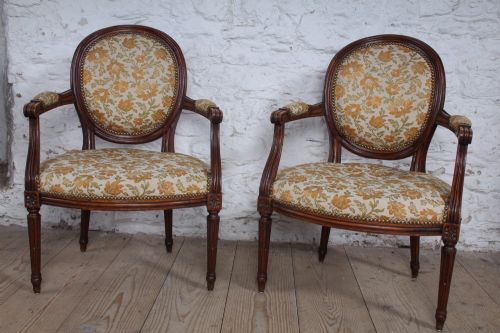
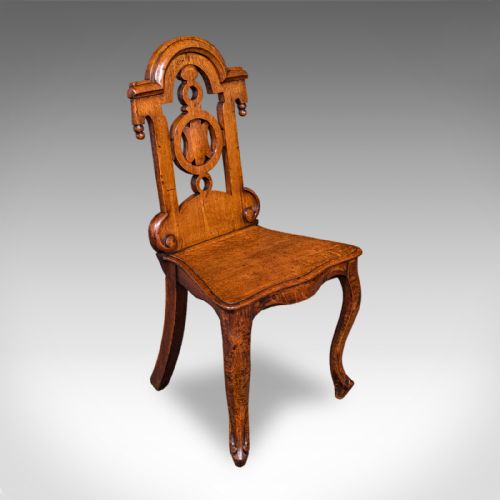


Carved Timber Occasional Chair
These carved timber occasional chair options span the centuries from the seventeenth century through to the edwardian era.
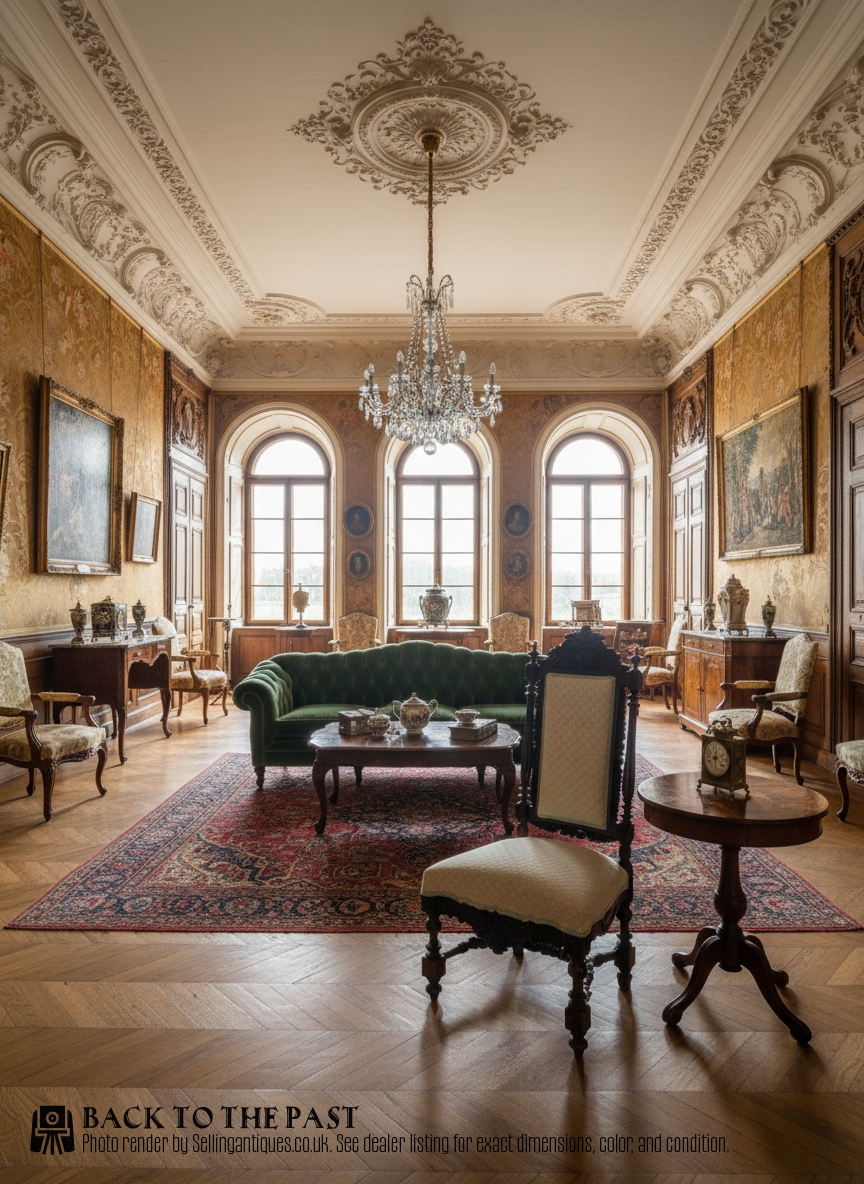
Carved Timber Occasional Chair
A carved timber occasional chair serves multiple functions across different domestic spaces, appearing as a side chair, hall chair, or bedroom chair. These seating forms fulfill practical purposes in reception areas and sitting rooms alike.
The selections available here showcase diverse regional and period traits, ranging from Scottish vernacular pieces to refined regency examples. Oak, mahogany, and rosewood form the primary structural foundations for these items.
Buyers encounter numerous stylistic expressions, including louis xvi style details, georgian proportions, and jacobean influences. Victorian examples form a significant portion of the items currently presented to collectors.
Construction and material methods
Makers utilised solid timbers such as oak, mahogany, and rosewood to build the frames, employing traditional joinery techniques. Metal and brass elements occasionally appear in structural or decorative capacities.
Surface decoration relies heavily on hand carving directly into the timber framework to create intricate patterns and motifs. Upholstery treatments involve traditional fabrics and tapestry work, with some pieces receiving new upholstery.
Carved Timber Occasional Chair Retail Price Guide 2026
Typical asking prices for carved timber occasional chair among the pieces listed under this phrase on Sellingantiques today, from the lower quarter to the upper quarter. They describe what is for sale here now, not the wider market.
Current listings span the seventeenth century, georgian, regency, victorian, and edwardian periods in oak, mahogany, and rosewood.
Evaluating the craftsmanship
The refinement of the hand carving dictates much of the visual distinction between standard examples and superior pieces. Crisp detailing in the timber ornament separates workshop output of high ambition from simpler utilitarian seating.
Timber selection and grain figure contribute to the overall presence of the object, particularly in mahogany and rosewood variants. Structural integrity and the preservation of original surface patination further define the standing of each piece.
Wheeler Of Arncroach
The Carved Timber Occasional Chair Glossary
- Occasional chair
- A movable seat designed for use in various rooms rather than as a permanent seating fixture. These pieces offer flexibility in domestic interior arrangements.
- Hall chair
- A rigid timber seat historically placed in entrance halls, often featuring a solid wooden panel back and carved heraldic motifs. They prioritise architectural presence over deep cushioning.
- Side chair
- An upright chair without arms, intended to stand against a wall or around a dining table when not in use. They represent a large proportion of antique seating.
- Vernacular
- Furniture made by local craftsmen following regional traditions rather than metropolitan stylistic dictates. Scottish vernacular pieces embody this distinct localized approach to design.
Carved Timber Occasional Chair: Frequently Asked Questions
What is a carved timber occasional chair used for?
These chairs provide supplementary seating in reception rooms, bedrooms, and hallways. They combine decorative timber carving with functional utility.
Historically, they were moved around the home to accommodate guests as needed during gatherings.
How do I identify a regency chair?
Regency pieces reflect classical antiquity influences, often featuring dark timbers like mahogany and restrained decorative motifs. They date from the early nineteenth century.
Proportions tend to be clean and architectural, drawing inspiration from ancient Greek and Roman designs.
Are these chairs suitable for daily seating?
Most antique side and hall chairs feature rigid wooden seats or firm upholstery suited for brief periods of sitting. They function best in low-traffic areas or as decorative accents.
Regular use requires checking the historical joints to ensure the timber remains stable.
What distinguishes an edwardian chair?
Edwardian examples often revisit earlier stylistic revivals while incorporating lighter domestic proportions suited to twentieth-century interiors. Makers such as Wheeler Of Arncroach produced distinctive regional variants during this time.
These pieces bridge the gap between heavy victorian forms and modern furniture design.