


Victorian Gothic Bed
When you bring a victorian gothic bed into a room, you anchor the space with heavy timbers or scrolling metalwork that instantly commands attention.
Victorian Gothic Bed
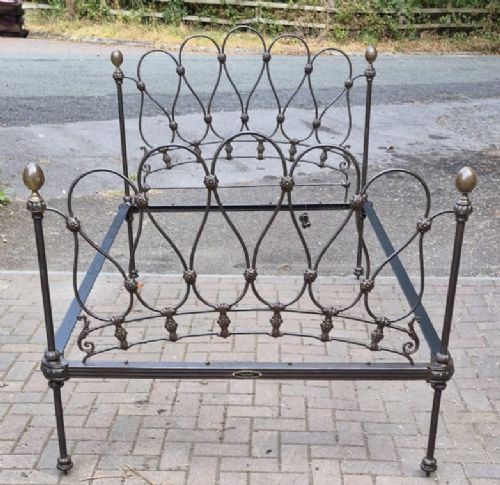
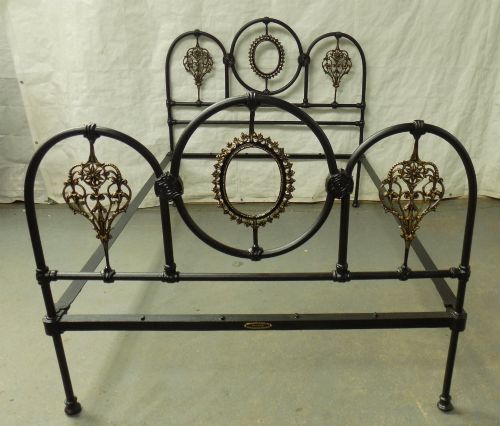
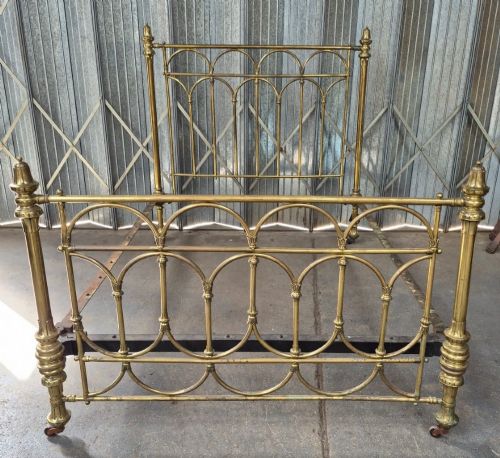
A victorian gothic bed encompasses substantial timber frames, architectural four posters, and intricate iron or brass bedsteads shaped by nineteenth-century revival tastes. Buyers encounter single and double sizes, along with grander king proportions designed with pointed arches and soaring posts.
The aesthetic draws heavily on medieval ecclesiastical architecture translated into domestic furniture. Surviving examples range from richly carved oak and mahogany frames to crisp cast iron and brass structures that dominate the sleeping chamber.
Materials and Construction
Cabinet makers utilised dense hardwoods such as oak, mahogany, walnut, and pitch pine, often embellished with deep relief carving and architectural mouldings. Metal frames combined cast iron, wrought iron, and heavy brass components, sometimes incorporating porcelain details.
Joinery methods relied on sturdy pegs, bolts, and heavy panels to support massive tester structures and substantial headboards. Metal bedsteads utilised robust tubular construction paired with decorative castings and curly iron scrollwork.
The listings feature pieces spanning the mid-nineteenth century through to the 1920s, employing oak, mahogany, pitch pine, cast iron, and brass.
Assessing Quality and Execution
The distinction between ordinary production and superior work lies in the crispness of the architectural carving and the weight of the chosen materials. Fine examples exhibit deeply chiselled tracery, well-balanced proportions, and heavy gauge brass or ironwork.
Design ambition separates basic bed frames from sophisticated reformed gothic or revival pieces. Superior constructions feature integrated architectural elements, matching side rails, and high-grade timber selection that retains its rich grain and colour.
RW Winfield·Gillows
The Victorian Gothic Bed Glossary
- Gothic Revival
- An architectural and decorative movement that revived medieval forms such as pointed arches, quatrefoils, and heavy structural framing. This style defined much of nineteenth-century design.
- Four Poster Bed
- A bed with four vertical columns that support an upper tester canopy. These grand structures often featured draped textiles or carved wooden cornices.
- Bedstead
- A framework of wood or metal that supports a mattress and spring base. In nineteenth-century pieces, this term frequently describes the visible headboard, footboard, and side rails.
- Reformed Gothic
- A sub-style of the gothic revival that simplified medieval motifs into more geometric, structural forms. It rejected excessive ornament in favour of clean architectural lines.
- Half Tester Bed
- A bed featuring a wall-mounted or post-supported canopy that extends only halfway over the mattress length. This variant provided the grandeur of a full tester with a lighter footprint.
Victorian Gothic Bed: Frequently Asked Questions
How do I assemble a victorian gothic bed?
Most antique beds utilise heavy iron bolts or tapered slot joints to secure the side rails to the headboard and footboard. You will need a helper and proper spanners to ensure the frame squares up correctly before adding modern slats.
Take care not to force rusted threads; apply a suitable lubricant if the iron bolts resist turning. Modern mattress bases can then be dropped securely onto internal brackets or bespoke support slats.
Will a standard mattress fit these beds?
Nineteenth-century dimensions often vary slightly from modern standard sizing, particularly in older double and single frames. You may need to check the internal length and width between the side rails before ordering a mattress.
Custom mattress makers can easily build to exact historical measurements if the frame proves slightly shorter or narrower than current standards. This ensures a snug fit without damaging antique side timbers.
How do I care for carved oak furniture?
Maintain the timber by applying a microcrystalline wax polish sparingly to nourish the wood and protect the dry surface. Avoid placing the bed near direct heat sources or strong sunlight, which can cause timber to split or warp.
Dust intricate carvings regularly with a soft bristle brush to prevent dirt accumulation in the recessed tracery. Gentle upkeep preserves the original patina developed over generations.
Are brass and iron beds easy to maintain?
Metal components require gentle dusting and occasional wiping with a soft, dry cloth to prevent tarnishing. Avoid harsh chemical cleaners that can strip original lacquers or age patinas on brass castings.
Check iron joints periodically and tighten any loose screws or structural bolts to maintain stability. Sound maintenance keeps the metalwork strong and visually striking.