

Victorian Gothic Armchair
These Victorian gothic armchair pieces bring genuine architectural theatre and sturdy nineteenth-century craft into a modern room.
What a victorian gothic armchair is
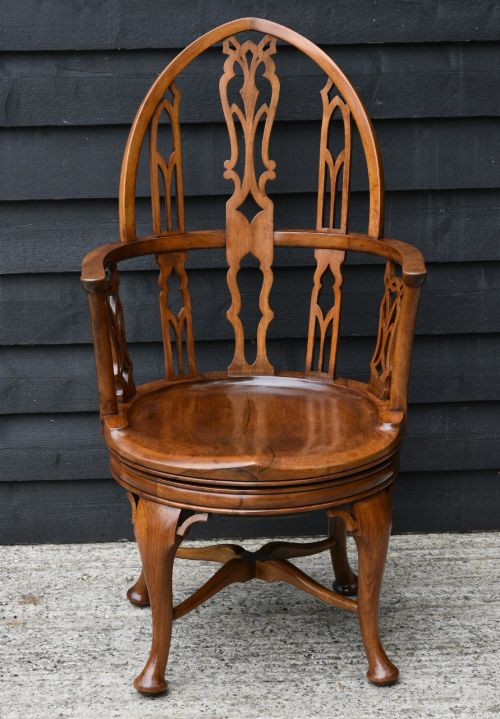
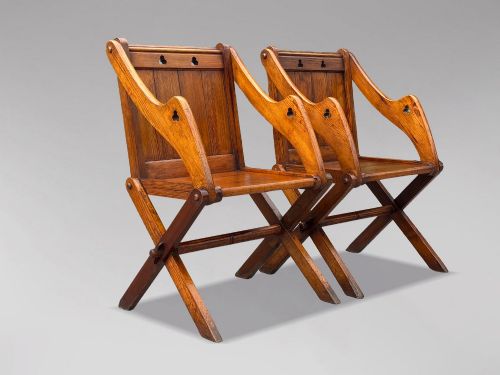
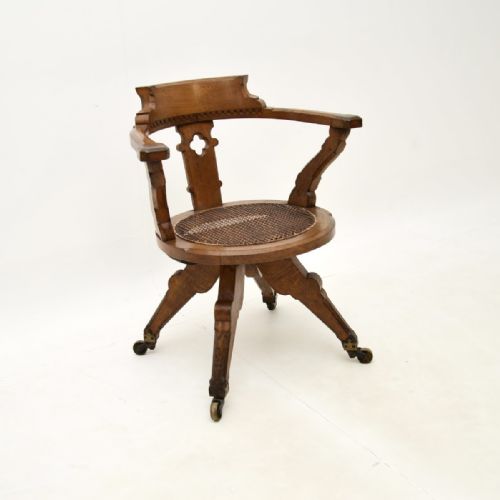
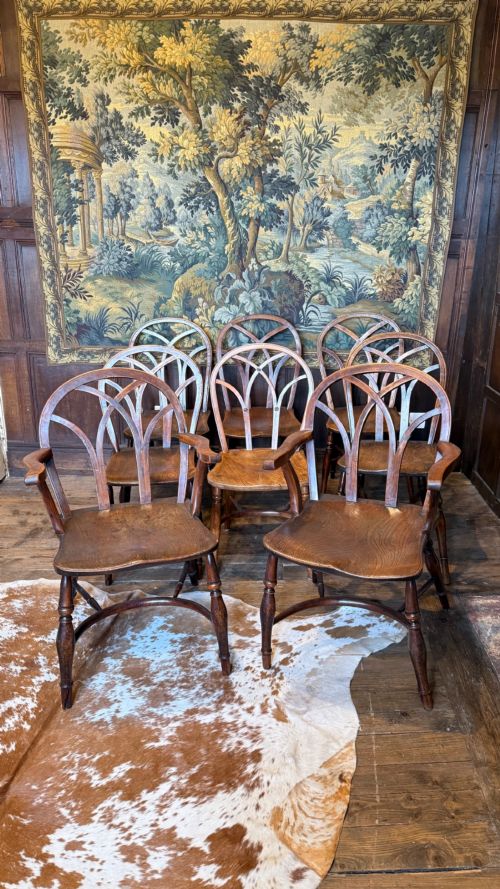
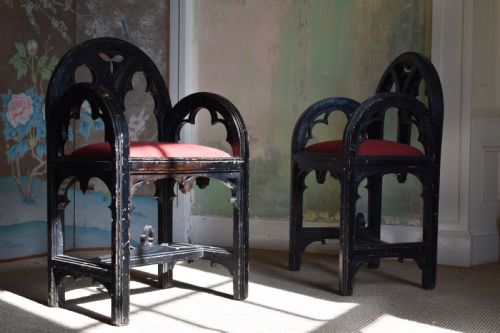
A victorian gothic armchair draws upon medieval architectural motifs, expressed through pointed arches, heavy frames and ecclesiastical grandeur. When you search for a victorian gothic armchair, you encounter seating built during the nineteenth century, including oak and walnut examples from around eighteen eighty.
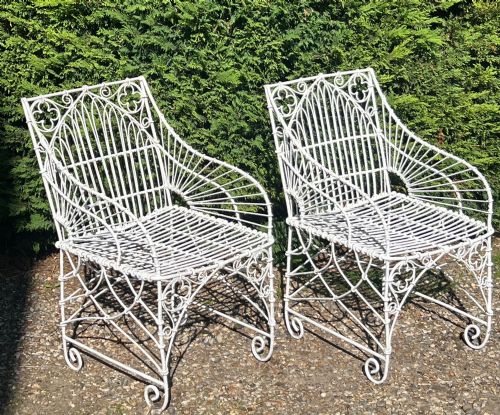
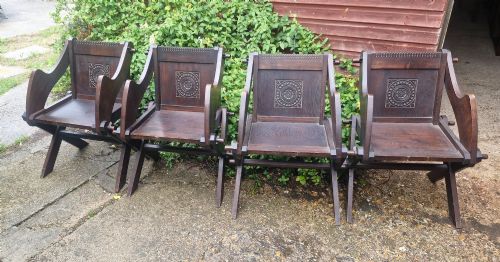
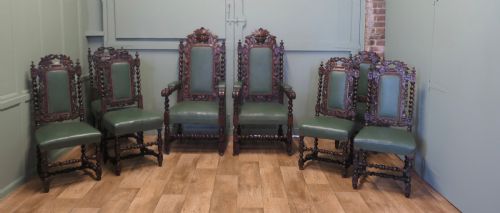
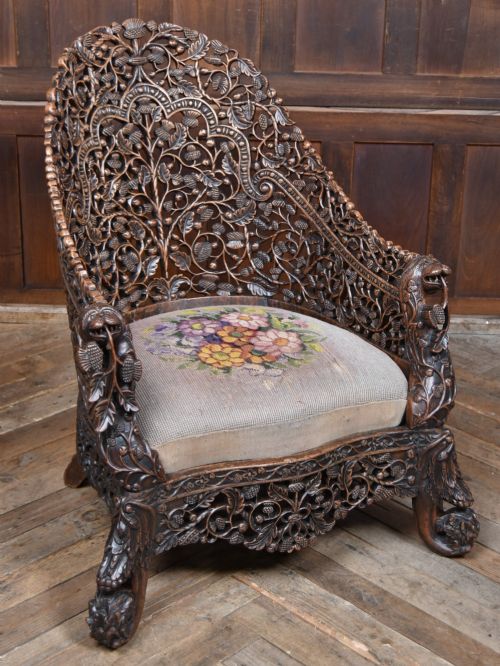
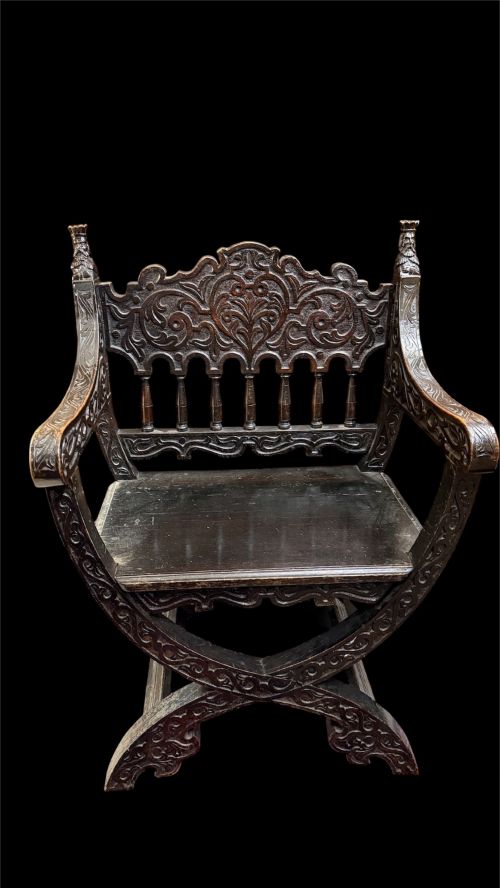
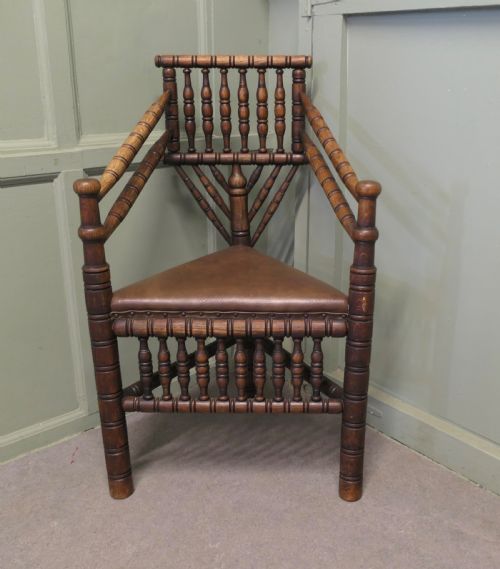
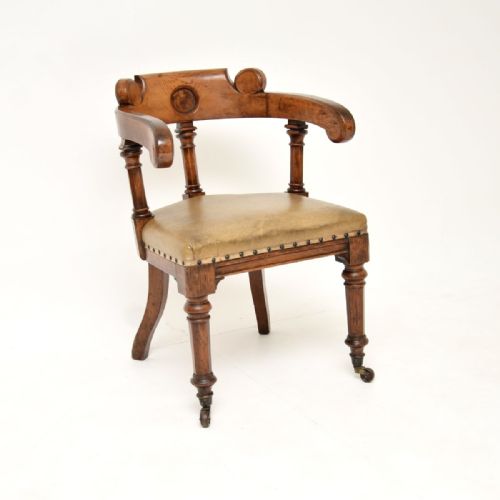
The selections span distinct forms, from Glastonbury and Savonarola chairs to heavily carved open armchairs, tub chairs and large throne or mayoral seats. Most pieces emerge from English workshops, adhering to the Gothic Revival manner that dominated the period.
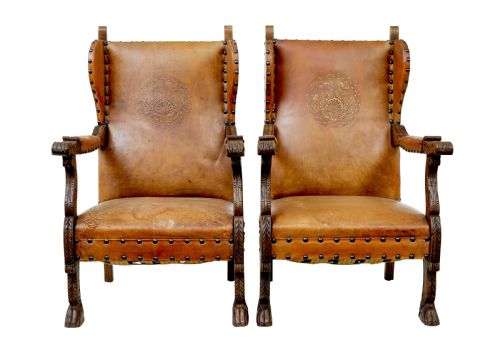
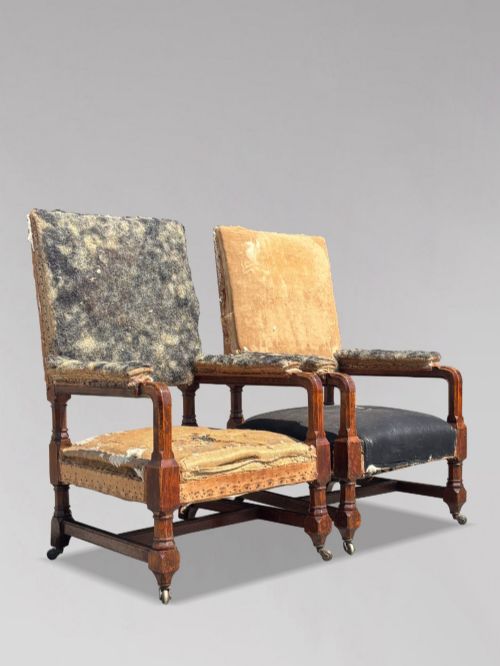
You meet variations in scale, from tall ceremonial seating down to comfortable gentlemans armchairs upholstered in leather, fabric or tapestry. The aesthetic bridges domestic comfort with the austere majesty of church and court furniture.
How they were made
Carpenters and joiners built these frames primarily from solid oak and walnut, occasionally employing mahogany, ebonised timber or painted wood. Joinery relied on traditional pinned mortise and tenon construction to support the substantial weight of the timber.
Decoration involved deep hand-carving of tracery, quatrefoils and panel work directly into the wood. Metal elements such as brass appeared in structural fixings or decorative mounts, while seats utilised leather, tapestry, textile or button-backed fabric.
Retail Price Guide 2026
Typical UK retail prices for victorian gothic armchair, calculated from the Sellingantiques database of over a million retail prices indexed since 2003. This retail price guide relies exclusively on Sellingantiques data; no external sources or auction records are used, so the figures do not describe the wider market.
Recorded materials span oak, walnut, mahogany, brass, leather, painted wood, tapestry and fabric across the nineteenth-century Gothic Revival spectrum.
What varies in quality
The distinction between ordinary seating and exceptional pieces rests upon the ambition of the design and the depth of the carving. Heavier timbers, such as dense English oak and rich walnut, support more elaborate architectural detailing that defines the top of the range.
Provenance and form elevate certain examples, particularly documented pieces associated with known makers or specific institutional contexts like courtrooms and ecclesiastical settings. Finer execution shows in crisp, unbroken tracery and well-preserved original leather or textile upholstery.
James Shoolbred
The Victorian Gothic Armchair Glossary
- Gothic Revival
- An architectural and decorative style that revived medieval forms during the nineteenth century. It heavily influenced furniture design through pointed arches and ecclesiastical motifs.
- Glastonbury Chair
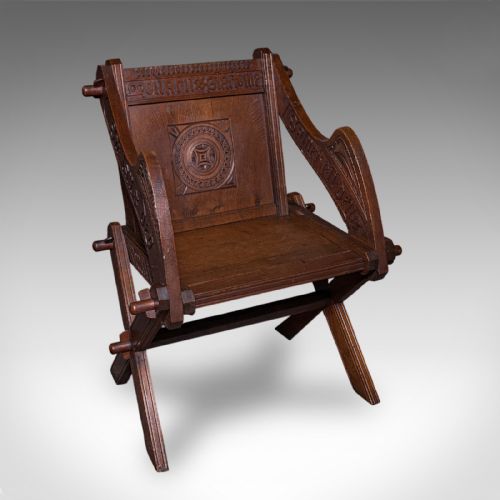
- A traditional folding armchair type with an X-frame base and slanted back panel. Victorian makers adapted this medieval form in solid oak.
- Savonarola Chair
- An X-frame armchair composed of multiple curved wooden slats intersecting to form a barrel-like seat. It reflects Renaissance and gothic revival tastes.
- Tracery
- Architectural stonework ornamentation adapted into wooden panel carving. It provides the characteristic geometric window patterns seen on these chairs.
- Ecclesiastical
- Relating to the Christian Church, describing furniture built for religious settings or modelled upon church furnishings. These pieces often feature severe lines and pious inscriptions.
Frequently Asked Questions
What is a Glastonbury chair?
A Glastonbury chair is a distinct wooden armchair form featuring an X-frame base and a flat sloping backrest. Makers in the nineteenth century built these based on medieval ecclesiastical prototypes.
They are sturdy seats typically constructed from English oak, often bearing carved inscriptions or simple geometric panels. Their rigid geometry makes them striking accent pieces in a room.
Were these chairs used in churches?
Many ecclesiastical and mayoral armchairs were indeed commissioned for religious, civic or courtroom environments. Their solemn proportions and architectural detailing reflected authority and tradition.
Over time, these imposing seats migrated into domestic libraries and halls where their dramatic presence added gravitas. They served both functional seating roles and decorative displays of historicism.
What upholstery materials are correct?
Original seating surfaces typically featured full leather, textured tapestry, woven textiles or button-backed fabric. Oak and walnut frames often held uncovered wooden seats or simple squab cushions.
When restoring these chairs, matching the fabric weight to the heavy timber frame is essential. Leather and dark textiles complement the austere architectural aesthetic of the Gothic Revival.