

Victorian Glazed Pitcher
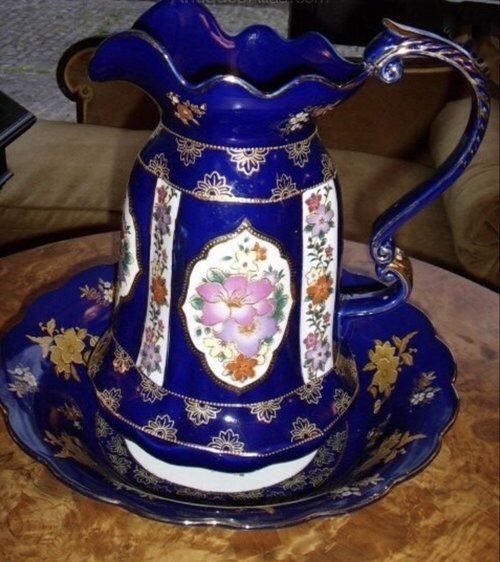
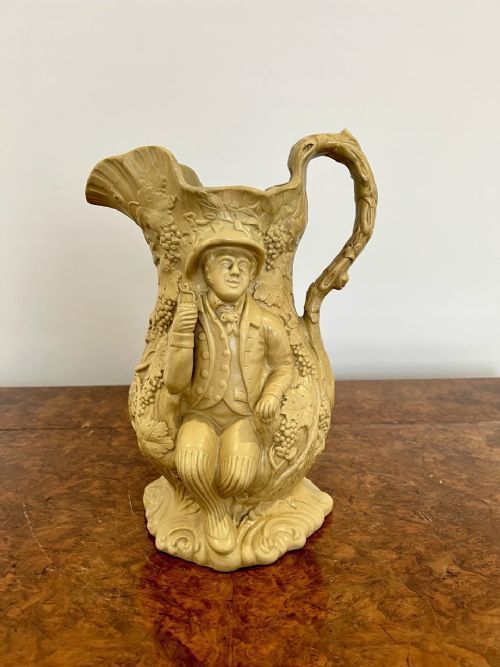
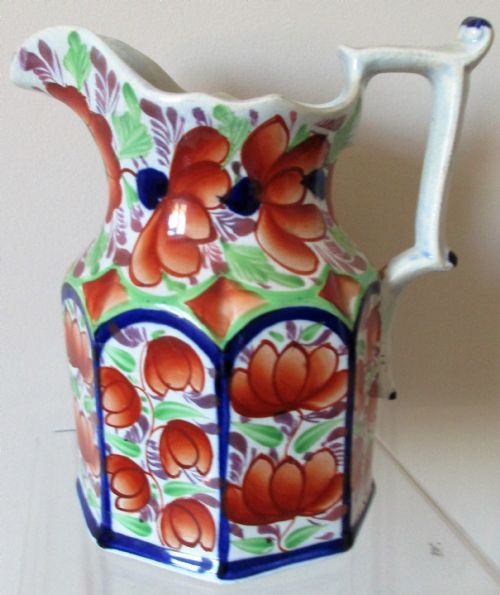
These Victorian glazed pitcher pieces bring robust nineteenth-century earthenware and stoneware into daily service and display.
Victorian Glazed Pitcher
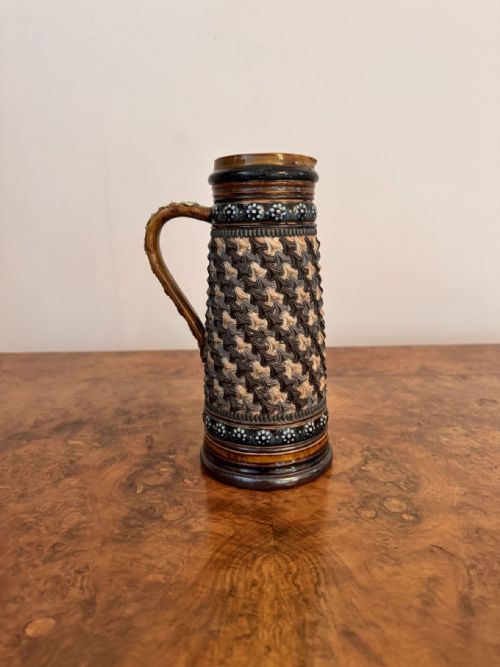
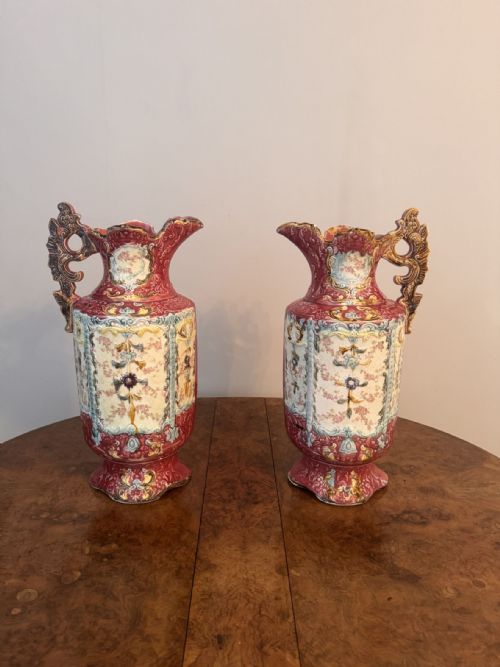
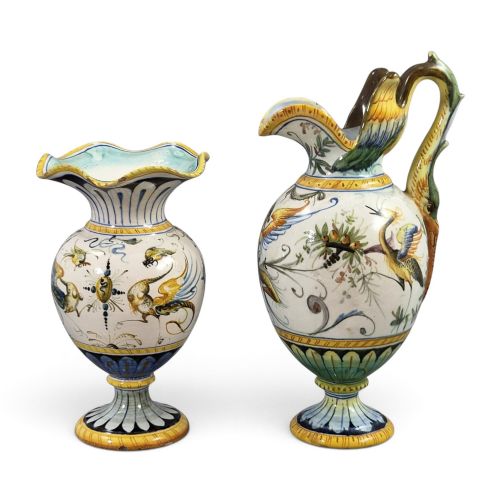
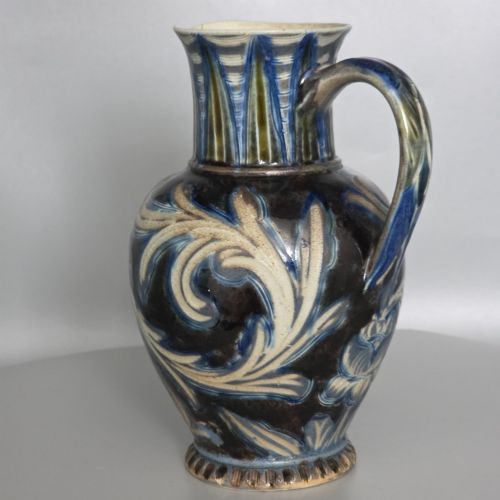
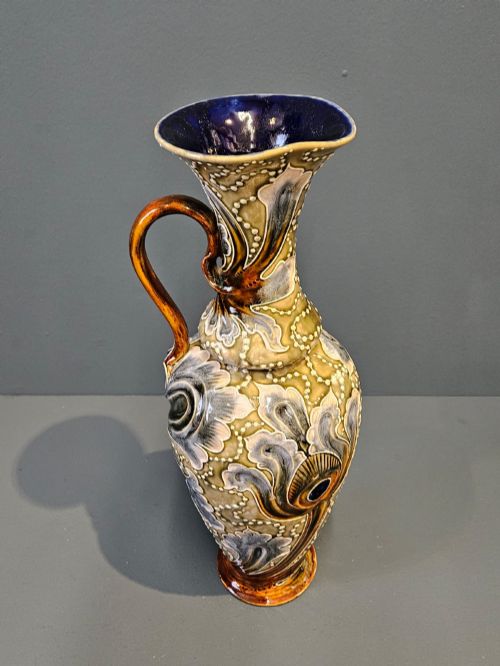
A victorian glazed pitcher encompasses functional vessels and decorative ewers spanning the nineteenth century, including majolica, salt glaze, and lustreware. The selection here leans heavily toward Doulton Lambeth stoneware alongside Staffordshire and Sunderland productions.
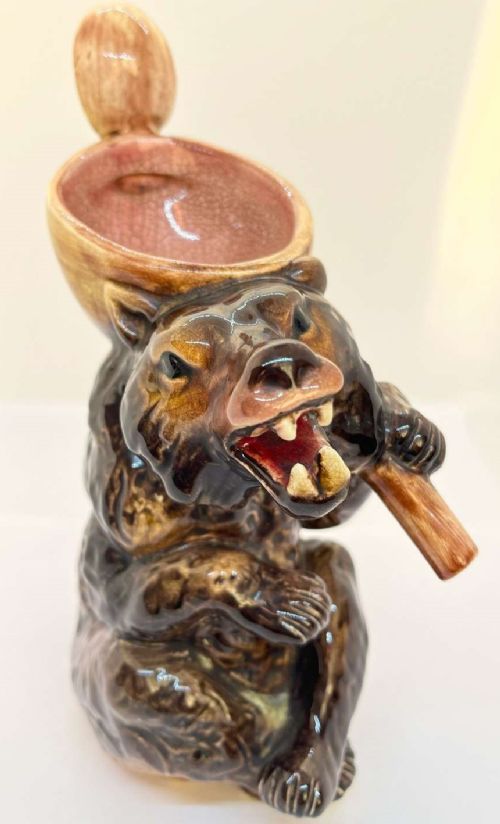
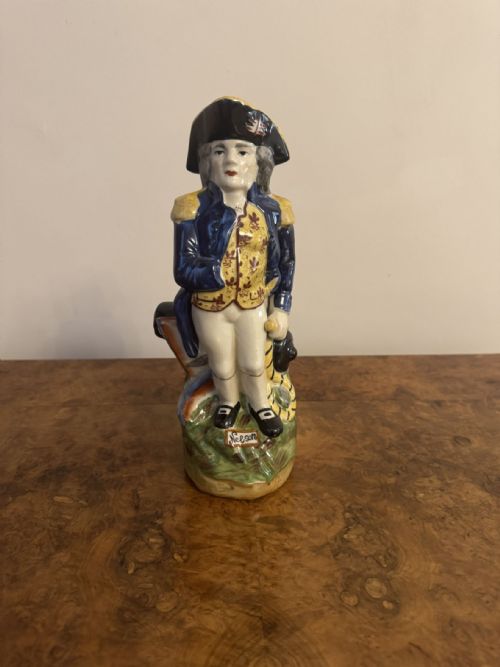
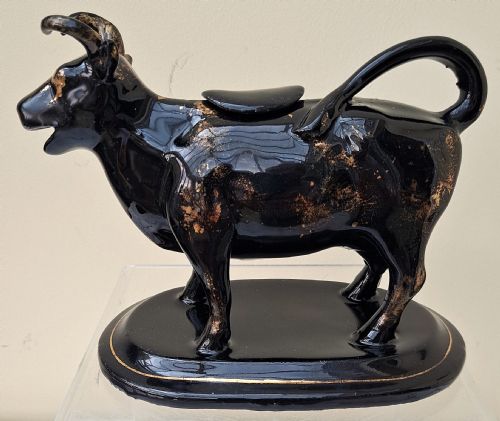
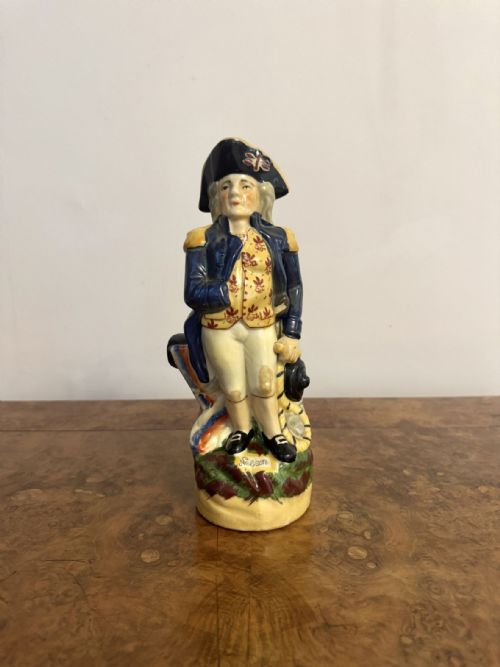
Makers produced these jugs in varied forms, from standard tavern and milk containers to elaborate commemorative pieces and figural toby jugs. The styles trace an evolution from traditional relief moulding through Arts and Crafts and Art Nouveau aesthetics.
Materials and Techniques
Potters utilised earthenware and stoneware bodies, applying lead and salt glazes to seal the porous clay. Surface decoration relied on hand painting, transfer printing, and incised or relief-moulded patterns.
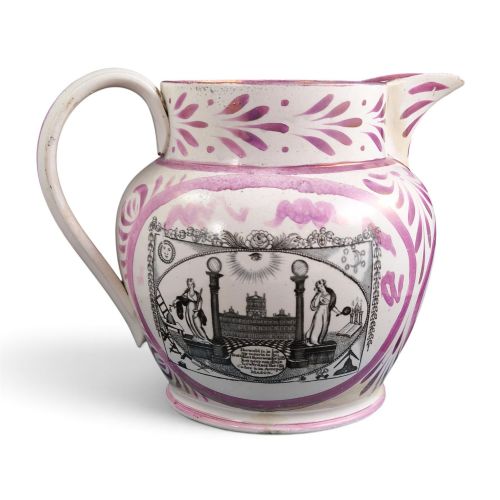
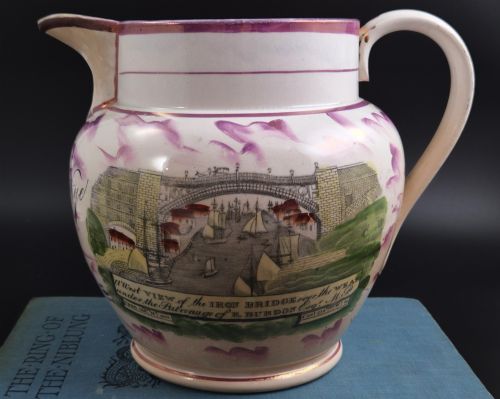
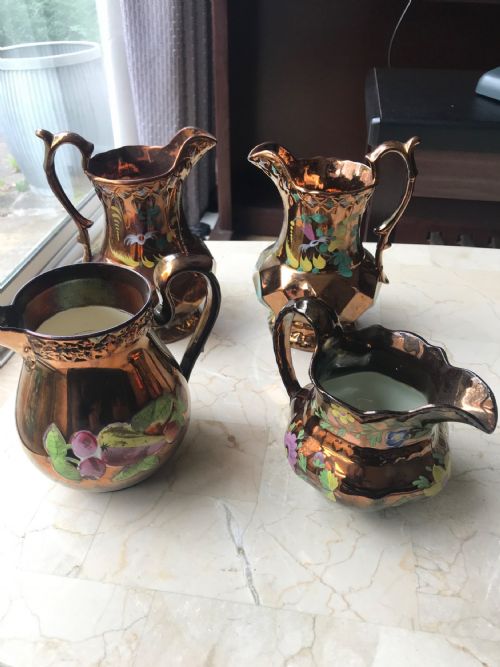
Specialised techniques such as pink splash lustre, cobalt blue detailing, and enamel highlights created the characteristic metallic sheens and contrasting colour palettes seen across the period.
The listings demonstrate a strong representation of Doulton Lambeth stoneware alongside nineteenth-century earthenware, salt glaze, and lustreware.
Distinctions in Quality
The standard of execution separates master studio outputs and named designers from standard commercial pottery. Sharpness in relief moulding and precision in incised or hand-painted ornamentation indicate superior craftsmanship.
Provenance and specific studio attribution elevate particular examples, particularly where stamped factory marks or recognised decorator signatures are present on the base.
Doulton Lambeth·Sir Edmund Elton·Simon Peter Gerz·Holdcroft
The Victorian Glazed Pitcher Glossary
- Majolica
- A colourful lead-glazed earthenware characterised by rich, flowing coloured glazes over moulded relief designs. This technique gained immense popularity during the nineteenth century.
- Salt Glaze
- A vitreous coating formed by throwing common salt into the kiln during high-temperature firing. It produces a distinctive textured, orange-peel surface on stoneware.
- Lustreware
- Pottery decorated with a metallic film that creates an iridescent sheen. Sunderland and copper variations utilise this method to produce reflective pink and metallic surfaces.
- Toby Jug
- A pottery jug modelled in the form of a stout, seated person usually wearing eighteenth-century attire. These figural pieces served both functional and display purposes.
Victorian Glazed Pitcher: Frequently Asked Questions
How were these pitchers used originally?
Households utilised these vessels for pouring liquids such as water, milk, or beer at table and in tavern settings. Many larger examples also functioned as decorative display pieces or washstand components.
Over time, changing domestic habits transformed utilitarian kitchenware into collectable display items valued for their regional designs and historical associations.
How do I identify a salt glazed pitcher?
Salt glazing creates a characteristic pebbled surface texture resembling an orange peel, formed when salt vaporises inside the high-heat kiln. This treatment renders the stoneware completely watertight without requiring a standard slip layer.
These pieces often display subdued earthy tones combined with cobalt blue painted highlights around incised or relief decoration.
How should I display a lustre jug?
Display these metallic-finished pieces where adequate lighting catches the reflective pink and copper sheens. Positioning them away from direct, harsh sunlight protects the delicate enamel painted details.
Pairing similar nineteenth-century earthenware types together highlights the contrasting transfer prints and metallic glaze variations.