



Victorian Glazed Lantern
A victorian glazed lantern brings practical illumination and architectural presence to halls and porches alike, relying on metal frames and glass panels to catch the light.
Victorian Glazed Lantern
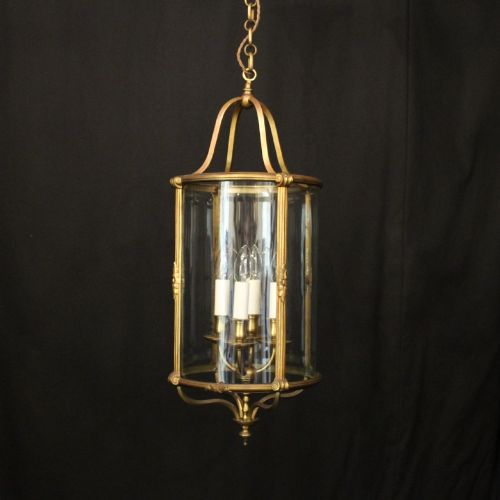
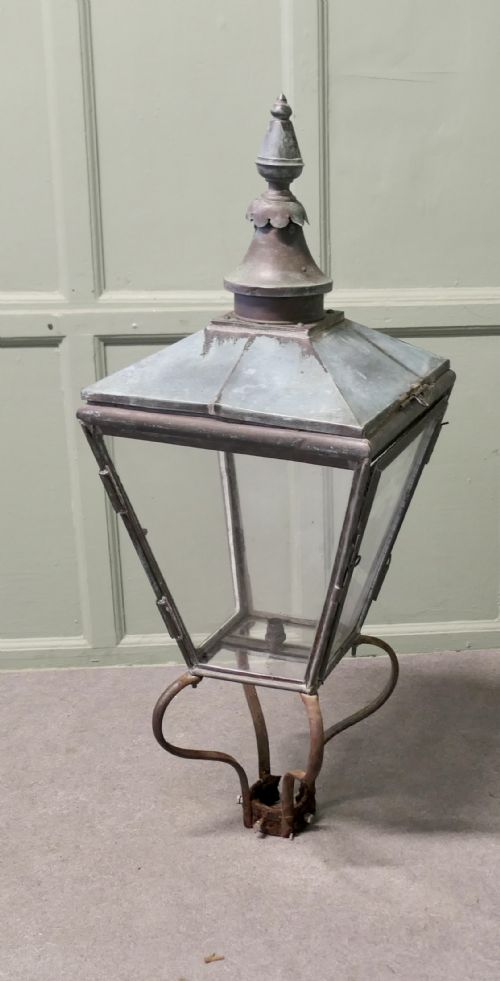
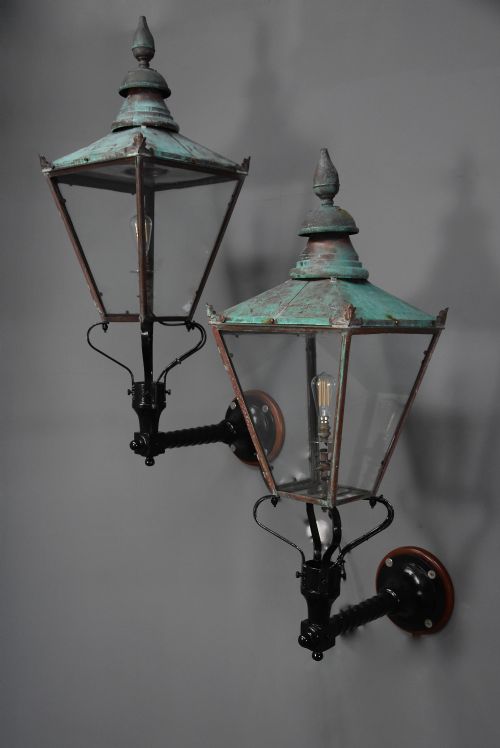
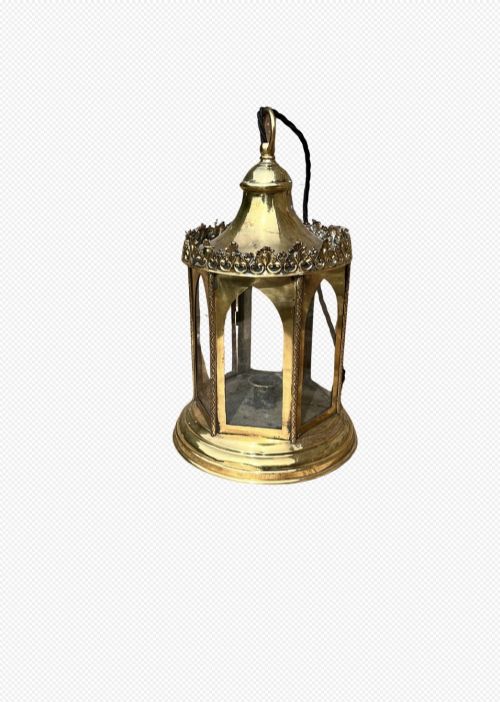
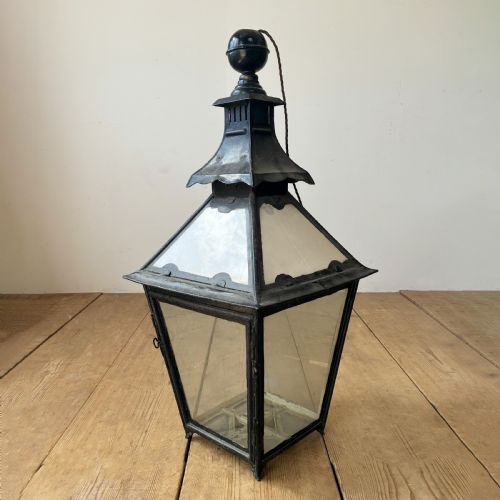
When you search for a victorian glazed lantern, you encounter ceiling pendants, hall lights, and wall-mounted brackets designed to hold candle or electrical fittings. These pieces predominantly take the form of hexagonal or multi-sided hanging fixtures, though coaching lanterns and street lights also appear.
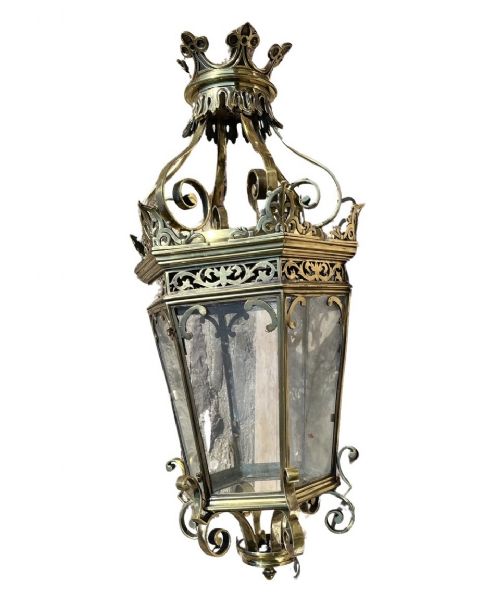
The materials span brass, copper, and gilded bronze, often combined with clear or decorative glass panels. Styles stretch from restrained Victorian designs to ornate French Neoclassical, Gothic Revival, and Rococo Revival interpretations.
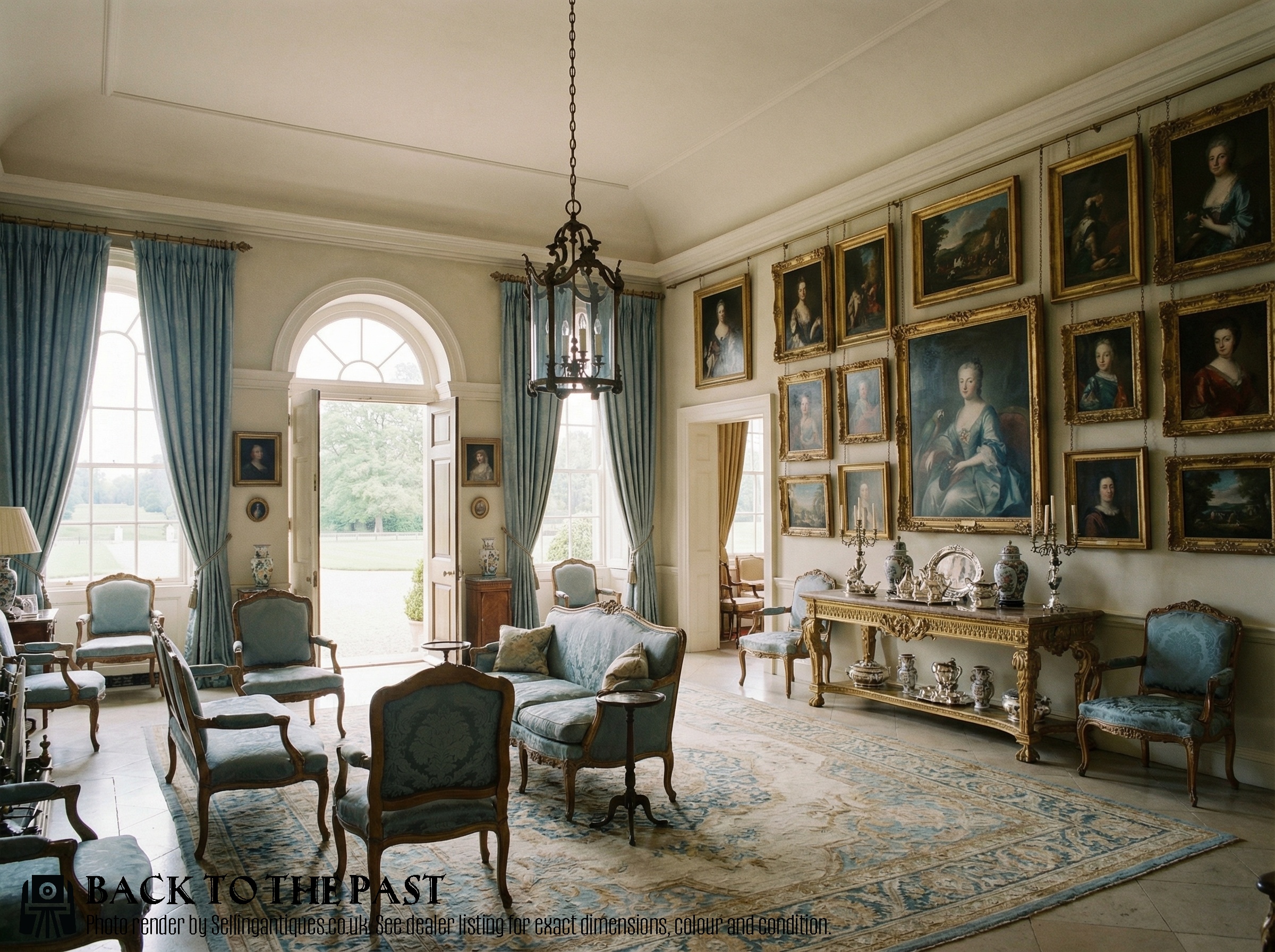
Most examples originate from the nineteenth century or the early twentieth century, reflecting the architectural demands of grand townhouses and country estates. Buyers frequently select these lanterns to anchor an entrance hall or illuminate a high-ceilinged corridor.
How they were made
Makers constructed these lanterns using robust metal frameworks of cast brass, beaten copper, or gilded bronze, joined securely to house delicate glass panes. Metalworkers utilised casting, soldering, and riveting techniques to form rigid structures capable of supporting heavy glass safely.
Decorative elements such as scrolling brackets, green man motifs, or cast rococo details were individually applied to the main body. Glazing was fitted into channels within the metal frame, often secured with internal glazing bars or stops.
An unusually grumpy green man copper lantern glowers quietly from the nineteenth-century selection.
What varies in quality
Quality reveals itself in the weight and thickness of the metal frame, alongside the crispness of any cast ornamentation like rococo scrollwork or figural details. Heavier gauge brass or bronze and substantial copper sheet metal indicate a higher tier of production.
The integration of the glass panels and the precision of the mitred joints also separate standard utility pieces from exceptional commissions. Superior lanterns exhibit careful hand-fitting of components and harmonious proportions across hexagonal or multi-sided geometries.
The Victorian Glazed Lantern Glossary
- Hexagonal form
- A six-sided geometric construction commonly utilised for hall and hanging lanterns to disperse light evenly. This shape allows multiple glass panes to be fitted into a rigid metal skeleton.
- Gilded bronze
- An alloy of copper and tin treated with a gold-coloured finish, often found on French-inspired decorative lighting. It provides a rich metallic surface that resists tarnishing over decades of use.
- Gothic revival
- An architectural and decorative style drawing inspiration from medieval forms, featuring pointed arches and ornate tracery. Lanterns in this taste suit period properties with ecclesiastical or medieval revival interiors.
- Coaching lantern
- A robust outdoor lighting fixture originally designed for carriages or coach houses, typically built from durable copper. These pieces feature sturdy frames to withstand weather exposure.
- Hall lantern
- A suspended ceiling fixture intended primarily for entranceways and corridors to provide welcoming illumination. They range from simple brass cylinders to elaborate multi-light gilded frames.
Victorian Glazed Lantern: Frequently Asked Questions
How do I hang a heavy brass lantern?
Suspension requires fixing directly into ceiling joists or using a reinforced ceiling rose capable of taking the substantial weight of cast metal and glass. A professional electrician should check that the internal wiring matches the structural hanging point.
Ensuring the chain and ceiling hook are rated for the exact weight of the fixture prevents any strain on the original hanging loop or decorative canopy.
Can these antique lanterns be wired for electricity?
Most hanging and hall lanterns adapt readily to modern electrical fittings by concealing standard lamp holders within the central frame. Careful rewiring preserves the exterior metalwork and glass panels without altering the historic structure.
Working with a specialist restorer ensures that the bulb placement distributes light effectively through the glazed panels while meeting current safety standards.
Where were hall lanterns typically placed?
Original placements focused on high-traffic entrance halls, stairwells, and wide landings where ambient overhead light was essential for dark hallways. Their enclosed glazed design protected the light source from drafts.
Placing them in modern settings revives this traditional function, creating a strong focal point immediately upon entering a home or property.
How do I clean the glass panels?
Cleaning benefits from removing the glass panels if the framing allows, or wiping them carefully in situ using a mild glass cleaner and a soft cloth. Care must be taken around soldered joints and aged patinated brass or copper.
Avoiding harsh abrasives protects both the original metal surfaces and any delicate decorative elements applied to the frame during the manufacturing process.