





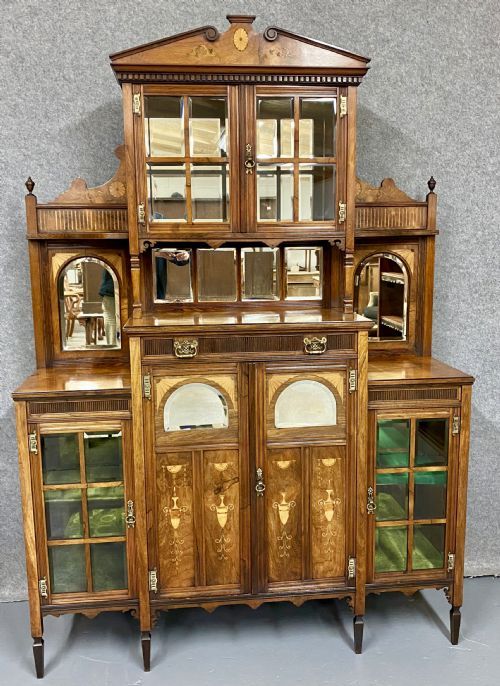
Victorian Glazed Chiffonier
These Victorian glazed chiffonier pieces offer elegant storage and display, bringing nineteenth-century craftsmanship into a modern home.
Victorian Glazed Chiffonier
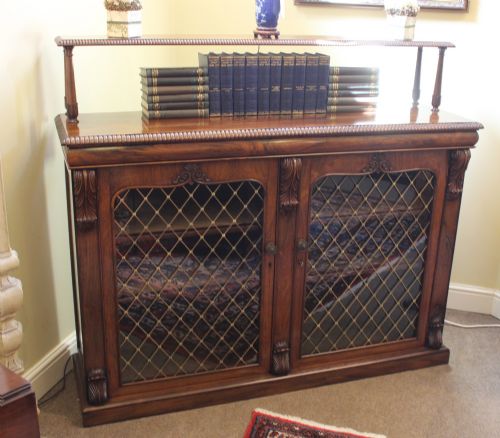
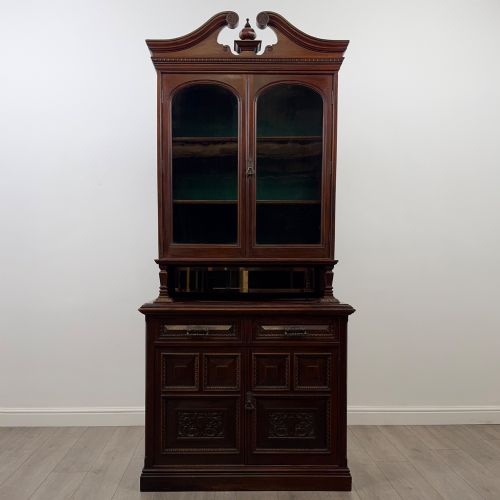
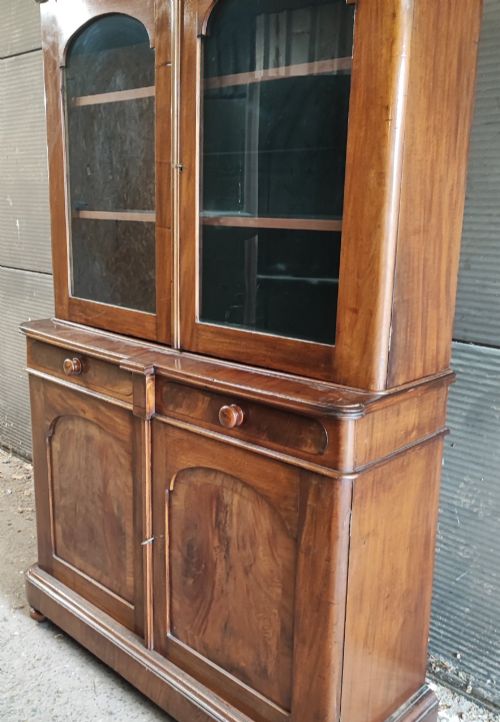
A Victorian glazed chiffonier combines a lower enclosed cupboard with upper glass-fronted shelving, serving as both a sideboard and a display case for books or precious objects. When searching this phrase, buyers encounter varied forms spanning the nineteenth century, including rosewood and mahogany side cabinets with mirror backs.
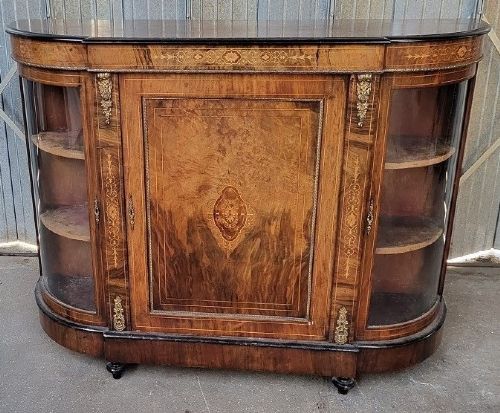
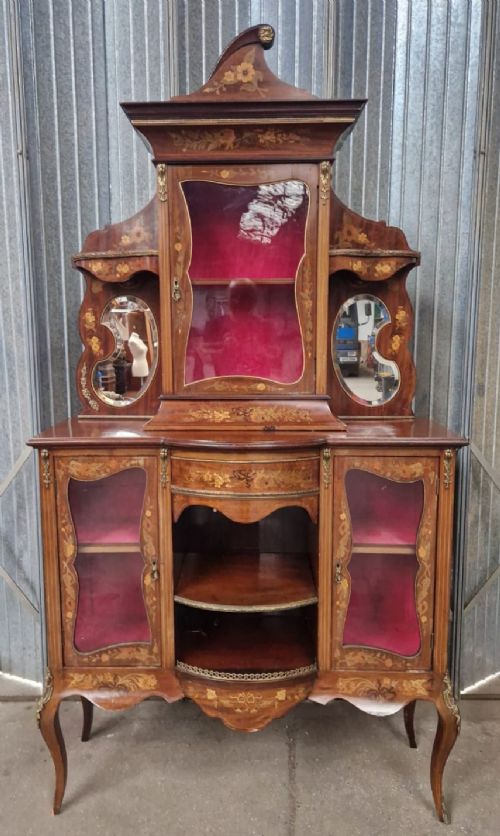
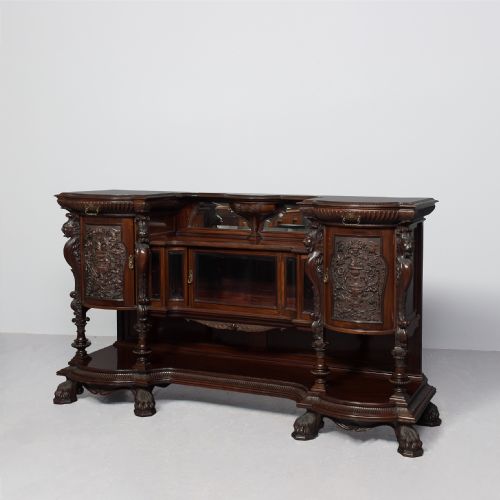
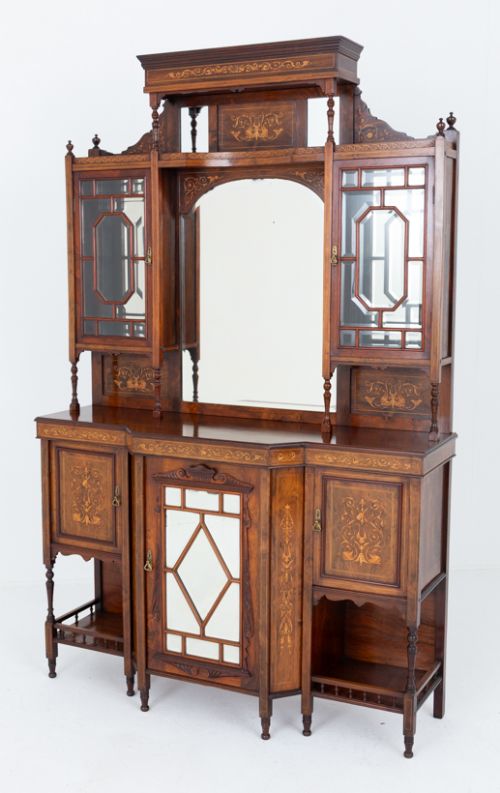
The version most commonly met on this page is the mid to late nineteenth-century mahogany or rosewood cabinet, often featuring glazed doors and intricate marquetry inlay. These pieces frequently incorporate mirror backs or open display sections, reflecting the changing interior tastes of the Victorian era.
Originating as lower sideboards, these hybrid cabinets evolved to accommodate the Victorian desire for displaying porcelain and decorative items behind glass. They sit comfortably in dining rooms or drawing rooms, providing practical enclosed storage alongside visible display space.
Materials and Construction
Cabinet makers utilised dense hardwoods such as mahogany, rosewood, and burr walnut as the primary structural and visual foundations for these cabinets. These timbers were selected for their rich grain patterns and durability, often enhanced through French polishing.
Decorative surfaces frequently employed satinwood inlay, marquetry, and ormolu mounts to create contrast and visual depth against the darker background timbers. Glass panes were fitted into timber doors to protect the contents while maintaining visibility.
Structural elements incorporated brass hardware and fitted mirror glass within carved wooden backboards, particularly in late nineteenth-century examples. The joinery relied on traditional methods to support heavy glazed doors and marble or timber top surfaces.
Victorian Glazed Chiffonier Retail Price Guide 2026
Typical asking prices for victorian glazed chiffonier among the pieces listed under this phrase on Sellingantiques today, from the lower quarter to the upper quarter. They describe what is for sale here now, not the wider market.
Some Victorian owners stored their secret diaries behind glazed doors, hoping guests would admire the china instead.
Factors Defining Quality
The refinement of the timber selection and the complexity of the marquetry or satinwood inlay set the superior examples apart from standard production pieces. Finer cabinets display meticulous hand-cut veneers and sophisticated grain matching across the doors and panels.
The architectural ambition of the piece, such as the inclusion of carved mirror backs, ormolu mounts, or intricate glazing bars, dictates the upper tier of quality. Subtleties in proportion and the crispness of the wood carving distinguish workshop output from mass production.
Gillows·Edwards and Roberts·Howard and Sons·James Plunckett
The Victorian Glazed Chiffonier Glossary
- Chiffonier
- A low sideboard or cabinet, typically featuring cupboards below and sometimes shelving or a mirror above. It evolved from simpler sideboards to become a versatile piece for the Victorian parlour.
- Marquetry
- Decorative woodwork where pieces of veneer are fitted into a ground material to form intricate designs. This technique frequently employs contrasting timbers to create floral or geometric patterns on cabinet doors.
- Ormolu
- Gilt bronze mounts used as decorative highlights on furniture during the nineteenth century. These metal details add metallic contrast to dark woods like rosewood and mahogany.
- Burr Walnut
- Timber taken from the wart-like growths on walnut trees, prized for its swirling and highly figured grain patterns. It was commonly used for the principal decorative surfaces of high-status cabinets.
- Satinwood Inlay
- Contrasting pale yellowish wood inserted into darker cabinet surfaces to form decorative borders or motifs. This technique brightened the façade of late nineteenth-century sideboards.
Victorian Glazed Chiffonier: Frequently Asked Questions
Where should I place a chiffonier?
These cabinets suit dining rooms, living spaces, or hallways where their display shelving and enclosed lower cupboards can be fully appreciated. Their shallow depth allows them to sit comfortably against walls without dominating the room.
Ensure the piece is placed away from direct sunlight to protect antique rosewood or mahogany veneers from fading over time.
How do I clean the glass and wood?
Use a soft, dry cloth to remove dust from timber surfaces, avoiding modern silicone-based polishes that can damage antique French polish. Traditional beeswax applied sparingly helps nourish the grain.
Clean the glass panels with a mild glass cleaner sprayed onto a cloth rather than directly onto the glass, preventing liquid seepage into the surrounding wooden frame.
Can these cabinets hold heavy books?
Many of these pieces feature sturdy timber shelving designed to support collections of books or heavy ceramics. However, it is wise to check the thickness and support of individual interior shelves before loading them heavily.
Adjustable shelving systems found in some later Victorian bookcases allow you to customise shelf heights for varied volumes.
How do I distinguish mid Victorian from late Victorian pieces?
Mid-nineteenth-century examples often lean towards simpler architectural lines in solid mahogany or rosewood, reflecting earlier Regency influences. They typically prioritise rich timber grains over excessive surface decoration.
Late Victorian cabinets frequently incorporate lighter satinwood inlay, marquetry, and elaborate mirror backs, reflecting the Aesthetic Movement and Sheraton Revival trends of the final decades of the century.