

Victorian Glass Wine Decanter
When you search for a victorian glass wine decanter, you are looking at nineteenth-century vessels designed to hold and pour wine at the dining table.
Victorian Glass Wine Decanter
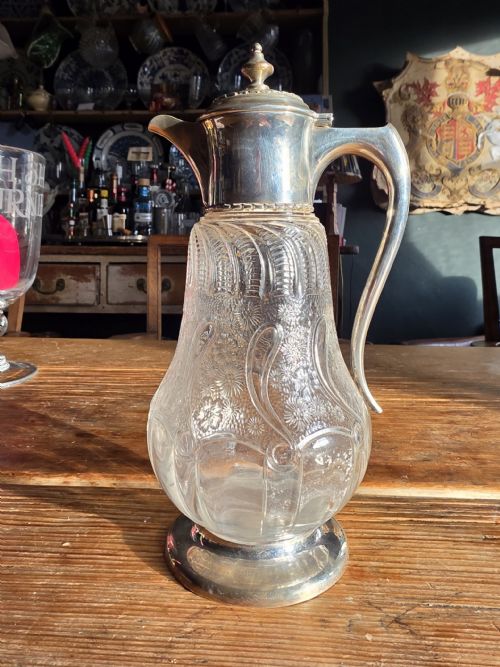
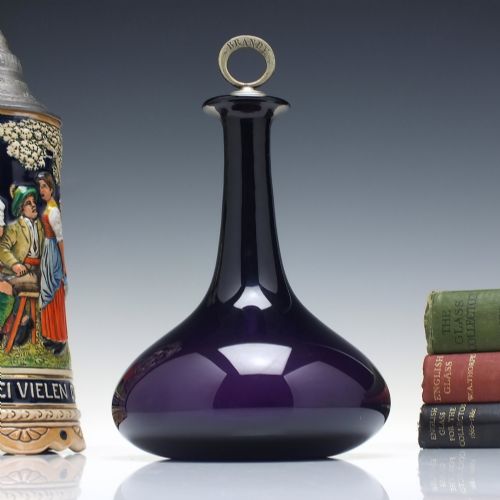
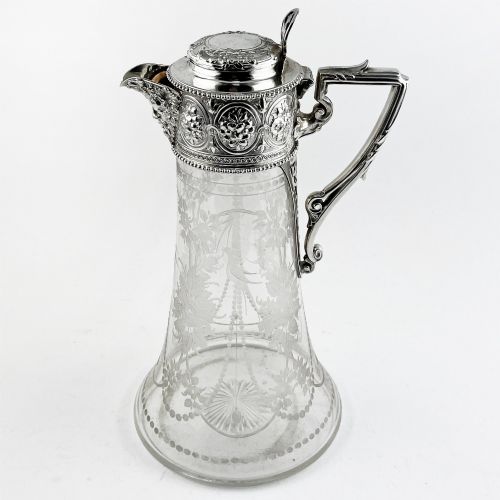
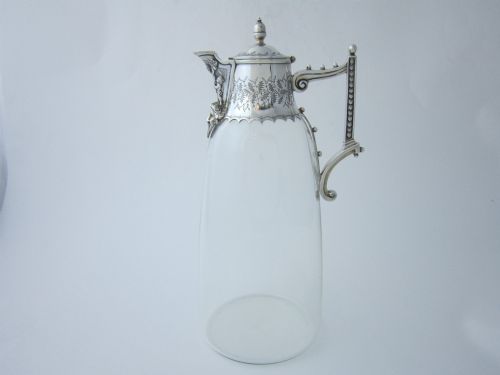
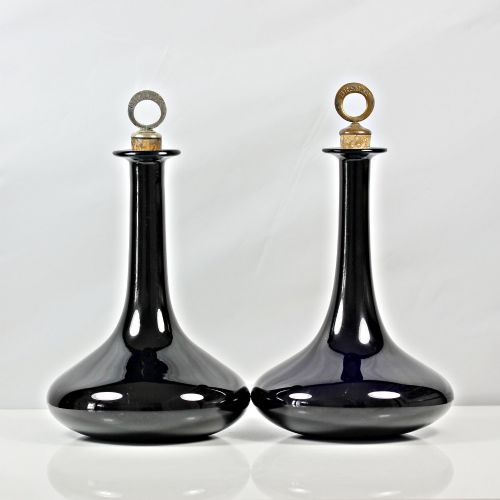
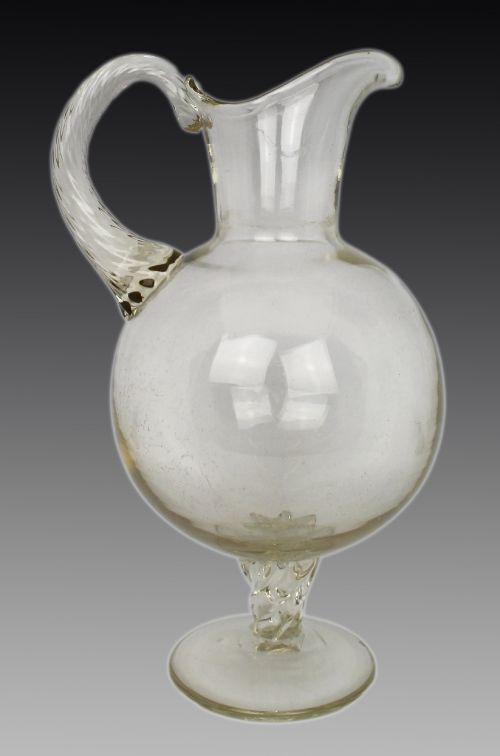
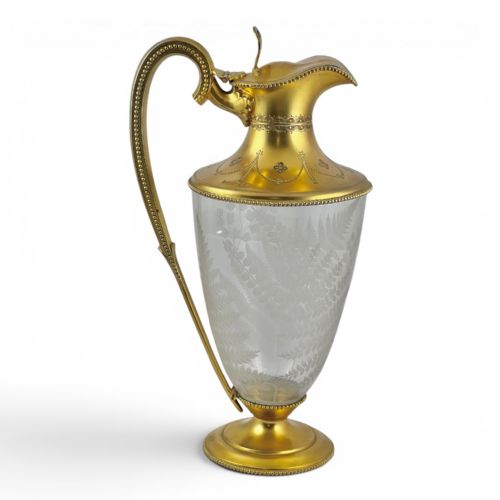
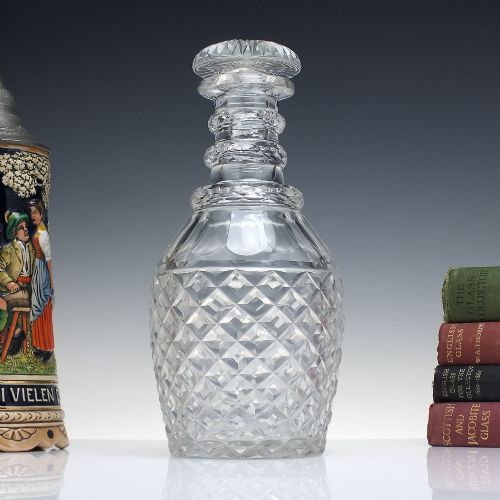
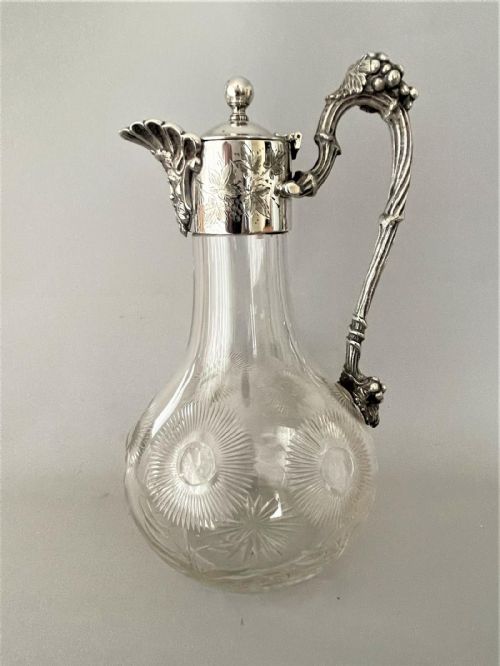
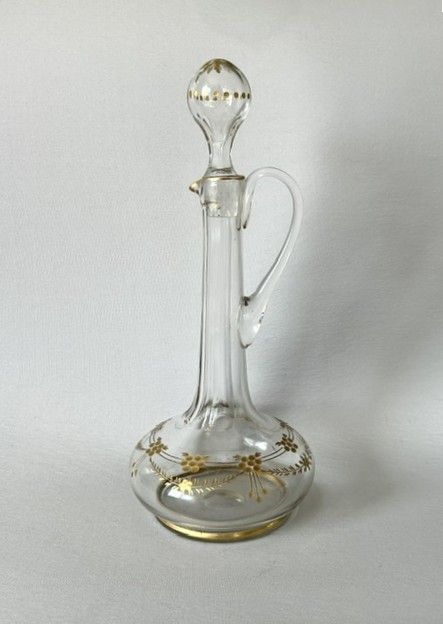
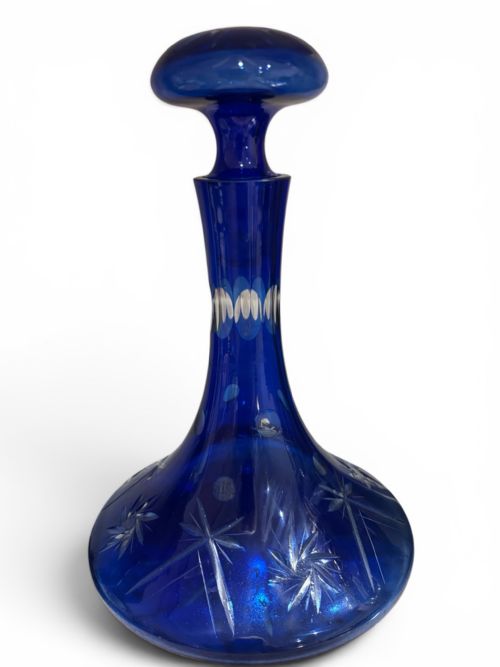
A victorian glass wine decanter encompasses functional serving vessels from the nineteenth century, ranging from plain clear glass bottles to richly coloured vessels fitted with metal mounts. The forms recorded here include traditional decanters, claret jugs, carafes, ewers and serving bottles.
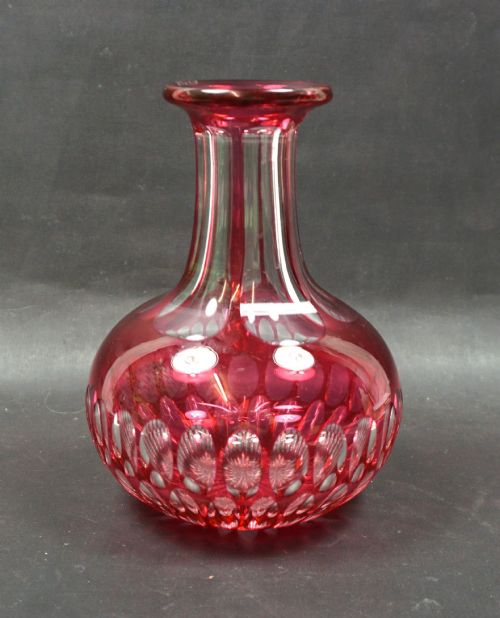
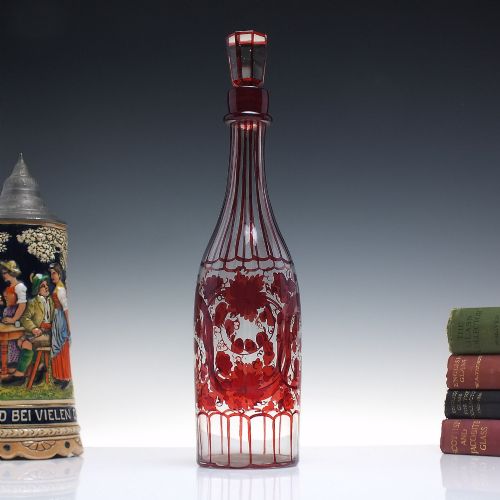
The most common versions met on this page date from the middle to the late decades of the nineteenth century. These pieces reflect diverse aesthetics, spanning standard cut glass through to coloured overlay glass and painted decoration.
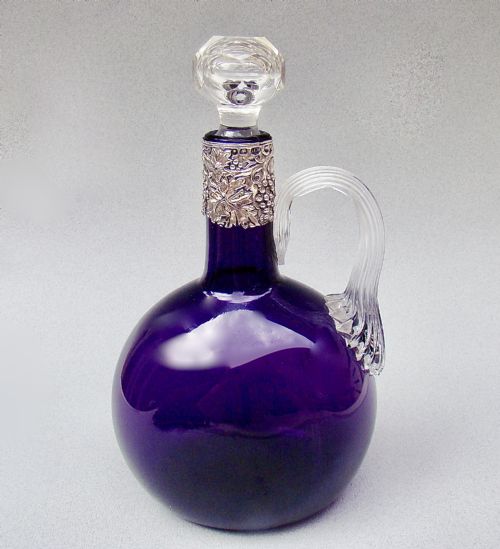
Makers and origins vary across English and continental workshops, with Bohemian production appearing alongside domestic output. Buyers encounter both standalone glass bottles and examples augmented with silver-plated or sterling silver collars, handles and pours.
How they were made
Glass production relied on hand-blowing and moulding techniques, often incorporating lead crystal for added weight and brilliance. Artisans shaped clear metal or combined layers of coloured glass, such as cranberry, green, blue or amethyst, over a clear crystal core.
Decoration was achieved through deep cutting, wheel engraving, hand-painting, enamelling and optical blowing. Many vessels received metal mounts cast in silver plate or sterling silver, secured around the neck and incorporating integrated handles and hinged lids.
Listings feature items spanning the nineteenth century, utilising clear glass, crystal, sterling silver, silver plate and coloured glass such as cranberry and amethyst.
What varies in quality
Quality rests in the crispness of the glass cutting and the weight of the metal mounts. Pieces featuring deep wheel-engraved motifs or precise overlay casing demonstrate greater skill than plain moulded alternatives.
The integration between the glass body and any metal mounts dictates the refinement of the piece. Substantial silver work, particularly items bearing hallmarks from recognised silversmiths, elevates the standing of the vessel.
Asprey and Co. Ltd·Henry Matthews·James Powell·Stevens and Williams
The Victorian Glass Wine Decanter Glossary
- Claret jug
- A specialised pouring vessel with a handle and spout, typically utilised for serving red wine.
- Cranberry glass
- Transparent pinkish-red glass coloured with gold chloride, popular during the nineteenth century.
- Overlay glass
- A technique where a layer of coloured glass is fused over a clear glass body and partially cut away to reveal the contrasting colour beneath.
- Silver plate
- A base metal coated with a thin layer of silver, frequently utilised for nineteenth-century mounts and handles.
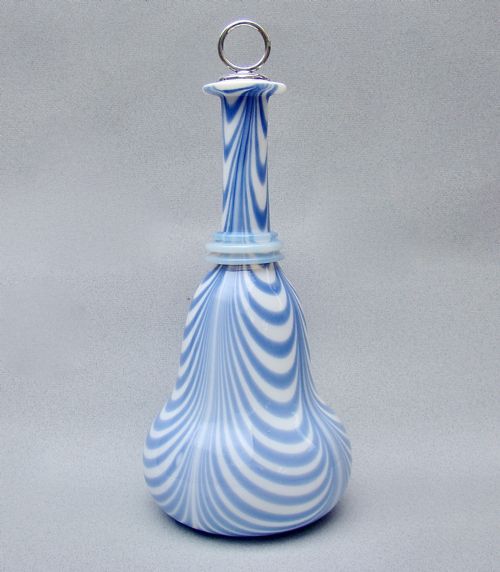
- Nailsea glass
- Glassware characterised by looped or combed coloured trails within the metal, associated with nineteenth-century production.
- Ewer
- A large jug with a wide spout and a curved handle, functioning as a decorative serving vessel.
Victorian Glass Wine Decanter: Frequently Asked Questions
How do I clean an old decanter?
Residue inside can be removed by filling the vessel with warm water and specialised cleaning beads, swirling gently without abrasive tools.
Metal mounts require careful polishing with a soft cloth to avoid transferring cleaning agents onto the glass surface.
Were these used only for wine?
While primarily designed for wine and claret at the nineteenth-century dining table, similar vessels also served spirits such as whisky.
Smaller carafes and serving bottles accommodated water or cordials depending on the setting and the preference of the household.
Can I use these for daily dining?
These nineteenth-century vessels remain robust enough for regular use, provided they are handled with care during washing and pouring.
Hand washing in lukewarm water is essential, as thermal shock from hot water or dishwashers can crack aged glass.
How do I distinguish periods?
Early examples often display heavier lead crystal with simpler cutting, whereas late nineteenth-century pieces frequently embrace coloured overlay or delicate enamel painting.
Silver mounts bearing dated hallmarks provide a precise year of manufacture for pieces fitted with metalwork.