


19th Century French Glass
Discover exquisite 19th century french glass pieces, ranging from delicate hand-painted trinket boxes to monumental apothecary jars, prized for their rich colour and craftsmanship.
19th Century French Glass
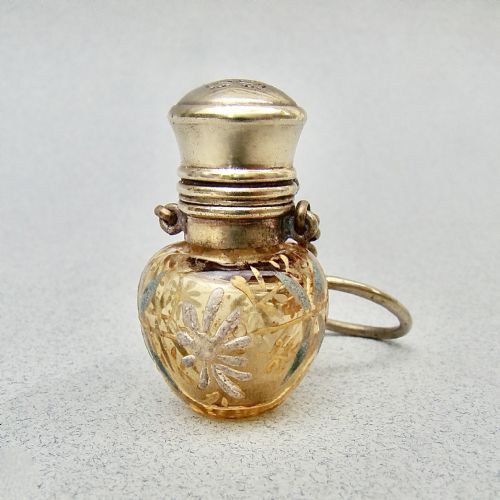
When exploring 19th century french glass, collectors encounter a diverse array of decorative and functional objects designed for the refined interiors of the period. The selection frequently includes vibrant trinket boxes, apothecary jars, scent bottles, and drinking glasses originating from prominent houses.
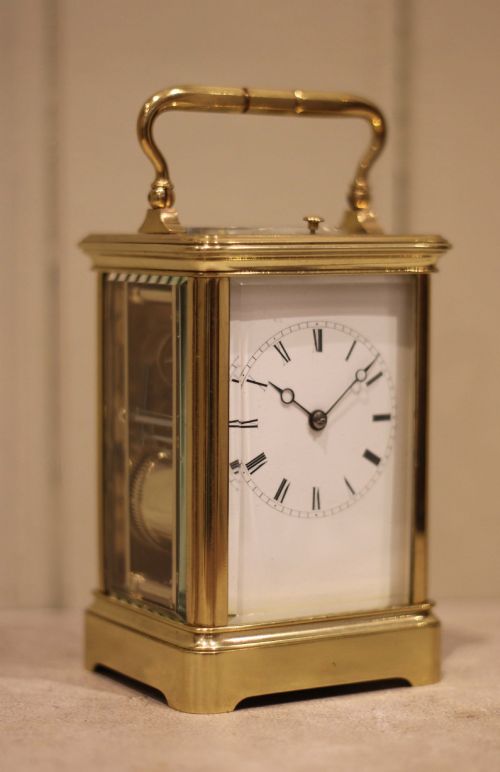
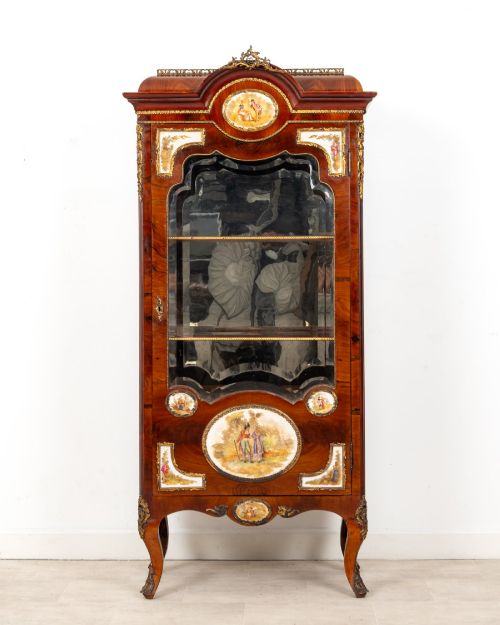
Many of these surviving items reflect the shifting aesthetic movements of the era, moving from simple opaline vessels to richly enamelled or etched decorative glass. Buyers often find pieces finished with fine metal mounts or integrated into larger display items such as cabinets and clocks.
How They Were Made
The creation of these items relied heavily on traditional glassblowing techniques, often complemented by hand-carving, acid-etching, and meticulous enamelling. Workshops utilised specialist colourants to produce distinctive hues like cobalt blue, uranium green, cranberry, and opaque opaline.
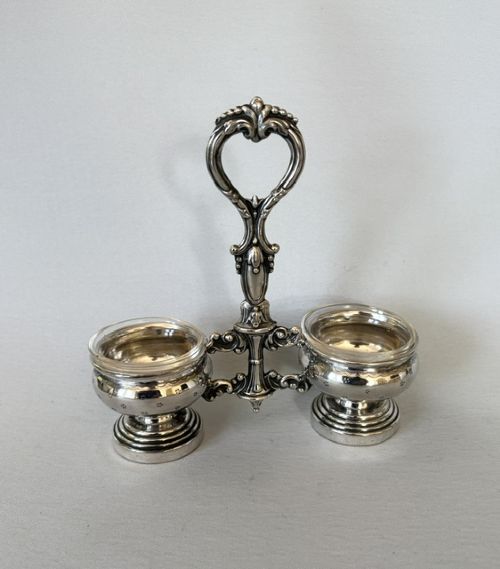
Metal components such as silver, ormolu, and gilt mountings were frequently paired with the glass bodies to enhance their decorative appeal and structural durability.
Some apothecary jars still retain their original gilded labels, hinting at nineteenth-century shelves filled with mysterious herbal remedies.
What Varies in Quality
Quality in these pieces is dictated by the precision of the glassblowing, the clarity of the material, and the execution of any surface decoration or enamelling. Items featuring crisp hand-painted details or complex acid-etched overlays stand apart from simpler production ware.
The integration of secondary materials also influences the piece, with finely cast ormolu mounts and authentic silver fittings marking out the superior examples in any collection.
Gabriel Viardot
The 19th Century French Glass Glossary
- Opaline glass
- An opaque or semi-translucent glass, often produced in pastel shades such as turquoise, white, or rose, highly popular during the nineteenth century for decorative vases and scent bottles.
- Mary Gregory glass
- Glassware decorated with silhouetted white enamel figures, typically depicting children playing amidst foliage, most commonly found on green, blue, or cranberry backgrounds.
- Ormolu
- Gilded bronze applications used widely during the period to mount and accent glass trinket boxes, scent flasks, and decorative furnishings.
- Apothecary jar
- A functional vessel utilised for storing medicinal substances, often distinguished by applied gilt labels or etched glass markers.
- Baccarat
- A renowned French manufacturing name associated with high-quality crystal production, frequently seen in fine wine glasses and tableware from the era.
19th Century French Glass: Frequently Asked Questions
What are 19th century french glass pieces?
These items encompass decorative and functional vessels created in France during the 1800s, including scent bottles, trinket boxes, apothecary jars, and glassware.
They reflect the artistic styles of the period, utilising rich colours and detailed enamelling.
How were they used originally?
Many served practical purposes on dressing tables or in pharmacies, containing perfumes, cosmetics, or medicines.
Others functioned purely as decorative objects or luxury tableware for wealthy households.
How do I care for antique glass?
Keep pieces out of direct sunlight to prevent any fading of enamelled decorations or coloured glass surfaces.
Clean them gently with a soft, dry cloth and avoid harsh chemical immersion.
How can I tell periods apart?
Earlier items often feature simple opaline or plain glass forms, while pieces from later decades frequently display complex acid-etching, overlays, or Mary Gregory style enamel work.
Associated metal mounts and hallmarks also help narrow down the production date.