
Victorian Glass Light Shades
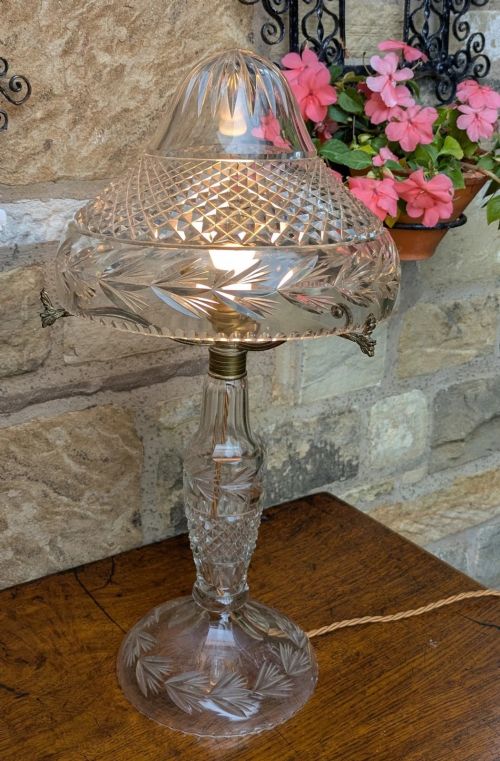
Victorian glass light shades bring warmth and diffuse illumination into a room, coming in cranberry, opaline and cut glass.
Victorian Glass Light Shades
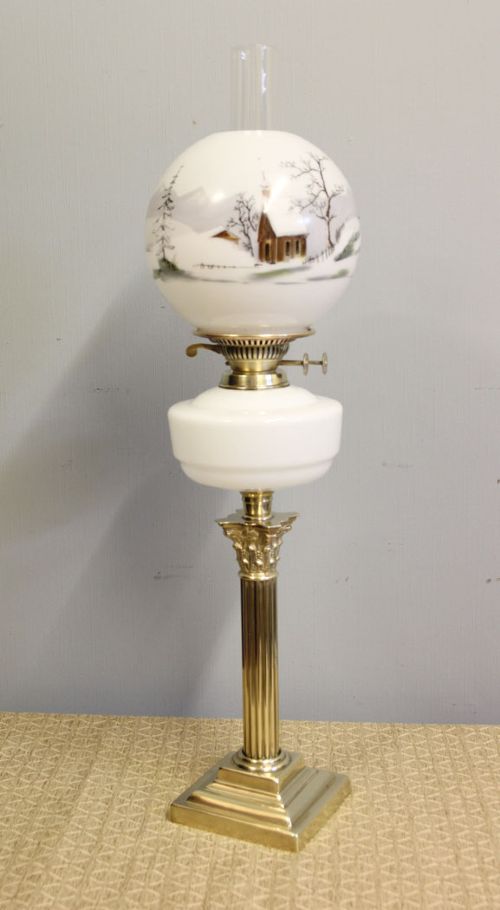
When you search for victorian glass light shades, you encounter functional components made to diffuse light for oil lamps, gasoliers and pendant fixtures. These pieces originate predominantly from the 19th Century and the Edwardian era, reflecting the domestic lighting technology of the period.
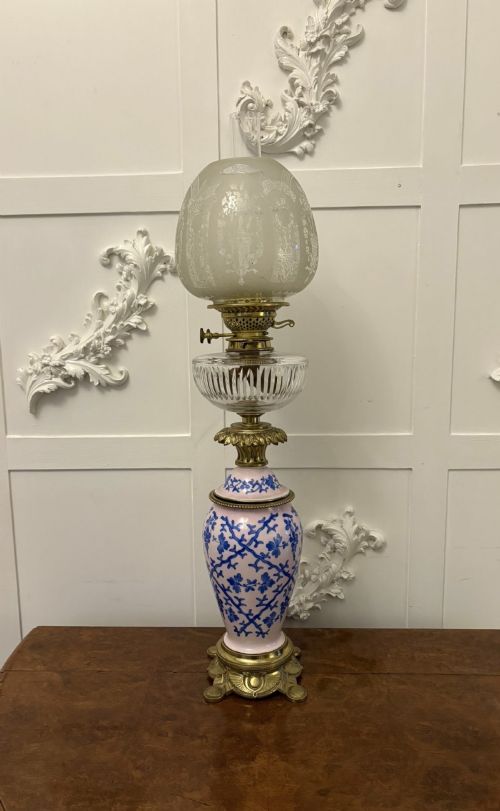
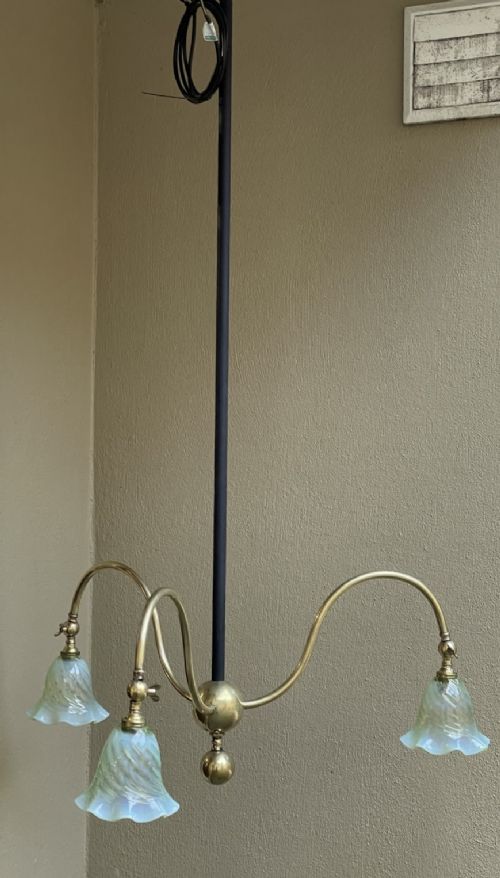
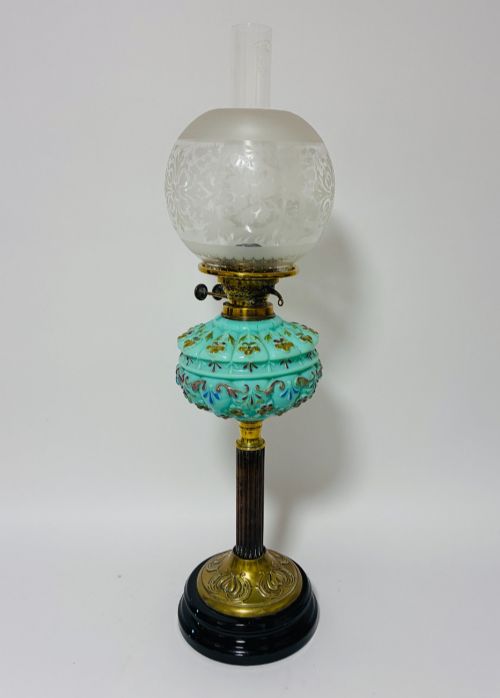
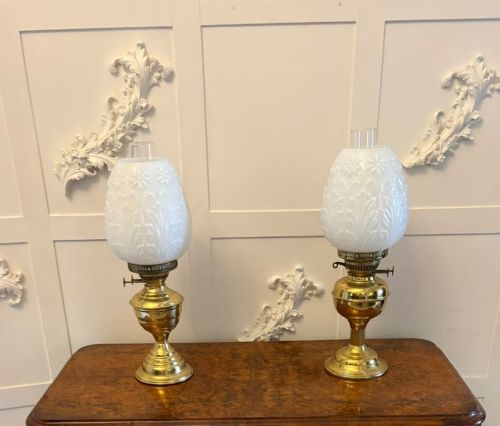
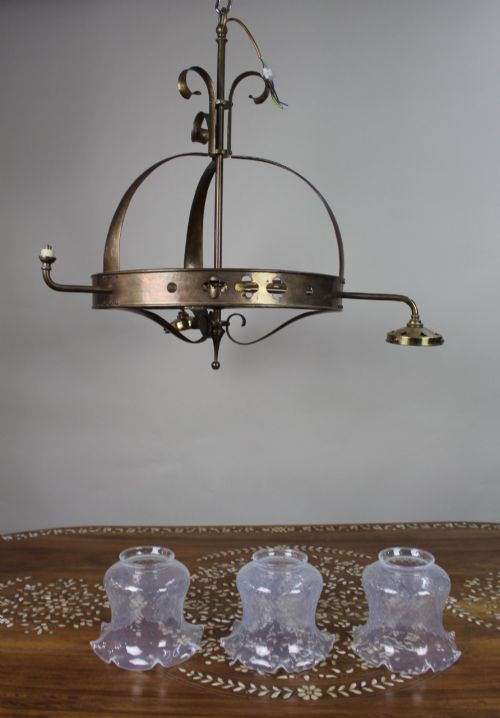
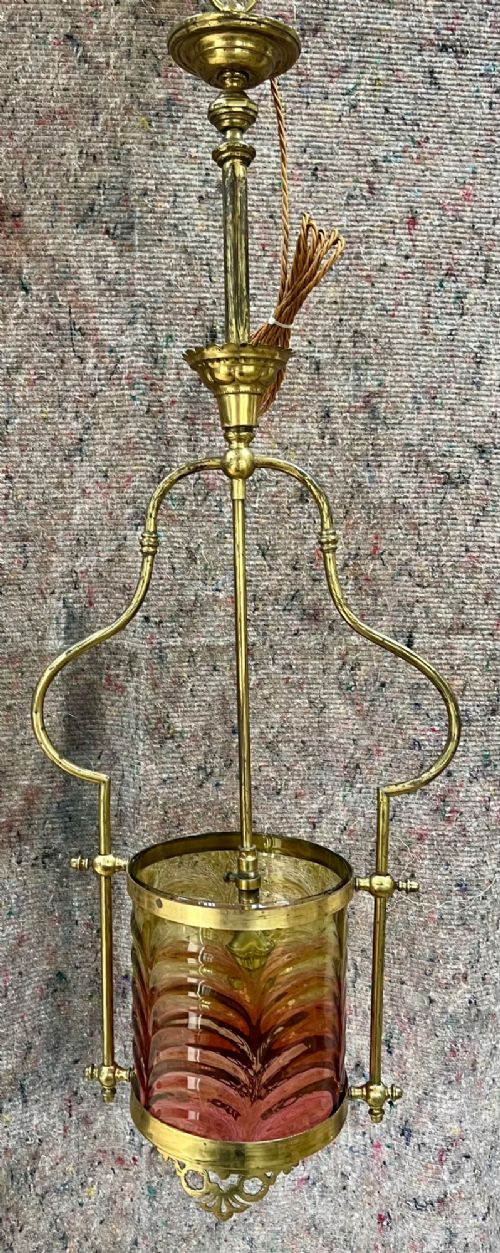
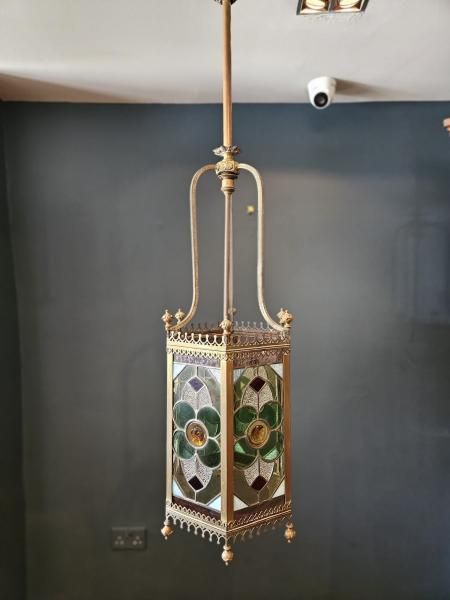
The versions most commonly met on this page include oil lamp shades, gasolier shades and ceiling light fittings. They appear frequently paired with brass columns or ceramic fonts, representing the standard interior hardware of Victorian homes.
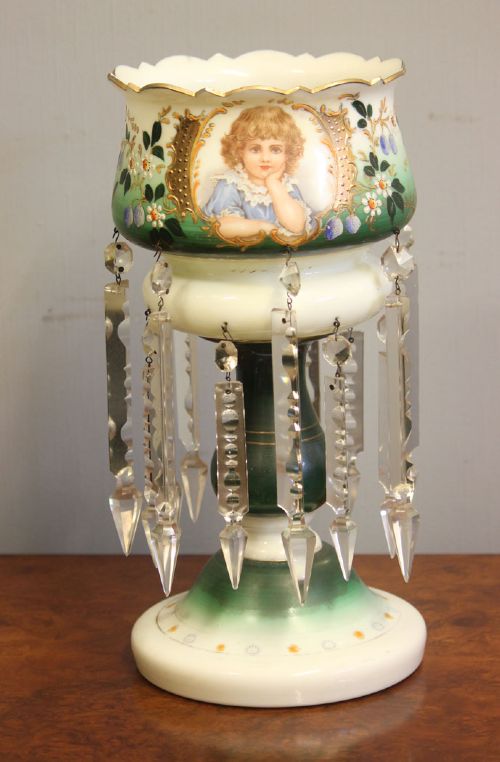
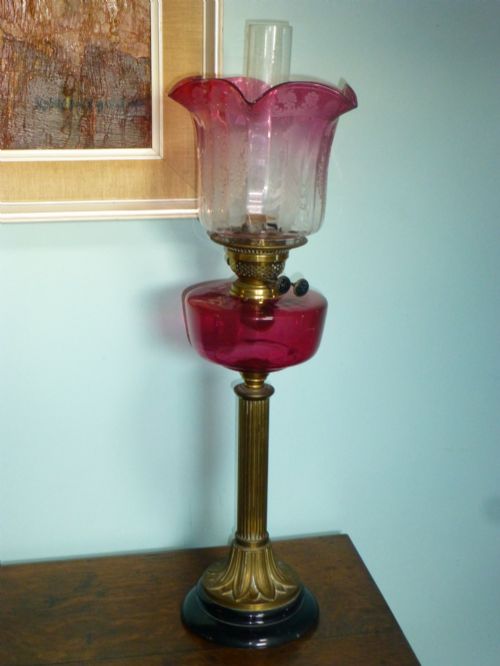
Makers and designers of the period utilised various specialised glass types to achieve specific lighting effects, ranging from soft translucent opaline to rich crimson cranberry. These items served both practical domestic illumination and decorative interior display.
What varies in quality
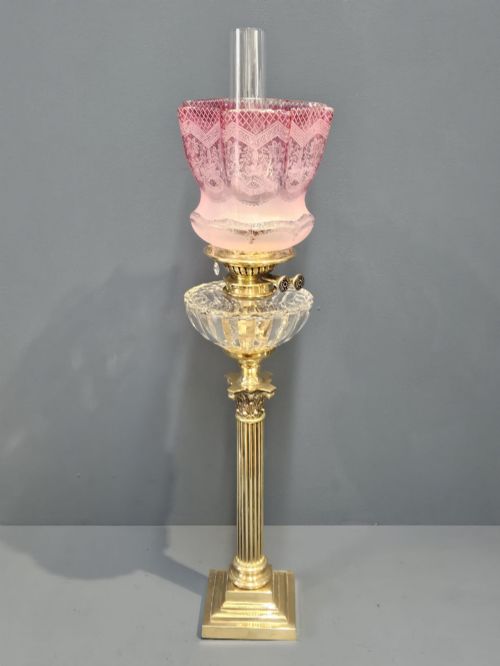
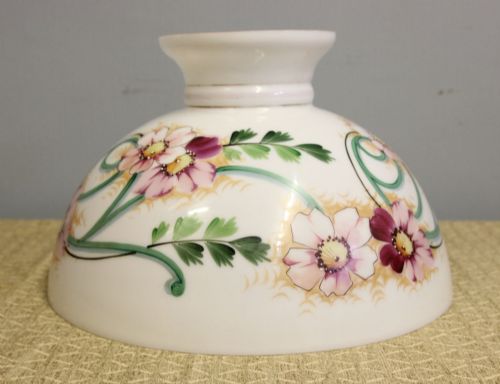
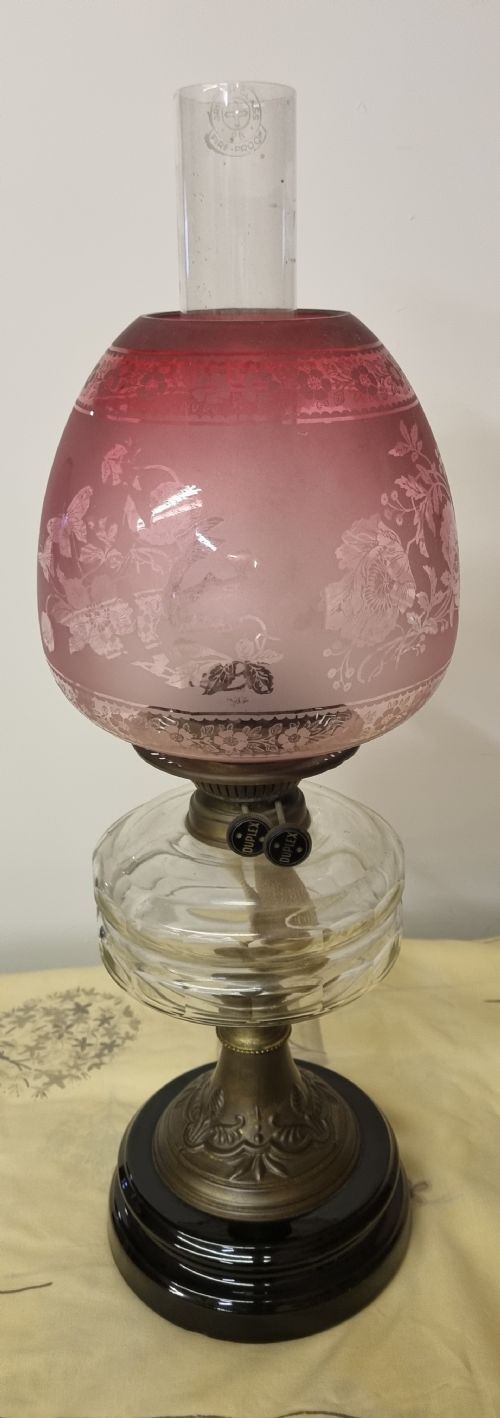
The distinction between standard domestic lighting and finer examples rests on the depth of colour in the glass and the precision of any hand-painted or etched decoration. Cranberry glass with rich saturation and crisp hand-etched tulip or floral motifs represents a higher standard of manufacture.
Structural heft and the quality of the associated brass or ceramic mounts also differentiate the items. Heavier cast brass columns, intricate metal leaf designs and robust glass wall thickness indicate superior workshop output compared to simpler, mass-produced utility wares.
The listings show glass, brass and ceramic as the primary materials, spanning the Victorian and Edwardian periods.
Hinks·Taylor Tunnicliff·Sitzendorf
The Victorian Glass Light Shades Glossary
- Cranberry glass
- A rich red or pink transparent glass coloured by the addition of gold chloride during the melting process. It is frequently seen on Victorian oil lamp shades.
- Opaline glass
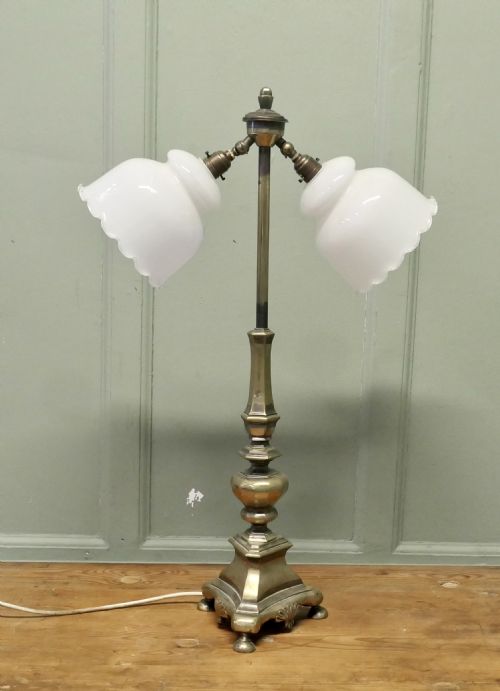
- A pale, translucent white glass that diffuses light softly without total opacity. It was widely utilised for gasolier and oil lamp shades.
- Gasolier
- A multi-branched ceiling light fixture designed to burn coal gas rather than oil. These fixtures often carried moulded or etched glass shades.
- Vaseline glass
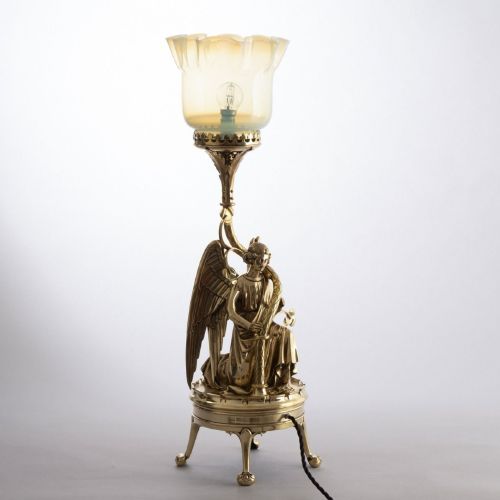
- A yellow-green transparent glass containing uranium dioxide that glows under ultraviolet light. It appears in Gothic Revival and late Victorian lamps.
- Duplex burner
- A specific double-wick mechanism found on larger Victorian oil lamps. It required wider shades to accommodate the increased flame spread and heat.
Victorian Glass Light Shades: Frequently Asked Questions
How do I fit an antique shade?
Antique shades usually require a matching fitter gallery on the lamp or gasolier, measured across the narrowest part of the base ring.
Matching the shade fitter diameter to your existing brass gallery ensures the glass sits securely without wobbling.
Were these shades used for gas or oil?
Both fuel types utilised these glass shades, with oil lamps and gasoliers sharing similar globe and tulip shade forms during the Victorian period.
Gasolier shades tended to have slightly wider fitter necks to mount onto gas rings rather than traditional oil lamp collars.
How do I clean old glass shades?
Warm water and mild soap are sufficient for removing decades of dust and soot from the interior and exterior surfaces of the glass.
Avoid submerging hand-painted or gilded sections for prolonged periods to protect the delicate surface decoration from deterioration.
Can I use modern bulbs with them?
Low-wattage modern LED bulbs that emit minimal heat are suitable for preserving antique glass and preventing thermal shock.
Checking that the bulb wattage matches the historical tolerance of the shade prevents cracking in fragile nineteenth-century glass.