

Victorian Glass Light Fixture
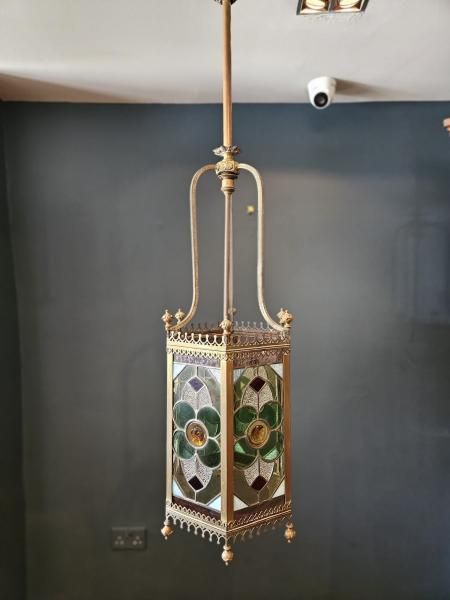
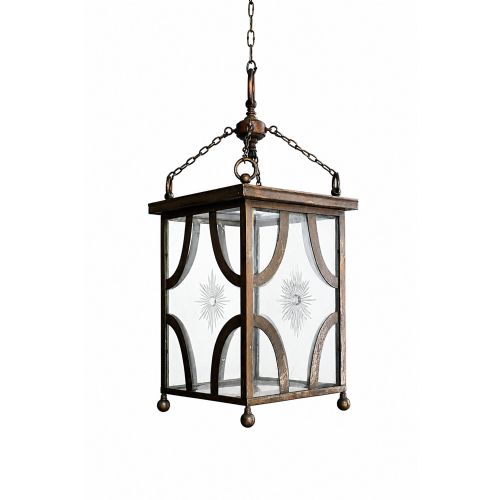
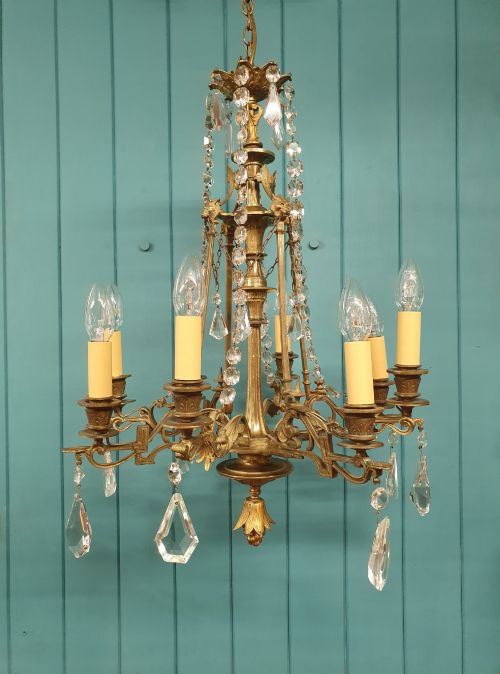
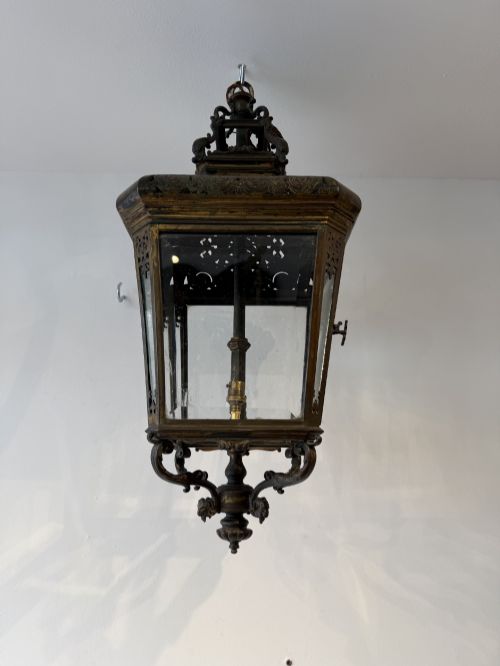
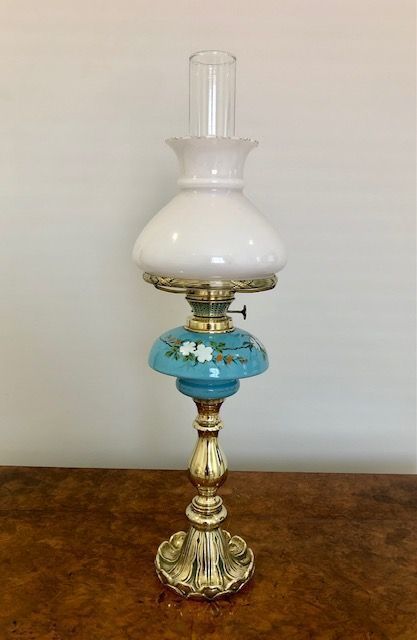
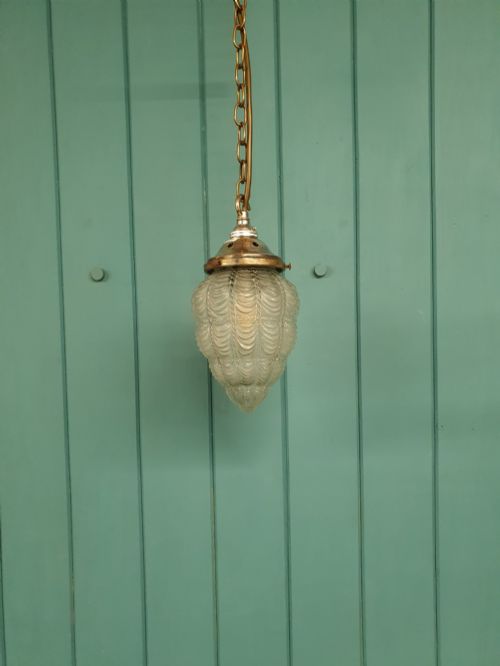
A victorian glass light fixture brings genuine period character and warm illumination to any hallway or principal room.
Victorian Glass Light Fixture
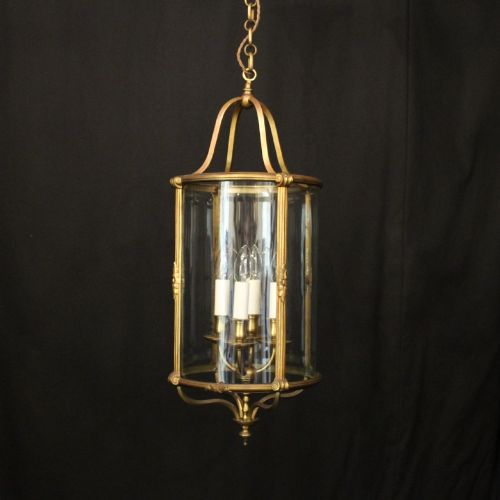
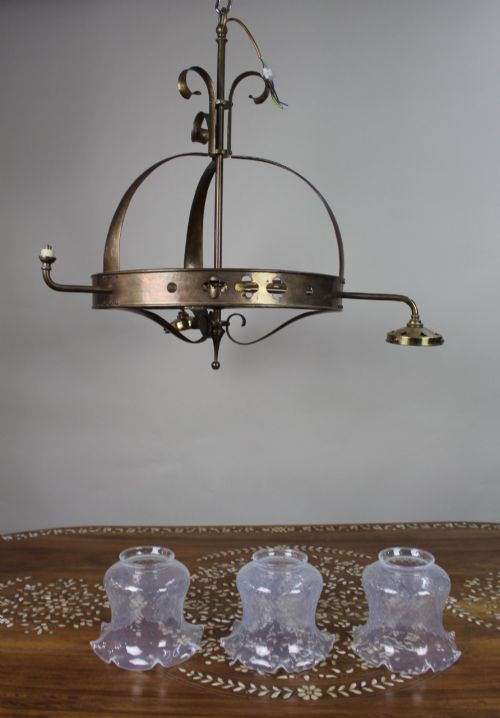
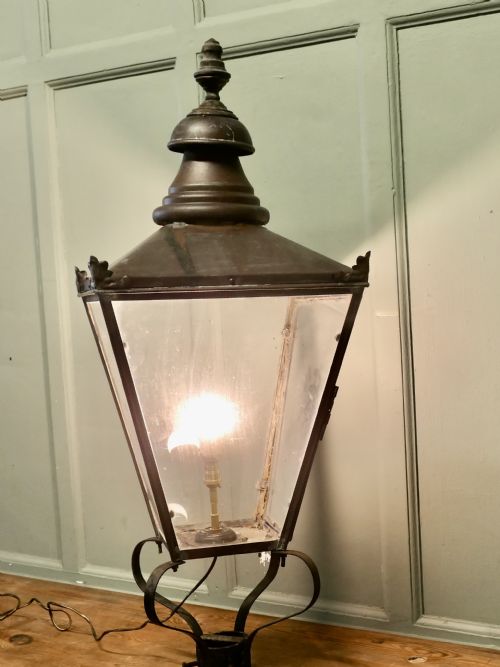
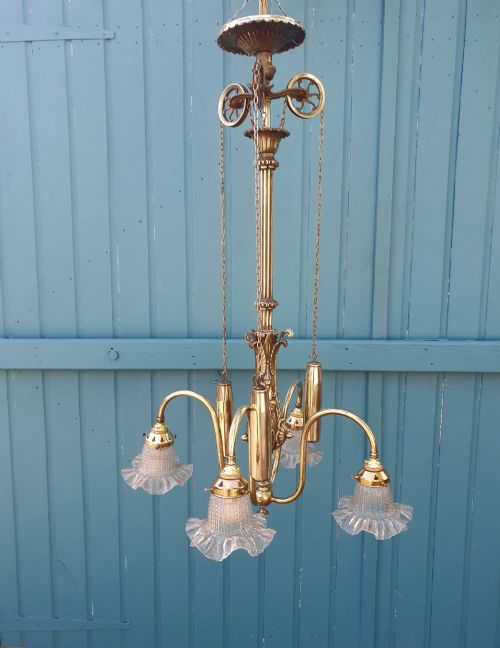
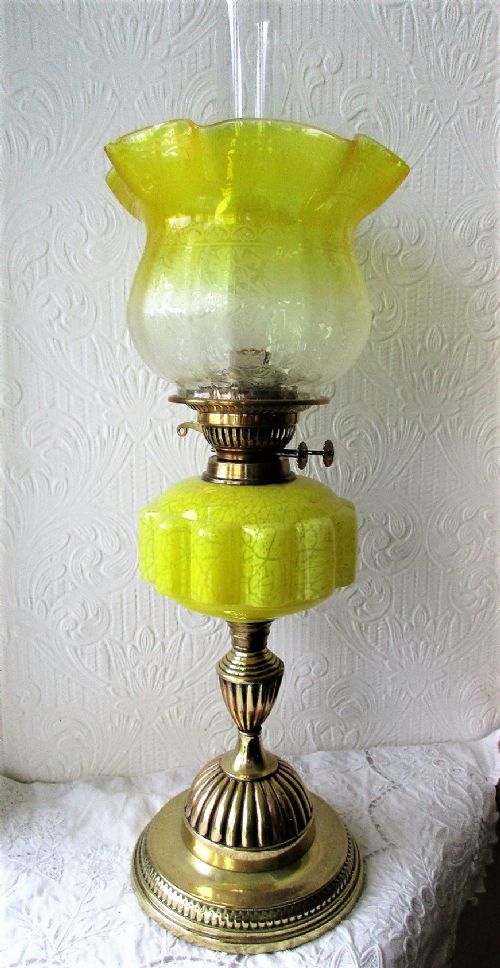
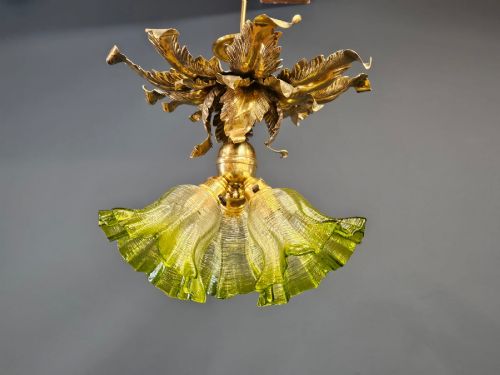
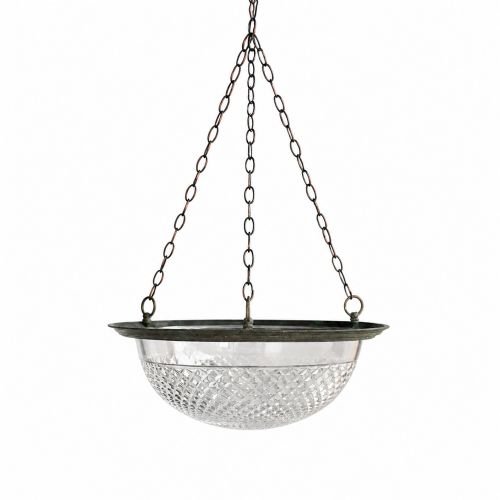
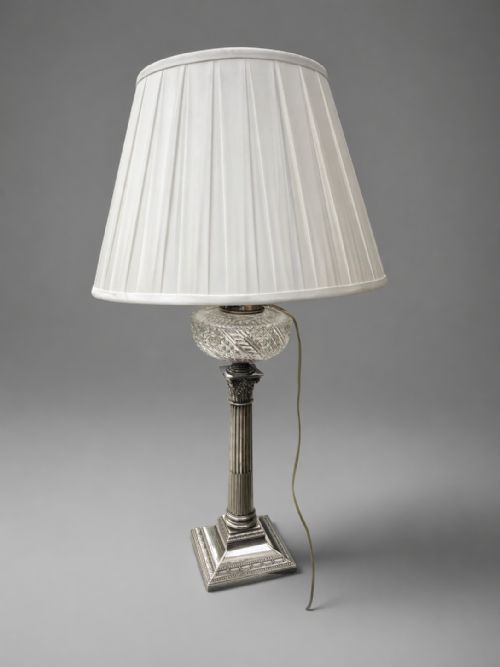
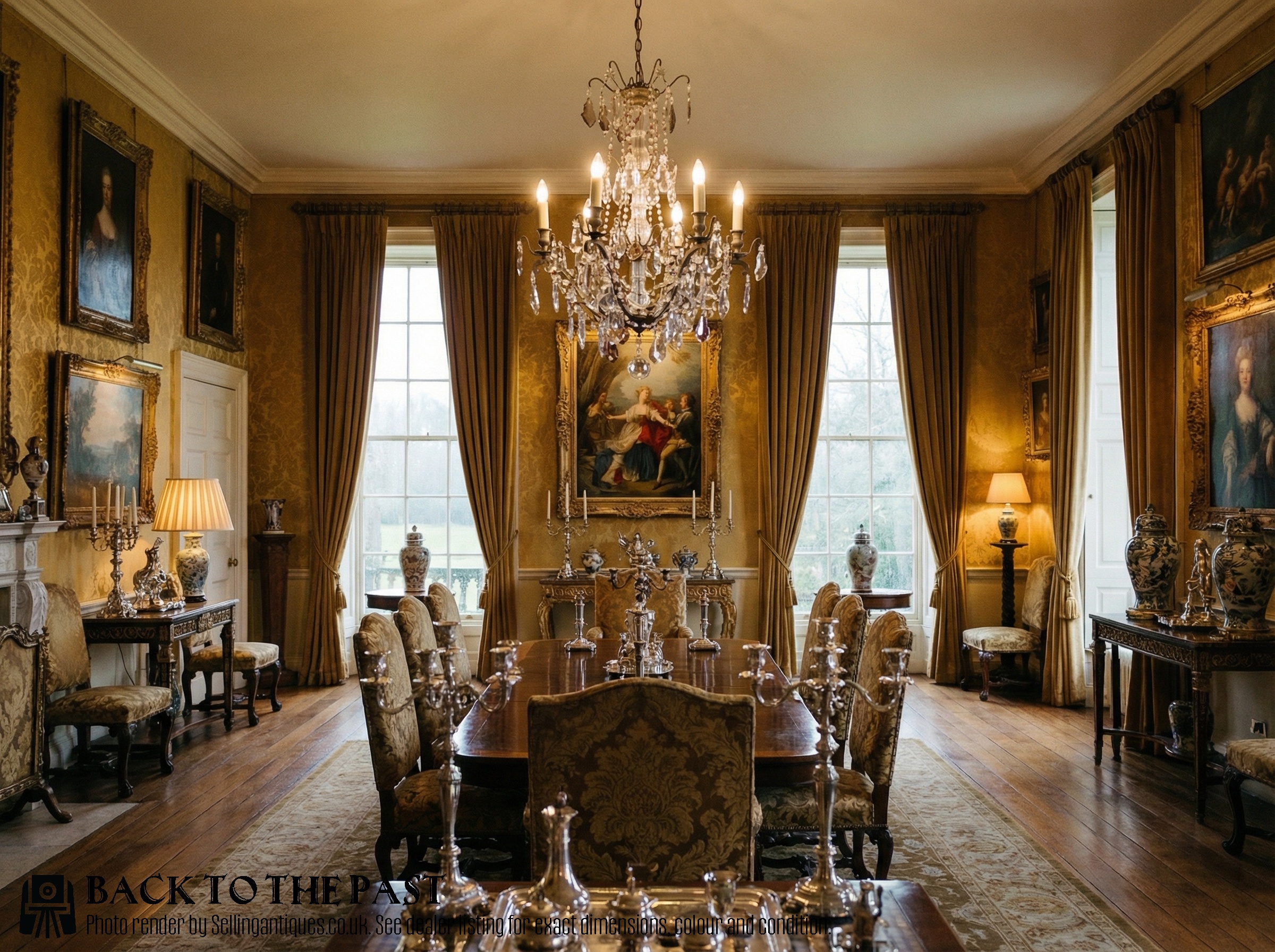
When you search for a victorian glass light fixture, you encounter a diverse array of hanging lanterns, oil lamps converted to electricity, and multi-armed chandeliers. The selections span the nineteenth century and into the early twentieth century, showing influences from Gothic Revival to French Chateau styles.
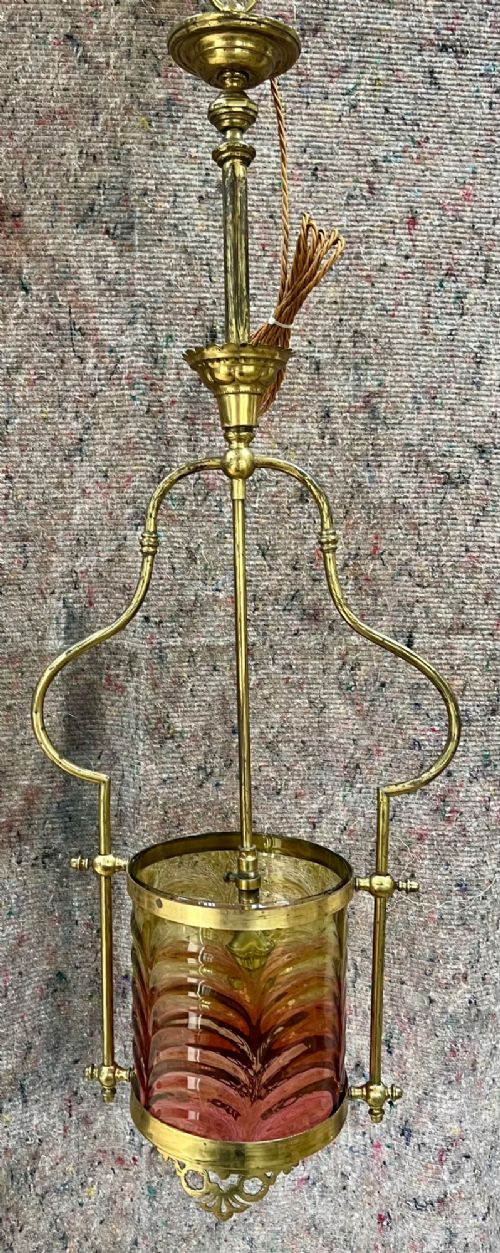
The most common formats on this page are brass and glass ceiling lights, hall lanterns, and oil lamps utilising cut or coloured glass. These objects combine utilitarian beginnings with decorative artistry, originating from English and continental workshops.
Materials and construction
Maker workshops built these fixtures primarily from cast or spun brass, copper, and bronze combined with blown, pressed, or cut glass elements. Wrought iron and ceramics also appear in structural mounts and bases.
Shades and vessels utilise opaline, ruby, etched, and crystal glass, shaped through blowing or moulding and occasionally finished with leaded framing or gilt bronze mounts.
Cast iron wall lights styled like miniature castles bring an unexpected fortress aesthetic directly into domestic hallways.
Judgments of quality
Quality rests upon the weight of the metal framework, the crispness of casting details like lion masks or leaf designs, and the clarity or depth of the glass shades. Heavier gauge brass and hand-cut crystal separate standard utility lighting from superior pieces.
The integrity of original components, such as matching shades, coloured glass panels, and signed bronze mounts by known makers, elevates the standing of an individual fixture.
Perry And Co·Pugin
The Victorian Glass Light Fixture Glossary
- Gasolier
- A light fixture designed to burn coal gas, typically featuring multiple arms and brass construction before later conversion to electricity.
- Opaline glass
- An opaque or translucent pale glass used widely for diffusing light softly in nineteenth-century shades and globes.
- Plafonnier
- A ceiling light fitted close to the surface, often taking the form of a shallow glass bowl held in a metal mount.
- Rise and fall
- A mechanical pulley system allowing the hanging height of a pendant light or chandelier to be adjusted by the user.
Victorian Glass Light Fixture: Frequently Asked Questions
How do I install an antique glass light?
These fixtures require professional rewiring to meet modern electrical safety standards before mounting to a ceiling joist or wall anchor.
Heavier bronze and iron lanterns need secure structural fixings rather than standard plasterboard fixings to bear the weight safely.
Were these fixtures originally electric?
Most pieces from the nineteenth century burned oil, gas, or candles before being adapted for electric bulbs in subsequent decades.
Converting them for modern use preserves the original metalwork and glass shades while providing functional illumination.
How do I clean antique glass shades?
Remove the glass components carefully from their brass or bronze mounts and wash them in warm soapy water using a soft cloth.
Avoid harsh chemical cleaners on etched, painted, or opaline surfaces to protect the historical finish from damage.
How can I tell a Victorian light from a later copy?
Examine the construction methods, screw threads, and patination on the brass or copper components for signs of genuine age.
Period pieces display hand-finished details and minor casting irregularities that differentiate them from modern reproductions.