
Classic Glass Lighting
Classic glass lighting delivers genuine period atmosphere, spanning grand chandeliers and practical lamps in brass, crystal, and opaline.
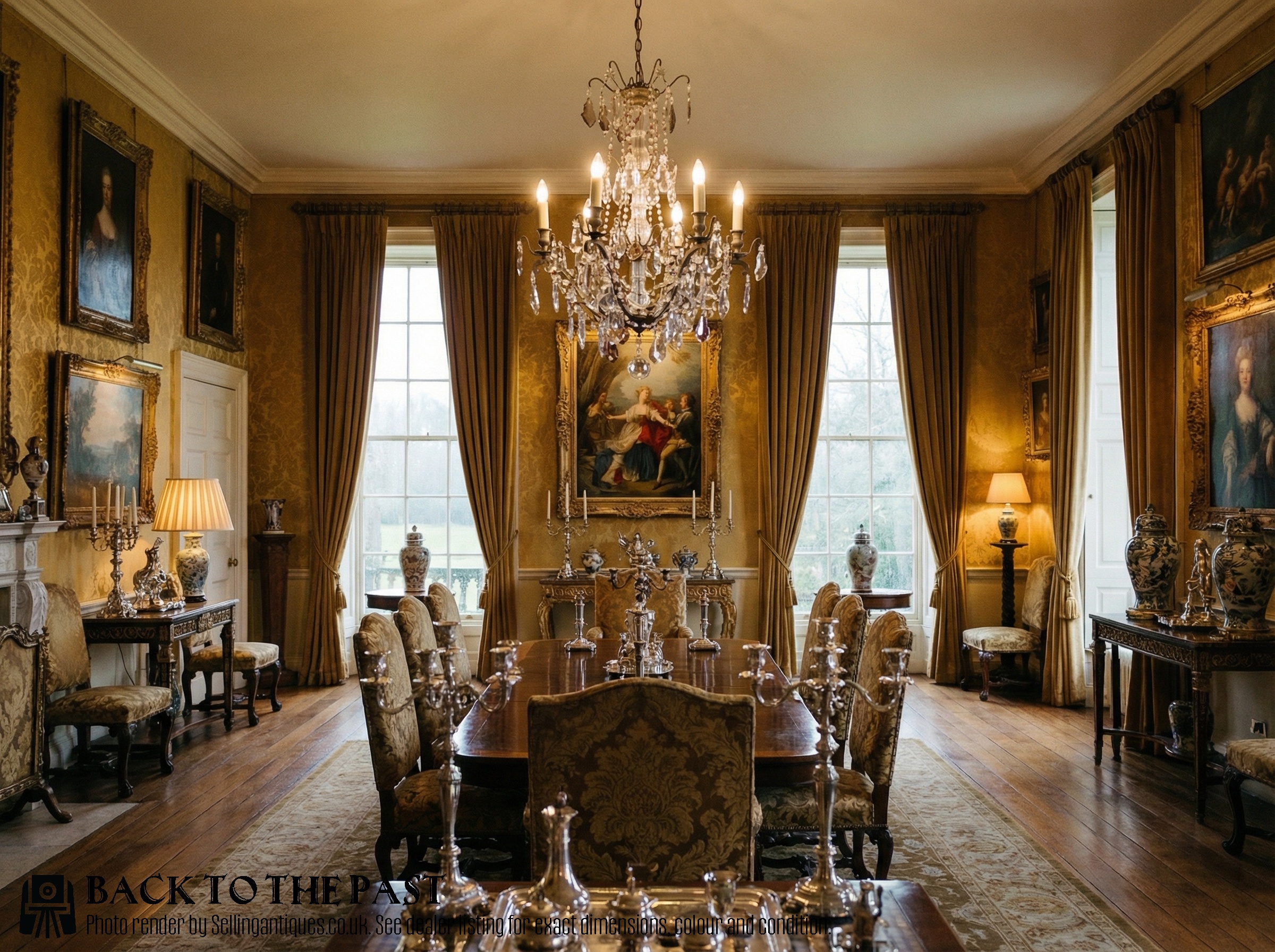
Classic Glass Lighting
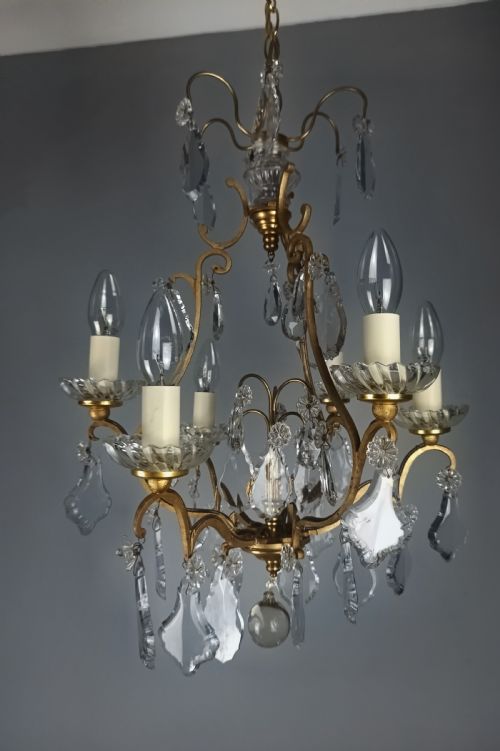
Classic glass lighting encompasses a diverse array of fixtures designed to illuminate interiors with historic style, ranging from substantial hanging chandeliers to functional table lamps. When exploring classic glass lighting, buyers encounter pieces originating from the nineteenth century through the interwar decades of the twentieth century. The selection leans heavily towards French and Italian examples, alongside domestic Victorian and Edwardian items.
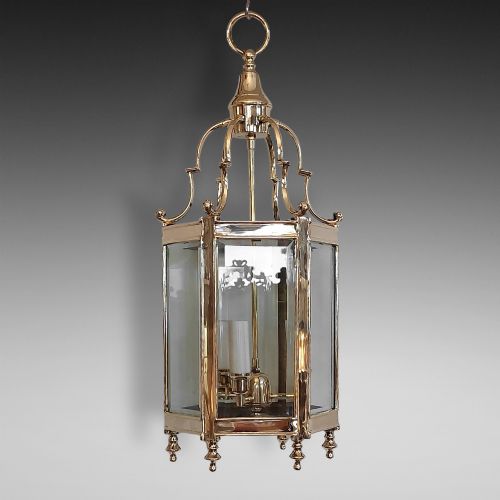
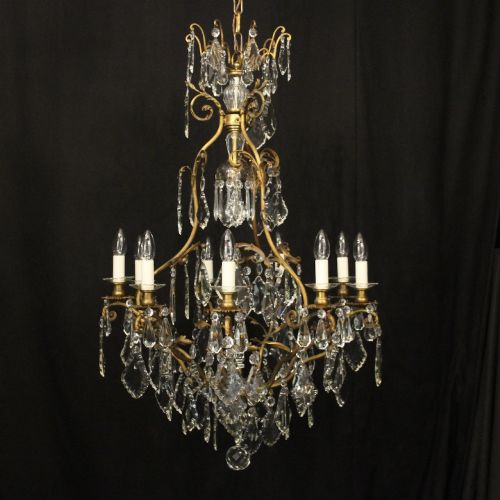
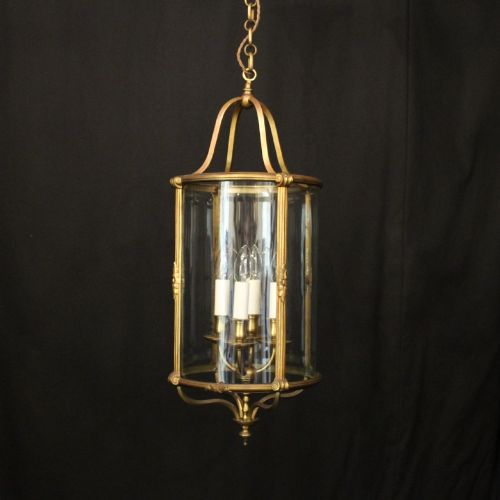
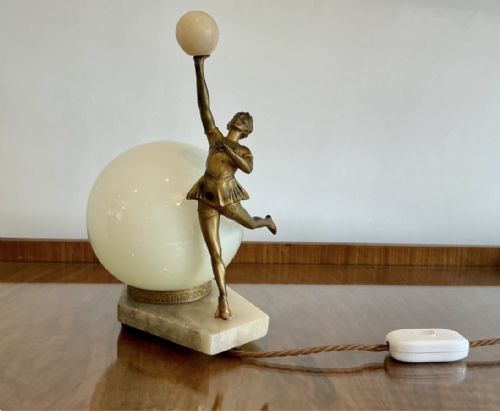
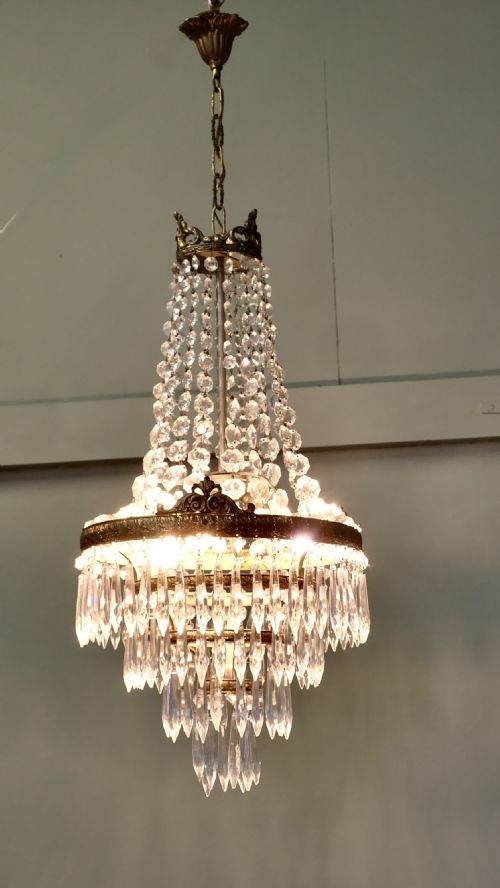
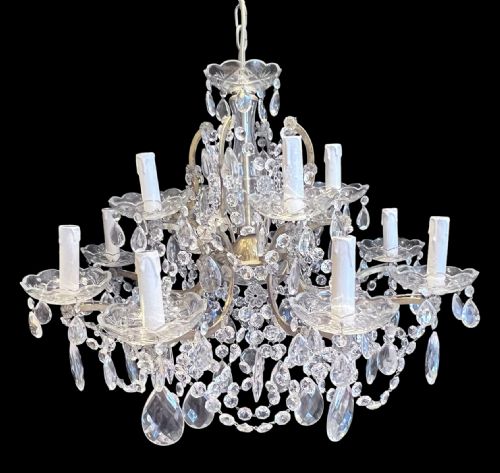
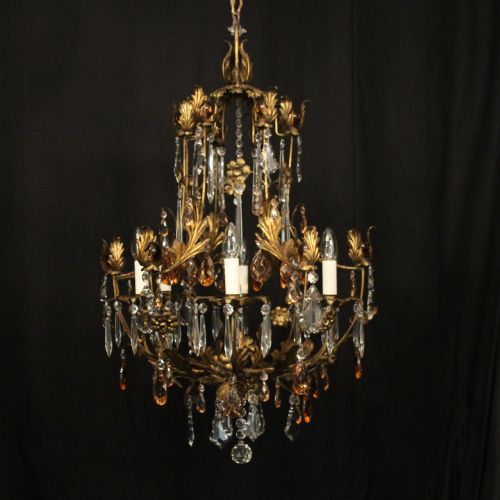
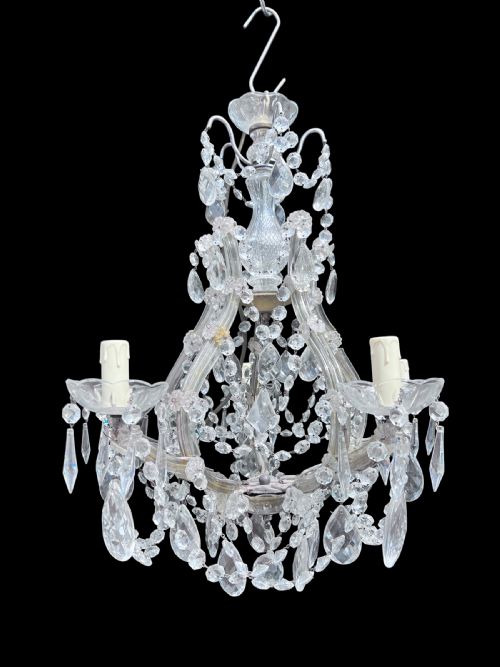
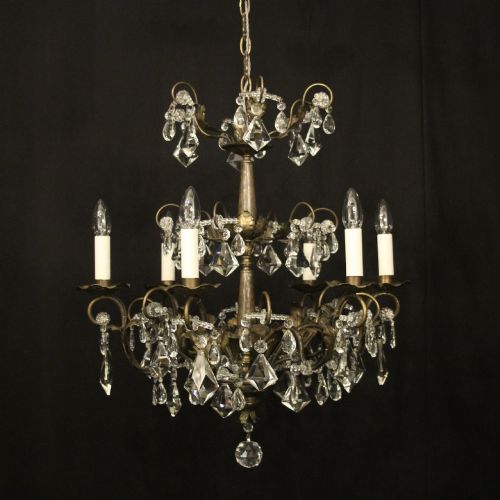
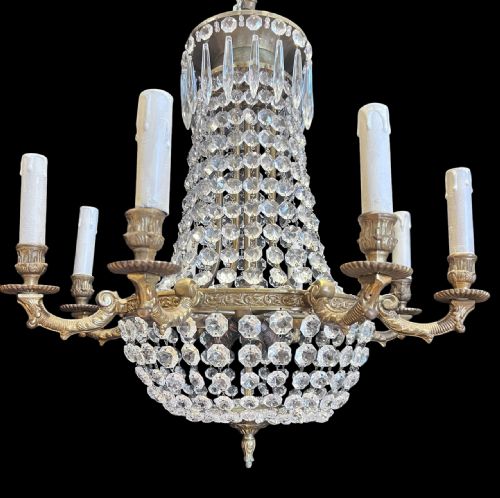
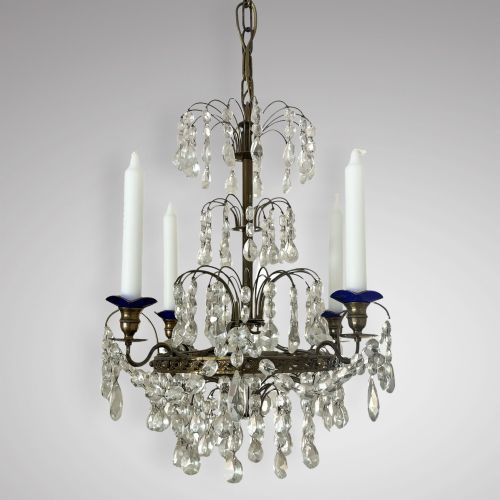
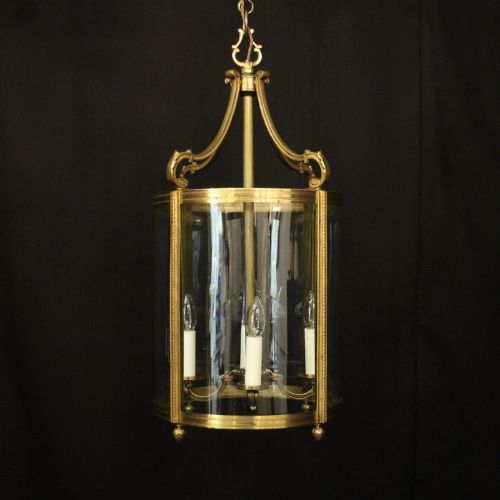
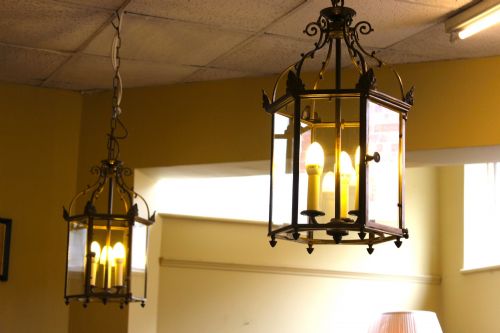
The most common forms on this page include multi-arm crystal chandeliers, hexagonal hallway lanterns, and opaline or cut glass table lamps. Many items display distinct stylistic influences such as French Rococo, Art Deco, Empire, and Maria Theresa designs. These fixtures serve both practical illumination needs and decorative functions within traditional or eclectic interiors.
Materials and construction methods
Makers constructed these fixtures using robust base metals such as brass, bronze, and gilt metal to form the structural frames and lanterns. Glass components include moulded opaline, heavy cut crystal, and amethyst-tinted drops, which artisans wired or pinned directly to the metal armature. Frames often received surface gilding or silvering to enhance their reflective qualities under candle or electric light.
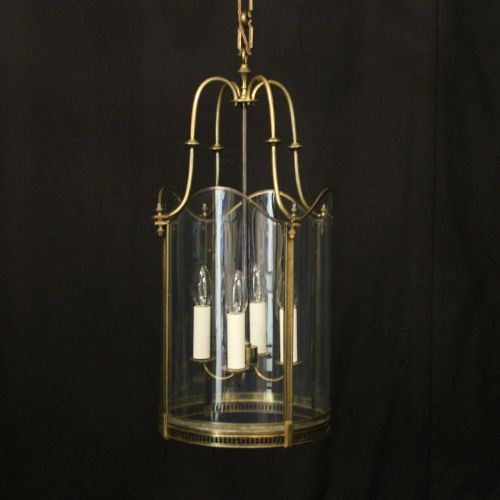
Assembly techniques combined structural metal casting with hand-cut crystal elements, evident in tiered bag chandeliers and tent-and-waterfall configurations. Oil lamps paired heavy brass fonts with decorative glass reservoirs, while lanterns utilised leaded or fitted glass panes within hinged bronze and brass housings. These traditional manufacturing methods ensure structural durability alongside decorative complexity.
Factors determining quality
Design complexity and scale also govern the hierarchy of these items, with larger multi-light configurations and nuanced styles like French Empire or detailed Maria Theresa frames commanding greater visual presence. The preservation of original components, from opaline shades to matched crystal prisms, elevates an object's integrity. Subtle details in metalwork casting and balanced proportions indicate the skill of the original workshop.
The Classic Glass Lighting Glossary
- Chandelier
- A branched decorative ceiling fixture designed to hold multiple lights. These pieces often feature glass drops and crystal prisms to disperse illumination.
- Opaline glass
- An opaque or semi-translucent glass, frequently white, used for lamp shades and bodies during the nineteenth and early twentieth centuries. It softens the light source effectively.
- Maria Theresa chandelier
- A flat-arm style of chandelier characterised by metal arms covered in flat glass plates held by rosettes. This design originated in honour of the Austrian empress.
- Lantern
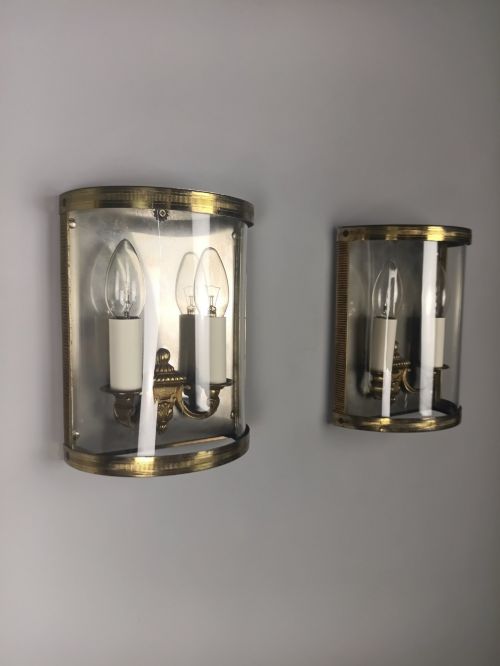
- An enclosed hanging or wall-mounted lighting fixture featuring glass panels within a metal frame. They were traditionally developed to protect flame sources from drafts in hallways.
- Cut crystal
- High-clarity glass faceted by grinding and polishing to maximise brilliance. It forms the cascading drops and pendeloques seen on grander period fixtures.
Classic Glass Lighting: Frequently Asked Questions
Can these vintage lights be rewired for modern homes?
Most period lighting fixtures accept modern electrical wiring easily when handled by a qualified professional. Rewiring ensures the piece meets current safety standards while preserving the historic exterior shell.
Lighting specialists can adapt internal brass tubes and lamp holders to suit standard domestic bulbs without altering the visible historic character of the frame.
What is the difference between a pendant and a lantern?
Pendant lights generally hang from a single cord, chain, or rod and often feature open shades or exposed bulbs directing light downwards. Lanterns are enclosed structures with framed glass panels on multiple sides, originally designed for hallways and porches to shield candles or oil flames.
Both serve as overhead illumination, but lanterns provide a more contained, directional glow through their glazed sides.
How do I date a brass and crystal chandelier?
Examine the construction methods, such as the type of screw threads, metal casting quality, and the style of the electrical wiring or burner fittings if applicable. Art Deco and Edwardian pieces exhibit distinct geometric or restrained neoclassical motifs compared to the heavier Rococo Revival forms of the Victorian era.
Matching the overall design vocabulary with known period styles helps narrow down the decade of manufacture.