
Victorian Glass Dome
These Victorian glass dome pieces protect delicate interior displays and curiosities beneath clear glass covers.
Forms and Origins
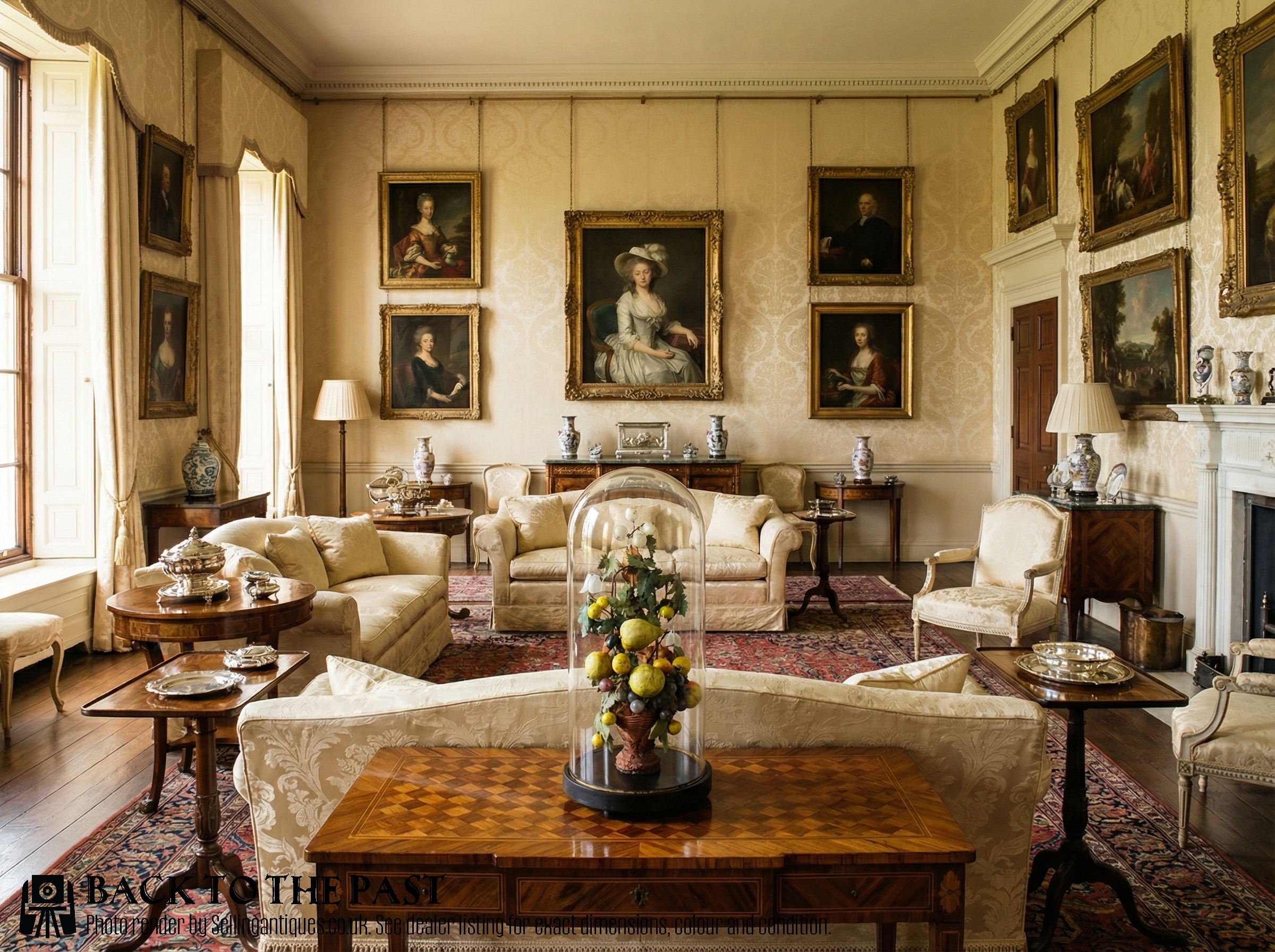
A victorian glass dome serves as a protective cover for cherished interior displays and delicate objects. The pieces seen on this page span the Victorian and Edwardian periods, stretching from the mid-nineteenth century into the early nineteen hundreds.
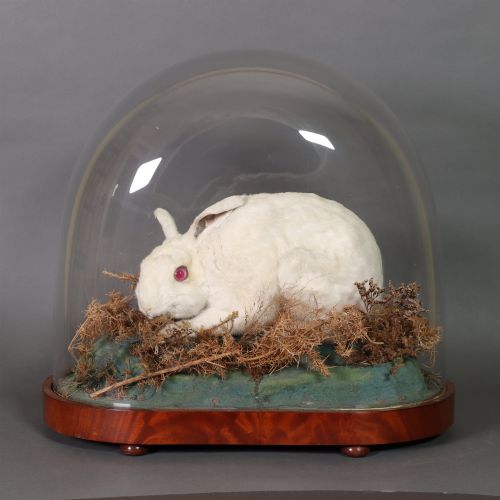
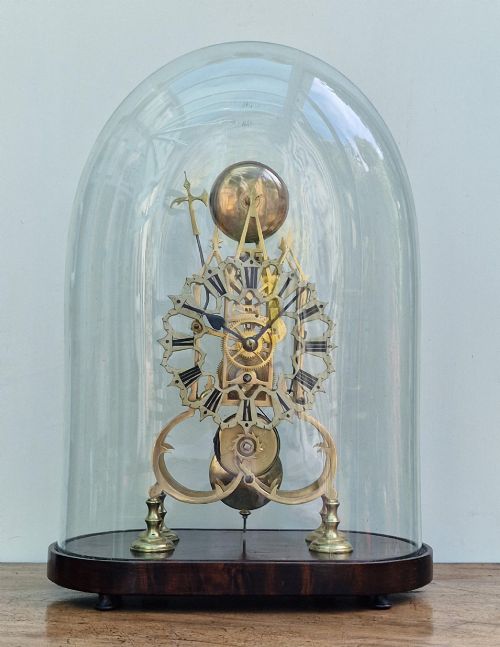
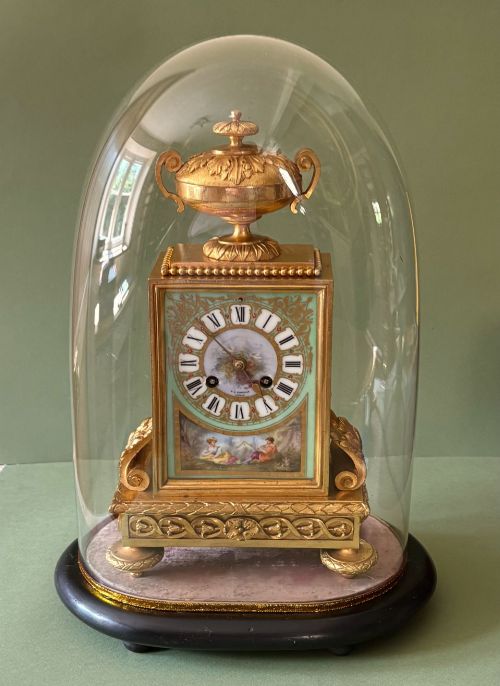
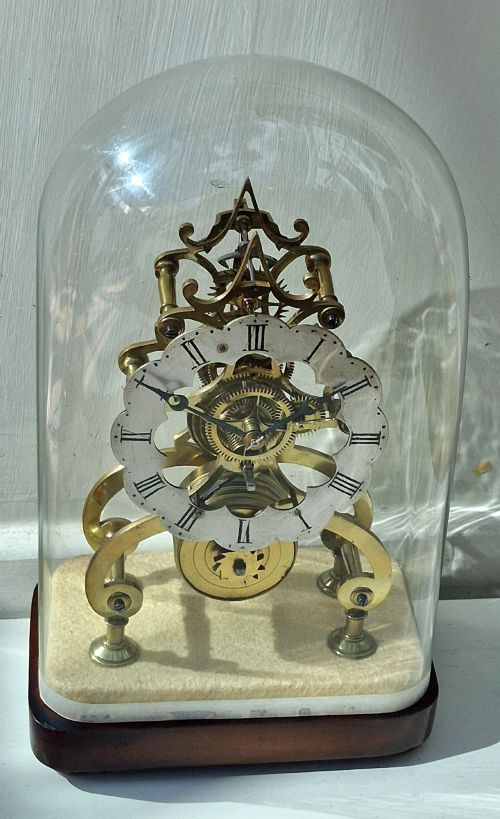
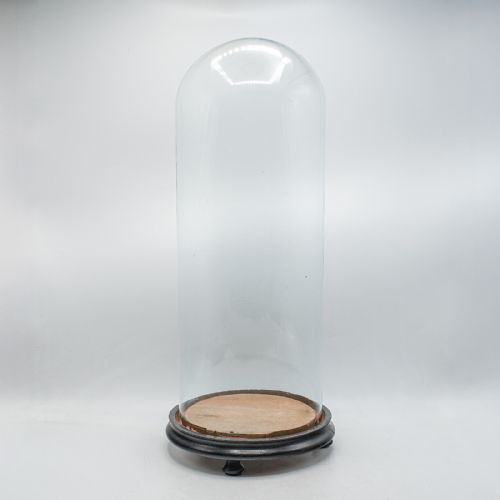
Common forms include display domes and cloches designed to house taxidermy, clocks, and decorative objects. Buyers encounter everything from tall showcase domes to small specimen covers resting on fitted bases.
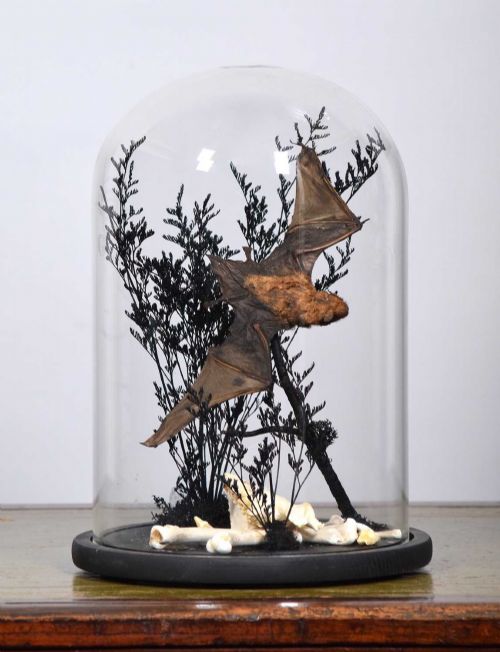
Contents beneath these glass covers vary widely, ranging from birds of paradise and owls to woolwork floral arrangements, wax fruit, and mechanical models. Many examples originate from English workshops, while others reflect continental origins.
Materials and Technique
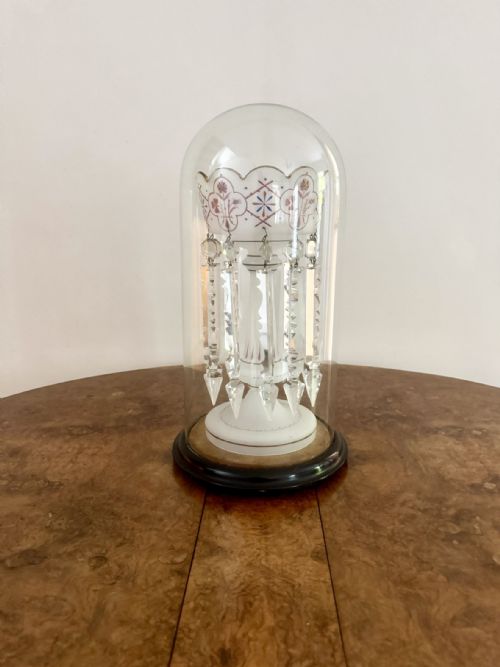
Makers produced these protective vessels using hand blown glass that created transparent covers of varying heights and widths. The resulting glass bubbles sat atop wooden bases, frequently constructed from ebonised wood or mahogany.
Interior displays utilised diverse materials such as fabric, velvet, felt, feathers, and natural foliage. Artisans arranged taxidermy specimens, beads, silk flowers, and wax fruit within these enclosures to preserve them from dust.
Retail Price Guide 2026
Typical UK retail prices for victorian glass dome, calculated from the Sellingantiques database of over a million retail prices indexed since 2003. This retail price guide relies exclusively on Sellingantiques data; no external sources or auction records are used, so the figures do not describe the wider market.
One curious dome protects a detailed model of a Ferris wheel alongside traditional taxidermy and floral arrangements.
Quality and Distinction
The clarity and thickness of the blown glass distinguish finer examples from standard production items. Superior domes possess minimal distortion in the glass and rest securely upon well finished timber bases.
The complexity and condition of the interior display dictate the standing of a piece. Original arrangements featuring intricate taxidermy, beadwork, or specialised contents demonstrate greater artisanal skill than simpler displays.
Henry Ward London·Hutchings of Aberystwyth·Davis and Co Bristol
The Victorian Glass Dome Glossary
- Cloche
- A bell shaped glass cover used to protect delicate objects and displays. The term derives from the French word for bell.
- Ebonised wood
- Timber treated to resemble ebony, frequently used for the circular or oval bases supporting display domes. This dark finish provided a stark contrast to the bright objects inside.
- Taxidermy dome
- A glass enclosure specifically utilised to house preserved birds, mammals, or insects. These arrangements often incorporated natural foliage and twigs.
- Frigger
- A glass object made by a worker during spare time or at the end of a shift, sometimes taking the form of a ship housed under a glass dome.
- Specimen dome
- A glass cover dedicated to housing botanical, geological, or zoological examples for study and display.
Frequently Asked Questions
What fits under a victorian glass dome?
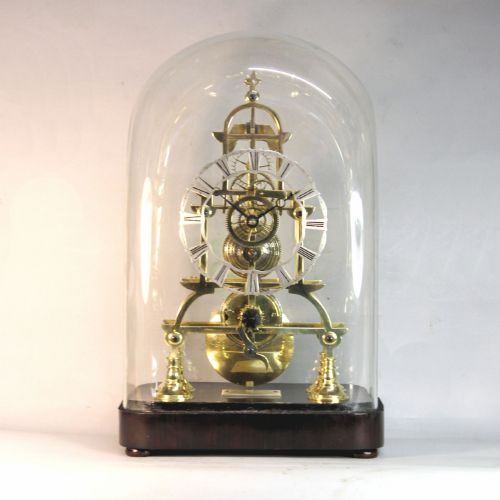
These glass covers house a wide variety of delicate interior items. Common contents include taxidermy birds, skeleton clocks, mantel clocks, carriage clocks, and decorative continental figures.
Other examples protect handmade displays made from wax fruit, silk flowers, woolwork, glass beads, and miniature models such as ships or Ferris wheels.
How do I clean a glass dome?
Cleaning requires gentle handling of both the fragile glass cover and the wooden base. Wipe the exterior glass with a standard glass cleaner applied to a cloth rather than sprayed directly onto the surface.
Take care near antique bases and delicate interior contents to avoid accidental damage. Dust the interior only if the seal allows and the contents are robust enough to withstand movement.
Are the glass domes hand blown?
Many period examples feature hand blown glass construction. This method produces subtle variations, small bubbles, and slight distortions within the glass material.
Hand blown covers usually sit upon turned wooden bases made from ebonised wood or mahogany. These bases often include a shallow groove to hold the glass securely in place.
How do I date a glass dome?
Dating relies on examining the manufacturing traits of both the glass and the accompanying base. Victorian pieces frequently feature heavier, hand blown glass with slight imperfections and deep ebonised wooden plinths.
Later Edwardian and turn of the century examples may display different base timbers and altered proportions. The style of the interior display or taxidermy also offers clues regarding the period of creation.