

Victorian Glass Clock
These pieces gather under the banner of a victorian glass clock, bringing together heavy brass frames, clear crystal cases, and delicate skeleton movements designed to catch the light on a mantelpiece.
Victorian Glass Clock
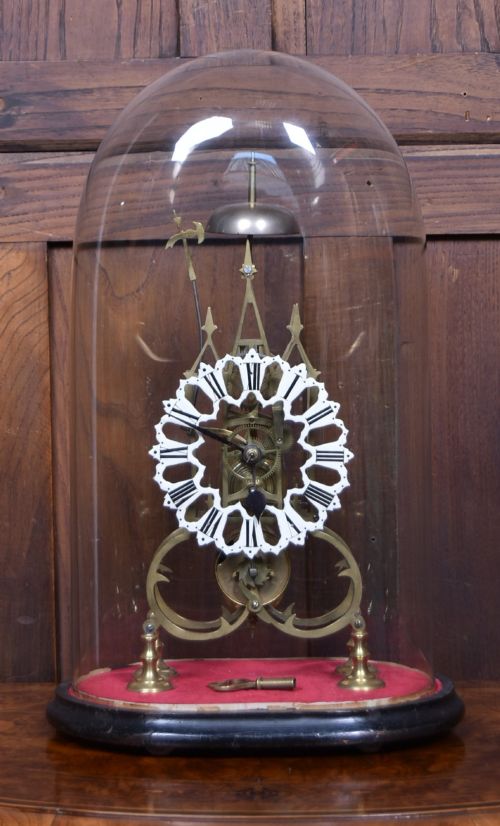
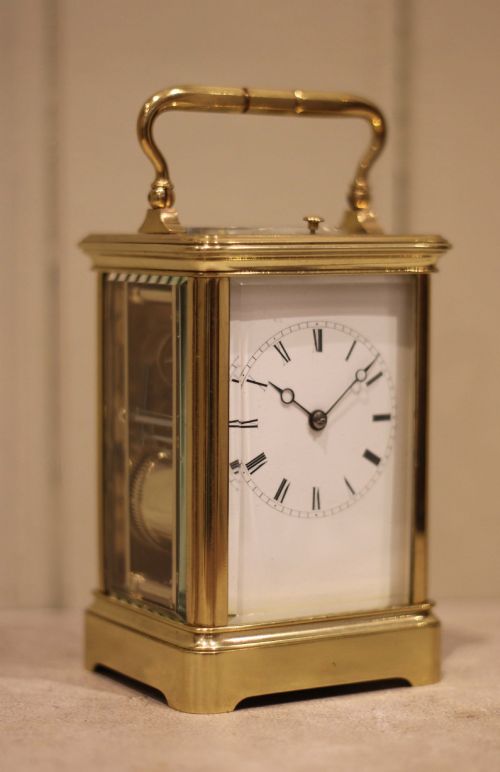
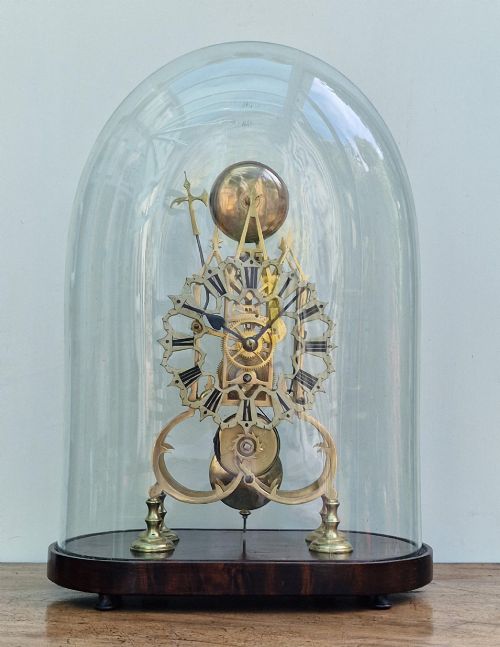
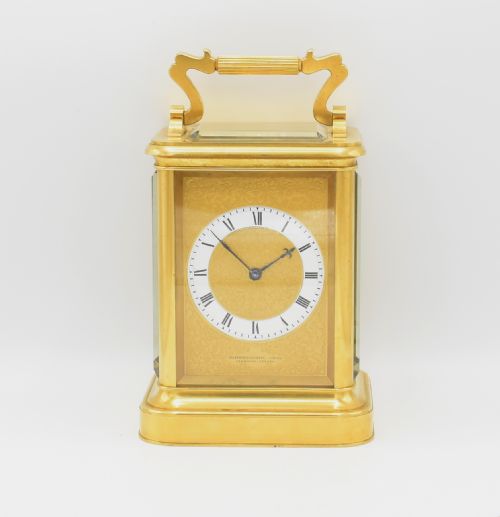
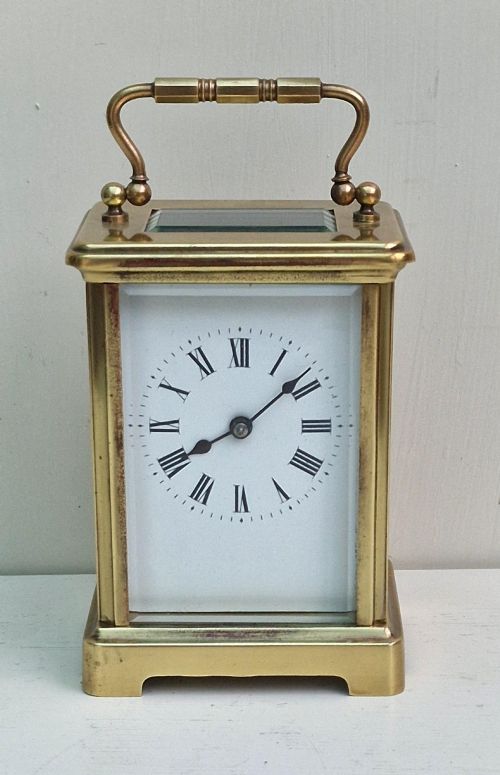
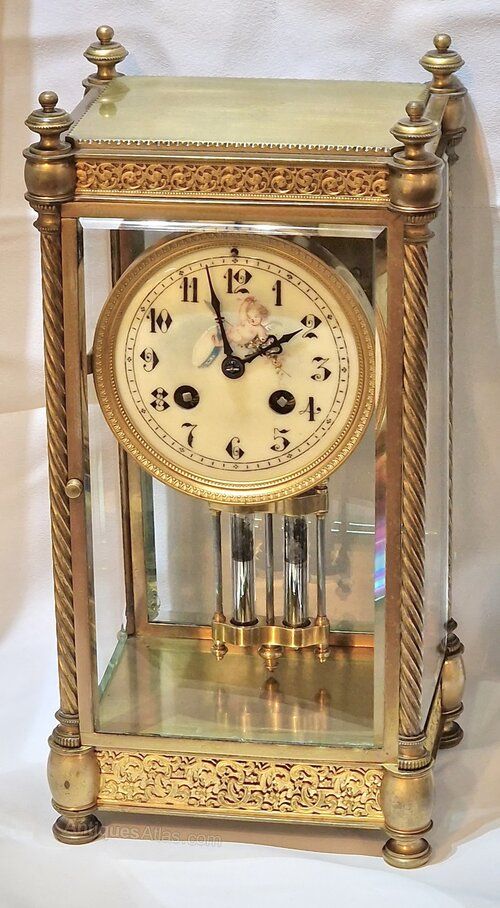
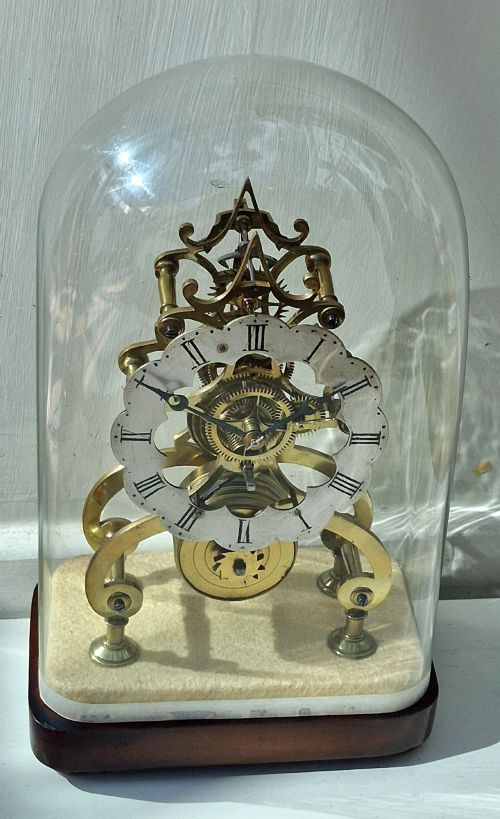
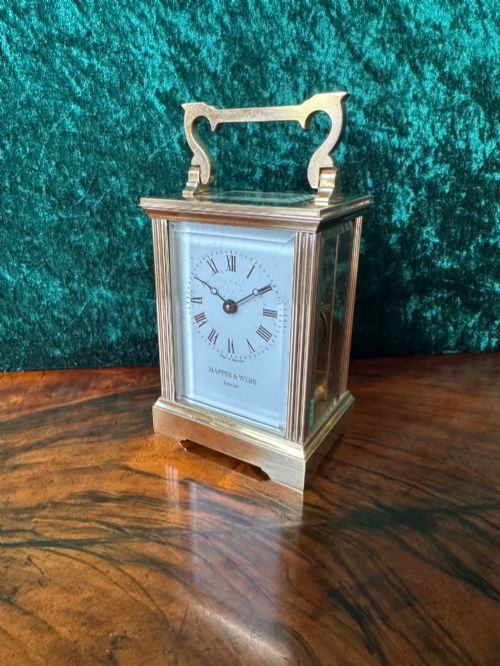
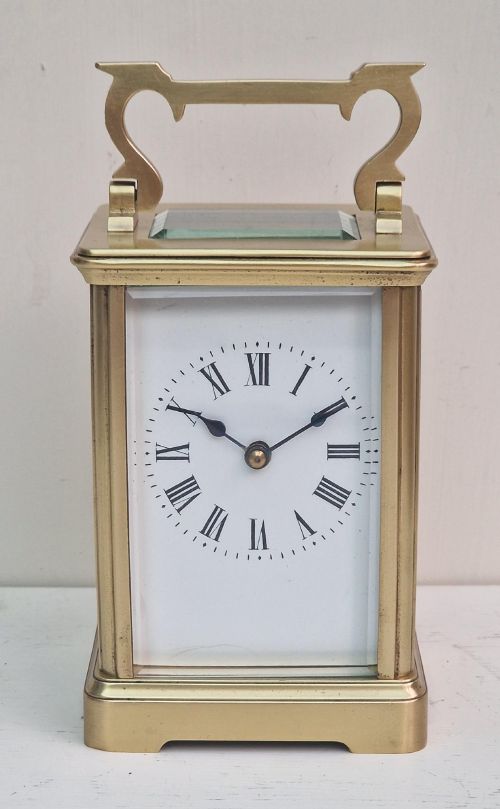
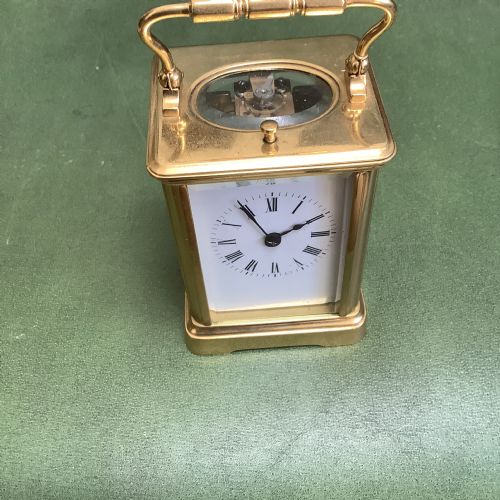
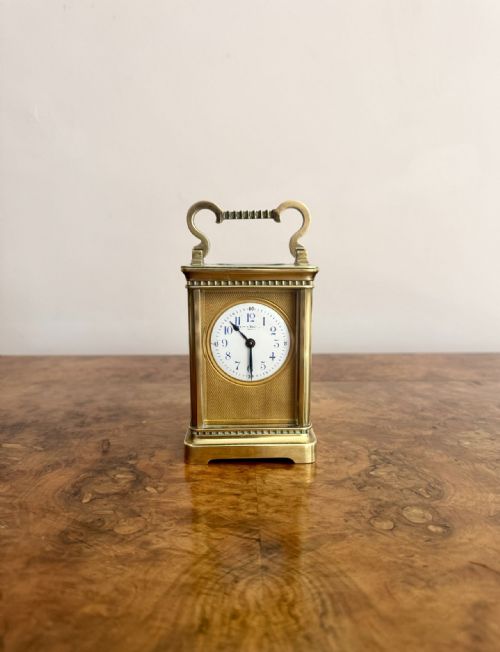
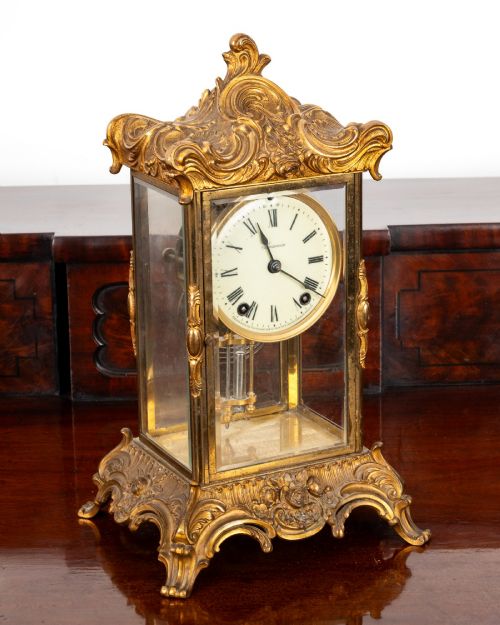
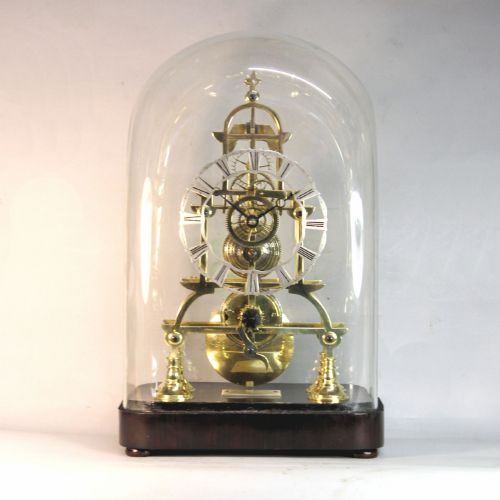
A victorian glass clock typically presents as a carriage clock, a four-glass mantel clock, or a skeleton timepiece displayed beneath a glass dome. These objects served domestic timekeeping and ornamental display during the nineteenth century, relying on brass, gilt bronze, and wood to support their glazed housings.
The four-glass mantel clock stands out as a frequent form on this page, often housing mercury pendulums or intricate French movements within bevelled glass panels. Alongside these, carriage clocks with brass and glass panelled cases appear regularly, tracing origins across British and French workshops from the eighteen-fifties onward.
How they were made
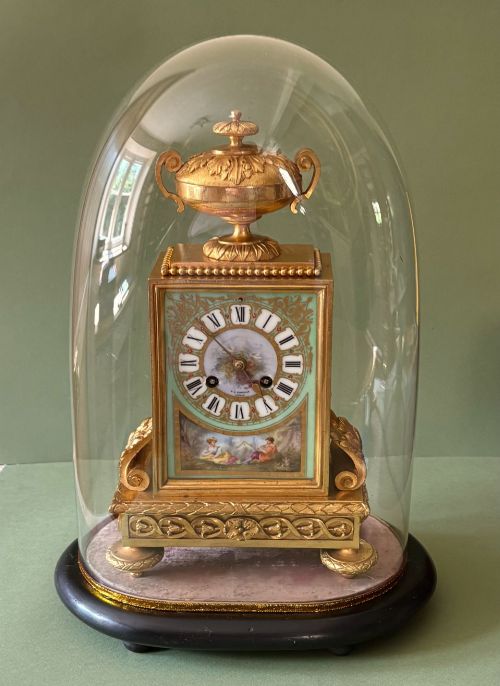
Makers constructed these clocks using heavy cast brass, gilt bronze, and mahogany for the structural frames, housing intricate brass gear trains and enamel dials within blown and plate glass panels. Dial surrounds often featured painted porcelain mounts or finely engraved gilt masks.
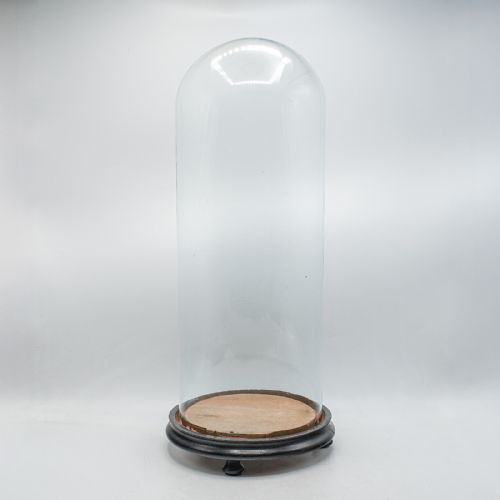
Movements relied on fusee mechanisms, spring barrels, or pendulum regulators, while display domes employed blown glass set onto turned wooden bases. Metal components frequently received fire gilding or chemical patination to achieve lasting colour.
Some timepieces even kept delicate taxidermy company under their protective glass domes.
What varies in quality
Quality rests in the precision of the brass wheel cutting, the weight of the cast case, and the clarity of the bevelled glass panels. Heavier gilt bronze housings and fully jewelled lever escapements mark out superior productions from standard timepieces.
The presence of specialised complications such as quarter-striking, repeat mechanisms, or signed enamel dials elevates an example above simpler time-only pieces. Engraved dial masks and finely pierced hands further separate workshop standards.
Goldsmiths Alliance Ltd·Mappin and Web·Richard Winter of Chieveley·Leroy Paris·Duverdrey and Bloquel·Thwaites of London·Walker·Dent
The Victorian Glass Clock Glossary
- Carriage clock
- A portable spring-driven timepiece developed for travel, featuring a glazed brass case and a folding handle.
- Fusee
- A conical pulley used in clock movements to maintain an even pull on the gear train as the mainspring unwinds.
- Crystal regulator
- A mantel clock housed within four glass panels, often featuring a mercury or compensated pendulum.
- Skeleton clock
- A timepiece with an open frame designed to reveal the entire gear train and escapement from the side.
- Escapement
- The mechanical linkage that controls the release of power to regulate the motion of the clock hands.
Victorian Glass Clock: Frequently Asked Questions
What is a four glass clock?
A four glass clock is a mantel timepiece enclosed by thick bevelled glass panels on all sides, allowing an unobstructed view of the mechanical movement and pendulum within.
These pieces typically feature brass or gilt bronze frames and were produced in large numbers during the nineteenth century for formal domestic interiors.
How do carriage clocks differ from mantel clocks?
Carriage clocks are smaller, portable timepieces fitted with a carrying handle on top and enclosed within heavy brass and glass frames.
Mantel clocks are larger stationary objects designed to sit permanently on a fireplace shelf, utilising wider bases and heavier wooden or metal plinths.
Why do some clocks feature glass domes?
Glass domes were utilised to protect delicate mechanisms, skeleton clocks, and taxidermy displays from dust and atmospheric moisture in nineteenth-century homes.
These blown covers sat directly upon turned wooden or velvet-lined bases to seal the interior environment completely.
How can one identify a fusee movement?
A fusee movement incorporates a distinctive conical pulley with a fine chain or cord winding down its spiral grooves as the clock runs.
This mechanism counteracts the diminishing force of the mainspring to ensure uniform tension is delivered to the gear train throughout the winding cycle.