

Victorian Gilt Picture Frame
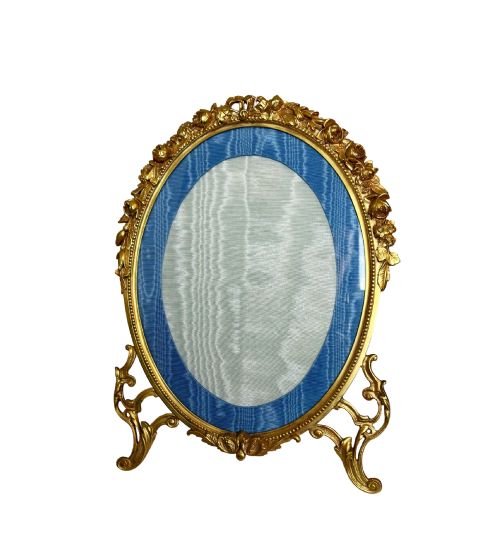
A victorian gilt picture frame brings warmth and depth to a wall, framing canvas, paper or mirror glass with the rich shine of nineteenth-century gold leaf.
Victorian Gilt Picture Frame
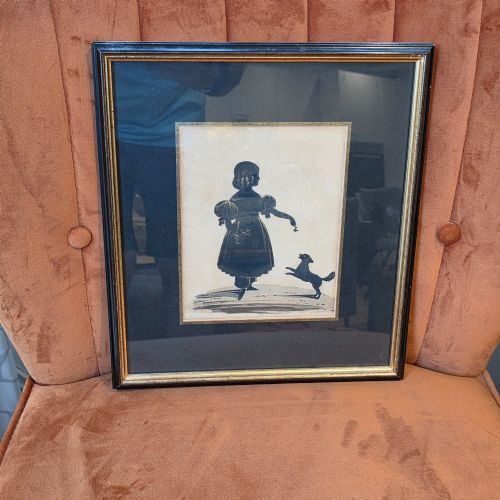
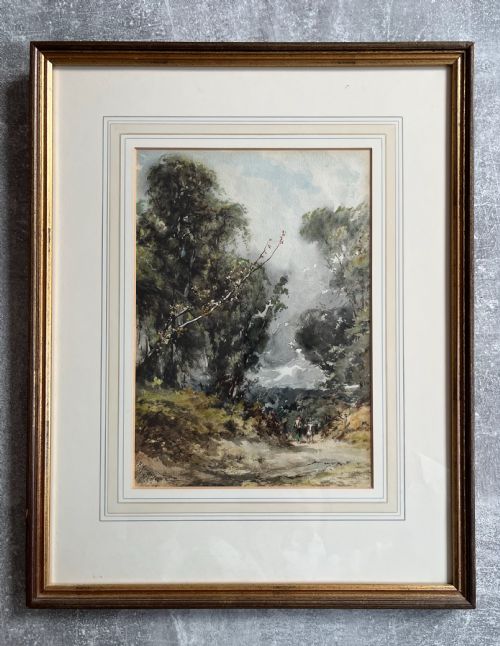
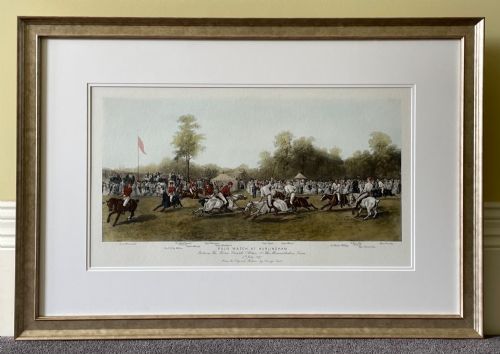
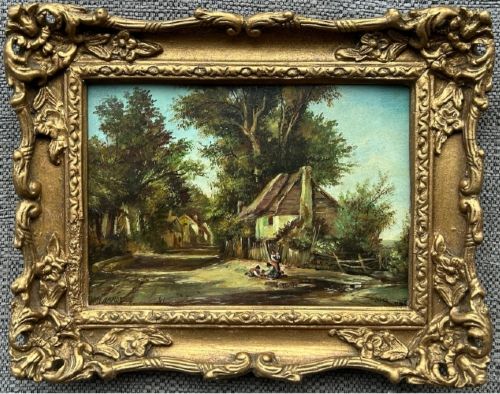
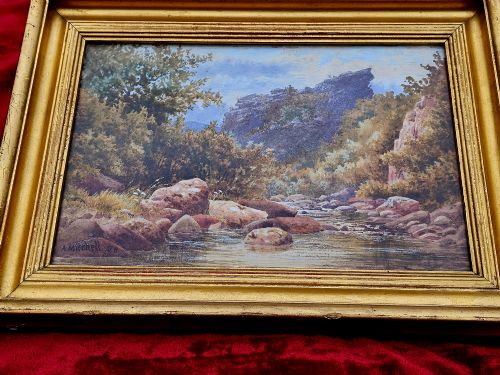
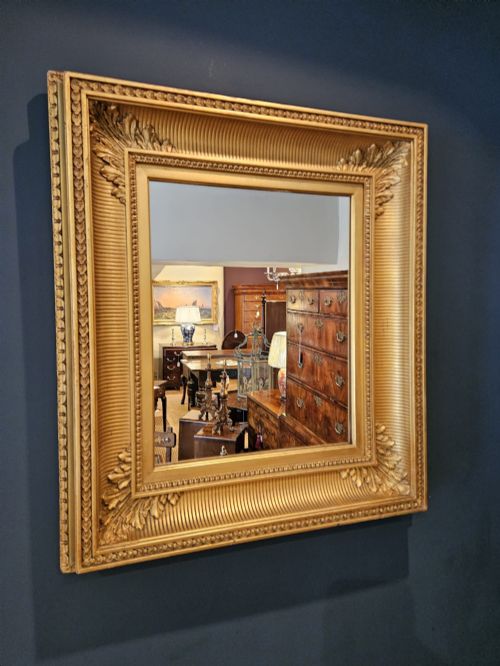
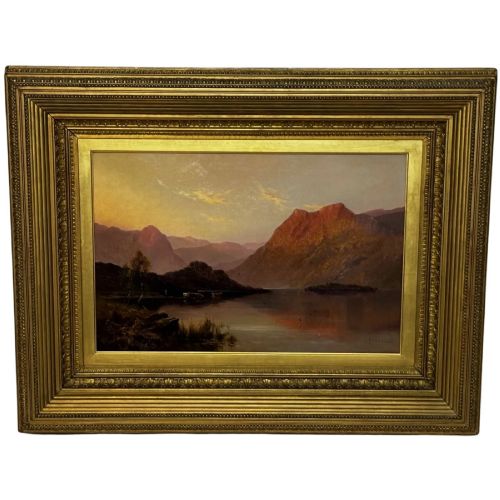
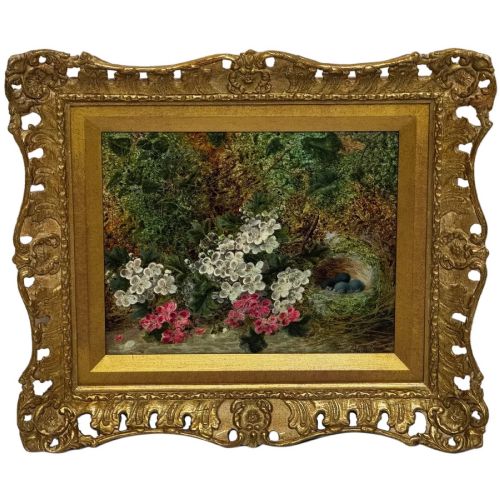
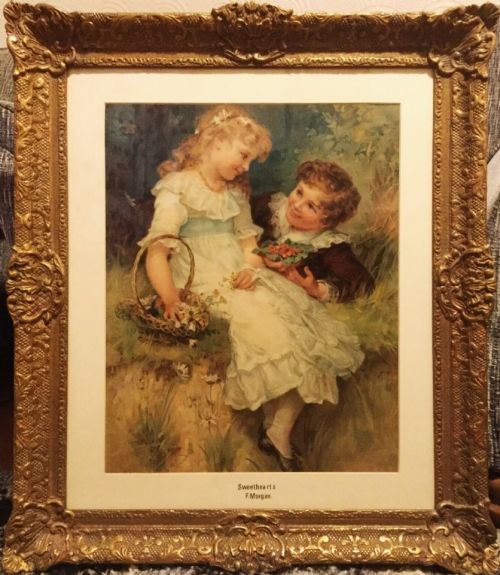
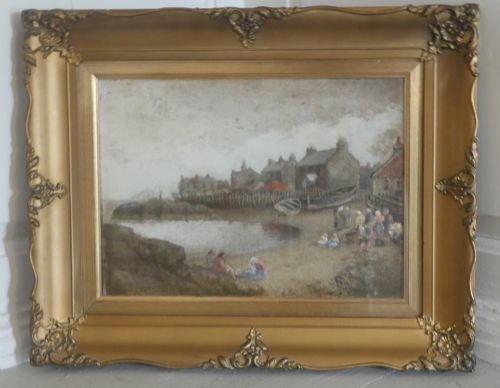
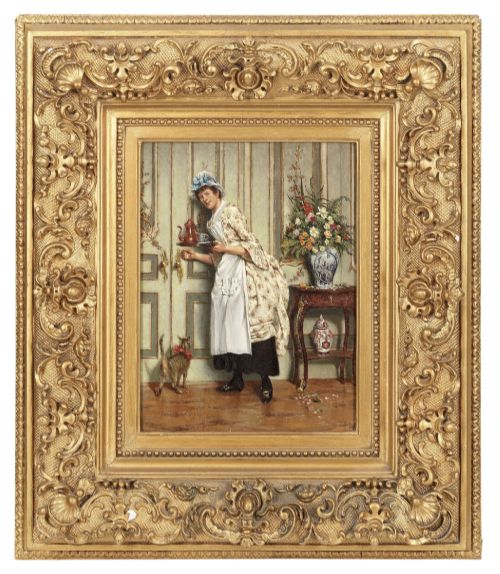
A victorian gilt picture frame houses paintings, prints and mirrors produced across the nineteenth century, taking forms from deep swept profiles to flat reeded borders. These housings appear frequently in the record as substantial wooden mouldings designed to elevate oil paintings and watercolours alike.
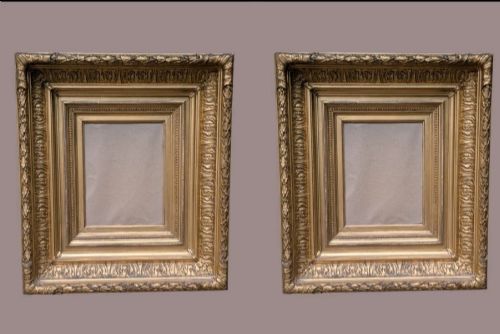
The surviving examples display a variety of decorative schemes, including floral motifs, acanthus leaves and classical scrollwork. Many serve a dual purpose today as either picture surrounds or wall mirrors depending on the interior setting.
Materials and Construction
Makers built the foundational structure from timber, often utilising wood or carved wood as a sturdy base. Over this substrate, artisans applied layers of gesso to build up sculptural relief before gilding.
The metallic finish relied upon genuine gold leaf applied to the prepared surfaces, creating a warm luminosity that endures. Giltwood and gilt metal variations also occur among the recorded pieces.
Several frames preserve the quiet ghosts of nineteenth-century newspaper clippings pasted to the reverse boards by past owners.
Evaluating Craftsmanship and Finish
Quality rests in the depth and sharpness of the ornamentation, where hand-modelled gesso details show crisp definition rather than soft, blurred edges. The integrity of the underlying wooden joins also dictates how well the frame withstands age.
The application of the gold leaf dictates the visual brilliance of the object. Superior examples retain a deep, layered metallic warmth where the bole beneath shows through subtly.
John Joseph Mechi·Praat and Polak
The Victorian Gilt Picture Frame Glossary
- Gesso
- A plaster-like mixture applied to wood frames to create a smooth surface for carving and gilding. It allows artisans to model intricate relief decoration.
- Giltwood
- Timber that has been coated with gold leaf or gold paint. This material provides the characteristic metallic sheen seen on period frames.
- Swept frame
- A moulding style featuring flowing, undulating curves and scrollwork. This profile became particularly popular during the nineteenth century for grand oil paintings.
- Rebate
- The recessed groove at the back of a frame that holds the canvas, panel or glass in place. Its depth determines the thickness of the artwork accommodated.
- Gold leaf
- Extremely thin sheets of beaten gold used to gild surfaces. It creates a durable, non-tarnishing metallic finish.
Victorian Gilt Picture Frame: Frequently Asked Questions
How do I date a gilt frame?
Dating relies on observing the timber construction methods, the composition of the gesso layer, and stylistic indicators such as swept rococo curves or simpler reeded profiles typical of the mid to late nineteenth century.
Examining the backboards, fixings and corner joins also provides physical clues to the exact decade of manufacture.
Can these frames hold modern mirrors?
Many surviving frames originally functioned interchangeably as picture surrounds or mirror glass housings during the nineteenth century. Fitting new bevelled glass into an antique rebate is a common practice.
Ensure the internal dimensions match your glass size before undertaking any conversion work.
How should I clean gilt surfaces?
Dusting requires only a very soft, dry brush to remove particles without disturbing delicate gesso or leafing. Moisture and modern chemical cleaners will damage historical gilding permanently.
Consult a professional restorer if deeper cleaning is required to address accumulated grime.
Why do some frames have inner slips?
An inner slip, or secondary moulding, provides a visual transition between the outer frame and the painting. This technique creates a sense of depth and prevents the artwork from touching the glass.
Such additions often enhance the overall proportion of the display.