
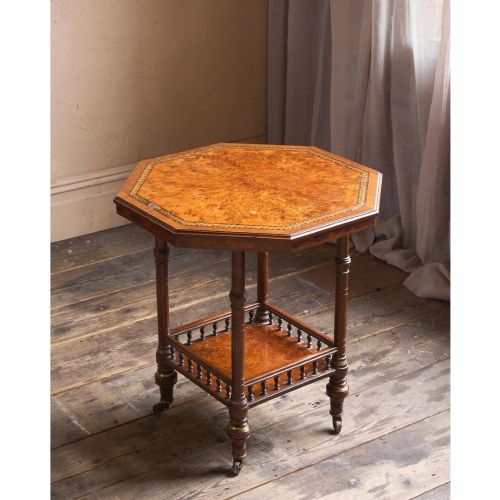
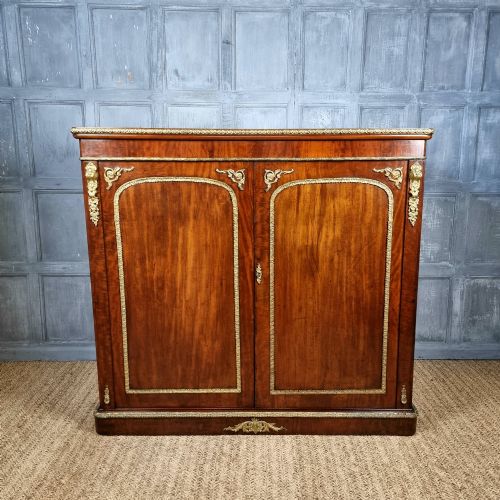
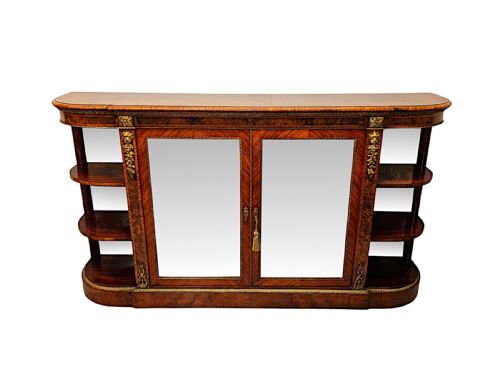
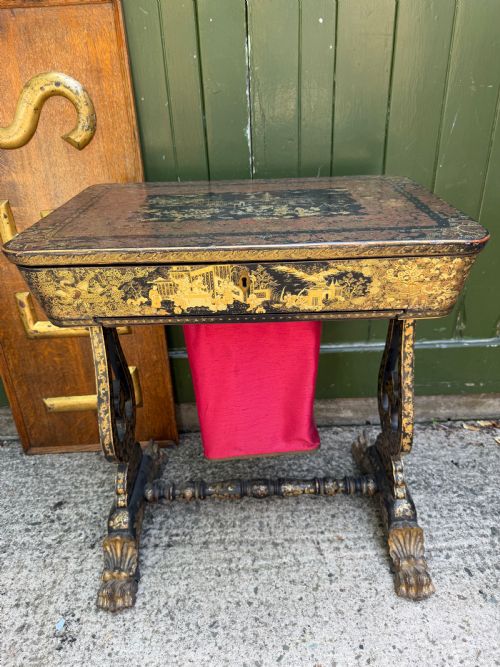
Victorian Gilt Furniture
Victorian gilt furniture brings together the brilliant reflection of gold leaf, ormolu, and lacquered surfaces to light up formal rooms.
Victorian Gilt Furniture
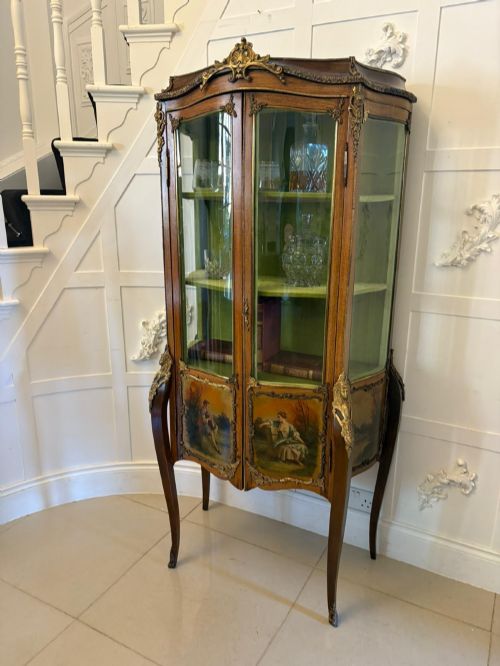
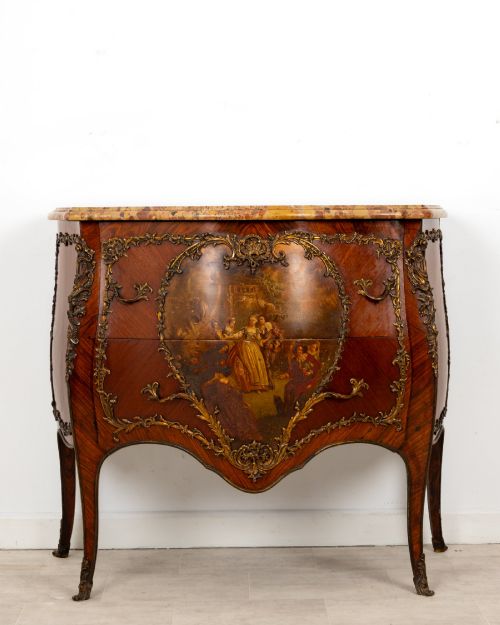
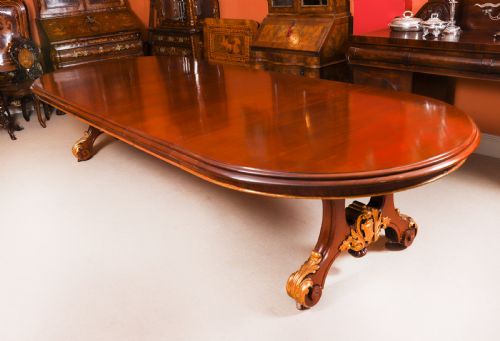
Victorian gilt furniture encompasses a diverse selection of decorative items designed for nineteenth-century interiors, ranging from display cabinets and pier cabinets to occasional tables and armchairs.
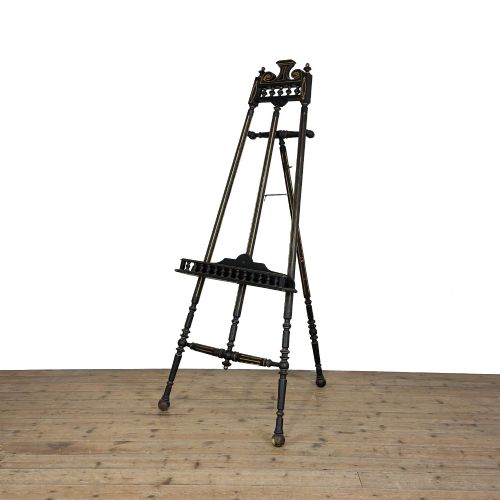
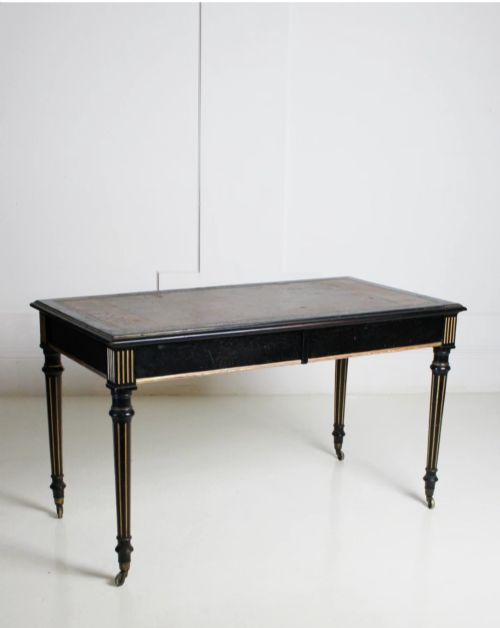
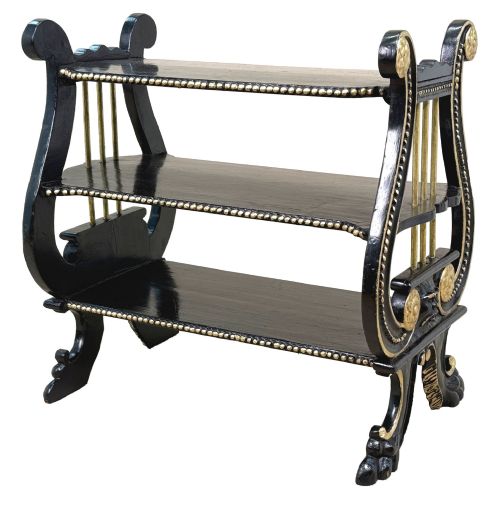
Buyers browsing for Victorian gilt furniture encounter pieces influenced by French revivals and the Aesthetic Movement, mixing ebonised wood with parcel-gilt highlights.
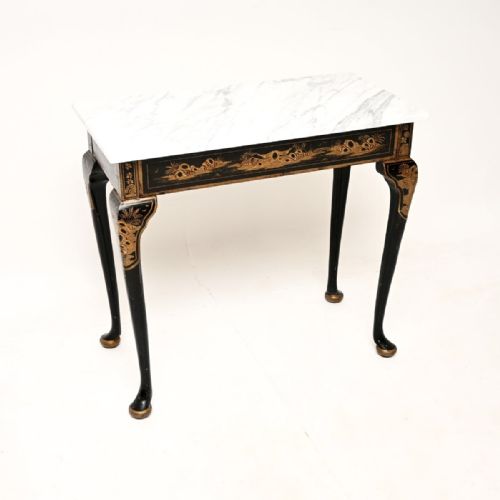
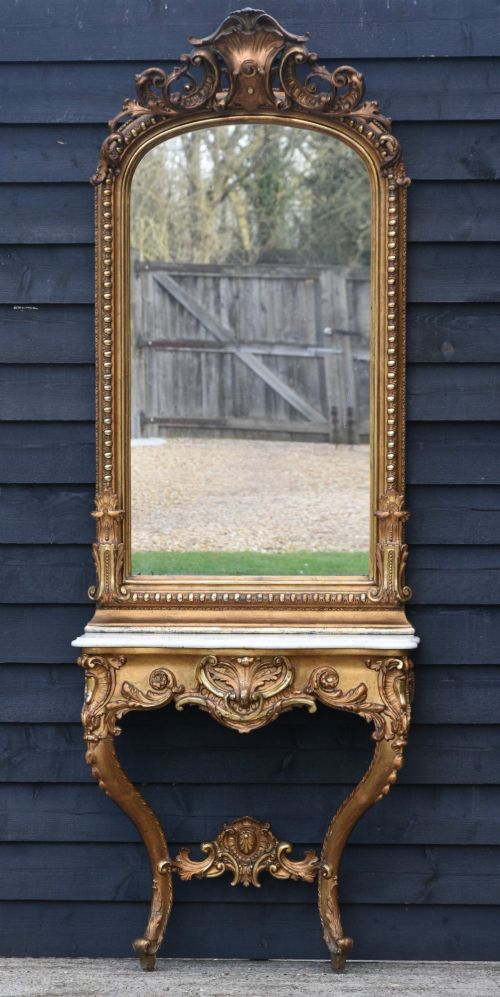
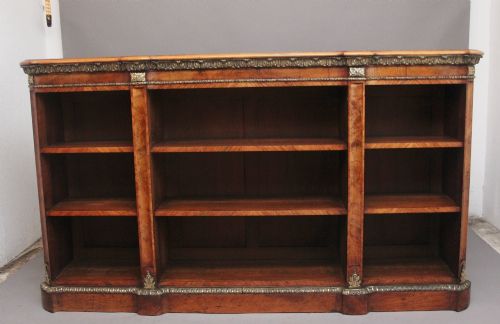
The assortment relies heavily on forms intended to display objects or receive guests, including console tables, credenzas, and glazed vitrines.
Materials and construction
Cabinet makers utilised foundational timbers such as walnut, mahogany, amboyna, and kingwood, frequently pairing them with ebonised finishes or intricate marquetry.
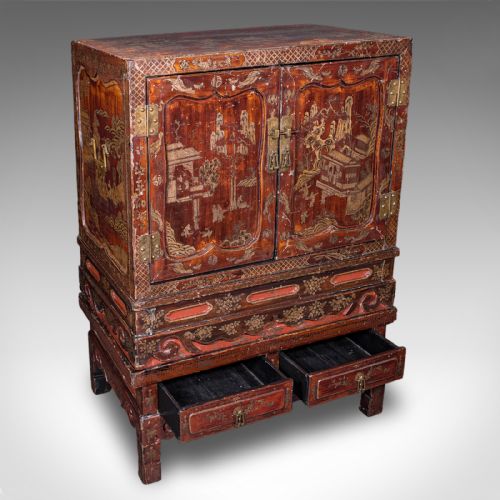
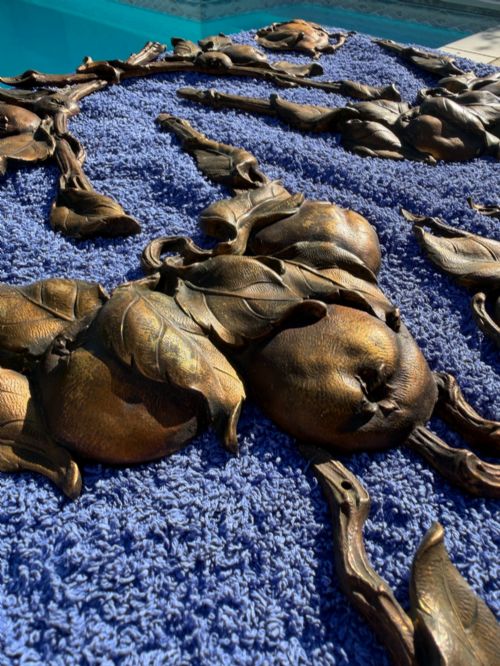
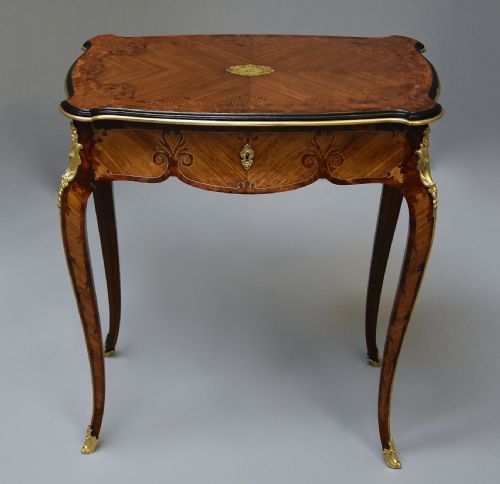
Decorative impact came from applied ormolu, gilt-bronze mounts, and hand-painted lacquer work, often following French Rococo or Chinoiserie decorative traditions.
The furniture spans multiple decades of the nineteenth century, incorporating Regency survivals and Arts and Crafts influences.
Factors determining quality
The standard of execution in the carving, the crispness of the ormolu casting, and the depth of the gilding set individual pieces apart.
Poix Blin·Johnstone And Jeanes·Wylie And Lochead·Gillows·Blake
The Victorian Gilt Furniture Glossary
- Ormolu
- Gilded bronze mounts applied to furniture as decorative enrichment. This technique was widely utilised during the nineteenth century on cabinets and tables.
- Vitrine
- A glass-fronted display cabinet designed for porcelain and small ornaments. These pieces typically feature gilt framing or mounts.
- Ebonised
- Wood stained or painted black to imitate ebony. It frequently serves as a dark backdrop for parcel-gilt highlights.
- Credenza
- A low cabinet used for storage and display, often fitted with glazed side doors and central cupboards. They are frequently mounted with ormolu.
- Parcel-gilt
- Partially gilded woodwork where gold leaf highlights specific carved details or mouldings. This method creates contrast against the natural or stained wood grain below.
Victorian Gilt Furniture: Frequently Asked Questions
What is Victorian gilt furniture?
Victorian gilt furniture comprises nineteenth-century tables, cabinets, and seating enriched with gold leaf, gilt-bronze, or parcel-gilt highlights.
These items draw on French revival styles and the Aesthetic Movement, often combining dark ebonised woods with bright metallic decoration.
How do I identify French revival styles?
French revival pieces incorporate curving lines, ormolu mounts, and polished veneers like kingwood reminiscent of Louis XV and Louis XVI designs.
Cabinet makers blended these continental influences with British manufacturing standards during the nineteenth century.
Where were these pieces used?
Owners placed these decorative items in formal reception rooms, drawing rooms, and libraries to display collections and catch the light.
Cabinets and vitrines held porcelain, while console tables stood against parlour walls beneath matching wall mirrors.
How do I clean gilded surfaces?
Gilded wood and ormolu require gentle dusting with a soft, dry brush to avoid scratching the delicate metallic leaf.
Moisture and chemical polishes can strip the thin layer of gold or damage the underlying lacquer and ebonised finish.