


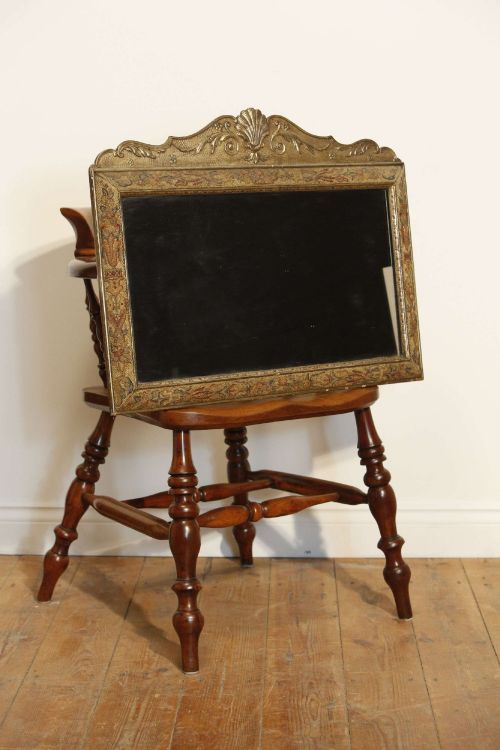
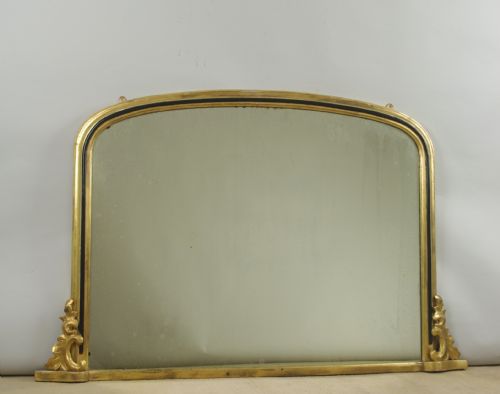
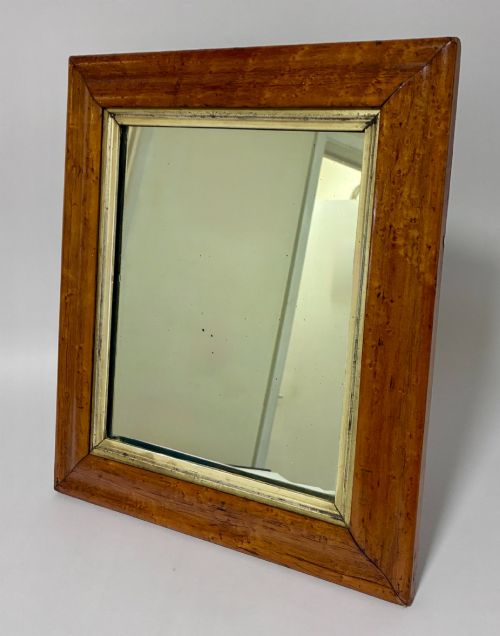
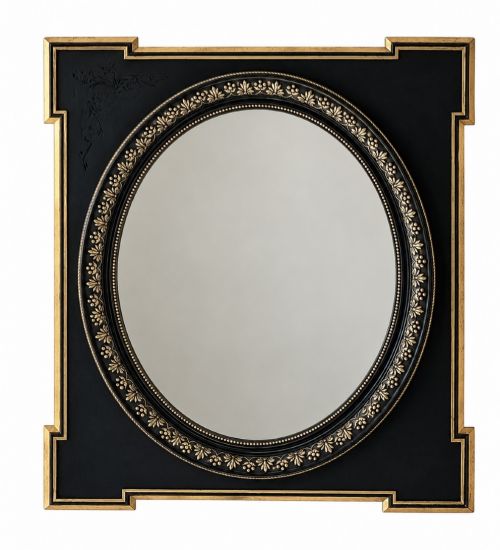
Victorian Gilt Framed Mirror
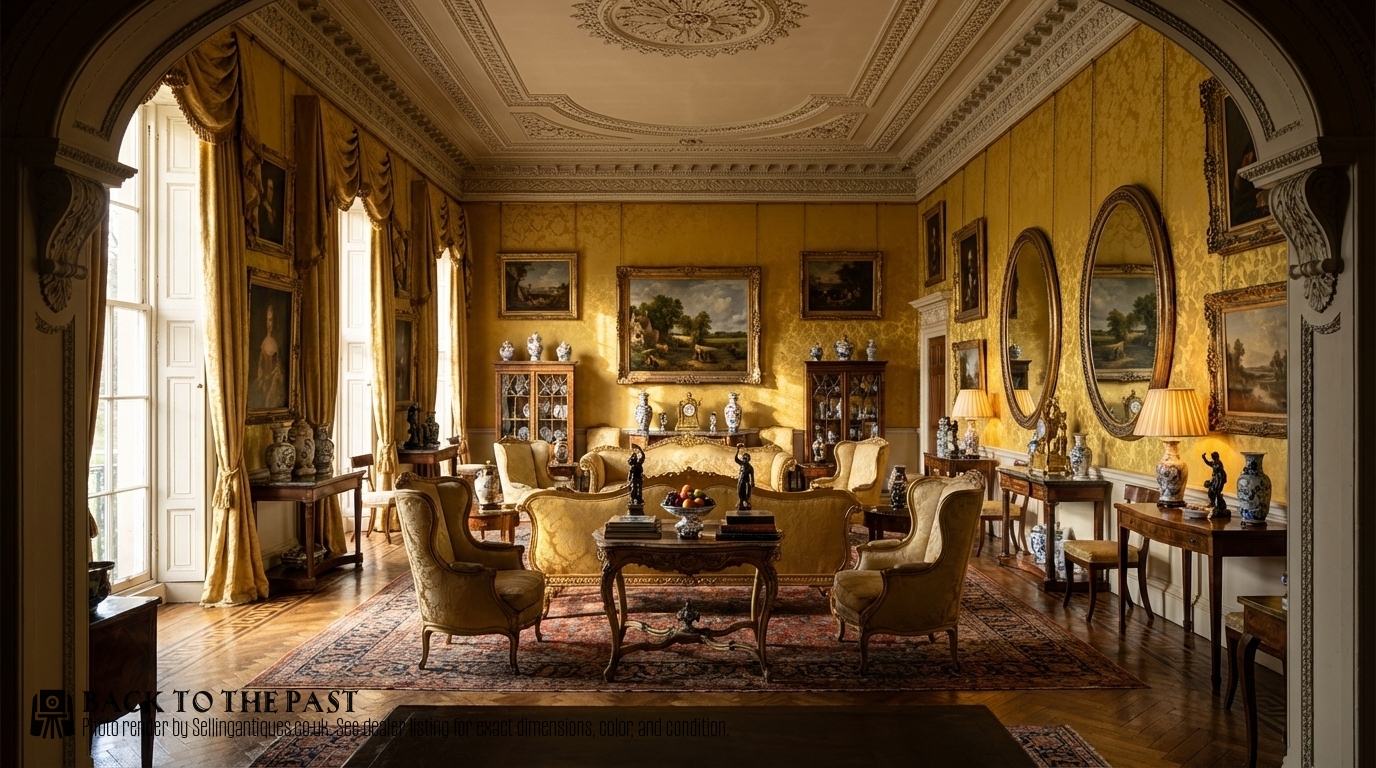
These nineteenth-century wall pieces bring light and presence to a room, offering the warmth of gold leaf and carved ornament.
Victorian Gilt Framed Mirror
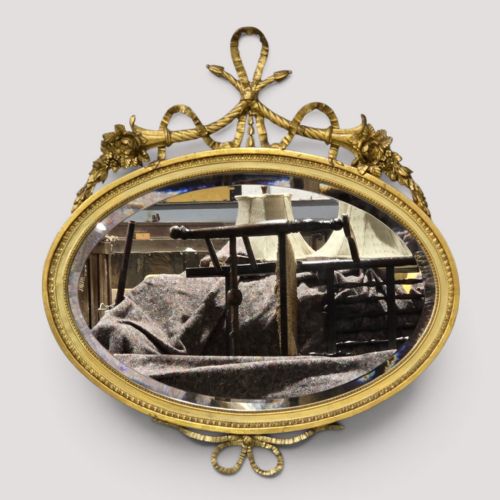
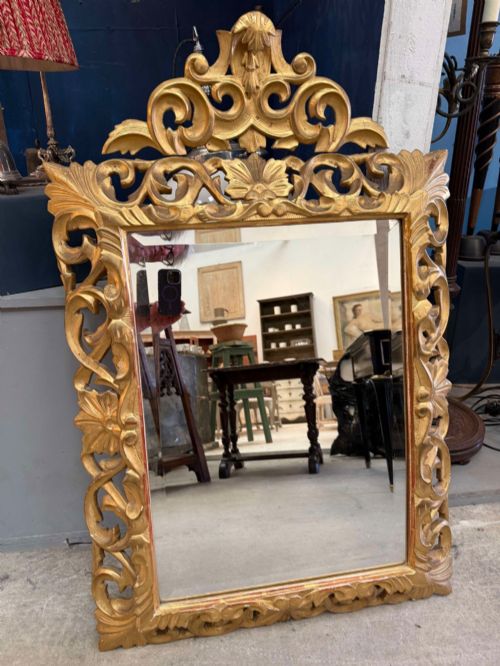
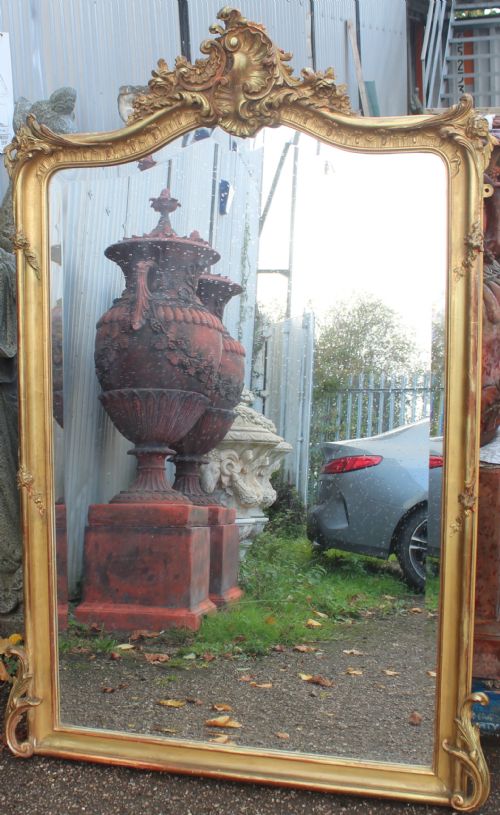
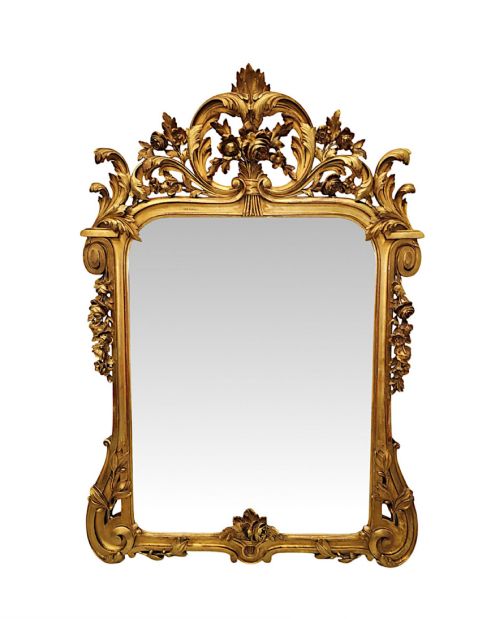
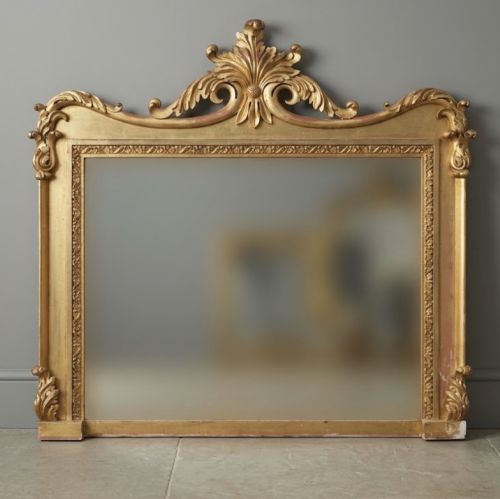
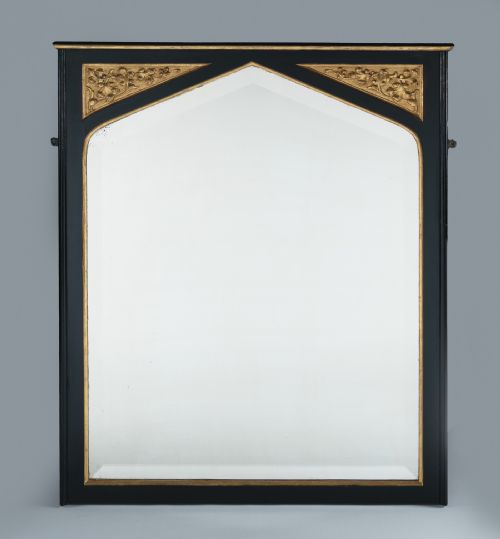
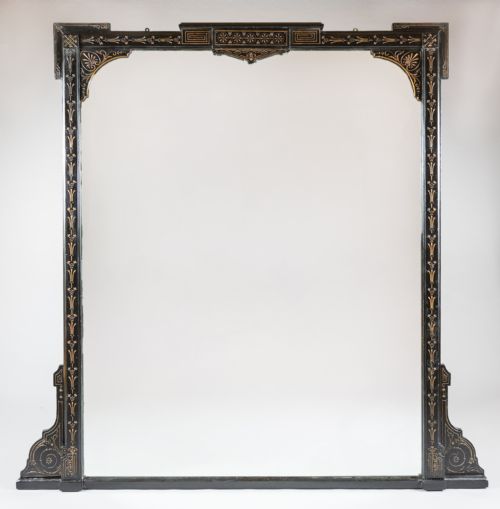
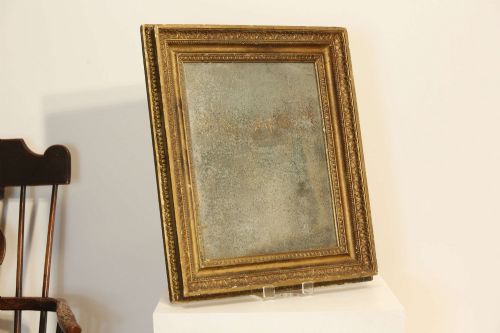
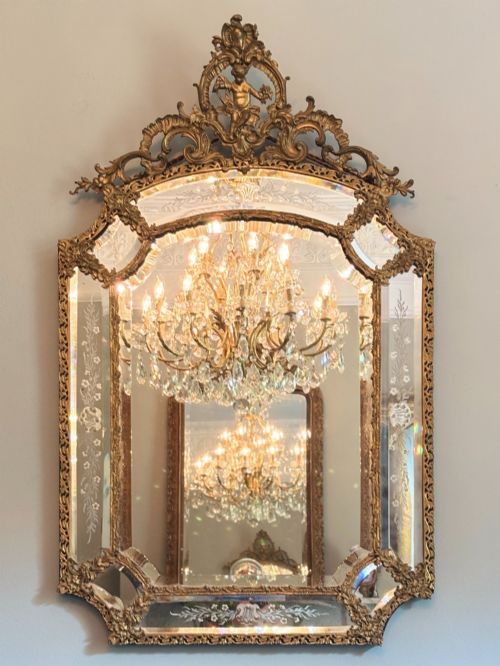
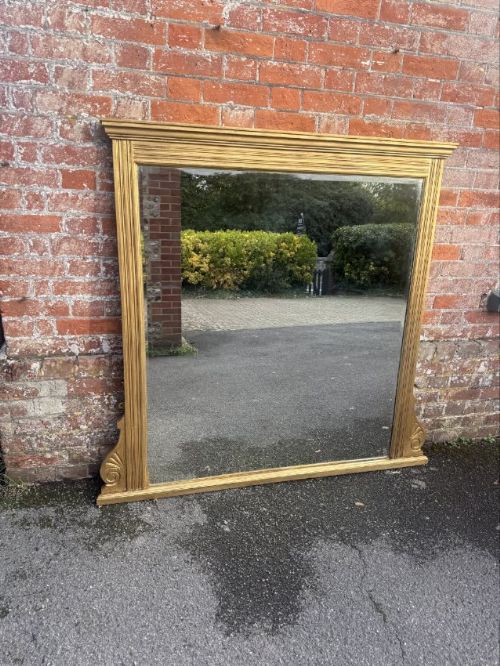
A victorian gilt framed mirror is a wall hanging piece designed to reflect light and anchor a room, appearing in forms such as large overmantels, tall hall mirrors, and compact cushion frames. These pieces span the nineteenth century, with specific dates appearing from eighteen fifty to eighteen ninety.
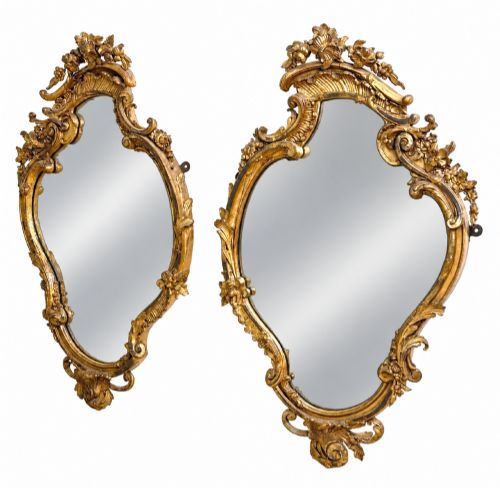
The evidence shows wall mirrors taking rectangular, oval, and convex shapes, often intended for specific spaces like over the fireplace or within a hallway. Styles extend beyond standard Victorian to include Rococo Revival, Louis XVI Revival, and Art Nouveau influences.
Country house proportions sit alongside smaller domestic examples, demonstrating the wide range of scales produced during the period. The collection includes pairs as well as individual statement pieces.
Quality and craftsmanship
The distinction between standard examples and the finest pieces lies in the depth and crispness of the carving and gesso work. Pierced foliate decoration and substantial timber construction separate superior items from simpler moulded versions.
The integrity of the original gilding and the weight of the frame indicate the level of craftsmanship invested at the time of manufacture. Heavier timbers and careful application of gold leaf define the upper end of the range.
Victorian Gilt Framed Mirror Retail Price Guide 2026
Typical asking prices for victorian gilt framed mirror among the pieces listed under this phrase on Sellingantiques today, from the lower quarter to the upper quarter. They describe what is for sale here now, not the wider market.
Some nineteenth-century mirrors come with extra depth so you can check your hat twice.
The Victorian Gilt Framed Mirror Glossary
- Gesso
- A plaster-like mixture applied to wood frames to create a smooth surface for gilding and carving. It allows for intricate relief decoration.
- Giltwood
- Timber that has been coated with gold leaf or gilt finish. This material provides a durable and bright metallic surface.
- Overmantel mirror
- A large mirror designed specifically to hang above a fireplace mantel. These pieces often feature wide horizontal proportions.
- Convex mirror
- A round mirror with a bulging glass surface that provides a wide-angle reflection of the room. It became popular in various nineteenth-century interiors.
- Cushion mirror
- A frame style with a rounded, convex profile that slopes inward toward the glass. This form adds depth and sculptural presence to the wall.
Victorian Gilt Framed Mirror: Frequently Asked Questions
Where should I hang a large overmantel mirror?
These large horizontal pieces traditionally sit directly above a fireplace mantel to reflect light and anchor the room.
Ensure the wall fixings match the substantial weight of the timber and gesso frame before installation.
How do I identify a mid Victorian mirror?
Mid-century pieces often display specific revival styles like Rococo or Louis XVI influences alongside rich giltwood and gesso decoration.
Dates around eighteen sixty to eighteen seventy frequently appear alongside these decorative characteristics in the records.
What is a convex mirror used for?
Convex mirrors provide a wide-angle reflection that captures the entire expanse of a room in a single curved glass plate.
Their round format creates a distinct focal point on a wall compared to standard rectangular looking glasses.
Are these mirrors suitable for hallways?
Tall hall mirrors fit narrow spaces by utilising vertical wall area while bouncing natural light into darker corridors.
Their proportions complement console tables or stand alone as functional decorative items.