
Victorian Gilt Clock
A victorian gilt clock brings together nineteenth-century mechanical precision and opulent metallic finish to anchor any room.
Victorian Gilt Clock
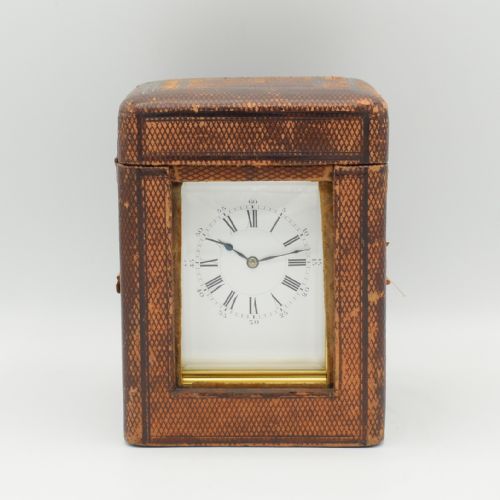
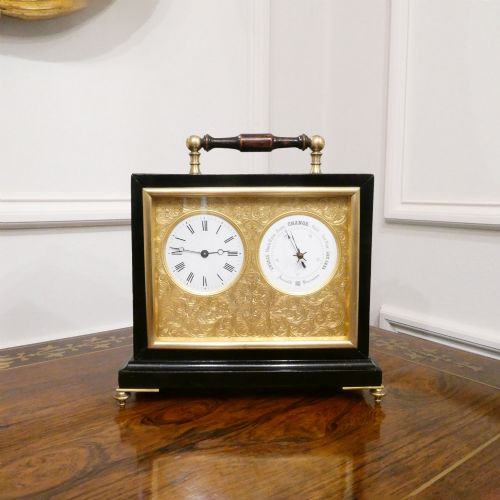
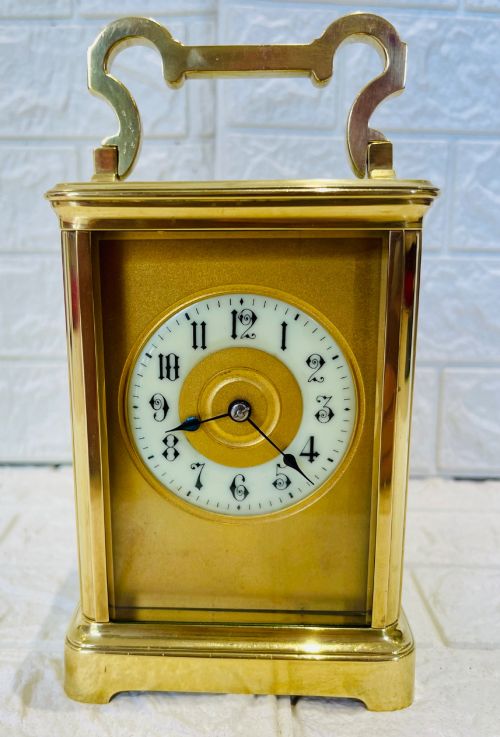
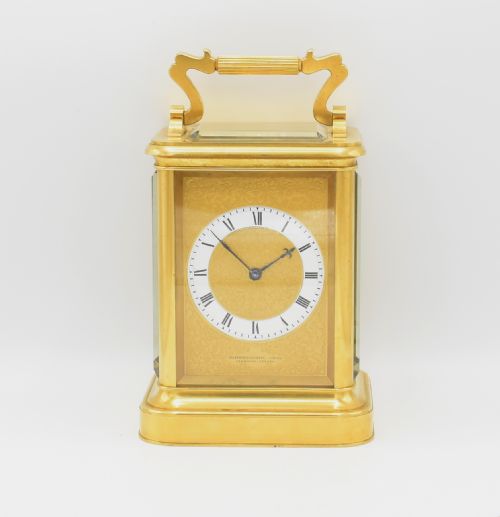
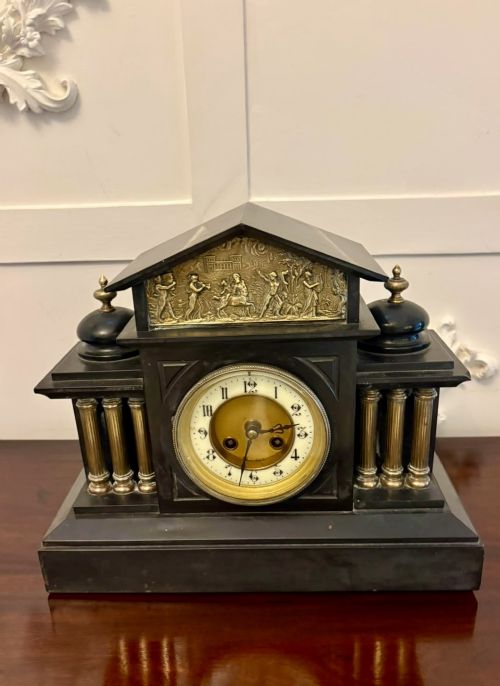
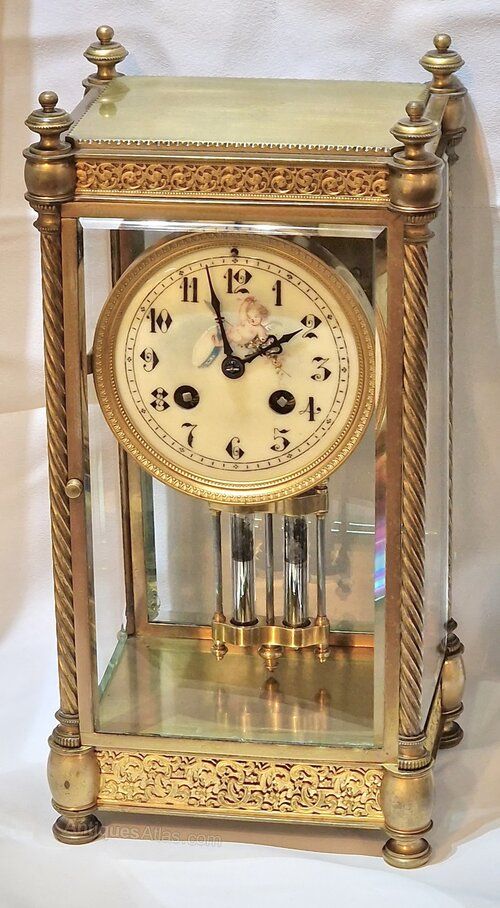
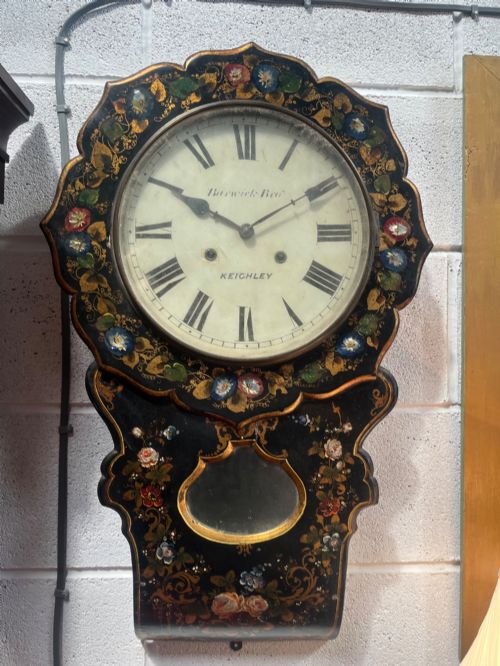
A victorian gilt clock encompasses diverse domestic timepieces ranging from portable brass carriage mechanisms to large mantel garnitures and architectural marble designs. These items reflect nineteenth-century manufacturing output across British and continental European workshops.
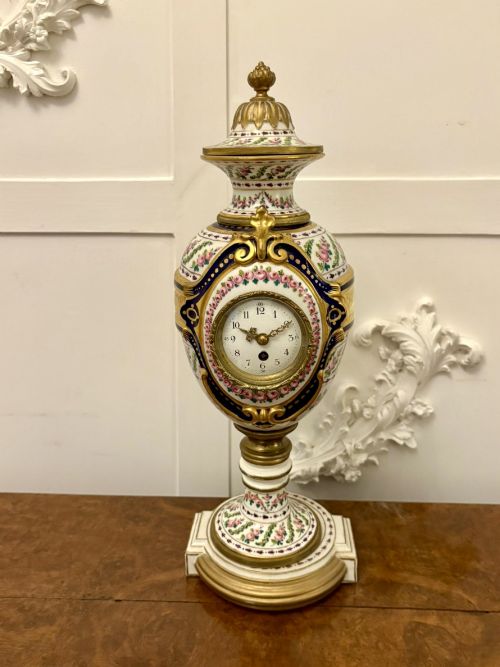
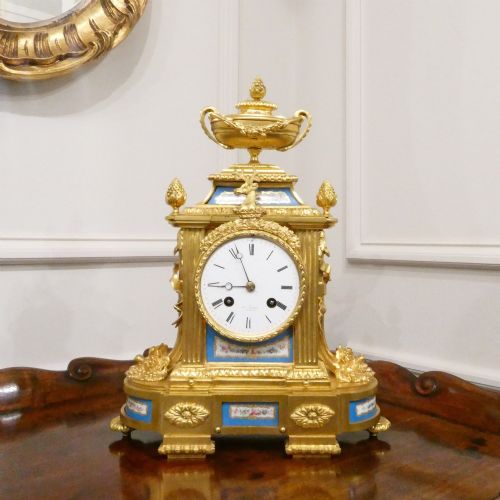
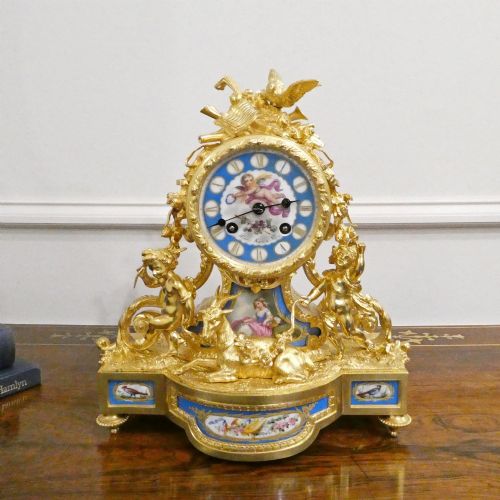
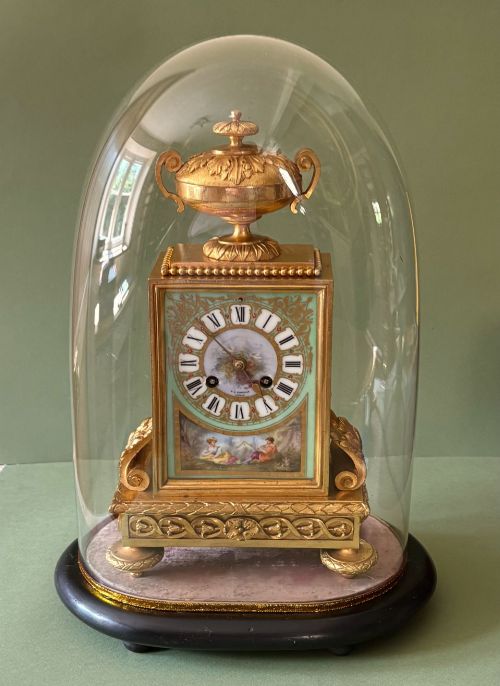
The objects on this page frequently appear as French mantel clocks adorned with porcelain panels, or as English fusee movements housed in heavy brass cases. Buyers often encounter these pieces styled in various revival modes including Rococo and Second Empire aesthetics.
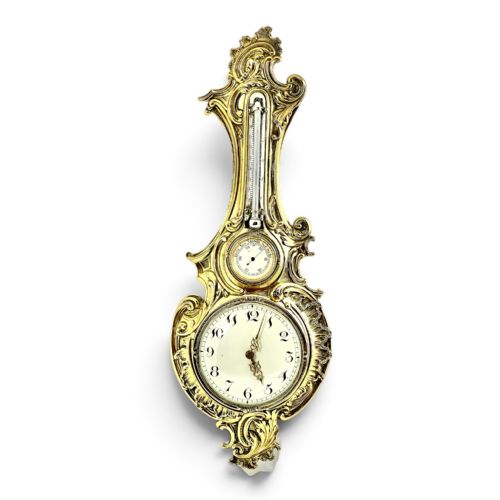
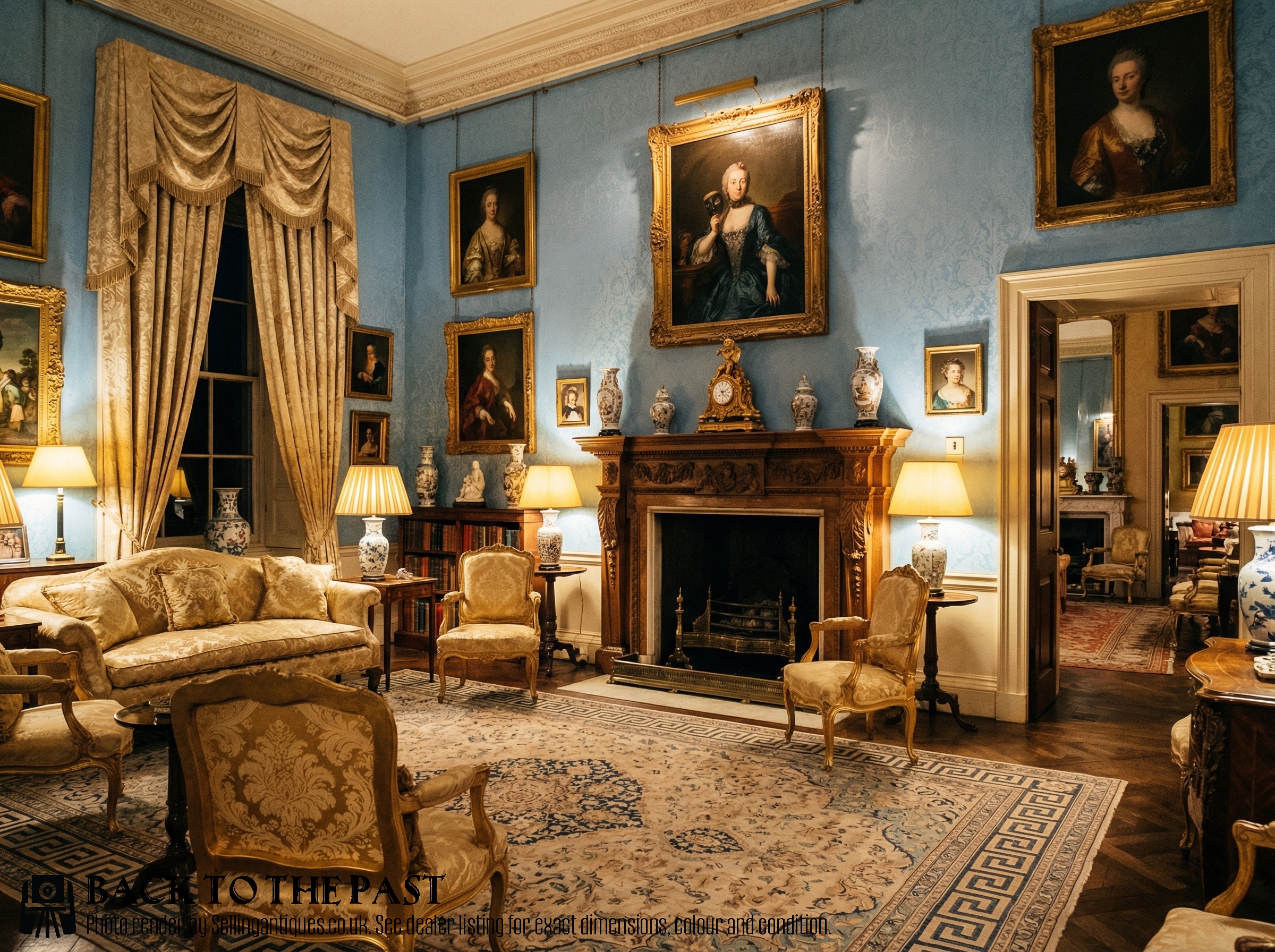
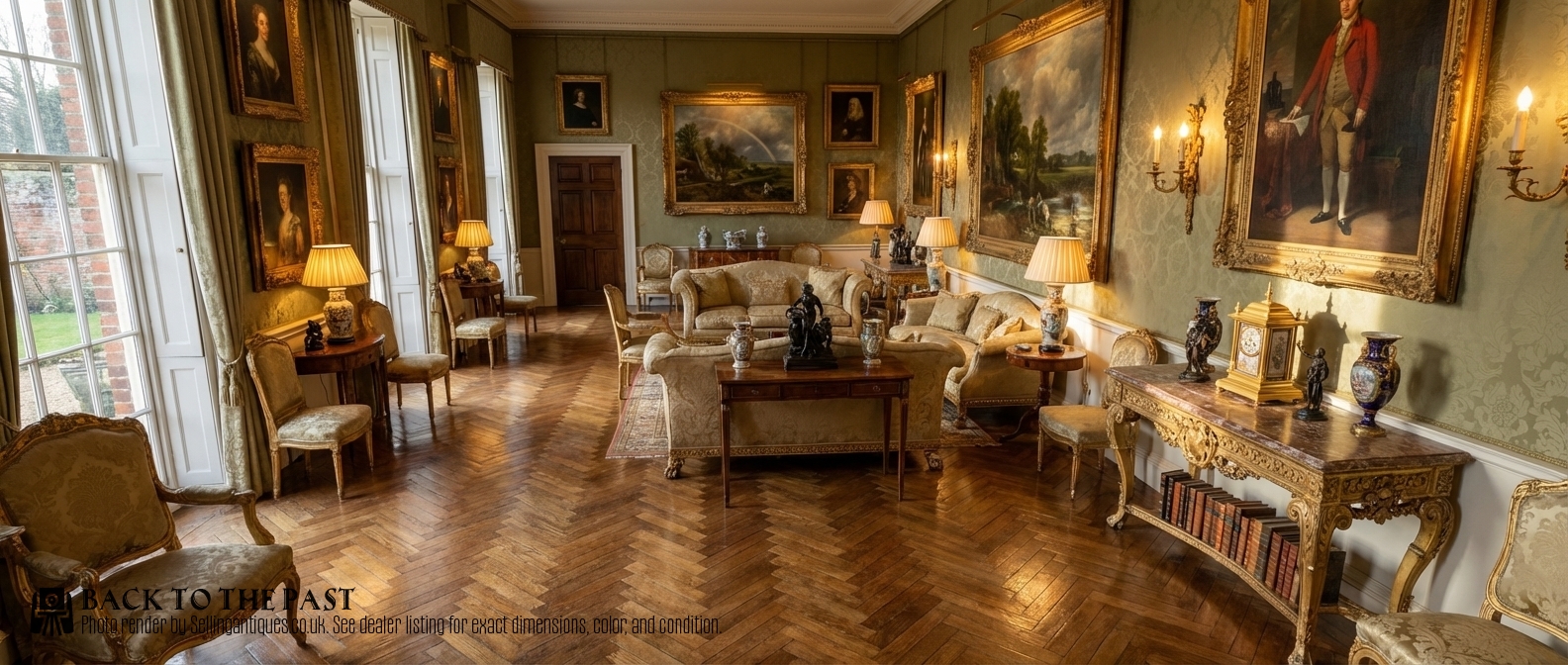
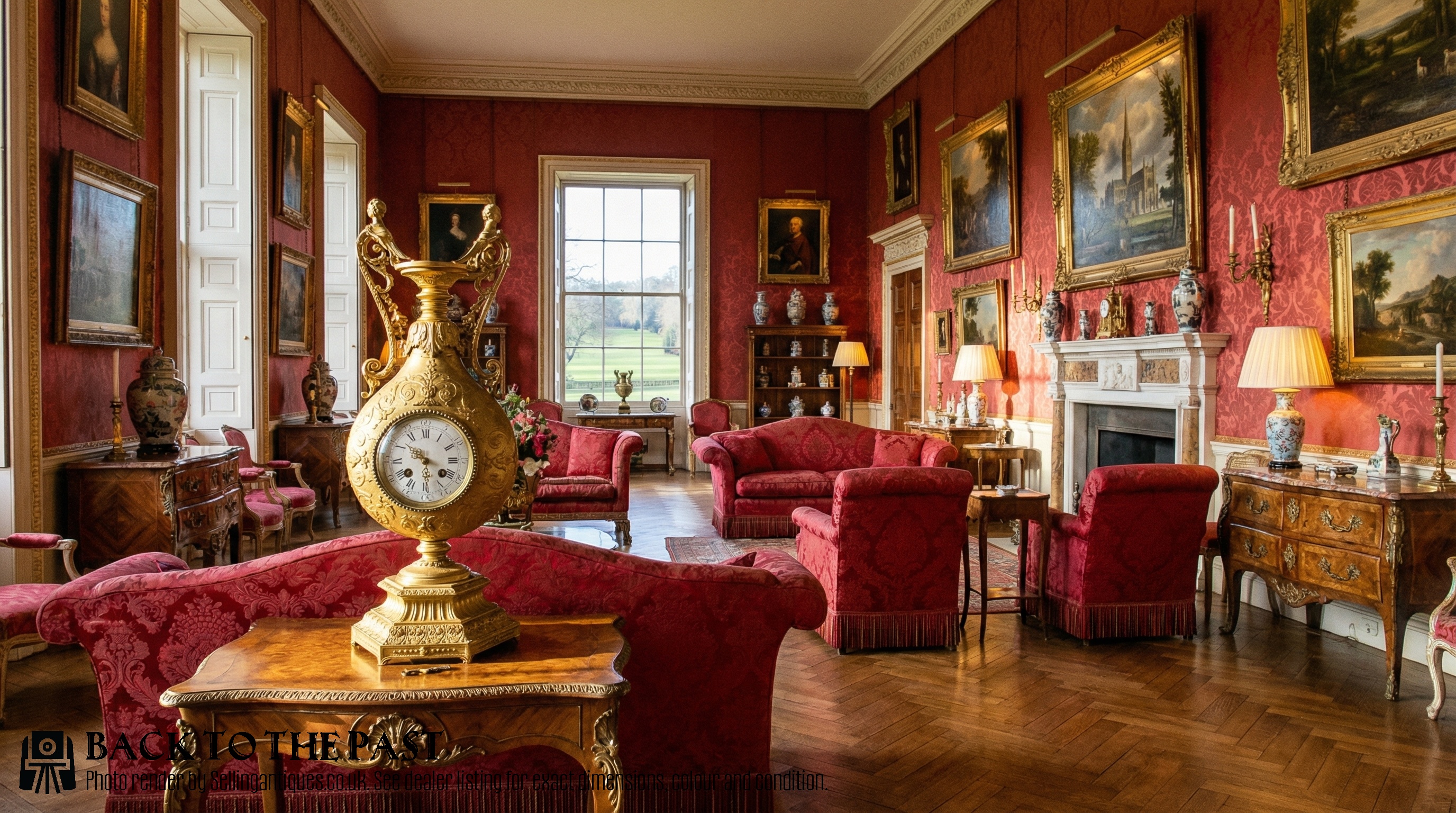
Domestic interiors of the period utilised these clocks as centrepieces for principal rooms, sometimes accompanied by matching side urns or barometers. Surviving examples demonstrate how mechanical utility merged with ornate decorative display during the Victorian era.
Materials and construction
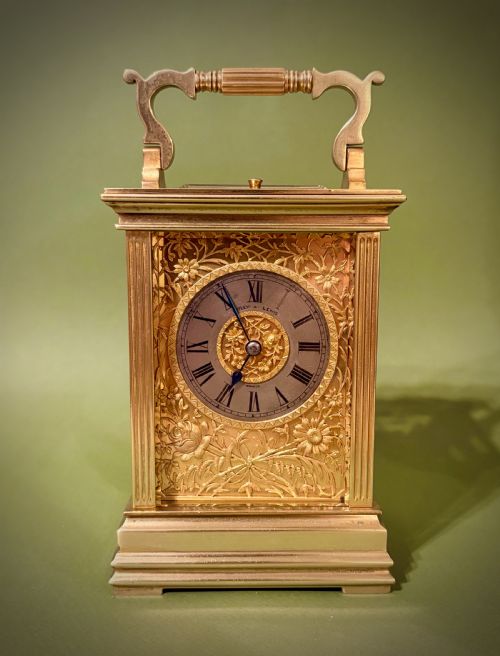
Makers constructed these timepieces using heavy brass or bronze foundations treated with gilt finishes, ormolu, and champleve enamel details. Many models integrate hand-painted porcelain plaques, marble bases, and bevelled glass panels within the housing.
Movements rely on intricate gear trains driven by springs or weights, featuring escapements designed for accuracy. Enamel dials with painted numerals receive protection behind convex glass covers fitted tightly into metal bezels.
Victorian Gilt Clock Retail Price Guide 2026
Typical asking prices for victorian gilt clock among the pieces listed under this phrase on Sellingantiques today, from the lower quarter to the upper quarter. They describe what is for sale here now, not the wider market.
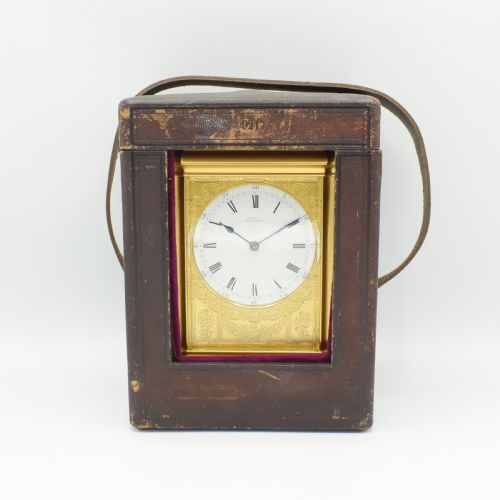
Some travel carriage clocks survived decades of bumpy coach rides while still keeping accurate time for their owners.
Evaluating craftsmanship
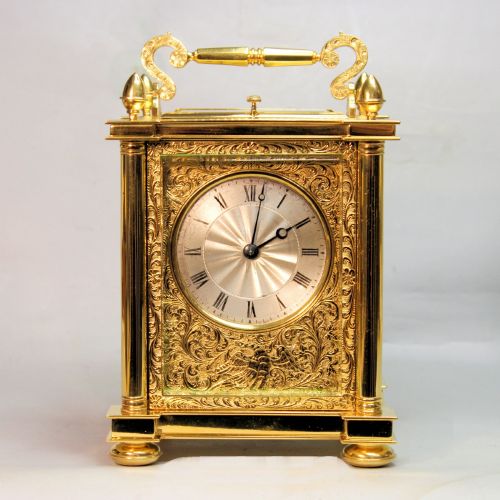
Quality separates through the crispness of chased metalwork and the depth of the gilding applied to bronze or brass surfaces. Superior examples feature fully engraved plates, repeating mechanisms, and signed dials from known makers.
The integration of decorative elements like porcelain panels and marble surrounds distinguishes standard production items from workshop pieces created with artistic ambition. Mechanisms that retain original components command greater interest among collectors.
HENRI JACOT·COUSENS & WHITESIDE·Henry Marc·Goldsmiths Alliance Ltd·Howell & James·Samuel Marti·MAPPIN AND WEBB·Vincenti & Co.
The Victorian Gilt Clock Glossary
- Fusee
- A conical pulley used in clock movements to maintain even power delivery as the mainspring unwinds. This device ensures consistent timekeeping across the operational cycle of the clock.
- Ormolu
- Gilded bronze produced through a mercury amalgamation process common in nineteenth-century decorative metalwork. The technique yields a deep golden lustre on cast bronze mounts.
- Garniture
- A set consisting of a central clock flanked by matching ornamental pieces such as vases or candelabra. These matched ensembles decorated mantelpieces in formal domestic interiors.
- Carriage clock
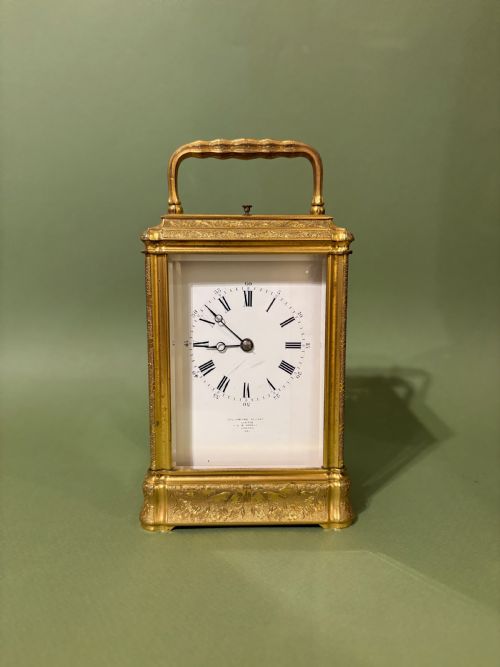
- A portable spring-driven timepiece equipped with a folding handle and glass panels, originally designed for travel. These mechanisms often feature striking or repeating complications.
- Champleve
- An enamelling technique where troughs are dug into a metal surface and filled with vitreous paste before firing. This method creates colourful decorative patterns across clock cases and dials.
Victorian Gilt Clock: Frequently Asked Questions
How do I wind a mechanical victorian gilt clock safely?
Locate the winding arbours on the dial face and use the correct matching key to turn the spring gently clockwise until resistance builds. Avoid over-winding to prevent tension damage inside the barrel.
Set the time by moving only the minute hand forward through the sequence. Turning hands backward can disrupt the internal strike train synchronization.
Where should I place a heavy marble mantel clock?
Select a sturdy surface capable of supporting considerable weight, such as a slate hearth or a reinforced console table. Ensure the foundation remains completely level to keep the pendulum swinging evenly.
Avoid positioning the mechanism near direct heat sources or damp walls. Stable atmospheric conditions protect both the gilt surfaces and the delicate internal steel pivots.
What does a repeating carriage clock do?
A repeating mechanism sounds the most recent hour and quarter-hour upon pressing a plunger or button on the case exterior. This feature allowed users to check the time in darkness without striking lights.
These complex additions indicate higher workshop production standards. They required expert adjustment by horologists during initial assembly.
How can I distinguish French carriage clocks from English ones?
French production often emphasises decorative engraving on the gilt brass case alongside platform escapements visible through glass panels. Makers like Henri Jacot specialised in these refined portable designs.
English alternatives frequently employ robust fusee movements housed in heavier wooden or brass frames designed for domestic stability rather than travel.