




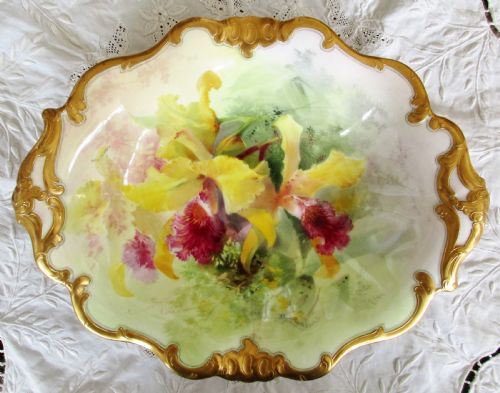
Victorian Gilt Bowls
Victorian gilt bowls bring nineteenth-century shine to a table through gold leaf, gilt bronze, and silver gilt applied to porcelain and glass.
Victorian Gilt Bowls
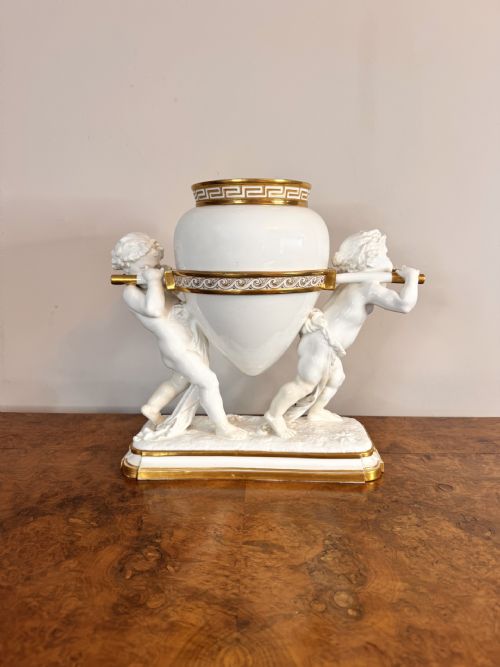
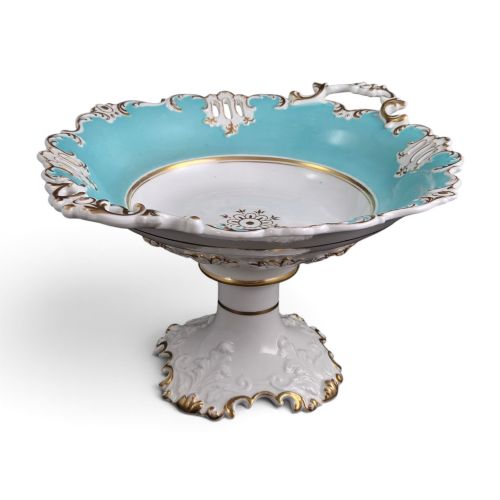
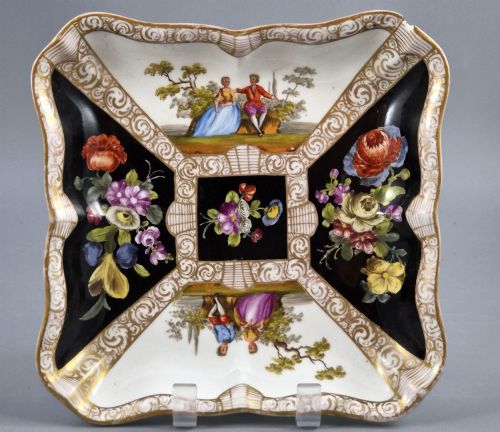
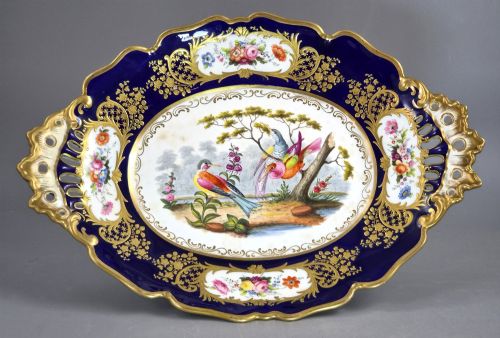
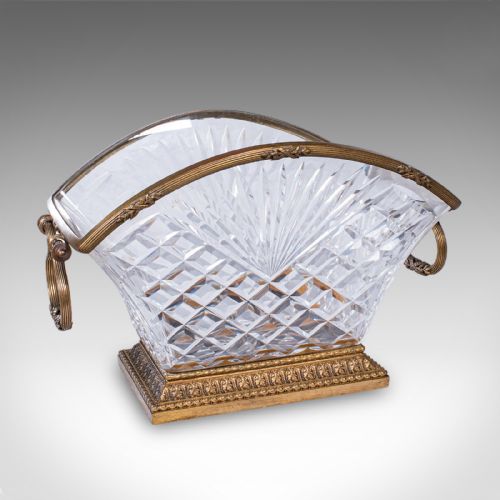
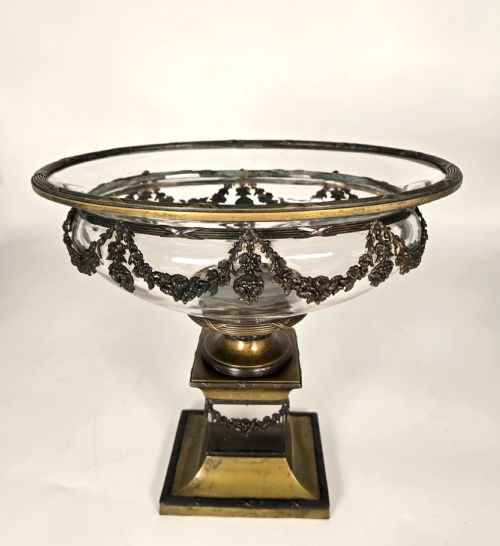
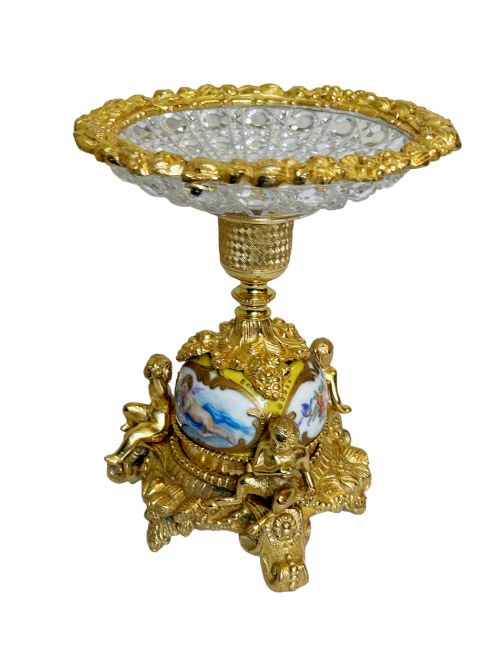
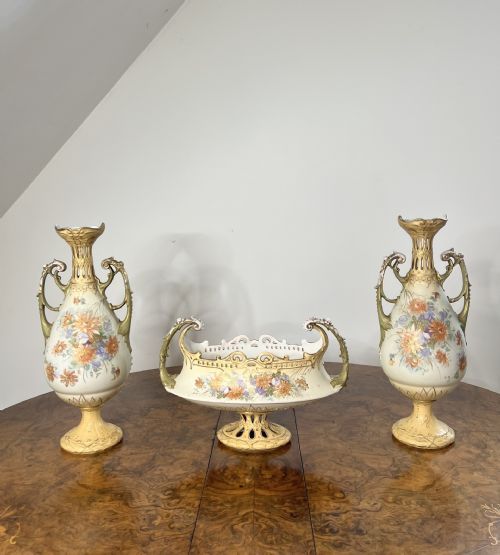
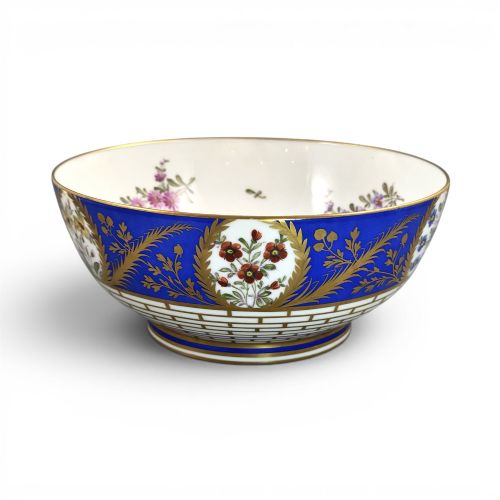
Victorian gilt bowls encompass centrepieces, tazzas, sugar bowls, and decorative dishes created during the nineteenth century. These vessels range from porcelain and bone china bodies with hand-painted scenes to heavy glass and bronze-mounted display pieces.
Makers and factories across England and continental Europe produced these items for domestic display and dining. The selection includes cabinet dishes, fruit bowls, and footed tazzas decorated with gilt edges, floral sprays, and classical motifs.
Materials and methods
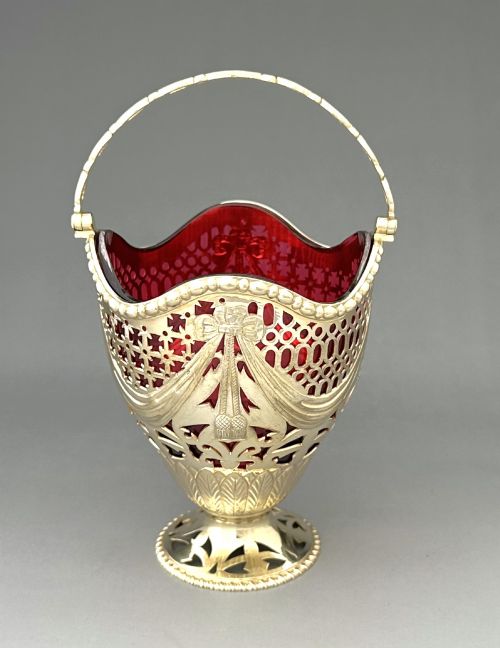
Potters and glassmakers utilised porcelain, bone china, ruby glass, and cut crystal as base materials for these vessels. Artisans applied gold leaf, gilding, and ormolu mounts to accent the rims, handles, and feet.
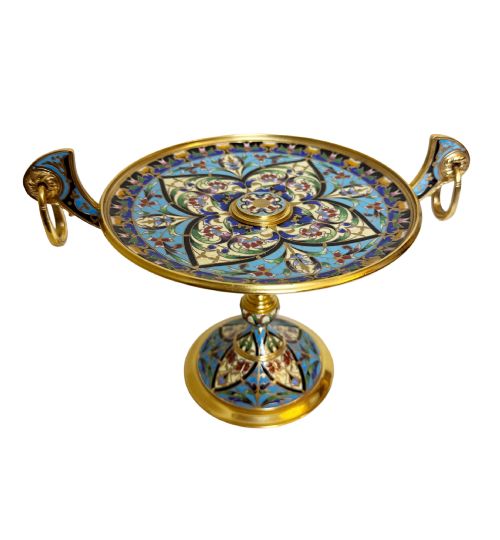
Techniques such as champlevé enamel work, hand-painted botanical studies, and transfer printing added intricate detail to the ceramic and metal surfaces. Bronze casting and silver plating provided structural support for heavy glass and porcelain inserts.
Victorian Gilt Bowls Retail Price Guide 2026
Typical asking prices for victorian gilt bowls among the pieces listed under this phrase on Sellingantiques today, from the lower quarter to the upper quarter. They describe what is for sale here now, not the wider market.
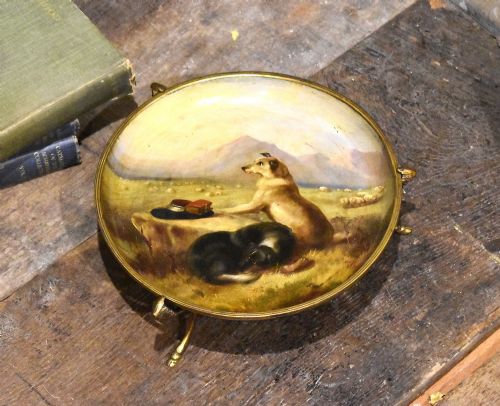
Papier-mâché and ormolu comports in this selection come decorated with painted dogs.
Quality differences
The distinction between standard production items and top-tier pieces rests on the crispness of the gilding and the precision of the hand-painted decoration. Finer examples display deeper hand-tooling on bronze mounts and superior clarity in cut crystal or ruby glass.
The reputation of the pottery or workshop influences the standing of a piece, with named factories and identified artists commanding greater attention. The preservation of the gold leaf and enamel without excessive rubbing determines the desirability of surviving items.
Minton·Royal Crown Derby·Coalport·Meissen·Royal Doulton·Royal Vienna·Sevres·Doulton Burslem·Royal Worcester·C.G. Schierholz and Sohn
The Victorian Gilt Bowls Glossary
- Gilt
- Covered thinly with gold leaf or gold paint. This finish creates the characteristic metallic gleam found on nineteenth-century ceramics and metalwork.
- Tazza
- A shallow ornamental bowl set on a foot and stem. These elevated dishes served fruit or sweetmeats during Victorian dining.
- Ormolu
- Ground brass or bronze finished with a gold-coloured mercury amalgam. It decorated the mounts and handles of French and English decorative bowls.
- Champlevé
- An enamelling technique where troughs are dug into metal and filled with vitreous paste. Firing fuses the coloured enamel into the metal base.
- Imari
- A style of Japanese-inspired ceramic decoration utilising cobalt blue, iron red, and gold. Victorian potteries adopted these patterns on plates and bowls.
Victorian Gilt Bowls: Frequently Asked Questions
What were Victorian gilt bowls used for?
These vessels served various functions in nineteenth-century homes, from holding fruit and sugar to displaying floral arrangements on dining tables and cabinets.
Larger tazzas and centrepieces acted as formal table focal points, while smaller dishes held sweets or assisted with afternoon tea service.
How do I identify a Victorian gilt bowl?
Examination of the paste, base marks, and manufacturing techniques helps determine the period and origin. English and continental factories often stamped or painted factory marks underneath the ceramic body.
The style of the gilding, whether fire gilt bronze or brushed gold leaf on porcelain, aligns with nineteenth-century manufacturing methods.
How do I clean a gilt bowl?
Careful dusting with a soft, dry cloth protects delicate gold leaf and painted enamel from damage. Moisture can lift fragile gilding or tarnish exposed bronze mounts.
Harsh chemical cleaners and abrasive cloths must be avoided to preserve the original nineteenth-century surfaces.
Are these bowls safe for food?
Most antique pieces function best as decorative display items rather than functional tableware. Historic glazes and gold applications may contain substances not recommended for modern consumption.
Gentle use for dry items is sometimes possible, but display remains the primary purpose for these decorative objects.