




Victorian Gilded Moulding
Victorian gilded moulding brings warmth and decorative brilliance to interiors through centuries-old craftsmanship.
Victorian Gilded Moulding
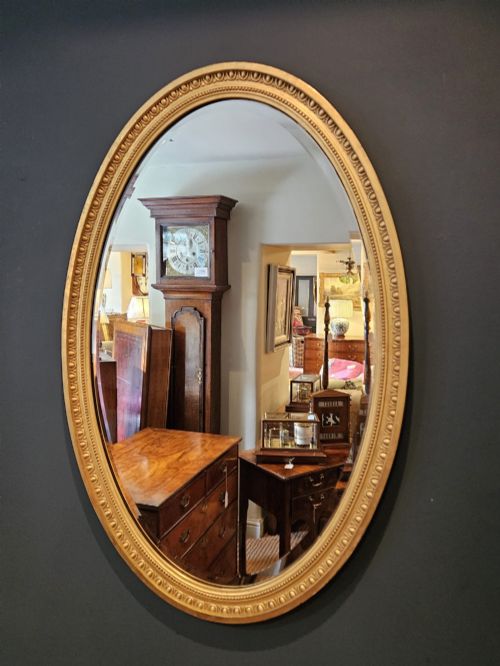
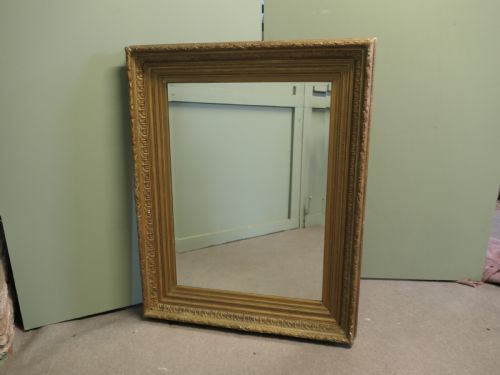
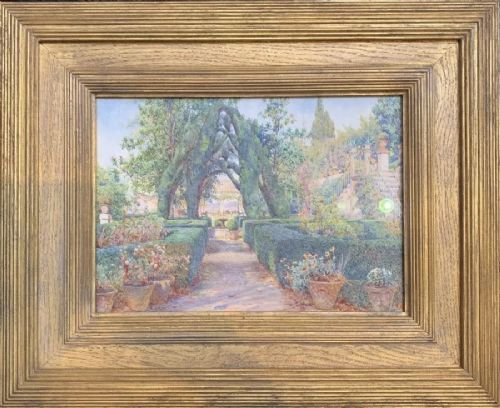
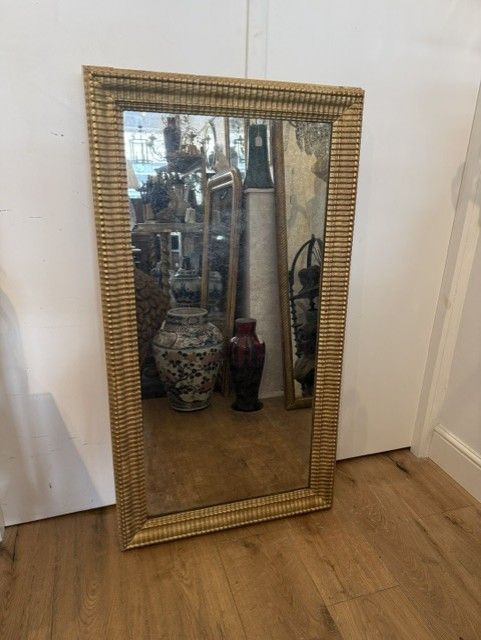
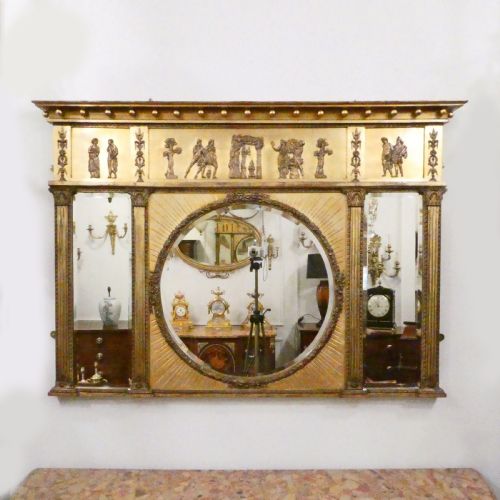
Victorian gilded moulding encompasses decorative frames, wall mirrors, and overmantels originating from the nineteenth century. These pieces introduce reflective surfaces and ornate metallic finishes to domestic spaces.
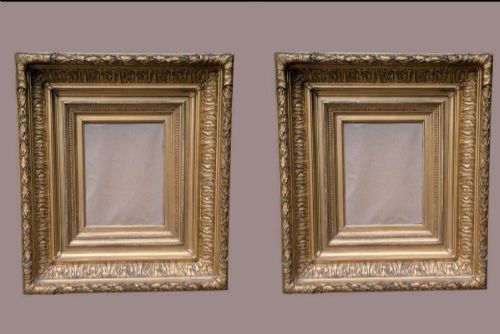
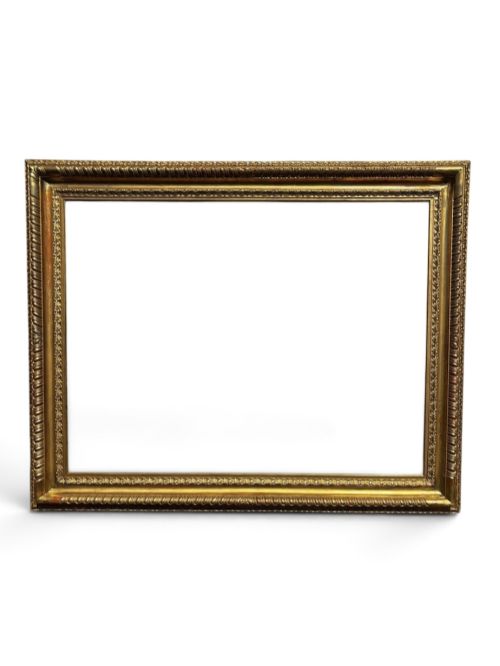
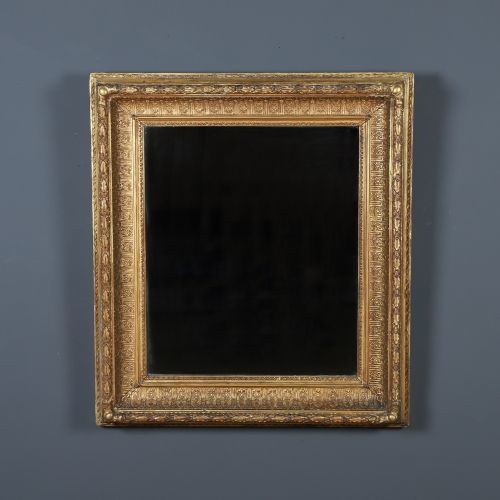
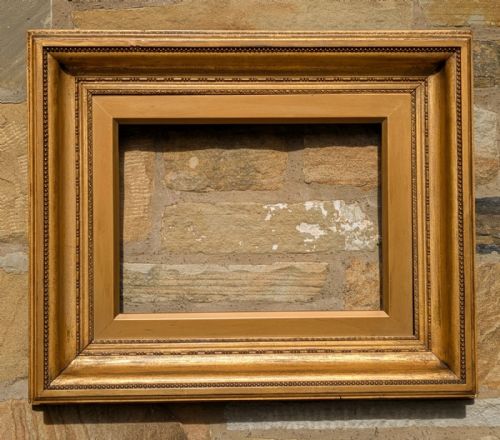
The selections available here showcase various forms including deep picture frames, oval wall mirrors, and carved wooden overmantels. These items reflect the diverse decorative tastes of the nineteenth century, ranging from classical revivals to organic motifs.
Buyers encountering this category will find pieces utilising traditional techniques to create ornate wall hangings and furnishings. Each item retains the distinct visual weight and presence characteristic of the period.
Materials and construction
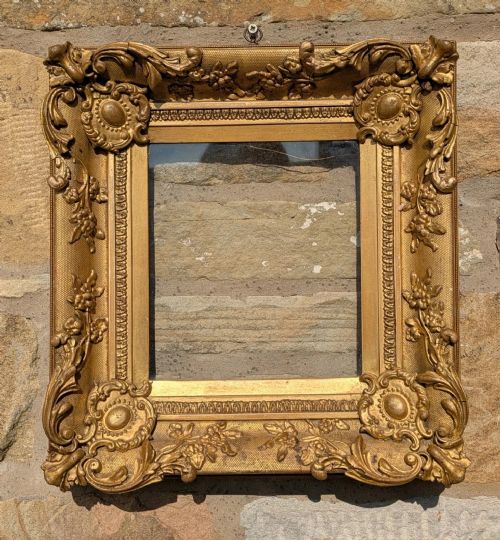
Makers constructed these frames and mirrors using timber as a foundational base, applying layers of gesso to build up intricate relief decoration. Artisans then applied gold leaf or gilt finish over the prepared surfaces to achieve a brilliant metallic sheen.
Composition material frequently supplemented carved wood elements, allowing workshops to produce repeating ornamental details efficiently. Glaziers fitted mirrors into these housings, sometimes utilising deep profiles to enhance the visual depth of the object.
Victorian Gilded Moulding Retail Price Guide 2026
Typical asking prices for victorian gilded moulding among the pieces listed under this phrase on Sellingantiques today, from the lower quarter to the upper quarter. They describe what is for sale here now, not the wider market.
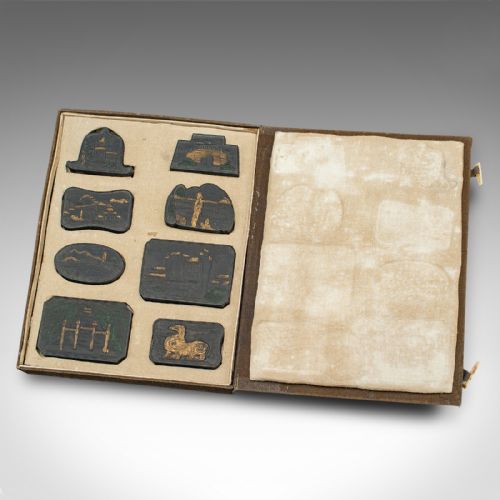
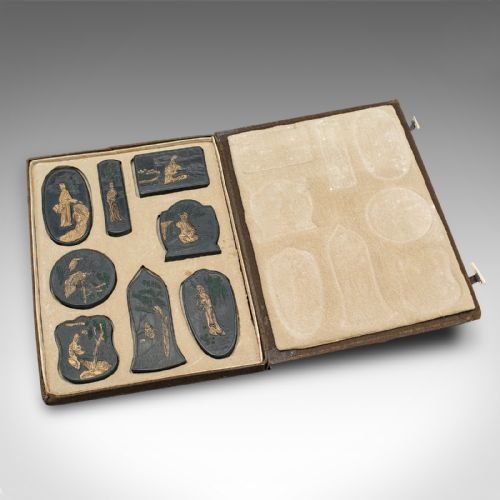
Calligraphic ink blocks and porcelain table caskets occasionally slip into the company of these mirrors, proving Victorians loved gilding on almost everything.
Assessing the work
Quality in these pieces depends on the depth and crispness of the applied decoration, whether through hand carving or meticulous gesso work. Superior examples display sharply defined acanthus leaves and well-preserved metallic surfaces.
Heavier construction and substantial timber frames generally indicate higher manufacturing standards. The retention of original gilding and structural integrity further separates superior items from simpler or heavily restored examples.
Ernest Arthur Rowe·John Baley·Royal Worcester·Capodimonte
The Victorian Gilded Moulding Glossary
- Gesso
- A plaster-based mixture applied to wood surfaces as a preparation for gilding. It provides a smooth ground that artisans could shape into relief ornamentation.
- Giltwood
- Timber that has been coated with gold leaf or a gold-coloured finish. This material forms the primary structure of many nineteenth-century luxury frames and mirrors.
- Acanthus
- A classical leaf motif frequently carved into nineteenth-century mouldings and frames. This ornament draws inspiration from Mediterranean flora and architectural traditions.
- Overmantel
- A large mirror or framed piece designed specifically to hang above a fireplace mantel. These objects dominated Victorian reception rooms and reflected light across the interior.
Victorian Gilded Moulding: Frequently Asked Questions
What is a Victorian overmantel mirror?
An overmantel mirror is a large decorative glass panel housed in a ornate gilded frame designed to hang above a fireplace. These pieces served as focal points in Victorian reception rooms.
They often incorporated architectural styling or elaborate foliage motifs to command attention within the domestic interior.
How do I care for gilt frames?
Gilt frames require gentle dusting with a soft, dry brush to prevent accumulation without disturbing fragile metallic surfaces. Avoid liquid cleaners and moisture.
Keep these objects away from direct sunlight and excessive humidity to preserve the integrity of the underlying gesso and gold leaf.
What is gesso moulding?
Gesso moulding involves applying a chalk and glue mixture over wood to create raised decorative patterns before gilding. This technique allowed makers to achieve intricate relief details.
It forms the tactile surface characteristic of many nineteenth-century frames and architectural elements.
Are these mirrors original to the nineteenth century?
The pieces listed originate from the nineteenth century, encompassing various decades from the 1850s through to 1900. Construction methods and materials align with Victorian manufacturing practices.
Each item carries the specific stylistic markers of its production era, from classical revival to later decorative movements.