
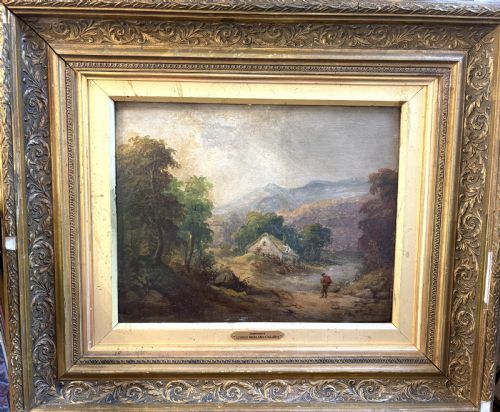


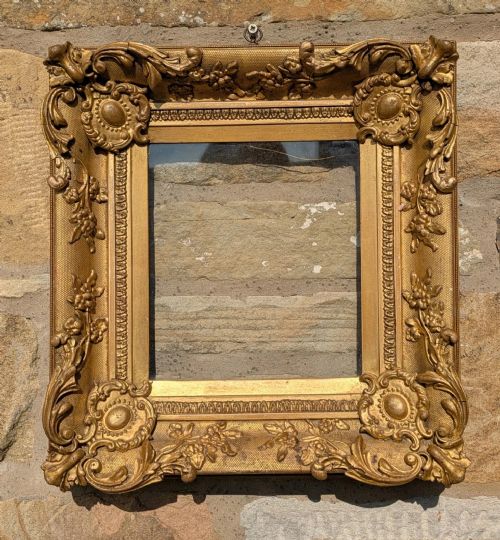
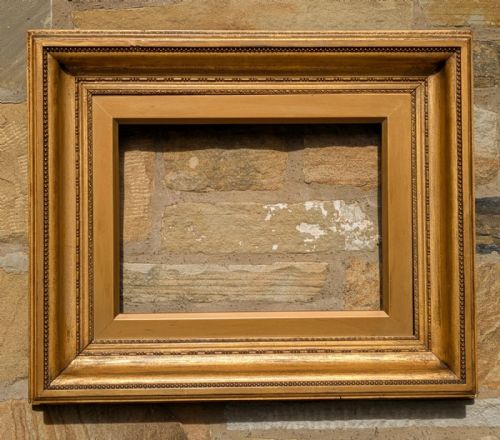


Heavy Picture Frame
A heavy picture frame holds a substantial canvas or mirror securely while adding monumental presence to a room through deep mouldings and rich gilding.
Heavy Picture Frame
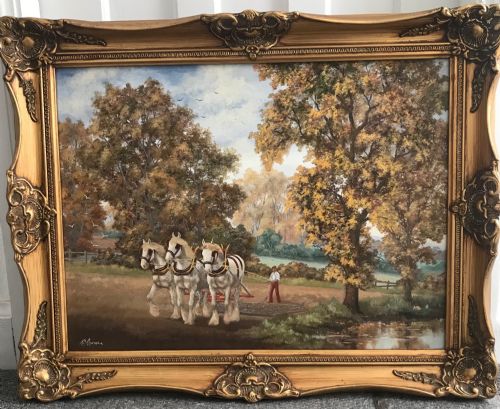
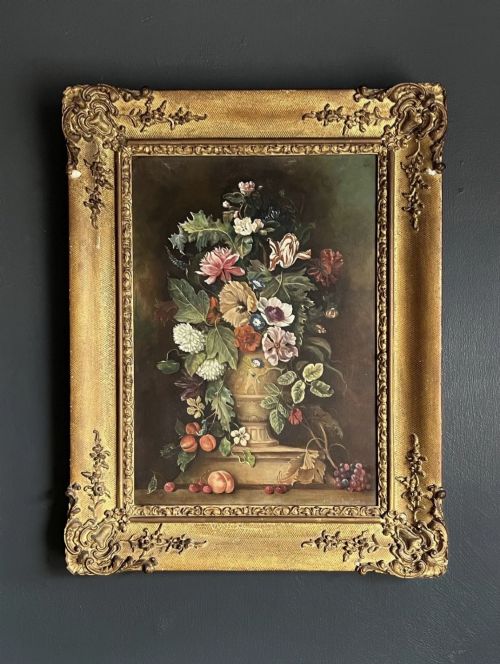
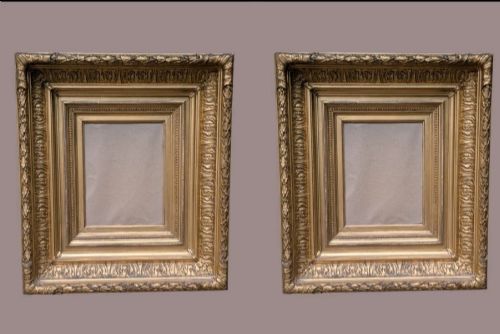
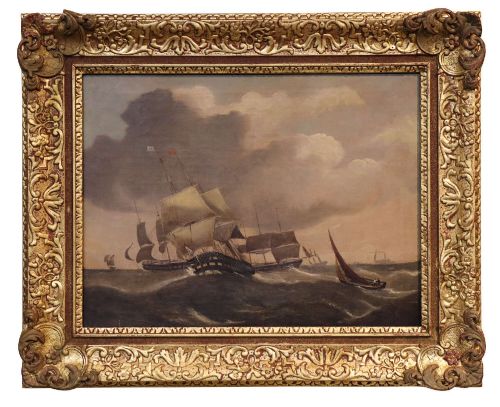
A heavy picture frame is designed to support substantial oil paintings, mirrors, and portraits, providing structural integrity and visual weight. You will most frequently encounter deep Victorian gilt frames and ornate nineteenth-century examples on this page.
The selection ranges from expansive overmantle mirrors and landscape formats to specialised housings with linen slips. These pieces originate primarily from the nineteenth century alongside select twentieth-century and earlier works.
Many listings house original oil paintings, marine scenes, or equine portraits, while others serve as standalone decorative borders ready for new canvases.
Materials and construction methods
Makers built these robust structures using timber foundations overlaid with gesso to create sculptural depth and relief ornament. Craftsmen then applied gold leaf or gilding to achieve a luminous metallic finish.
Ornate surface details required meticulous moulding of gesso before the final gilding process took place. Linen slips frequently added an interior border of texture between the picture and the outer gilt frame.
Some heavy frames weigh significantly more than the paintings inside them, requiring two people just to change the exhibition layout.
Assessing quality and craftsmanship
Quality rests in the crispness of the moulded ornament and the depth of the timber profile. Superior examples display sharply defined relief work rather than softened, worn details.
The integrity of the original gilt surface dictates the stature of the piece. Untouched gold leaf and sound gesso foundations elevate a frame far above those with heavy modern repainting.
George Morland·Andre de Moller·Vernon Stokes·Alexandre Decamps
The Heavy Picture Frame Glossary
- Gesso
- A plaster-like mixture applied to wooden frames as a smooth base for gilding. It allows craftsmen to carve or mould intricate decorative reliefs.
- Giltwood
- Timber that has been coated with gold leaf or a gold-coloured finish. This material defines the luxurious appearance of traditional picture frames.
- Linen slip
- An inner border fabric inset between the main frame and the artwork. It provides a neutral textural transition for oil paintings.
- Overmantle mirror
- A large wall mirror designed to hang directly above a fireplace mantel. These pieces share the heavy proportions and gilt decoration of picture frames.
- Ormolu
- Finely chased and gilt bronze applied to decorative objects. It appears on smaller glazed photo frames from the nineteenth century.
Heavy Picture Frame: Frequently Asked Questions
How do I hang a heavy picture frame securely?
These substantial frames require robust wall fixings anchored directly into masonry or wall studs to support their considerable weight safely.
Utilise heavy-duty picture wire or mirror brackets attached securely to the wooden carcass rather than relying on decorative hardware alone.
Can I use these frames for modern art?
Pairing a nineteenth-century gilt frame with contemporary canvas creates a striking contrast between historic craftsmanship and modern imagery.
Ensure the internal dimensions and depth of the rebate match the thickness of your stretcher bars before mounting.
How do I clean a gilt gesso frame?
Dust the surface gently using a very soft dry brush to remove particles without disturbing delicate raised gesso ornament.
Avoid liquid cleaners and moisture entirely, as water can dissolve the historic water-gilding preparation underneath the gold leaf.
What indicates a nineteenth-century date?
Look for hand-carved wooden construction techniques, traditional composition gesso ornament, and natural ageing of the underlying bole beneath the gold leaf.
Early Victorian examples often feature deeper profiles and heavier timber foundations than later mass-produced alternatives.