
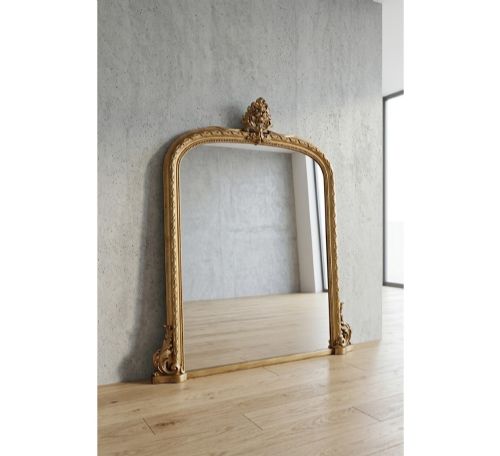
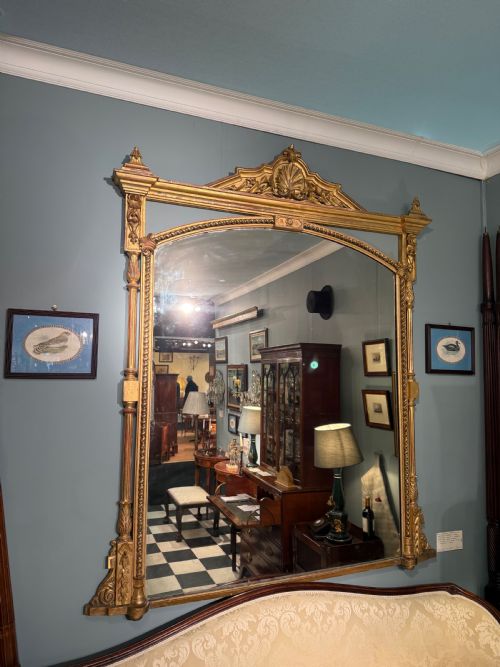
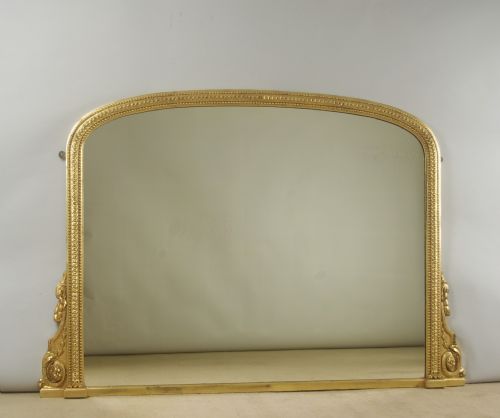
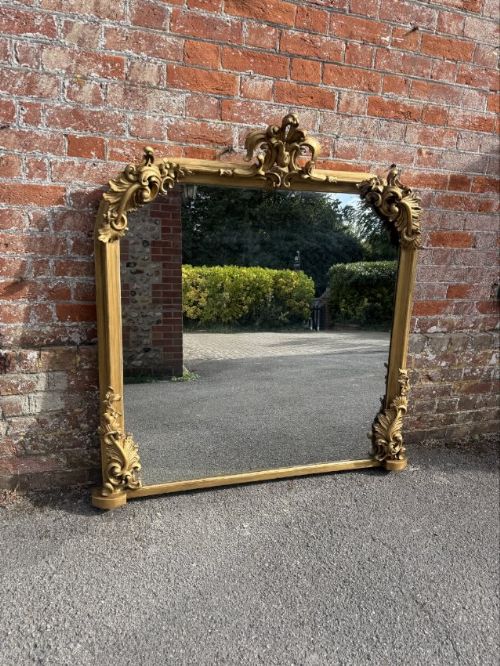


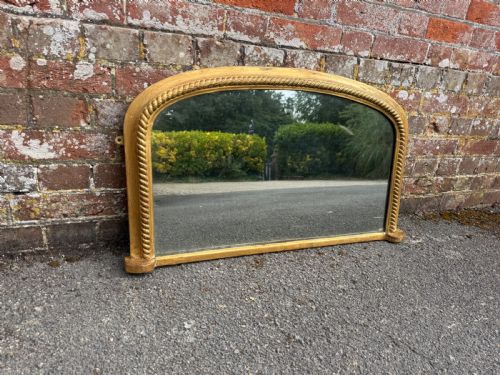
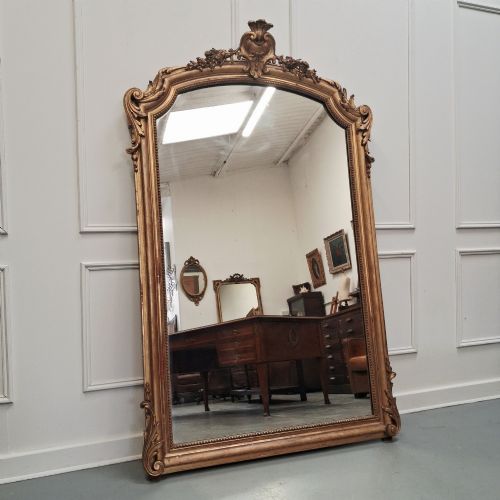
Victorian Gilded Arch Overmantel Mirror
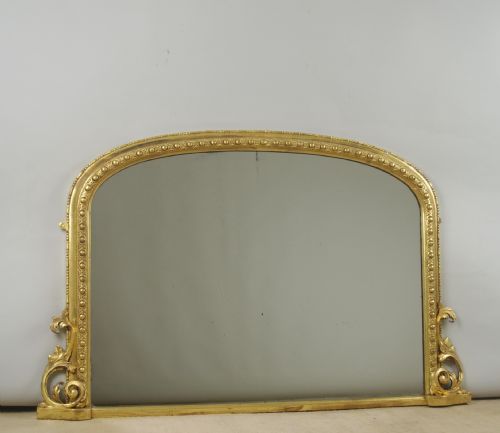
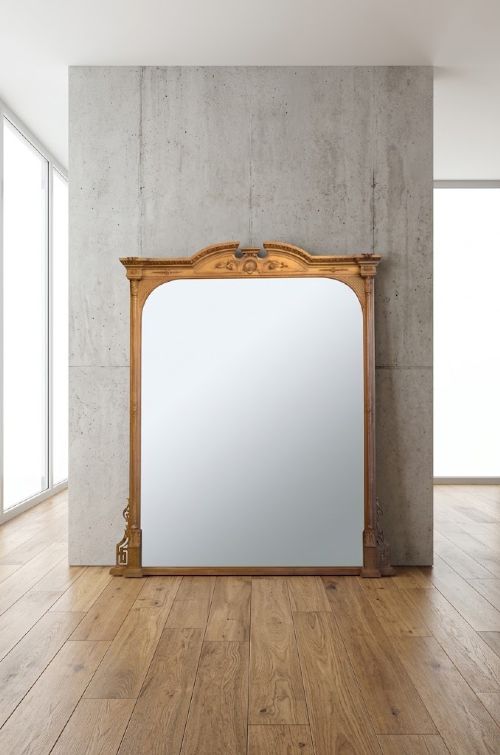
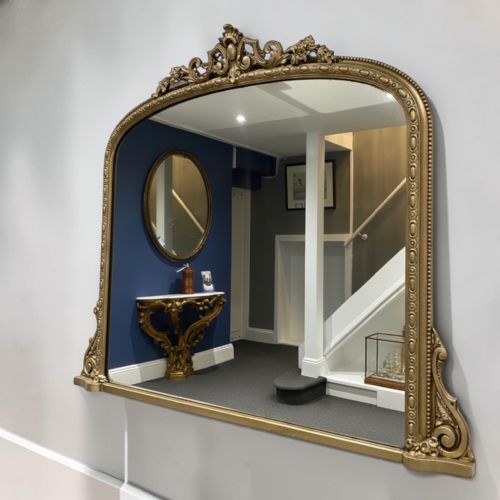
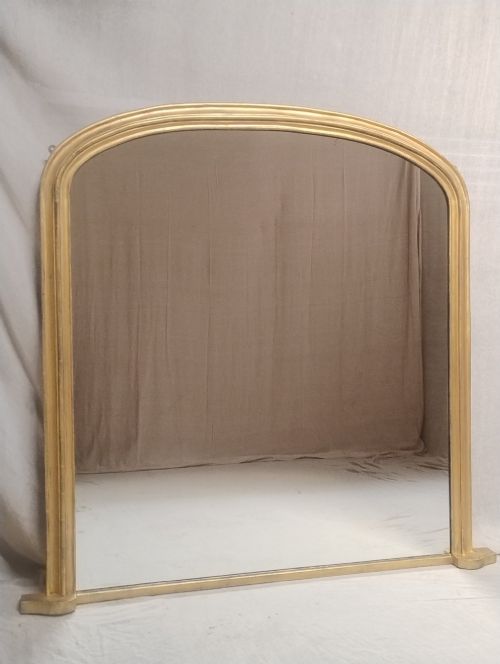
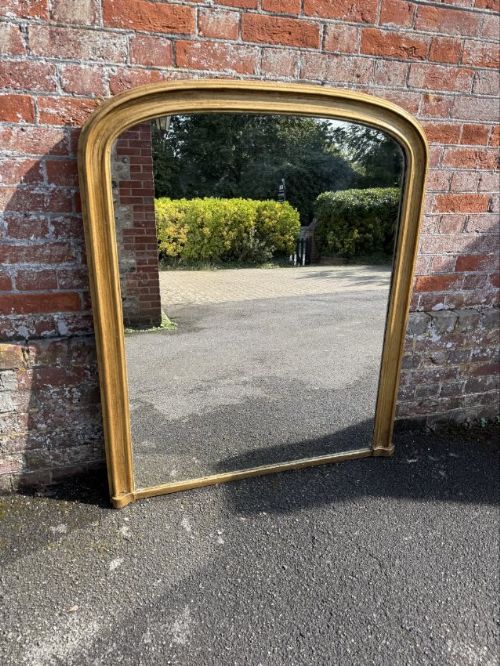
A victorian gilded arch overmantel mirror commands a fireplace wall, bringing scale, light and architectural presence to a nineteenth-century interior.
Victorian Gilded Arch Overmantel Mirror
A victorian gilded arch overmantel mirror sits directly above a mantelpiece, designed to reflect light and fill the wide vertical space of a chimney breast. These pieces span periods from the early nineteenth century through to nineteen hundred, with Victorian examples appearing most frequently alongside nineteenth-century French pieces.
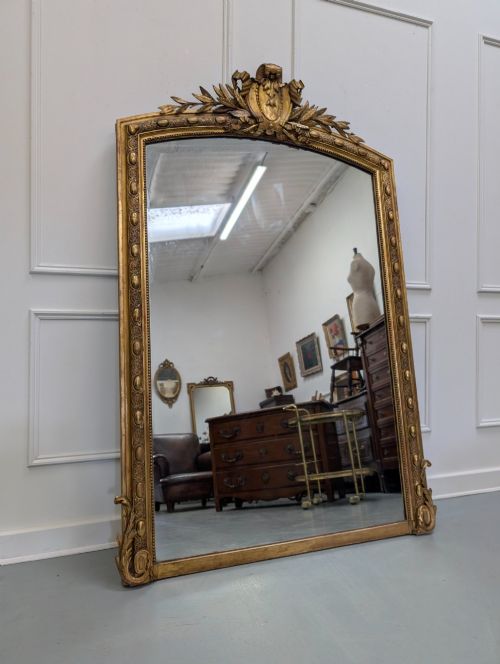
The dominant forms on this page include large arched top and shaped top overmantels, wall mirrors, and pier mirrors. Makers built these to anchor formal reception rooms, frequently employing substantial dimensions that exceeded one hundred and sixty centimetres in height.
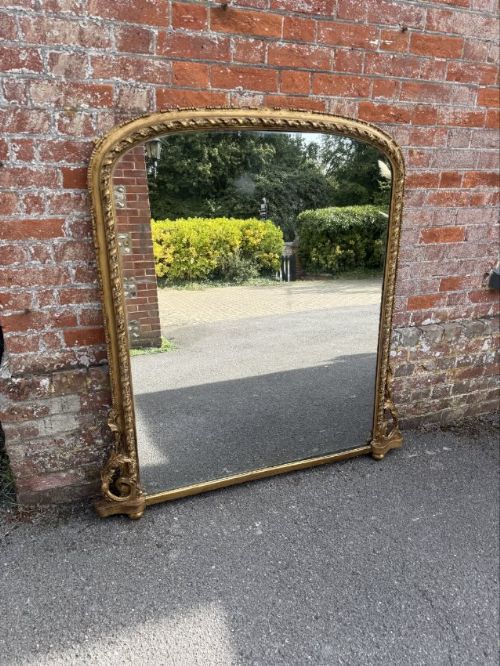
Origin points divide broadly between English workshops and French sources, with styles drawing on French Chateau, Rococo Revival, Louis Philippe, and Regency traditions. The arched profile allows the frame to soften the severe angles of a traditional fireplace surround while maintaining architectural dignity.
How They Were Made
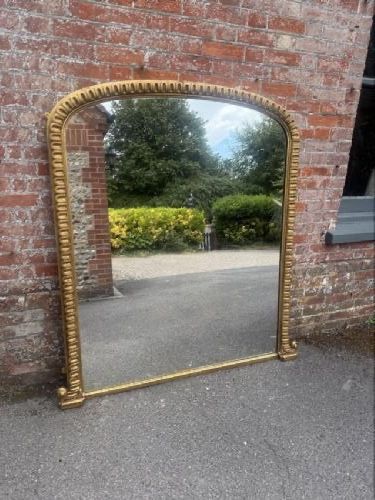
Carved wood and gesso form the structural core of these frames, often built upon a timber base that supports intricate decorative mouldings. Artisans applied layers of plaster and composition ornamentation to create crisp relief details such as rope twist motifs, hour glass ribbing, and central cartouches.
Gilding was achieved using gold leaf applied over bole or direct painting with metallic finishes to impart a brilliant surface sheen. The heavy mirror glass was then secured into the rebate from the rear, often retained by original timber boarding that protected the silvering over subsequent centuries.
Several mirrors include nautical rope twist carvings, proving that nineteenth-century craftsmen enjoyed bringing a touch of the high seas right to the drawing room fireplace.
What Varies in Quality
The depth and crispness of the carved gesso ornamentation distinguish exceptional examples from standard production, particularly where artisan hand-tooling defines rope twists, floral garlands, and central cartouches. Superior pieces retain their original gilding without heavy overpainting, allowing the nuanced warmth of the underlying bole to show through the gold leaf.
Structural integrity of the heavy timber frame and the survival of the original mirror glass plate dictate long-term durability and visual depth. Frames that maintain their original arched wooden carcass without significant warping or composite shrinkage hold their proportions more successfully upon the wall.
The Victorian Gilded Arch Overmantel Mirror Glossary
- Overmantel mirror
- A large wall mirror specifically proportioned to hang on the chimney breast immediately above a fireplace mantelpiece. These pieces frequently incorporate horizontal or vertical formats designed to balance the hearth below.
- Gesso
- A plaster-based mixture applied to a wooden frame to create a smooth surface for gilding or to be moulded into relief ornamentation. Artisans carved and shaped this material before applying gold leaf.
- Giltwood
- Timber that has been coated with gold leaf or metallic gilding across its visible surfaces. This material reflects candlelight and daylight effectively within a Victorian interior.
- Cartouche
- An ornamental framed tablet or shield motif, often placed centrally at the crest of an overmantel mirror. It provides a focal point for carved detailing and heraldic or scrollwork embellishments.
- Composition
- A mouldable mixture of whiting, resin, glue, and linseed oil pressed into metal dies to produce decorative ornaments. Makers applied these flexible details onto wooden frames before the mixture hardened.
Victorian Gilded Arch Overmantel Mirror: Frequently Asked Questions
Where should an overmantel mirror be hung?
These mirrors traditionally sit directly upon or are securely fixed to the wall immediately above a fireplace mantelpiece. Their height and arched profile are engineered to draw the eye upward and fill the vertical expanse of the chimney breast.
Positioning them at this specific height also allows the glass to reflect light from opposing windows across the room, brightening dark corners without competing with furniture below.
How do I identify a Victorian piece?
Victorian mirrors often feature substantial carved wood and gesso construction with distinct decorative motifs like rope twists, ribbed framing, and arched tops. Examining the timber backing and the fixings at the rear helps confirm nineteenth-century origins.
Style indicators such as Rococo Revival curves or heavy classical proportions also align these pieces with the broader nineteenth-century aesthetic seen across English and French workshops.
Can these mirrors be hung without a fireplace?
While originally designed for hearths, these large wall mirrors function effectively as standalone statement pieces in hallways, dining rooms, or bedrooms. Their substantial scale allows them to anchor a blank wall as a leaner mirror.
Ensuring the wall structure and fixings can support the considerable weight of the wood, gesso, and glass is essential when mounting them away from a mantel.