

Victorian Genre Artwork
Victorian genre artwork records everyday scenes of domestic life and social history through paintings, watercolours and prints.
Victorian Genre Artwork
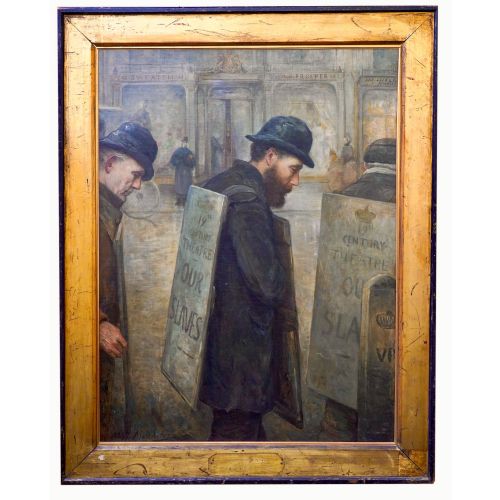
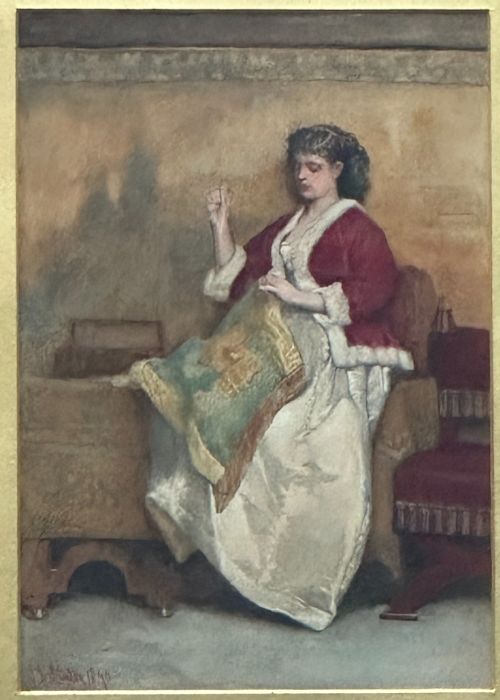
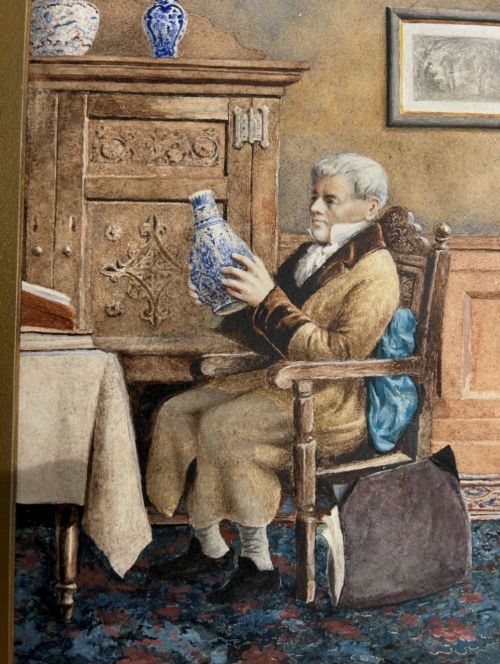
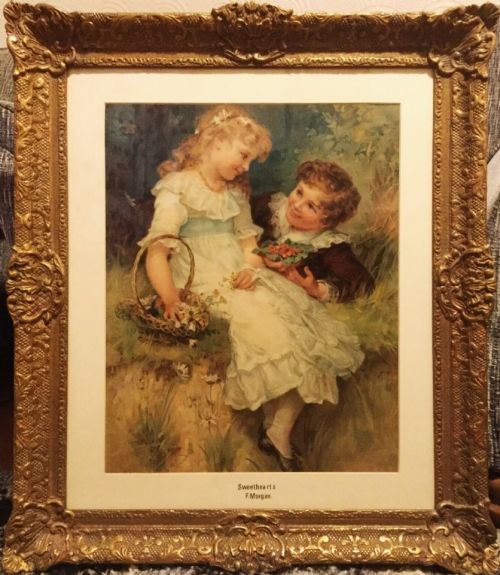
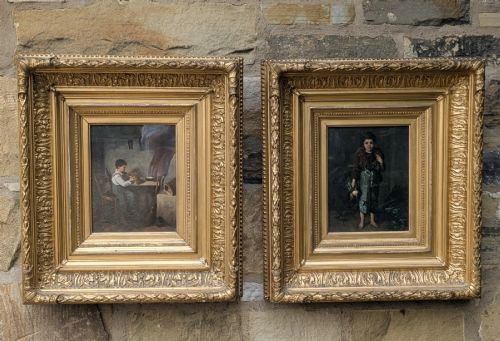
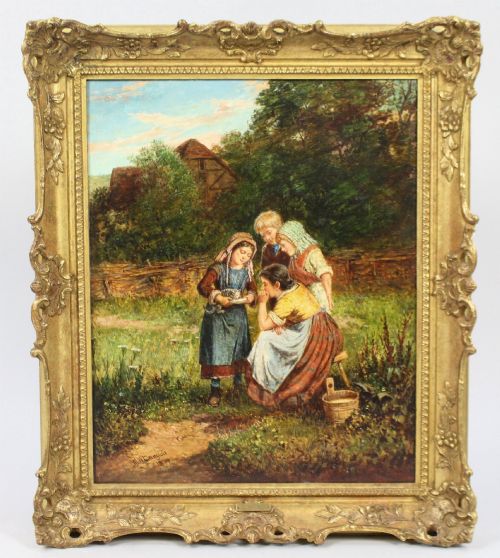
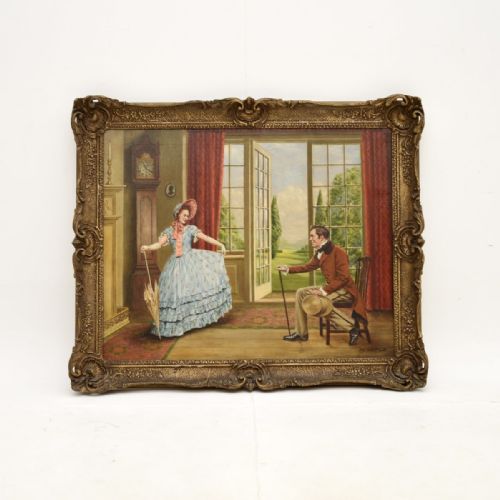
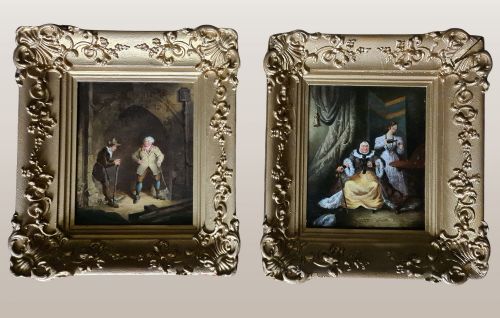
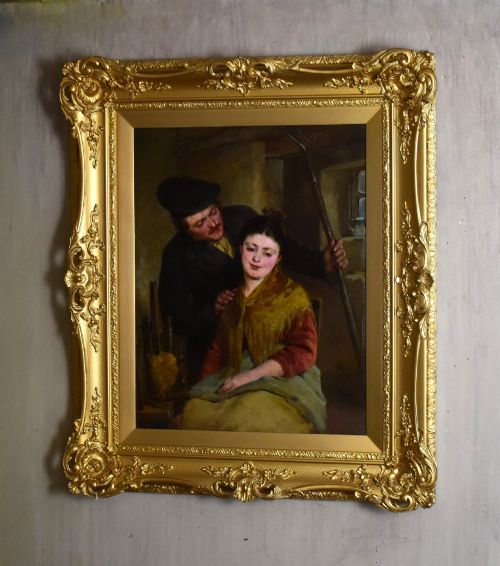
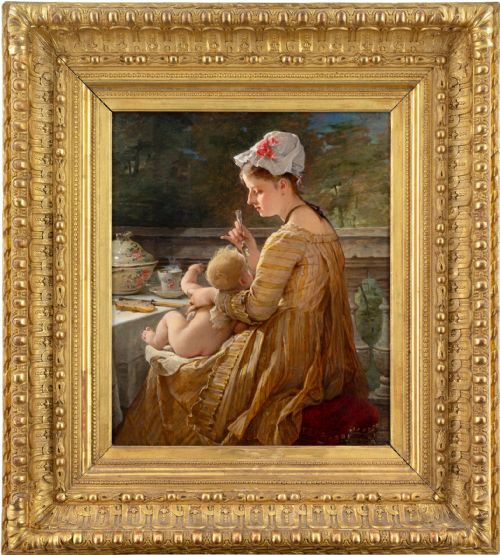
When you search for victorian genre artwork, you are looking at visual narratives depicting scenes from daily life, domestic interiors and social history produced during the nineteenth century. These pieces capture moments like children playing, domestic workers at labour and quiet interior scenes set in country houses or cottages. Most examples encountered here take the form of oil paintings on canvas or board, alongside watercolours and period prints.
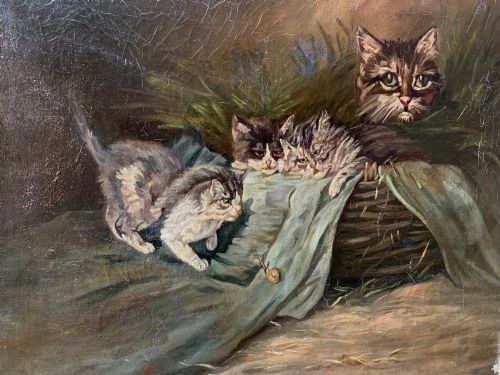
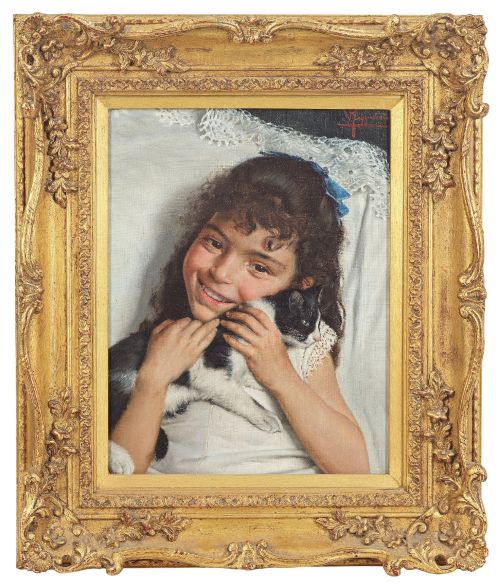
The subjects range from sentimental animal interactions, such as kittens and puppies, to more serious social commentary reflecting the realities of working people. Common formats include framed oils and watercolours produced by British and European artists working within nineteenth-century realist traditions. These artworks served both as middle-class decoration and as social observation during a period of rapid industrial and cultural change.
Materials and methods
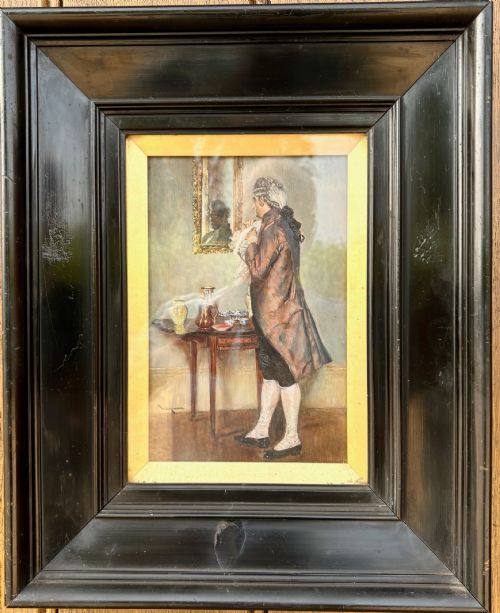
The physical construction of these works relies heavily on oil paint applied to woven canvas or wood panels, supported by wooden stretchers and housed in gesso and giltwood frames. Many artists also utilised watercolour and gouache on paper, often protected under glass within period frames. Printmakers employed engraving, lithography and etching techniques to reproduce popular compositions for a wider audience.
Framing forms an integral part of these pieces, utilising moulded gesso over wooden bases finished with gold leaf or metallic paint. Canvas supports vary in weight and texture, whilst watercolours rely on heavy rag paper substrates. Pigments were mixed by hand or purchased from nineteenth-century colourmen, giving each painting its specific tonal range and surface stability.
Victorian Genre Artwork Retail Price Guide 2026
Typical asking prices for victorian genre artwork among the pieces listed under this phrase on Sellingantiques today, from the lower quarter to the upper quarter. They describe what is for sale here now, not the wider market.
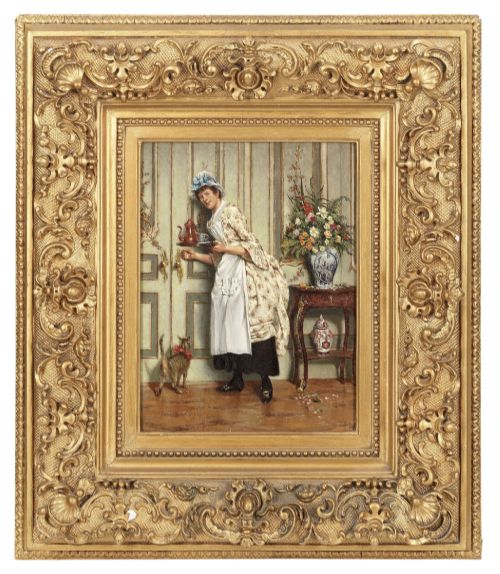
Cats and kittens frequently interrupt domestic productivity in these scenes, appearing regularly to investigate sewing baskets, tea trays, and spilled milk.
Assessing quality and execution
Quality in these artworks rests upon the artist's command of draughtsmanship, facial expression and narrative clarity within the scene. Superior examples display confident brushwork, nuanced handling of light and shadow, and believable anatomical proportions in figures and animals. Weaker pieces often rely on stiff postures, formulaic compositions and repetitive application of pigment without depth.
The integrity of the original support and the condition of the paint layer also dictate the standing of a piece. Works retaining their initial unlined canvas, stable pigment without extensive overpainting, and period-appropriate gilt frames represent the higher tier of the medium. Lesser examples show heavy craquelure, disruptive pigment loss, or replacement frames that obscure the historical context.
Felix Stone Moscheles·Sir James Dromgole Linton·Valentine T. Garland·Stephen Samuel Lewin·Vittorio Reggianini·Mark William Langlois·Henry Silkstone Hopwood·Alfred Lyndon Grace·W.D. Almond·Howard Helmick·Adelaïde Salles-Wagner·Max Kaltenmoser·George Augustus Holmes·Joseph H Barnes·Frederick Walker·Louis Charles Verwee·James Hamilton·Herbert Dicksee·Carlo Ferranti·Renato Moretti·Alfred Arthur Brunel de Neuville·Delapoer Downing·Thomas Kent Pelham·Miles Birkett Foster·Charles Henry Slater
The Victorian Genre Artwork Glossary
- Genre painting
- Depiction of aspects of everyday life by subjects from ordinary life, typically involving domestic scenes, street activities or social gatherings.
- Gesso
- A plaster-like mixture used as a base for moulding decorative details on wooden picture frames before gilding.
- Giltwood
- Wood that has been treated with gold leaf or gold-coloured paint, commonly used for nineteenth-century picture frames.
- Etching
- A printmaking process where lines are incised into a metal plate with acid before ink is applied and transferred to paper.
- Watercolour
- A painting method where fine pigment is suspended in a water-based, gum-binder solution and applied to paper.
Victorian Genre Artwork: Frequently Asked Questions
What subjects appear in victorian genre artwork?
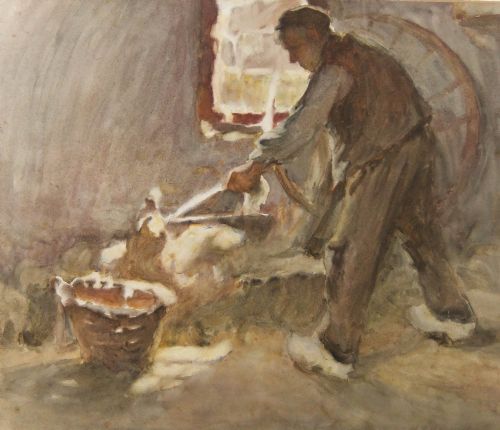
These works focus primarily on human narratives, including children at play, domestic workers, blacksmiths, street vendors and quiet interior scenes. Animals such as cats and dogs frequently accompany the human figures to enhance the emotional tone of the domestic setting.
Artists drew inspiration from both urban and rural life, documenting contemporary trades, social gatherings and leisure moments. This concentration on ordinary existence provides a visual record of nineteenth-century habits, clothing and interior decoration.
How should I care for an antique oil painting?
Keep paintings away from direct sunlight, high humidity and sudden temperature fluctuations that can cause the canvas or wood panel to warp. Dust the surface gently with a soft, dry brush without applying pressure to the paint layer.
Avoid using water, chemical cleaners or oils on the canvas or the gilt frame. If the surface requires cleaning or conservation, consult a professional restorer rather than attempting treatment at home.
Are watercolours framed differently from oil paintings?
Watercolours are painted on paper and require mounting behind glass to protect the delicate medium from moisture, dust and airborne pollutants. They typically feature a card mount or mat board separating the paper from the glazing.
Oil paintings on canvas or board are traditionally displayed unglazed to allow the textured surface of the paint to remain visible. Their frames focus on heavy gesso mouldings and gilding rather than protective glass.
How can I identify a nineteenth-century frame?
Period frames from this era often feature heavy wooden construction embellished with moulded gesso ornaments finished in gold leaf or bronze paint. Corner ornaments and complex relief patterns are typical of Victorian framing styles.
Examining the reverse reveals aged timber, old fixings and occasional maker stamps or paper labels from nineteenth-century framers. These construction details help confirm that the frame belongs to the same period as the artwork it encloses.