
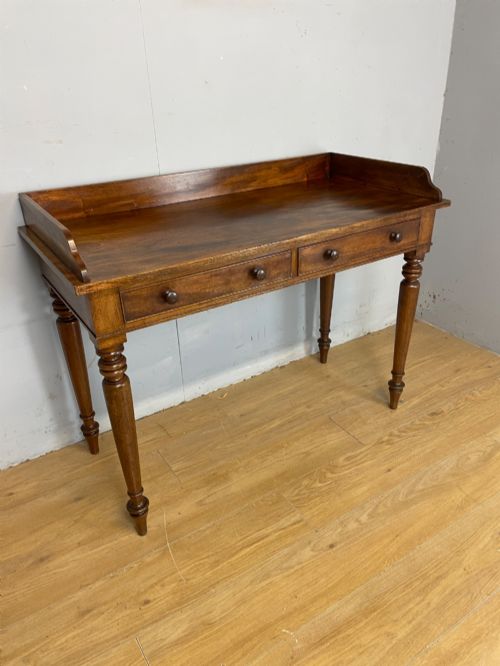
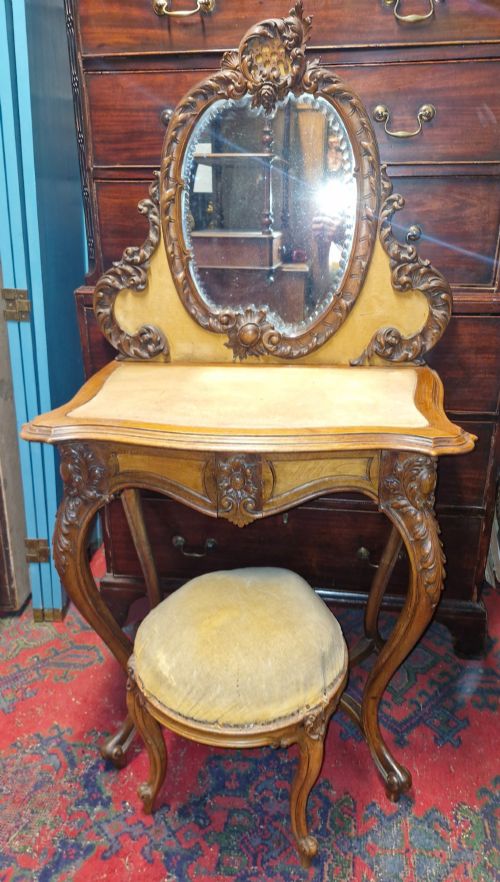
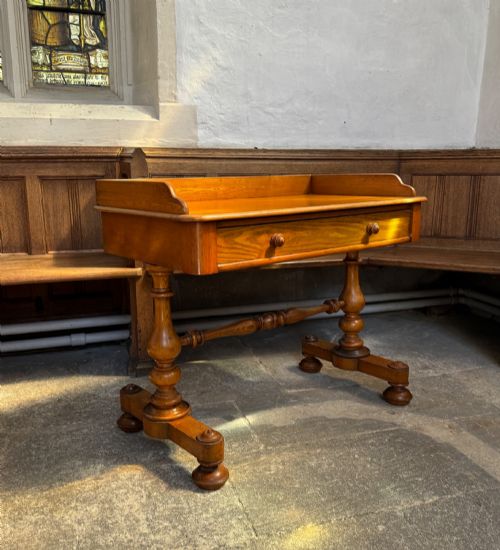
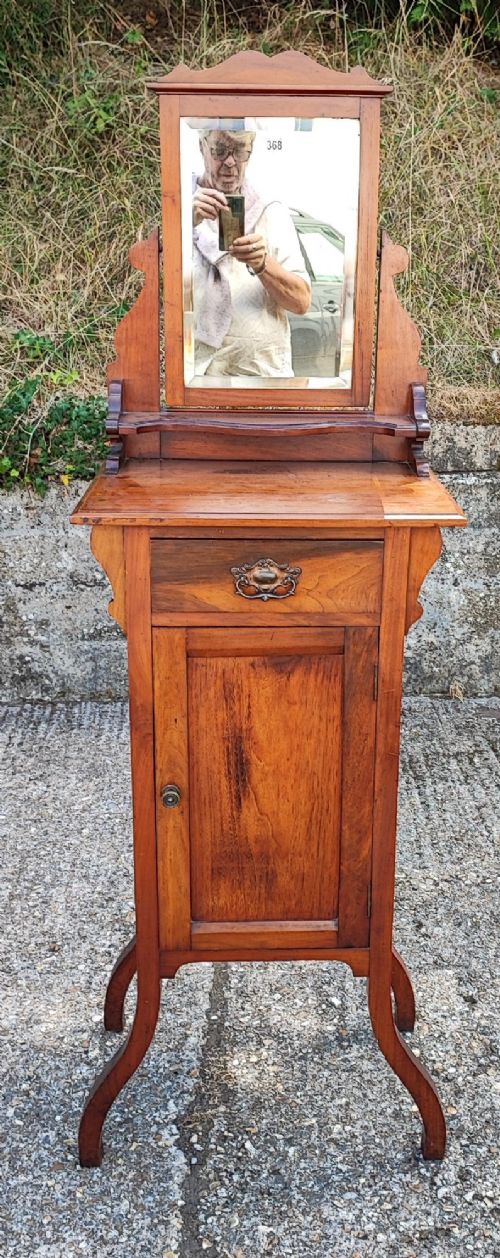
Victorian Furniture Dressing Table
A victorian furniture dressing table brings nineteenth-century craftsmanship into a modern bedroom with solid timbers and adjustable mirrors.
Victorian Furniture Dressing Table
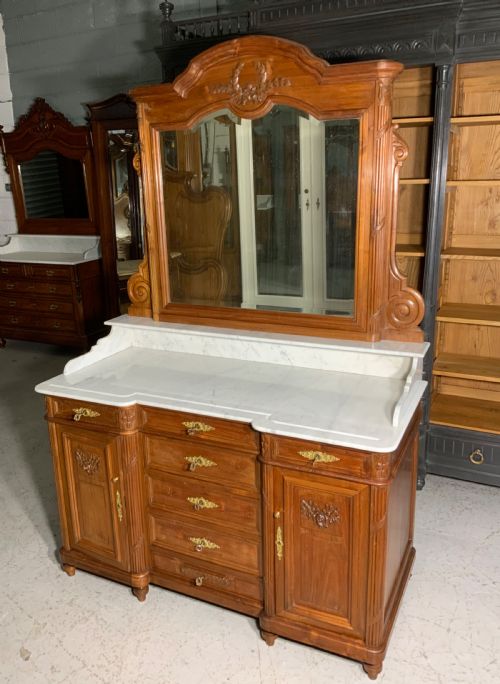
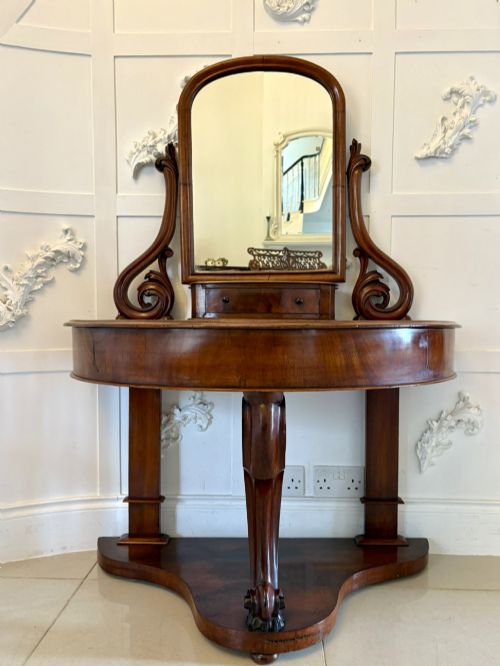
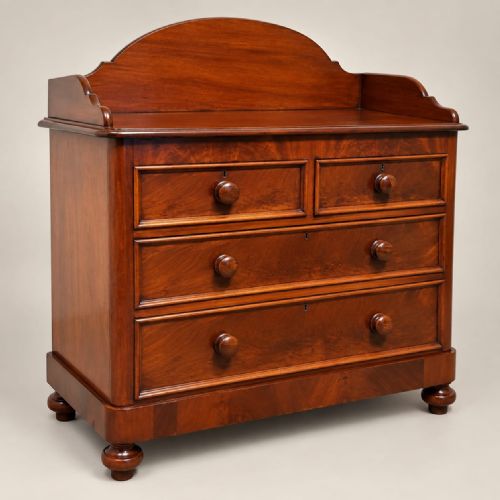
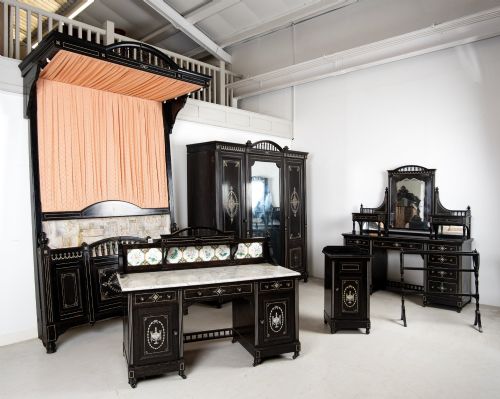
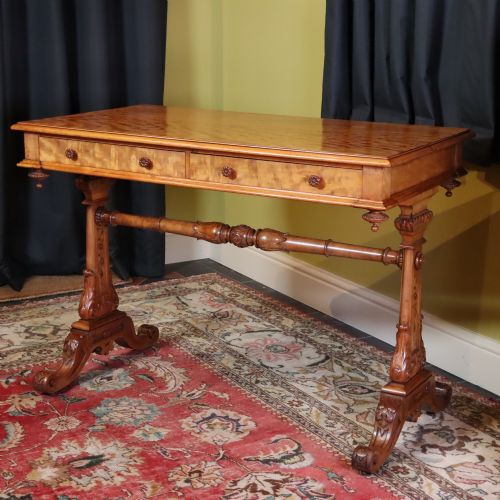
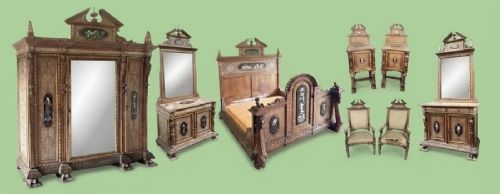
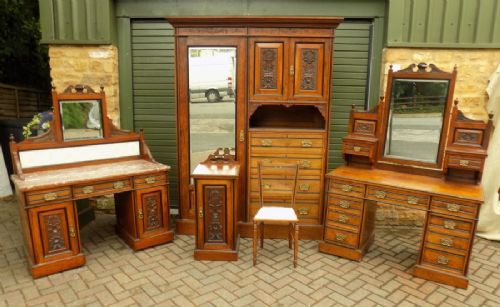
A victorian furniture dressing table typically combines a timber dressing chest with a pivoting mirror, appearing alongside related pieces like washstands and side tables. The search phrase covers both grand burr walnut duchess pieces and simpler pine or satin birch versions made across the nineteenth century and into the Edwardian era.
Makers utilised diverse woods including mahogany, walnut, satinwood and pitch pine, often shaping them into specific regional styles or aesthetic movement designs. Buyers frequently encounter pieces that formed part of larger bedroom suites or standalone items outfitted with drawers and small compartments.
Materials and Construction
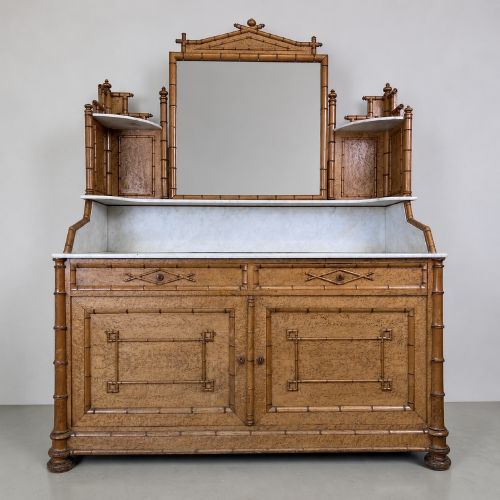
Cabinet makers constructed these pieces using solid timbers like mahogany, walnut, and pine, frequently applying decorative veneers such as flame mahogany and burr walnut to primary surfaces. They incorporated brass hardware, glass mirrors, and occasional marble tops on washstand variants.
Joinery methods relied on dovetailed drawer construction and traditional framing, while decorative touches involved marquetry inlay, ebonising, and hand-carved details. Woodworkers selected specific grains to highlight the natural patterns of satin birch, rosewood, and goncalo alves.
Listings feature pieces spanning the Victorian and Edwardian periods, constructed in materials including brass, mahogany, glass, marble, pine, walnut, fabric, and wood.
Design and Execution
Finer examples distinguish themselves through the selection of highly figured timbers, such as burr walnut or flame mahogany, matched symmetrically across drawer fronts. Superior execution appears in crisp hand-carved ornamentation, precise marquetry inlay, and integrated details like original brass handles and pivoting mirror frames.
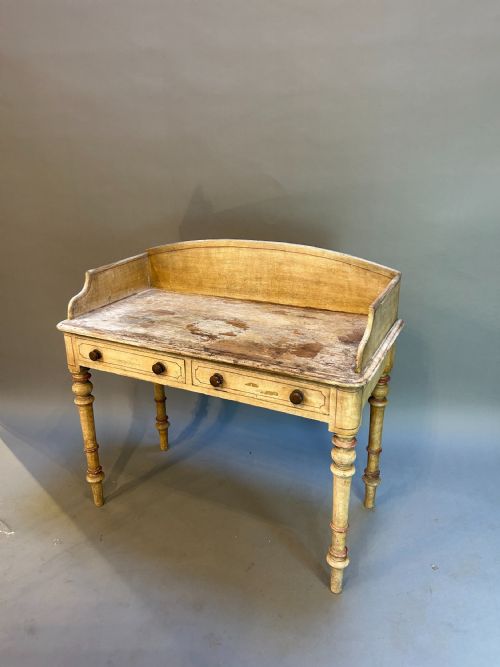
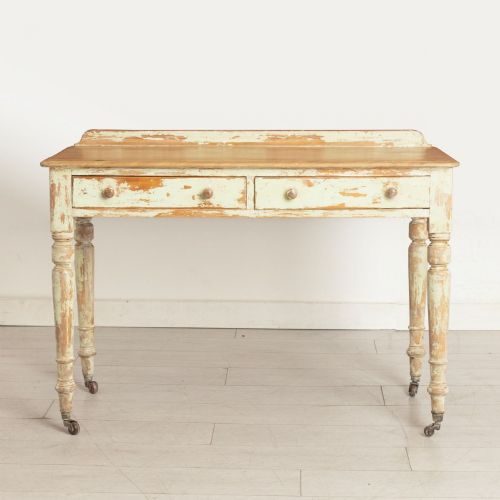
Simpler workshop output utilises plain pine or basic painted finishes with straightforward drawer configurations, whereas high-end pieces bear the stamps of notable cabinet makers or retail furnishers. The integration of secondary furniture forms, such as matching stools or marble wash surfaces, elevates the scope of individual pieces.
Waring and Gillows·J A Mein Edinburgh·W Williamson and Sons·Edwards and Roberts
The Victorian Furniture Dressing Table Glossary
- Duchess dressing table
- A large nineteenth-century dressing table featuring a large central mirror flanked by multiple small jewellery drawers. It typically sits low and includes a central writing surface.
- Lowboy
- A small table with one or more rows of drawers, commonly used as a dressing or side table during the period. These units stand on relatively tall cabriole or turned legs.
- Washstand
- A bedroom table designed to hold a basin and jug, frequently topped with marble or tile splashbacks. Many share construction traits with standard dressing tables.
- Marquetry
- The art of applying pieces of veneer to a structure to form decorative patterns and pictures. Craftsmen used contrasting timbers to create floral or geometric motifs on drawer fronts.
- Ebonisation
- A chemical or pigment treatment applied to cheaper timbers to imitate ebony. This dark finish gained popularity during the aesthetic movement.
Victorian Furniture Dressing Table: Frequently Asked Questions
How do I identify a Victorian dressing table?
Look for characteristic nineteenth-century timber choices such as mahogany, walnut, and satin birch, combined with traditional hand-cut dovetail joints in the drawer construction. Many examples feature pivoting mirror frames attached to small jewellery drawers mounted on the main surface.
examine the secondary woods inside the drawers, such as oak or pine, which help confirm the nineteenth-century period of manufacture alongside any retailer stamps or cabinet maker marks.
What is a Duchess dressing table?
A Duchess dressing table is a specific Victorian form featuring a large central mirror supported by two small banks of multiple jewellery drawers. These tables generally sit lower than standard dressing chests and include a recessed writing space.
they often showcase decorative burr walnut or mahogany veneers and were frequently produced as the centrepiece of a matched bedroom suite.
Did these tables come with matching stools?
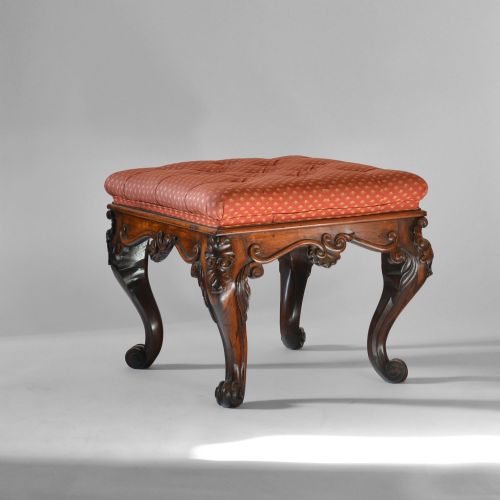
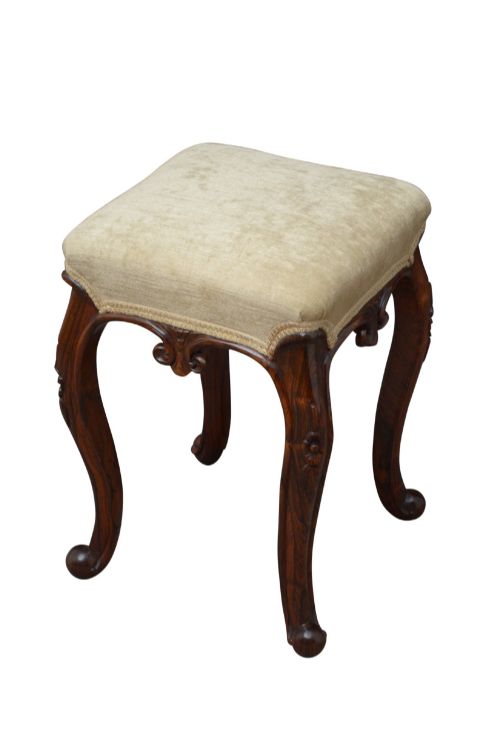
Some high-end Victorian dressing tables and duchess sets were supplied with matching upholstered stools that utilised coordinating timbers like walnut, mahogany, or goncalo alves. These stools often featured cabriole legs or turned supports matching the main table.
surviving matched seating remains uncommon because stools experienced heavy wear and frequently became separated from their dressing tables over time.
How do I care for antique veneer?
Protect antique wood and veneer surfaces by keeping furniture away from direct sunlight and maintaining stable indoor humidity levels to prevent timber movement. Dust regularly with a soft, dry cloth and avoid modern silicone polishes.
apply traditional beeswax sparingly to nourish the grain and preserve the natural sheen of nineteenth-century French polish or waxed finishes.