

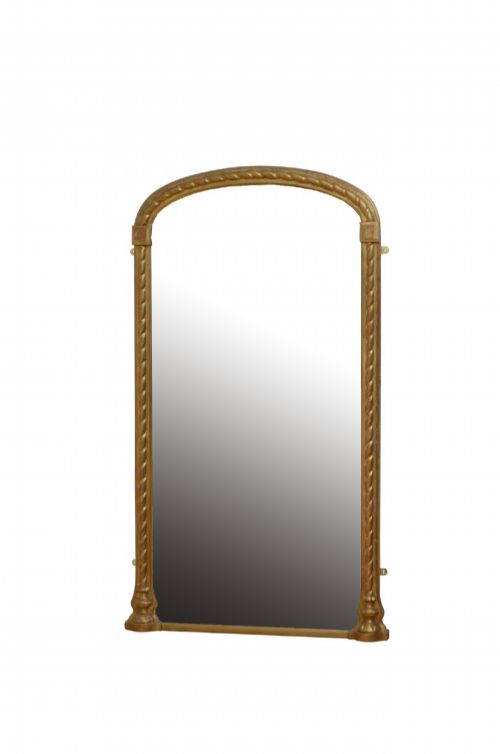
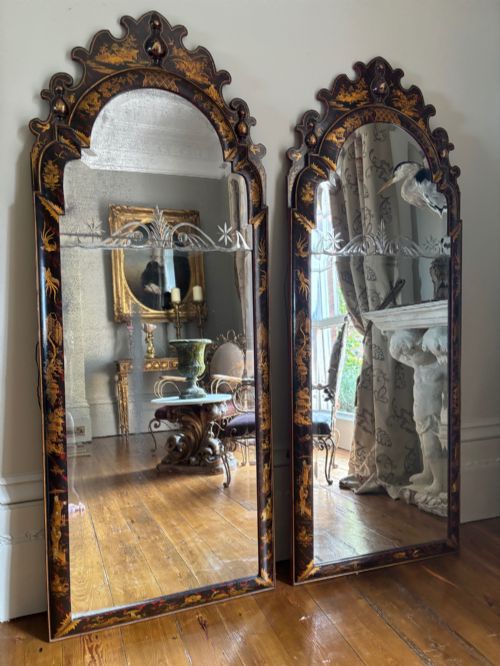
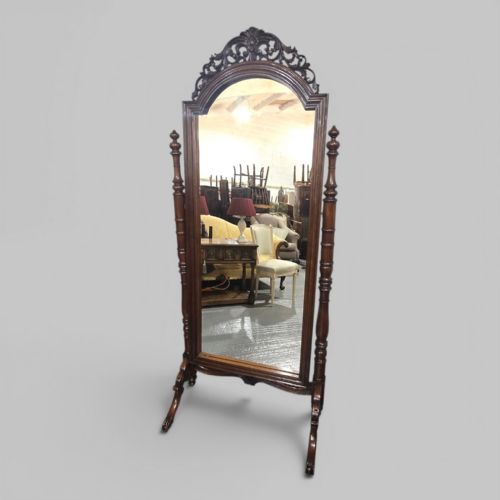
Victorian Full Length Mirror
These victorian full length mirror examples bring genuine nineteenth-century scale and presence to a room, offering both practical utility and fine period craftsmanship.
What they are
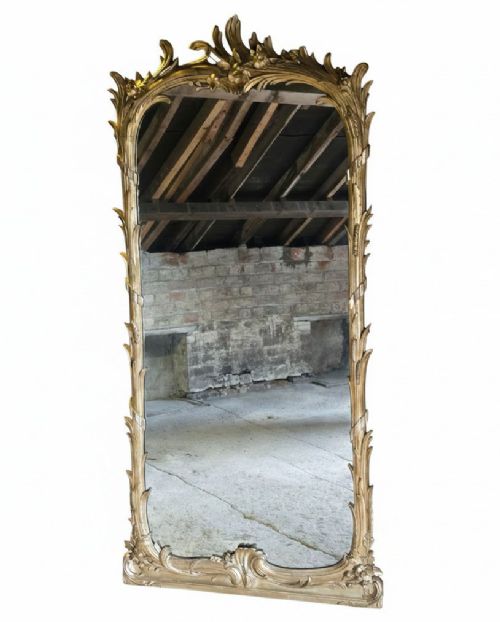
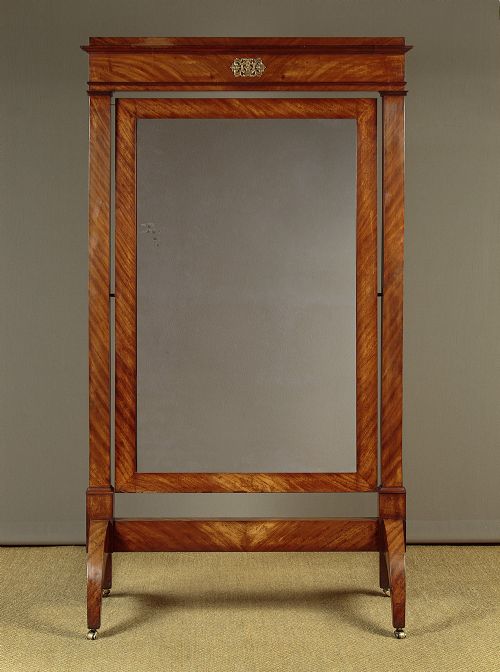
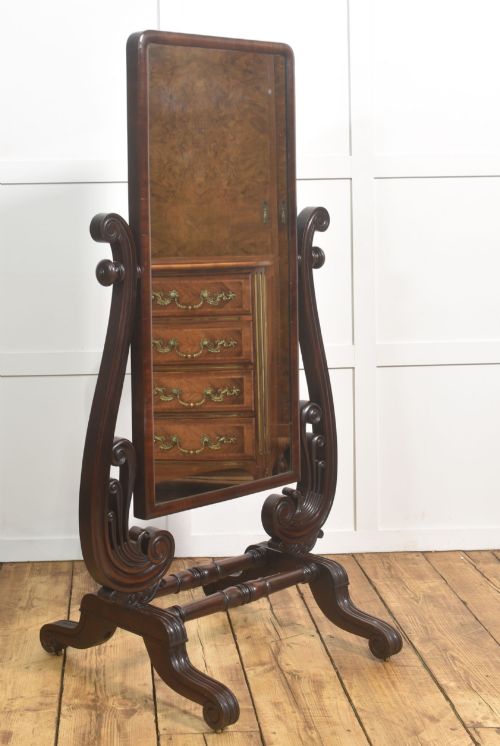
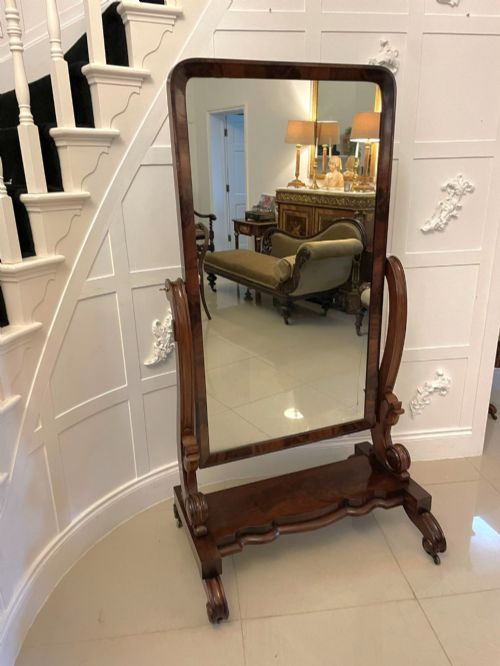
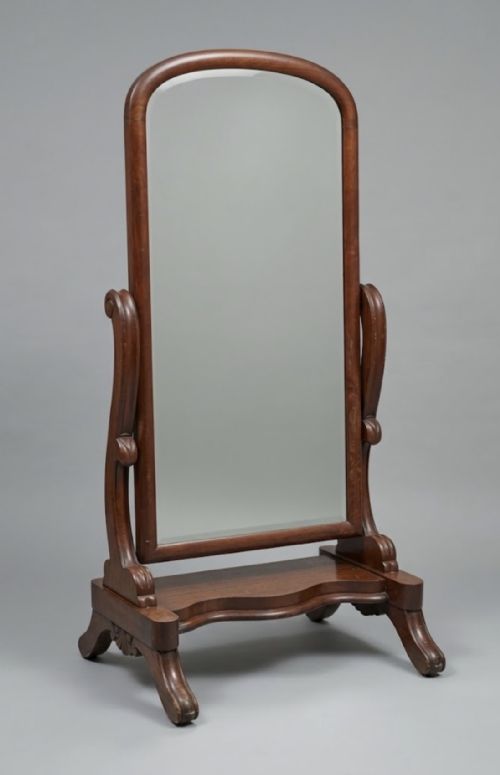
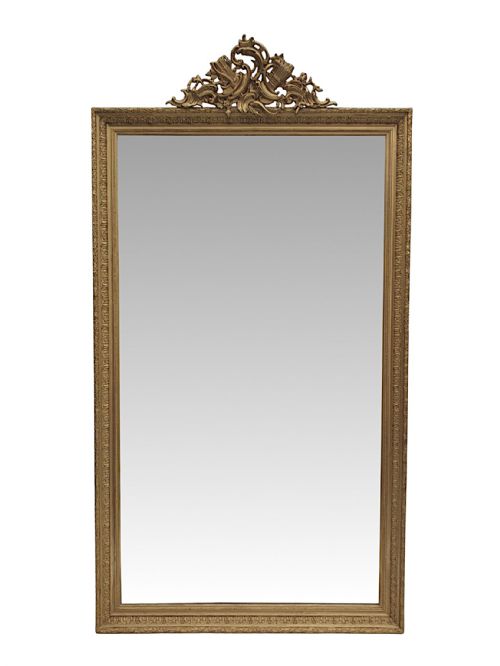
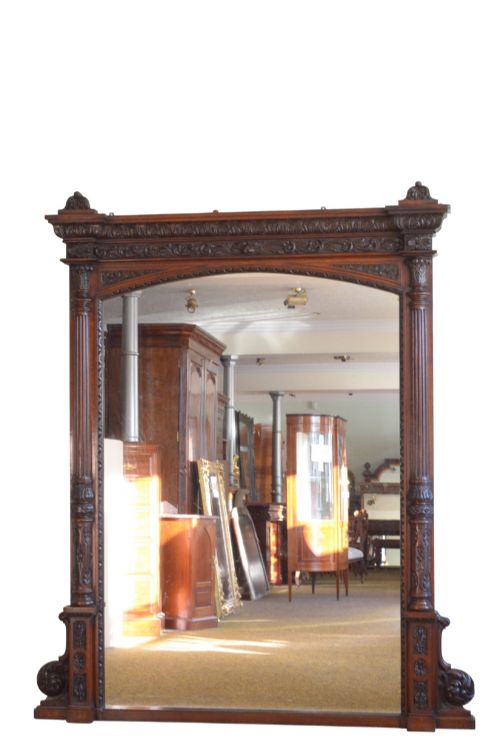
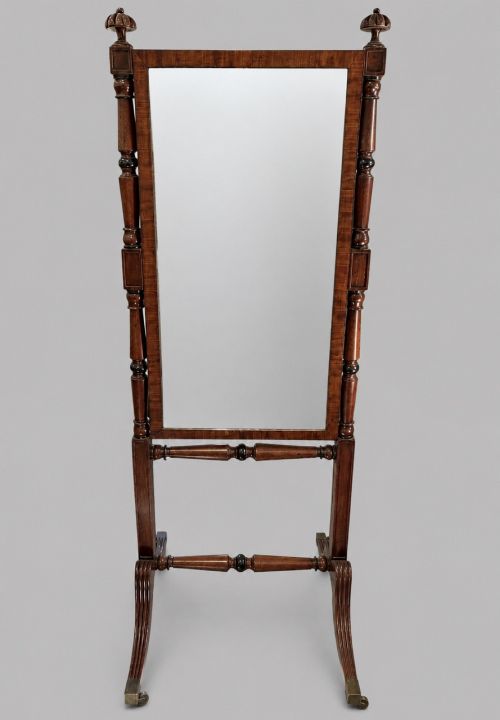
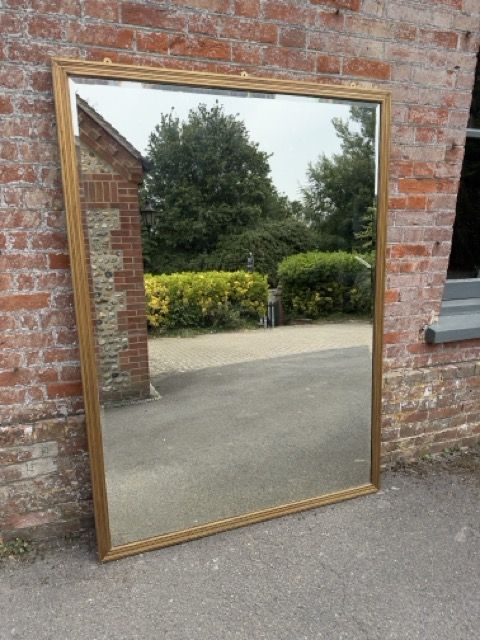
When you search for a victorian full length mirror, you encounter substantial furnishings designed to reflect the entire figure, most commonly taking the form of free-standing cheval mirrors or large floor and wall-hanging glasses.
The evidence on this page points primarily to nineteenth-century examples, spanning decades from 1860 to 1880, alongside broader nineteenth-century designations.
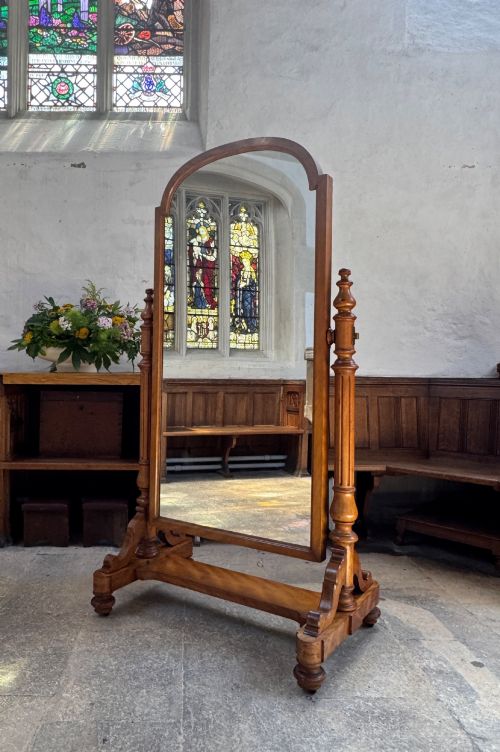
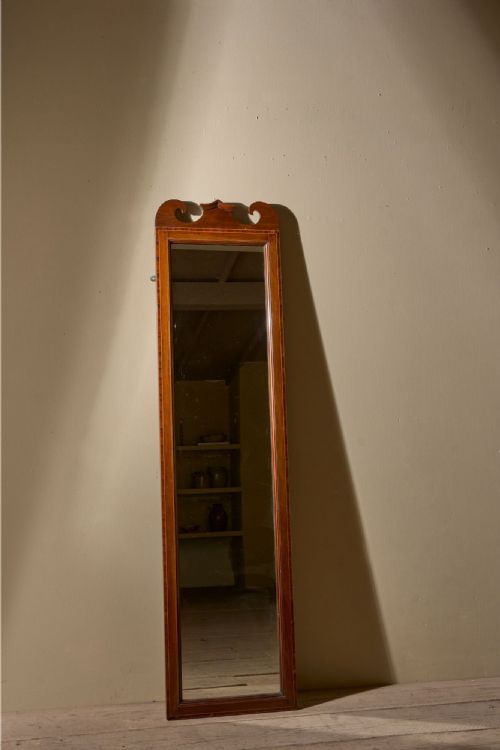
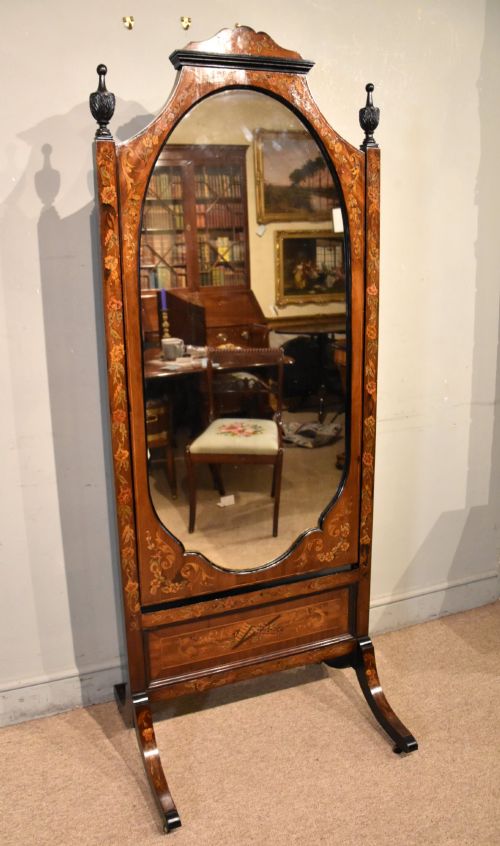
Cheval mirrors dominate the selections, pivoting within upright frames supported by sturdy stands, though large wall-mounted, leaner, and hall mirrors also appear.
How they were made
Maker workshops utilised dense timbers such as mahogany and ebonised wood for the structural frames, often incorporating intricate inlay work or rich giltwood and gesso ornamentation.
The heavy mirror glass sits securely within these robust wooden housings, frequently supported by brass pivots and hardware that allowed the glass to tilt smoothly to various angles.
Retail Price Guide 2026
Typical UK retail prices for victorian full length mirror, calculated from the Sellingantiques database of over a million retail prices indexed since 2003. This retail price guide relies exclusively on Sellingantiques data; no external sources or auction records are used, so the figures do not describe the wider market.
The listings here feature materials including mahogany, brass, giltwood, gesso, and ebonised wood across the nineteenth-century period.
What varies in quality
Quality rests in the weight and selection of the timber, the depth of the hand-carved giltwood or gesso details, and the architectural proportion of the frame.
Finer pieces display sophisticated elements such as inlaid veneers and substantial brass mountings, separating grand country house specimens from simpler utilitarian hall or shop mirrors.
The Victorian Full Length Mirror Glossary
- Cheval mirror
- A freestanding full-length mirror mounted on a vertical frame with pivots that allow the glass to swing. This design became immensely popular during the nineteenth century for dressing rooms and bedrooms.
- Giltwood
- Timber that has been coated with a thin layer of gold leaf or gilt pigment. It provides a bright, reflective surface that enhances neoclassical and Victorian decorative framing.
- Gesso
- A plaster-like mixture applied to wood surfaces and carved before gilding. It enables intricate relief ornamentation on mirror frames.
- Ebonised wood
- Timber treated with a chemical stain or finish to imitate expensive ebony. This dark surface finish appears frequently on nineteenth-century frames.
- Leaner mirror
- A large floor-length mirror designed to stand by leaning directly against a wall rather than hanging or mounting on a separate frame.
Frequently Asked Questions
How do I use a cheval mirror?
A cheval mirror stands freely on its own base, using side pivots to tilt the glass frame. This allows you to adjust the viewing angle easily.
Position the piece on a level floor where the swinging frame has sufficient clearance to tilt back and forth without striking nearby furniture.
Where should I place a floor mirror?
Full-length floor mirrors suit bedrooms, dressing rooms, and grand hallways where natural light can bounce across the space. Placing them opposite windows maximises room brightness.
Ensure the floor surface is stable so the heavy timber and glass frame remains secure and upright.
What is the difference between wall and cheval mirrors?
Wall mirrors mount permanently to vertical wall surfaces or lean securely against them, while cheval mirrors are self-supporting units on floor stands.
Cheval versions offer adjustable tilting angles, whereas wall-mounted glasses remain fixed in one position.
How do I date a Victorian mirror?
Dating relies on observing construction methods, timber choices, and stylistic cues such as neoclassical motifs or specific Victorian frame profiles. Reference dates within the evidence range from 1860 through 1880.
Examining the backboards, fixings, and the clarity or bevel of the mirror glass also helps determine the period.