

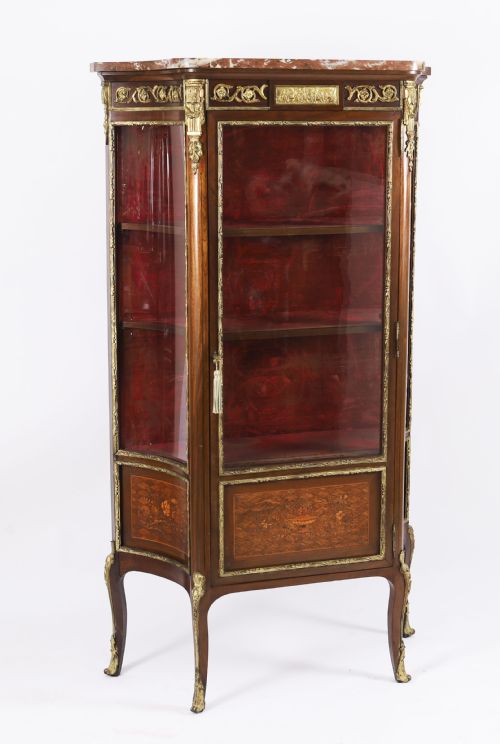


Victorian French Vitrine
A victorian french vitrine brings together glazed display space and ornate metal mounts to show off small treasures.
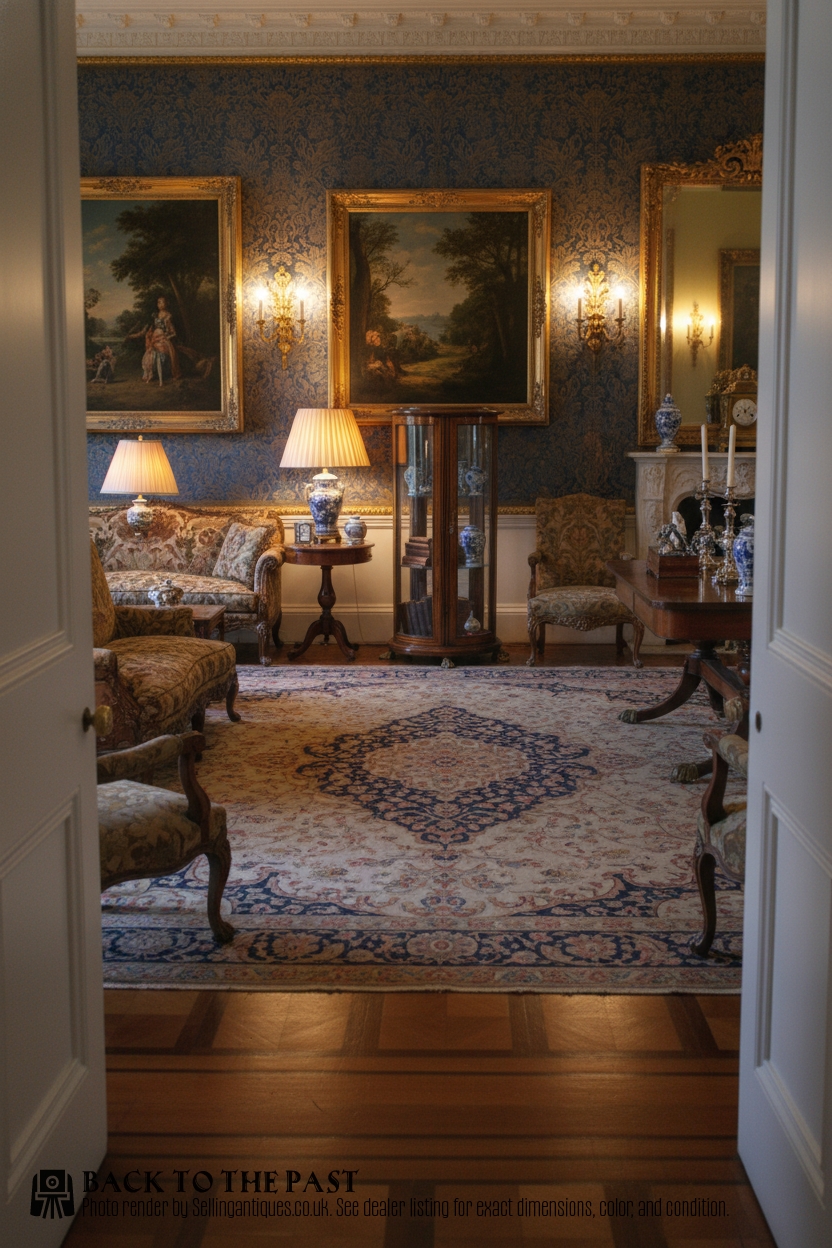
Victorian French Vitrine
When searching for a victorian french vitrine, a buyer encounters glazed display cabinets, bijouterie tables, and pier cabinets designed to showcase precious objects. These pieces originate across the nineteenth century, including specific periods like eighteen sixty and eighteen eighty.
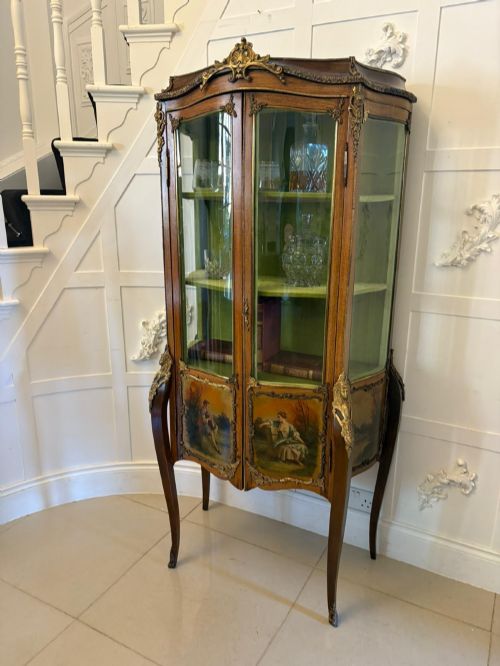
The common form met on this page is the freestanding or wall-adjacent display cabinet, often styled with revival influences such as Louis XV or Napoleon III. Walnut, mahogany, and exotic timbers like kingwood and rosewood form the main body of these cabinets.
Materials and construction
Cabinet makers utilise hardwood carcases of walnut, rosewood, mahogany, satinwood, and kingwood, frequently enriched with marquetry or parquetry inlays. Ormolu mounts in gilded bronze are applied to corners and borders to accentuate the contours.
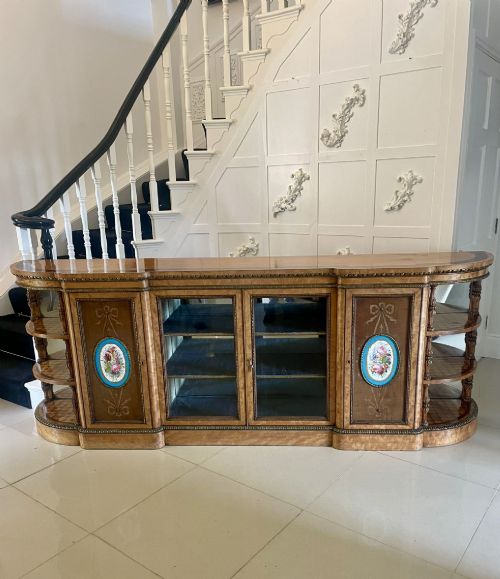
Glass panels are fitted into doors and tabletops to enclose the interior, sometimes supplemented by fabric-lined display surfaces. Brass stringing and occasional porcelain plaques complete the decorative scheme of these cabinets.
Some bijouterie tables feature internal mirrors designed to reflect light upward through your pocket watches and miniature portraits.
Judging quality
The standard of a cabinet rests on the crispness of the ormolu casting and the precision of the timber inlays. Finer examples display meticulous marquetry and heavier, better-defined bronze mounts rather than simple stamped metal.
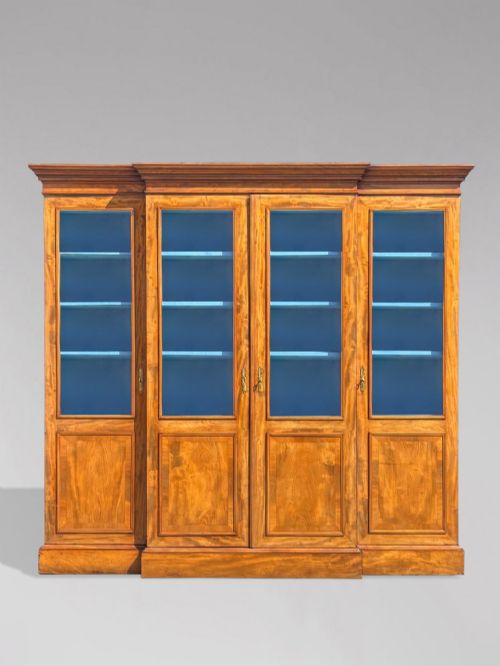
Structural harmony also dictates value, where timber selection shows deliberate grain matching across the doors and panels. Cabinets with original glass and cohesive period mounts stand apart from lesser assembled items.
The Victorian French Vitrine Glossary
- Vitrine
- A glass-panelled cabinet or table designed for displaying fine objects and porcelain. These pieces typically feature extensive glazing to maximise light inside the display area.
- Ormolu
- Gilded bronze mounts applied to furniture for decorative effect. This technique was widely utilised during the nineteenth century on French and Victorian cabinets.
- Bijouterie table
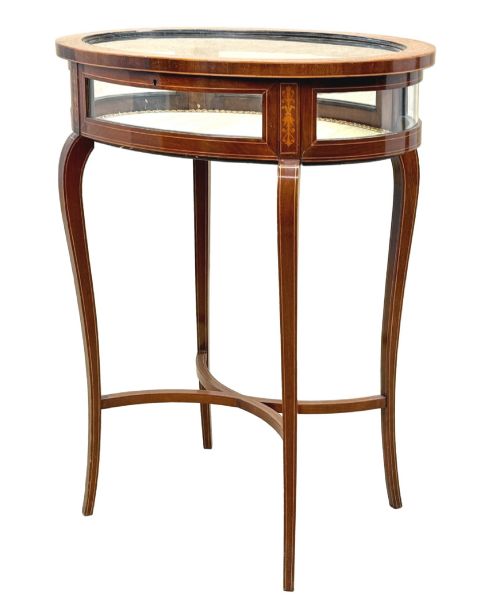
- A glass-topped display table intended for holding small ornaments and jewellery. They often feature hinged lids and velvet-lined interiors.
- Marquetry
- Decorative woodwork where pieces of various coloured veneers are fitted into a ground to form intricate patterns. It appears frequently on cabinet doors and tabletops.
- Vernis Martin
- A type of simulated Japanese lacquer developed in France, often seen painted with figures on fine display cabinets. The technique creates a lustrous, polished finish.
Victorian French Vitrine: Frequently Asked Questions
What is a vitrine used for?
A vitrine serves as an enclosed display case for porcelain, miniatures, and precious ornaments. The glass panels protect delicate items from dust while allowing full visibility.
Historically, households utilised these cabinets in salons and drawing rooms to display collections of curiosities to guests. Today, they continue to function as focal points for curated displays.
How do I identify a French style cabinet?
French style cabinets are recognised by curved serpentine forms, elaborate ormolu mounts, and classical revival motifs. Makers frequently drew inspiration from Louis XV and Louis XVI designs.
Woods such as kingwood and tulipwood, paired with marquetry patterns, further distinguish these pieces from standard English furniture of the period.
Where should I place a display cabinet?
These cabinets suit reception rooms, libraries, and hallways where natural light can pass through the glass panels. Positioning them away from direct sunlight protects both the timber veneers and any fabric linings inside.
Freestanding models require a stable floor to ensure the doors align properly within their frames.
What is a bijouterie table?
A bijouterie table is a low display case with a glazed top and sides, standing on slender legs. They were created specifically for viewing small personal trinkets and medals.
The interior is typically lined with velvet or silk to cushion the items on display.