




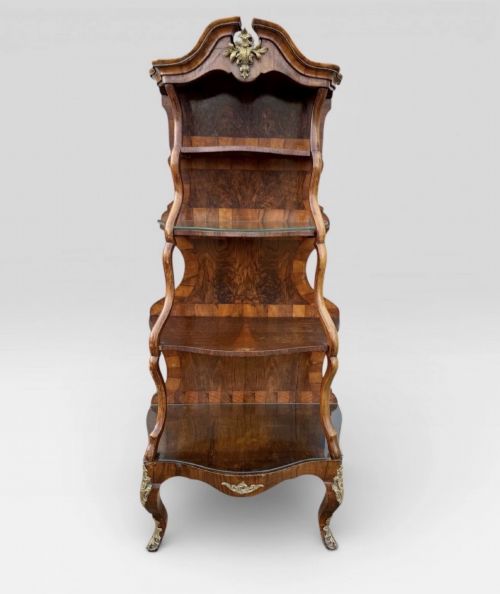
Victorian French Bookcase
When you search for a victorian french bookcase, you enter a world of burr walnut, ormolu mounts, and glazed display spaces designed to showcase refined libraries.
Victorian French Bookcase
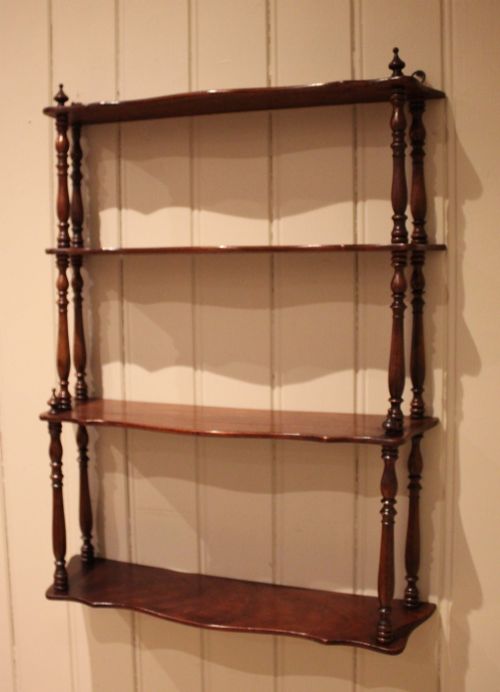
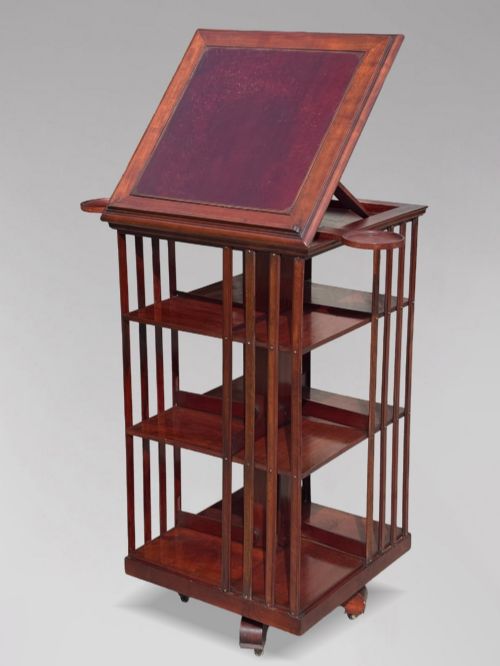
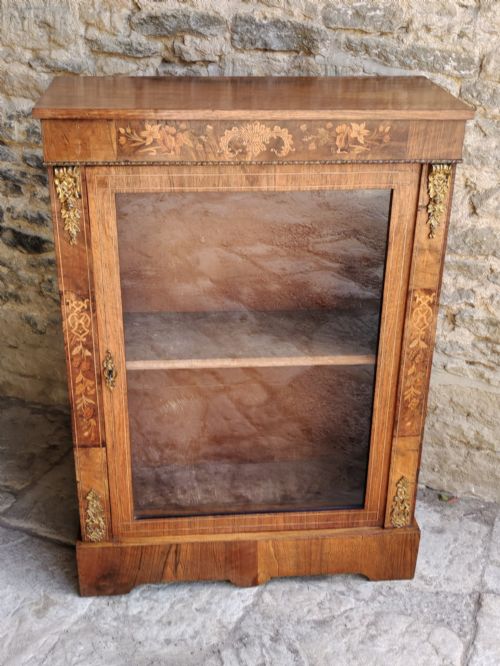
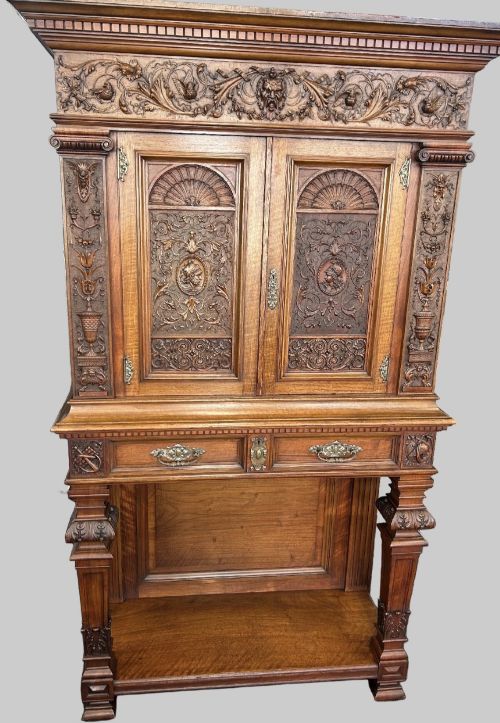
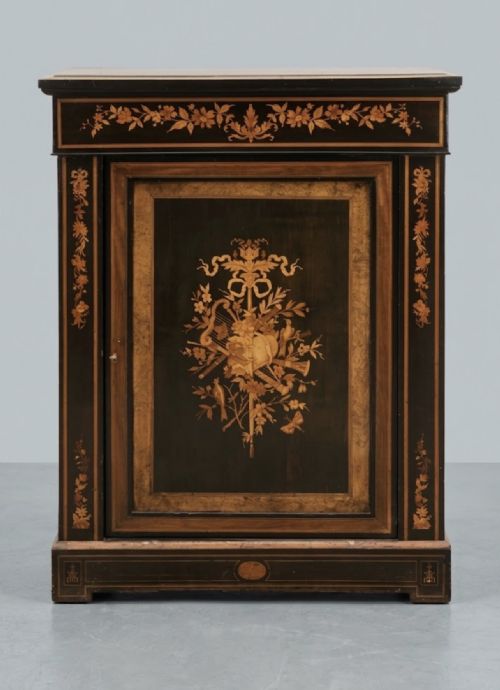
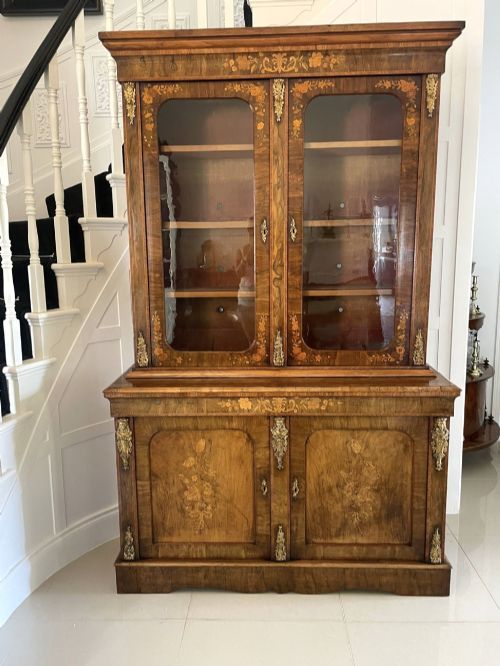
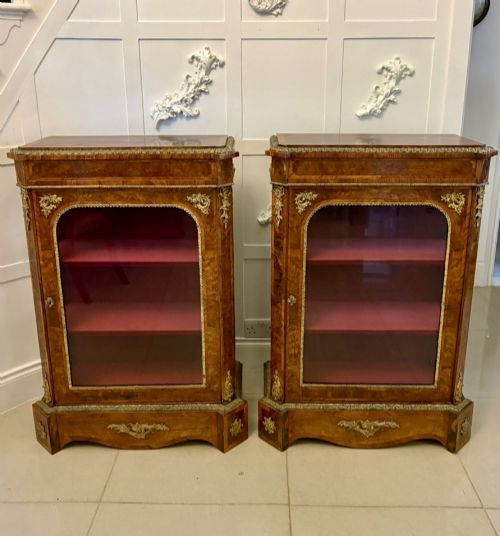
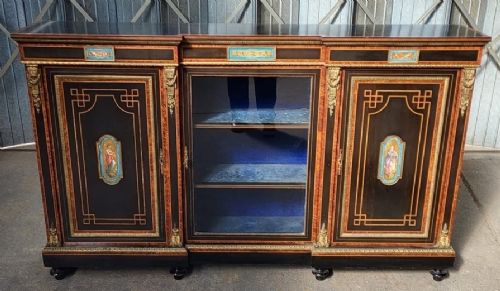
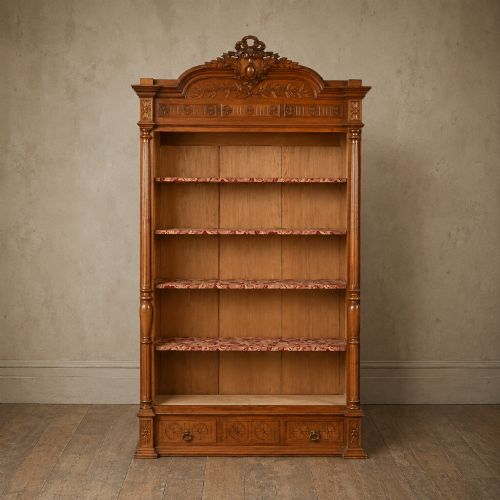
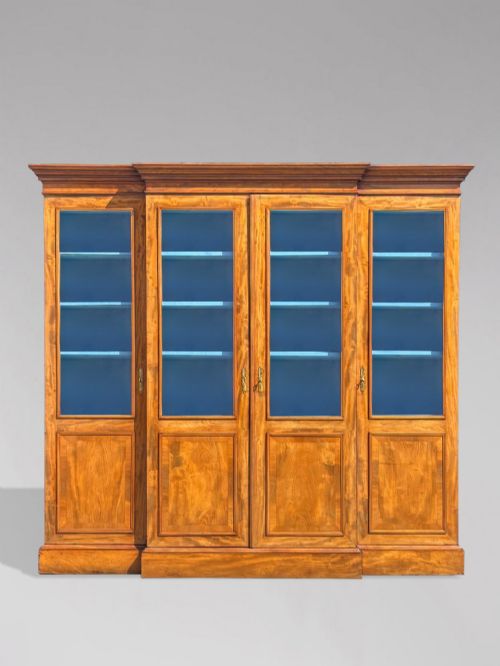
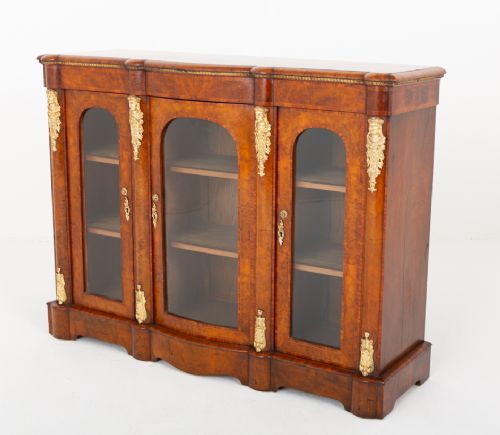
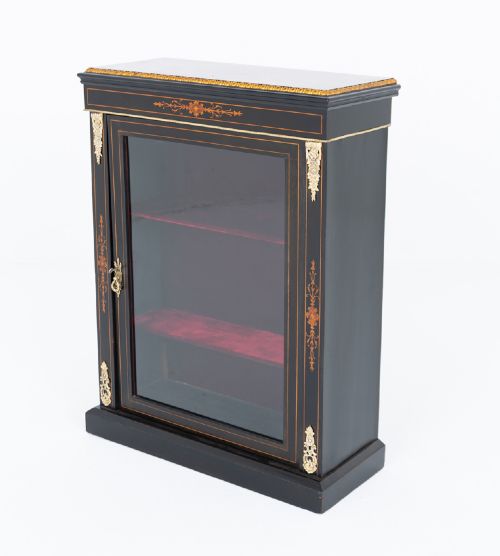
A victorian french bookcase encompasses a diverse array of forms, including glazed display cabinets, open library shelving, and multi-door side cabinets. You will frequently encounter burr walnut pier cabinets and credenzas featuring inlaid marquetry alongside taller open oak or walnut bookcases.
These pieces bridge domestic utility and formal display, often incorporating brass or ormolu mounts and glass panels to exhibit bound volumes or decorative objects. The selection draws on nineteenth-century cabinet-making traditions spanning the 1850s to the early 1900s.
Materials and Construction
Cabinet makers utilised dense hardwoods such as walnut, rosewood, oak, and ebonised wood, frequently applying intricate burr walnut or exotic veneer to structural carcases. Marquetry inlays and parcel-gilt details punctuate timber surfaces, while glass panes are fitted into hinged doors.
Cast bronze ormolu mounts, brass banding, and patinated marble tops are integrated into the timber framing. French polishing techniques provide a lustrous finish that accentuates the natural grain of figured mahogany, satinwood, and kingwood.
Victorian French Bookcase Retail Price Guide 2026
Typical asking prices for victorian french bookcase among the pieces listed under this phrase on Sellingantiques today, from the lower quarter to the upper quarter. They describe what is for sale here now, not the wider market.
Listings feature pieces spanning the nineteenth century, with materials including glass, brass, ormolu, walnut, ebonised wood, burr walnut, porcelain, and rosewood.
Assessing Craftsmanship
The degree of refinement in marquetry inlay and the weight of cast ormolu mounts differentiate standard production from superior examples. Precision in timber matching, particularly with burr walnut and figured rosewood veneers, indicates the maker's level of skill.
Structural integrity is evident in the execution of glazed doors, the retention of original brass or gilt metal hardware, and the quality of internal shelving adjustments.
Gabriel Viardot
The Victorian French Bookcase Glossary
- Ormolu
- Gilt-bronze ornamentation applied to furniture mounts. This technique was widely utilised during the nineteenth century to highlight corners and door panels.
- Marquetry
- Decorative veneer patterns formed from pieces of contrasting timber and shell. Master craftsmen arranged these elements to create floral or geometric motifs across cabinet doors.
- Pier Cabinet
- A low display cabinet designed to fit narrow wall spaces between windows. These pieces often feature glass doors and marble tops.
- Credenza
- A sideboard or cabinet featuring central cupboards flanked by curved glass display sections. They frequently incorporate extensive marquetry and ormolu mounts.
- Boulle
- A style of marquetry utilising tortoiseshell and brass inlay. It is commonly associated with elaborate nineteenth-century French cabinet work.
Victorian French Bookcase: Frequently Asked Questions
What is a pier cabinet?
A pier cabinet is a low, narrow piece of furniture designed to fit the wall space between windows. These cabinets typically feature a single glass door and were used to display small ceramics and decorative objects.
In Victorian interiors, they often matched larger bookcases and credenzas within a drawing room suite. Their flat tops frequently incorporated marble inserts or fine timber veneers.
How do I distinguish styles?
Stylistic differences emerge through timber choice, decorative mounts, and overall architectural proportions. Pieces drawing on Napoleon III or Rococo Revival aesthetics often display curving lines, heavy ormolu mounts, and complex marquetry.
Conversely, open library bookcases from the period rely on architectural cornices, solid oak or walnut construction, and adjustable shelving with minimal surface embellishment.
Where were these pieces used?
These cabinets and bookcases were primarily housed in formal drawing rooms, libraries, and studies of nineteenth-century residences. They served to store bound volumes while simultaneously displaying imported porcelain and curiosities.
Smaller side cabinets and music cabinets were frequently placed in reception rooms to hold sheet music and intimate household collections.
How should I care for timber?
Maintain polished wood surfaces by dusting gently with a dry, soft cloth and avoiding direct exposure to strong sunlight. Consistent indoor humidity prevents timber veneers and marquetry inlays from lifting over time.
Apply high-quality beeswax sparingly to nourish the grain without buildup, avoiding modern silicone-based polishes that can damage antique French polish.