


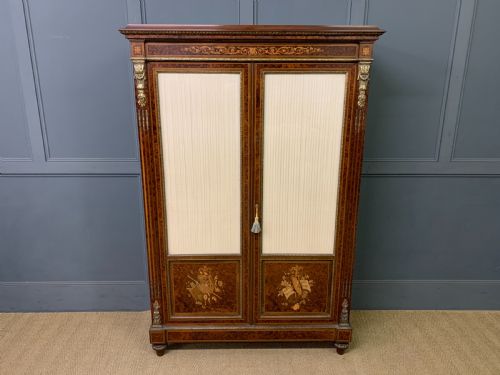
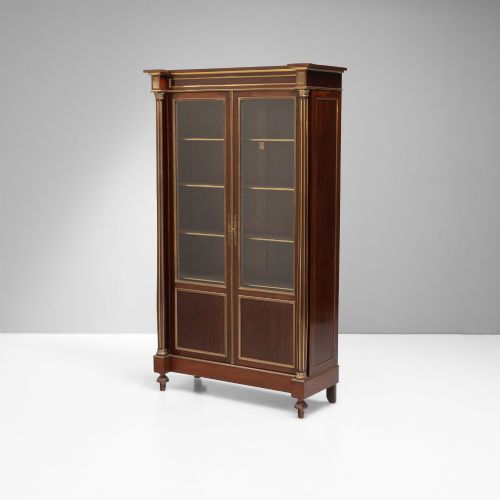


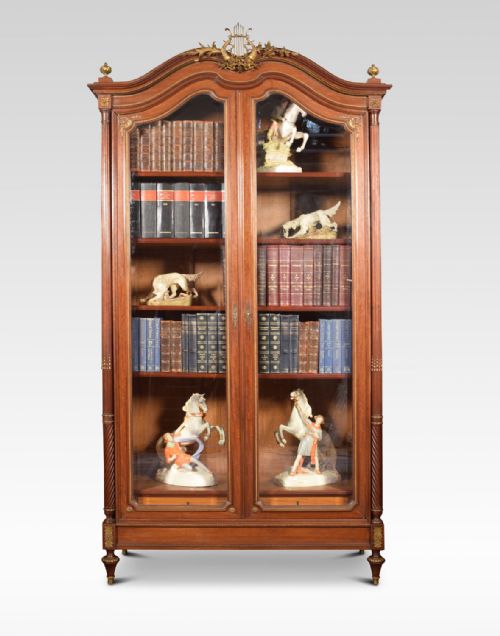

French Bibliotheque Cabinet
A french bibliotheque cabinet brings grand display and deep storage together in a single piece, housing a library behind glazed doors.
French Bibliotheque Cabinet
A french bibliotheque cabinet is a large storage piece designed for books and display, taking the form of bookcases, vitrines, and display cabinets. Buyers seeking this phrase encounter pieces spanning from the eighteenth century through to the end of the nineteenth century.
The versions most commonly met on this page showcase nineteenth century craftsmanship, including styles like French Louis XV Style, French Louis XVI Revival, French Empire, French Provincial, and French Rococo Revival.
These cabinets serve both practical library storage and formal display, often featuring glazed or mesh doors to protect volumes while keeping them visible.
How they were made
Cabinetmakers constructed these pieces using fine timbers such as mahogany, walnut, rosewood, kingwood, amboyna, and bleached oak. The choice of wood dictated the underlying tone of the piece, whether dark and figured or light and provincial.
Decorative elements involve applied brass, gilt brass, and ormolu mounts, alongside intricate boulle marquetry and inlay work. Glazed doors and mesh panels are fitted to the timber frames to enclose the shelved interior.
French Bibliotheque Cabinet Retail Price Guide 2026
Typical asking prices for french bibliotheque cabinet among the pieces listed under this phrase on Sellingantiques today, from the lower quarter to the upper quarter. They describe what is for sale here now, not the wider market.
Listings span from the 18th Century to 1900, incorporating materials like brass, glass, marble, and kingwood.
What varies in quality
Quality reveals itself in the selection of timbers and veneers, such as plum pudding mahogany or figured rosewood, matched across the doors and panels. Superior cabinets display precise joinery and balanced proportions rather than plain functional construction.
The execution of metal mounts, from cast ormolu to gilt brass, separates standard production from finer workshop pieces. Intricate marquetry and boulle work demand high levels of skill, altering the character and refinement of the cabinet.
The French Bibliotheque Cabinet Glossary
- Bibliotheque
- A large bookcase or cabinet designed specifically for housing a collection of books. These pieces often feature glazed doors and adjustable internal shelving.
- Ormolu
- Gilt bronze mounts applied to furniture for decorative effect. This technique was widely utilised in French cabinetmaking during the eighteenth and nineteenth centuries.
- Boulle marquetry
- An elaborate form of marquetry using tortoiseshell and brass inlaid into a dark ground. It is named after the French furniture maker Pierre Boulle.
- Kingwood
- A dense, heavily figured timber with dark violet and brown tones. It was favoured by elite cabinetmakers for high-status veneered furniture.
- Vitrine
- A glass-sided display cabinet used for showing porcelain, curiosities, or fine books. The glass panels allow light to enter from multiple angles.
French Bibliotheque Cabinet: Frequently Asked Questions
What is a french bibliotheque cabinet used for?
These cabinets were originally built to house substantial private libraries and precious collections in formal rooms. They keep books and decorative objects protected behind glass while displaying them clearly.
Today, they function as statement storage pieces in living spaces, studies, and dining rooms. The interior shelving accommodates books, ceramics, and curated display items.
How do I tell different French styles apart?
Louis XV and Rococo revival styles feature curved lines, asymmetry, and naturalistic scrollwork on the woodwork and mounts. Louis XVI revival pieces shift towards symmetry, straight lines, and classical architectural details.
Empire and Napoleon III styles often incorporate bolder classical motifs, heavy dark timbers, and prominent ormolu mounts. Provincial pieces use simpler lines and lighter timbers like bleached oak.
Are these cabinets suitable for modern homes?
Their tall proportions and glass fronts make them practical for displaying books and collections without dominating a room entirely. They provide substantial vertical storage while occupying a modest floor footprint.
Placing them requires measuring ceiling height carefully, as many nineteenth-century examples are exceptionally tall. Consideration should also be given to clearance space for opening large glazed doors.
What woods are typically found on these pieces?
Mahogany is frequently seen, ranging from plain grain to highly figured plum pudding varieties. Walnut and rosewood also appear regularly across nineteenth-century examples.
More decorative pieces utilise exotic woods like kingwood and amboyna, sometimes combined with marquetry. Earlier or regional pieces often employ oak, occasionally bleached for a lighter appearance.