




Victorian Framed Plaque
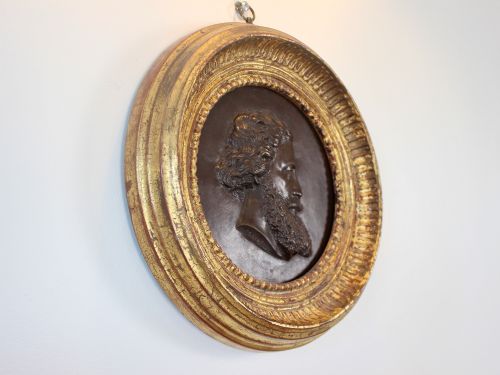
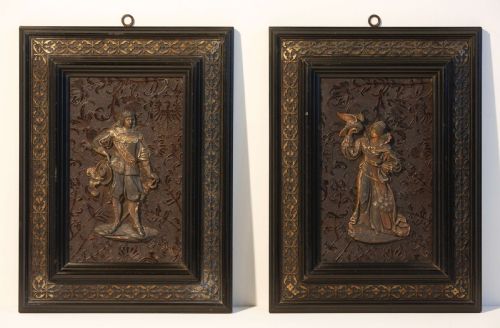
A victorian framed plaque brings hand-painted porcelain, bronze relief, and carved hardwood into interior spaces within decorative wood, gilt, and ebonised surrounds.
Victorian Framed Plaque
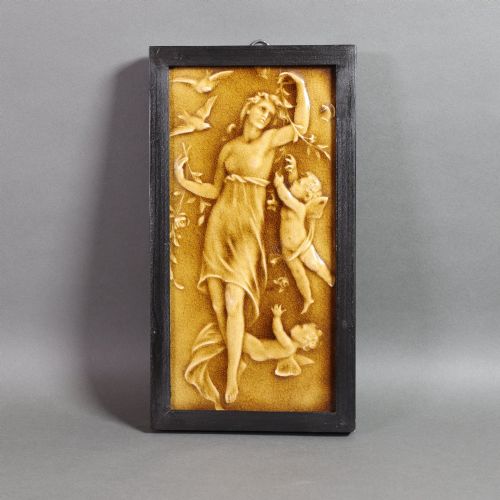
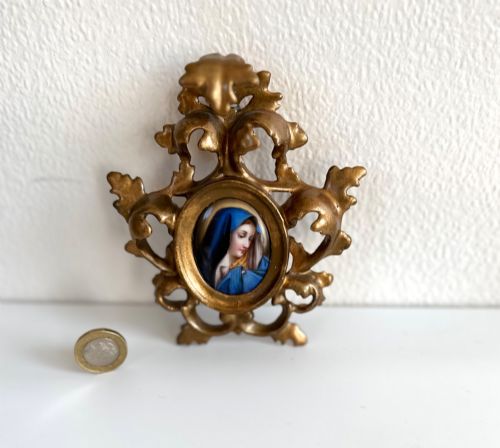
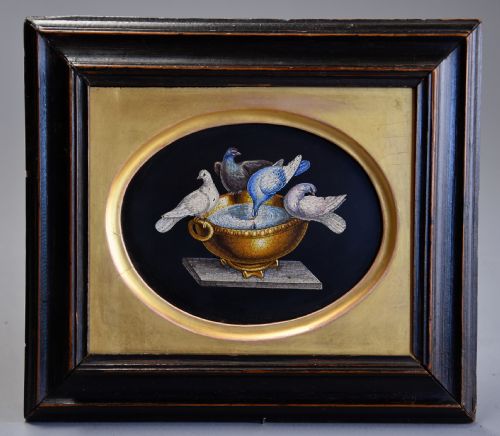
A victorian framed plaque comprises wall-hung decorative art produced during the nineteenth century, encompassing porcelain, enamel, metal, and carved wood panels set within bespoke surrounds. Buyers encounter hand-painted porcelain panels depicting portraits and religious subjects alongside cast bronze reliefs, micromosaics, and glazed ceramic tiles.
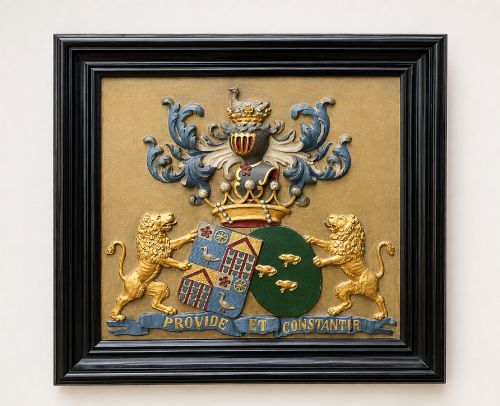
The selection ranges from mid-century classical Italian micromosaics and Dutch heraldic plaques to later Arts and Crafts tile panels and KPM porcelain portraits. Frames vary from simple oak and walnut mouldings to elaborate giltwood and ebonised surrounds designed specifically to display the central panel.
Materials and construction
Makers utilised diverse media including porcelain, enamel, bronze, marble, shell cameos, and hardwoods, often mounting the primary relief or panel within protective timber or metal frames. Porcelain panels received detailed hand-painted decoration or pate-sur-pate slip work, while metal plaques employed cast bronze, white metal, and bronzed copper with applied patination.
Framing materials included oak, walnut, rosewood, and ebonised wood, frequently incorporating gilt accents, glass glazing, or carved crests. Supporting elements like brass mounts, mother-of-pearl inlay, and dedicated wooden stands provided stability and enhanced the visual depth of the wall art.
The inventory records wall plaques, portrait miniatures, tiles, and relief panels.
Distinctions in craftsmanship
Quality rests upon the precision of the artistic execution, whether in the fine brushwork of a painted porcelain portrait, the intricate tesserae of a micromosaic, or the sharp casting detail of a bronze relief. Superior examples exhibit masterful handling of form and expression, often bearing signatures or attribution to established factories and makers.
The integration between the plaque and its frame dictates overall success, with superior pieces featuring housings tailored to the dimensions and aesthetic of the central artwork. Original frames matching the period of the plaque hold greater integrity than later replacements.
Van Rijckevorsel And Verheijen·Mainfroy·R Pernice·William Rayworth·Birks·Minton·Sherwin And Cotton
The Victorian Framed Plaque Glossary
- Micromosaic
- Composed of tiny glass tesserae assembled to create detailed pictorial scenes. This technique gained prominence during the Grand Tour period.
- Pate-sur-pate
- A ceramic manufacturing method where liquid white clay is painted in successive layers onto a dark contrasting body to build low relief decoration.
- Giltwood
- Timber that has been coated with a thin layer of gold leaf or gesso and gold paint. It frequently appears on ornate nineteenth-century picture frames.
- Ebonised
- Wood treated with chemical stains or dark finishes to imitate costly ebony. This dark treatment provides strong visual contrast for porcelain and bronze plaques.
- Relief
- Sculpture technique where elements project from a flat background. Works appear in high, low, or deep relief depending on the depth of projection.
Victorian Framed Plaque: Frequently Asked Questions
How do I hang a heavy plaque?
Heavy plaques require secure wall fixings suited to the weight of the timber frame and central panel. Utilising appropriate wall plugs and picture wire ensures stable placement.
Professional hanging hardware prevents damage to both the wall and the antique frame during display.
Are these plaques signed by artists?
Certain porcelain, metal, and enamel pieces feature painted signatures, impressed factory marks, or engraved names. These inscriptions indicate specific makers or studios.
Unsigned pieces remain common, relying on stylistic attribution and period materials for identification.
How should I clean porcelain plaques?
Glazed porcelain surfaces tolerate gentle dusting with a soft, dry cloth to remove accumulated particles. Avoiding liquid cleaners protects delicate overglaze painting and gilt accents.
Framed glass covers should be cleaned with standard glass cleaner applied to a cloth rather than sprayed directly onto the frame.
What periods do these pieces represent?
The listings span the nineteenth century and early twentieth century, encompassing Victorian productions, Arts and Crafts movements, and Renaissance revival styles. Material choices and framing techniques shift across these decades.
Earlier nineteenth-century examples often feature Grand Tour souvenirs and classical subjects, while later pieces reflect industrial and decorative arts developments.