


Art Nouveau Plaques
Art nouveau plaques capture the fluid botanical lines and organic forms of the turn of the twentieth century, offering a striking focal point for interior walls.
Art Nouveau Plaques
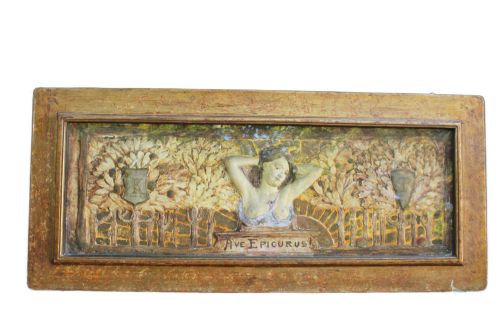
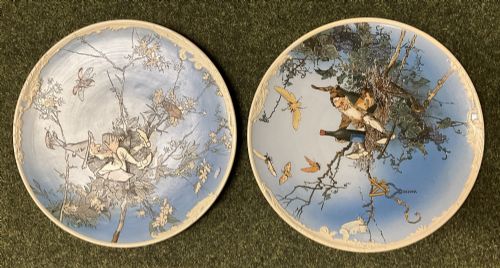
Art nouveau plaques encompass a diverse range of wall art, wall relief, and decorative plates created primarily around the turn of the twentieth century. These pieces reflect the prominent design movements of the era, including Arts & Crafts, Jugendstil, and French Art Nouveau.
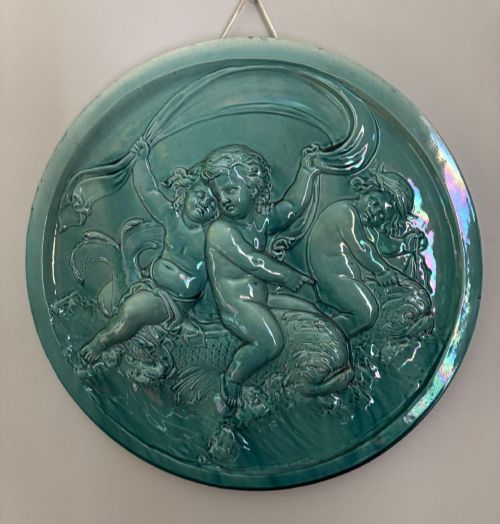
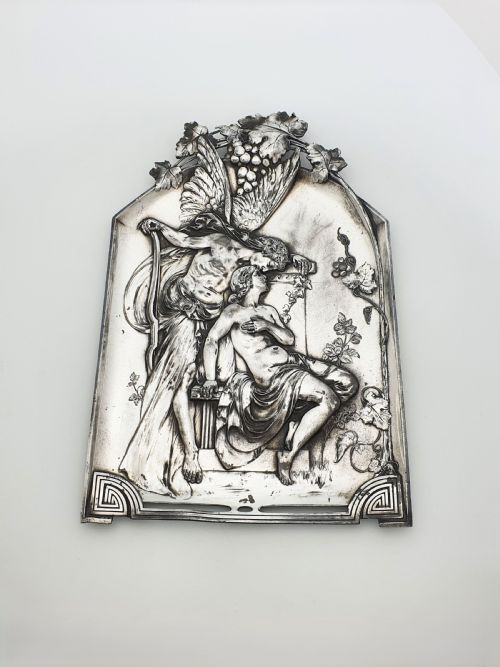
Buyers will encounter varied forms on this page, ranging from glazed earthenware and terracotta wall reliefs to repousse metalwork and carved wooden panels. Many examples originate from Britain, France, Austria, and Germany, capturing regional interpretations of the organic style.
How they were made
Makers utilised plastic and ceramic techniques, shaping clay into terracotta, earthenware, and majolica pottery before applying polychrome glazes or enamels. Relief moulding allowed artisans to achieve deep, sculptural contours for figures and foliage.
Metalworking involved silver plating and repousse work on copper, where craftsmen hammered designs from the reverse to create raised surface relief. Wood was shaped through traditional hand carving to produce detailed panels with characteristic linear patterns.
One satirical terracotta plaque immortalises a refugee monkey family in America.
What varies in quality
The distinction between standard commercial pieces and superior examples lies in the crispness of the modelling and the depth of the relief work. Finer items exhibit deliberate hand finishing, whether in the precision of a carved wooden panel or the delicate brushwork of a polychrome glaze.
Material composition and the sophistication of the design execution also separate the range, with signed or attributable works by recognised European potteries and sculptors demonstrating superior artistic ambition.
Clement Messier·Ernst Wahliss·Karl Sterrer
The Art Nouveau Plaques Glossary
- Repousse
- A metalworking technique where a design is hammered into relief from the reverse side. This process creates raised surface ornamentation on copper and other malleable metals.
- Majolica
- A type of earthenware coated with an opaque tin glaze and painted with metallic oxide colours. It produces vibrant, glossy surfaces found on nineteenth-century decorative ceramics.
- Jugendstil
- The continental European variant of the art nouveau movement, originating in Germany. The style draws heavy inspiration from natural plant forms and flowing linear rhythms.
- Polychrome
- The practice of decorating surfaces in multiple colours. This finish appears frequently on plaster reliefs and ceramic tiles from the period.
- Terracotta
- Fired unglazed clay of a brownish-red colour, utilised for sculptural wall reliefs. The material accepts fine detail during the moulding process.
Art Nouveau Plaques: Frequently Asked Questions
How do I hang heavy ceramic wall plaques?
Heavy ceramic and terracotta plaques require robust wall fixings anchored directly into masonry or secure stud work. Utilise sturdy picture wire or integrated mounting brackets designed to distribute the weight evenly.
Avoid relying on lightweight picture hooks that may pull free from the plaster under sustained tension.
Were these pieces designed for outdoor display?
Most art nouveau plaques are intended exclusively for interior placement, particularly glazed earthenwares, plaster works, and enamelled iron signs. Moisture and frost can penetrate porous ceramics and damage delicate polychrome surfaces.
Examine the material composition carefully before considering placement in conservatories or damp environments.
How should I clean antique metal plaques?
Dust metal surfaces gently with a soft, dry cloth to prevent the accumulation of abrasive particles. Avoid aggressive metal polishes that can strip silver plating or remove desirable patination from copper.
Preserving the natural surface age maintains the integrity and historical character of the piece.
How do I distinguish art nouveau from arts and crafts?
Art nouveau relies primarily on sinuous, asymmetrical lines inspired by botanical stems and whiplash curves. Arts and crafts design leans towards structured hand craftsmanship, medieval motifs, and visible utility.
Overlap occurs frequently, as many workshops embraced elements of both aesthetic philosophies during the period.