



19th Century Brass Portrait
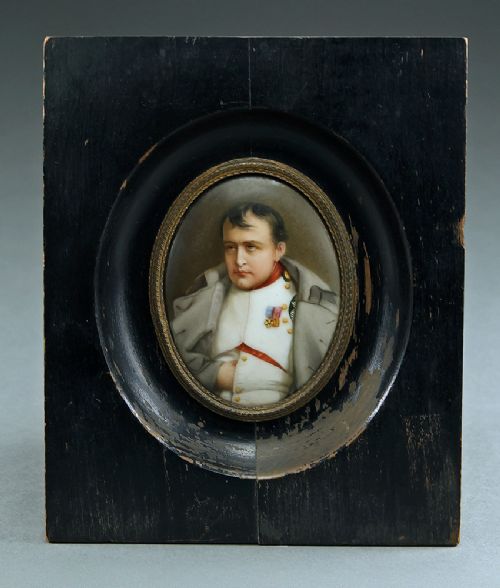
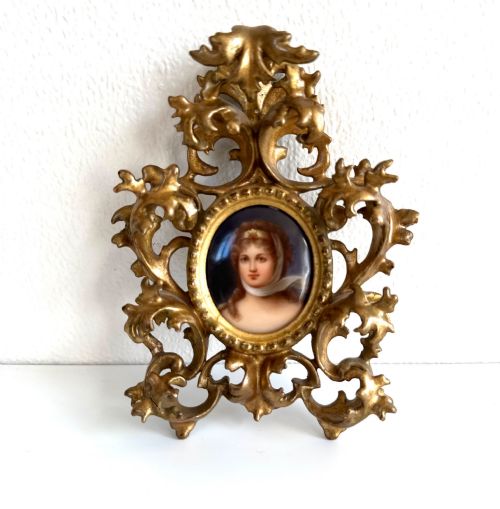
These 19th century brass portrait pieces combine metalwork with painted miniatures and reliefs, offering a glimpse into historic likenesses.
19th Century Brass Portrait
A 19th century brass portrait typically encompasses small framed paintings, silhouettes, and metal reliefs capturing historic figures or private individuals. Buyers seek these items for their combination of miniature artistry and decorative metal housing.
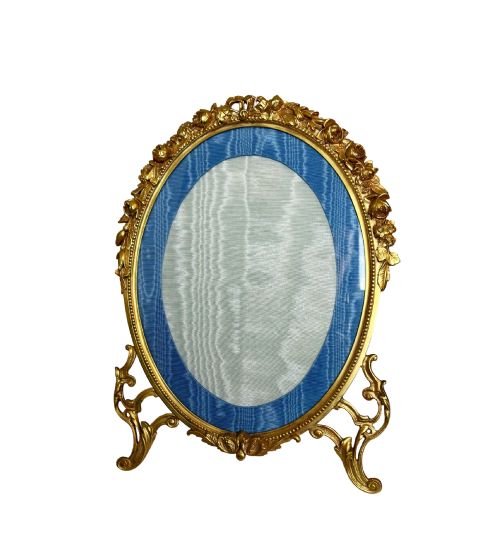
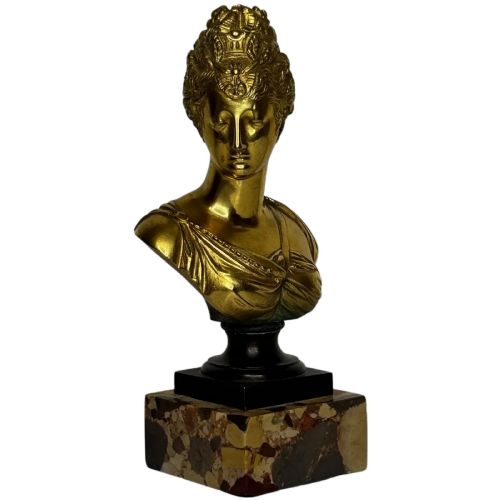
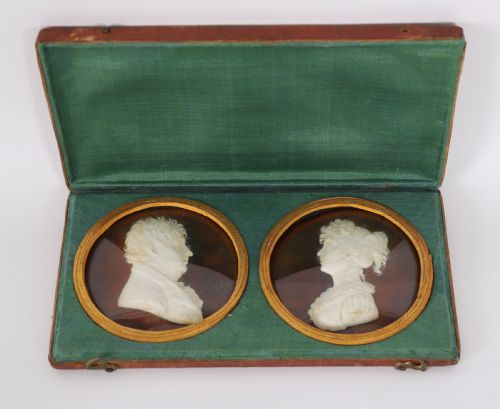
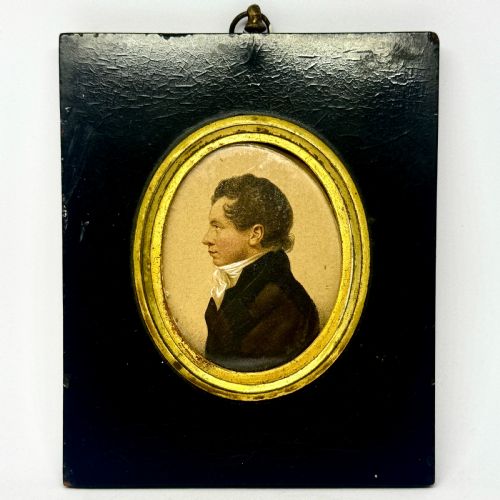
The selections available range from Regency silhouettes to Victorian frames enclosing painted subjects, porcelain plaques, or wax reliefs. Many utilise brass, ormolu, or gilt bronze surrounds to frame the central likeness.
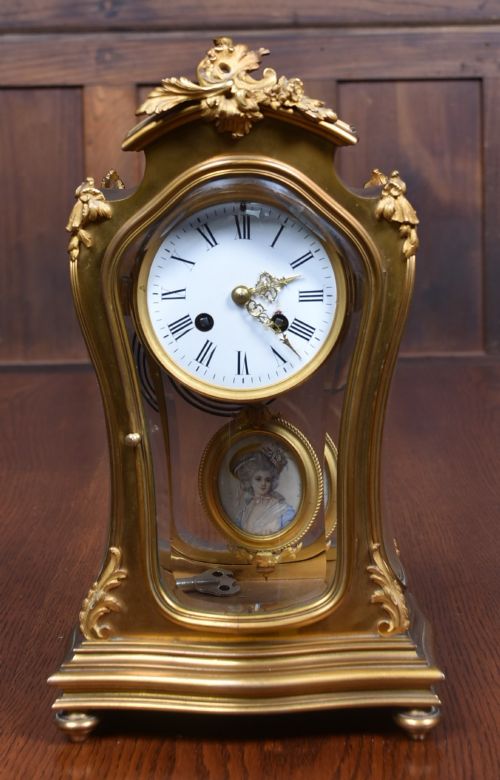
Objects include desk accessories, wall art, mantel clocks, and specialised picture frames designed to showcase a single detailed face. These pieces draw attention through the interplay of polished metal and delicate portraiture.
How they were made
Artisans produced these portraits using materials such as brass, gilt bronze, ormolu, and ebonised wood alongside glass to protect the surface. Paper, porcelain, and watercolour or gouache served as the base for the painted or silhouetted likenesses.
Foundries cast metal frames with decorative motifs, often applying gilding or mounting them with agate and porcelain plaques. Portraitists painted delicate watercolours or moulded wax reliefs, mounting the results inside protective brass or gilt metal housings.
Listings feature periods from the Regency era through to the late Victorian period, spanning the years 1800 to 1900.
What varies in quality
Quality rests upon the crispness of the metal casting and the fineness of the portrait work inside the frame. Superior examples demonstrate expert hand-painting or precise silhouetting paired with heavily chased ormolu and gilt bronze mountings.
The integration of the housing with the portrait dictates the overall standard of the piece. Well-preserved glass, secure easel backs or hanging loops, and signed miniatures elevate the standing of the work.
George Atkinson·J. Deacon·Emma Kendrick·Jeremiah Steele·F. Bienvue
The 19th Century Brass Portrait Glossary
- Ormolu
- Gilded bronze or brass applied to decorative objects and furniture mounts. This technique provided a bright golden finish popular in French and English decorative arts.
- Silhouette
- A portrait represented as a solid shape of a single colour, usually black on a light background. Artists often cut these from paper or painted them with gilded highlights.
- Miniature painting
- A heavily detailed picture executed on a small scale, often on ivory, vellum, or porcelain. These works required specialised magnifying lenses and fine brushes.
- Grand Tour
- A traditional trip of Europe undertaken by upper-class European young men of means. Souvenirs from these journeys included wax portrait reliefs and small artworks.
- Brumagem
- A historical term for cheap or shoddy goods made in Birmingham, though sometimes used to describe specific local brassware. It denotes items produced in the Midlands metalworking hub.
19th Century Brass Portrait: Frequently Asked Questions
What are 19th century brass portraits?
These items are small framed likenesses, including painted miniatures, silhouettes, and wax reliefs encased in brass, ormolu, or gilt metal frames.
They serve primarily as decorative wall art, desk pieces, or components of larger decorative objects like clocks and mirrors.
How were silhouettes created?
Silhouettes were produced by cutting profile portraits from black paper or by painting the likeness onto card or plaster.
Many examples feature added gold highlights to define clothing and hair details within an ebonised or brass frame.
Where should I display them?
These pieces suit mantelpieces, desks, and gallery walls where their small scale can be appreciated up close.
Keep them away from direct sunlight to protect delicate watercolours, paper silhouettes, and porcelain plaques from fading.
How do I identify Regency pieces?
Regency items often feature specific dress styles, such as high-waisted dresses for women and distinctive hairstyles or neckwear for men.
Frames from this period frequently utilise ebony wood, simple brass surrounds, or early gilded silhouettes signed by period artists.