

Victorian Framed Picture
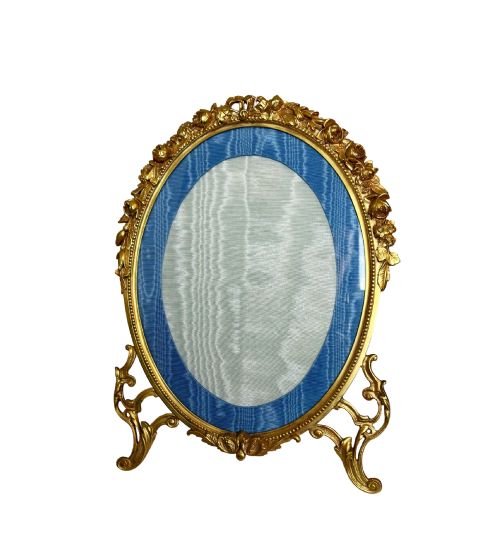
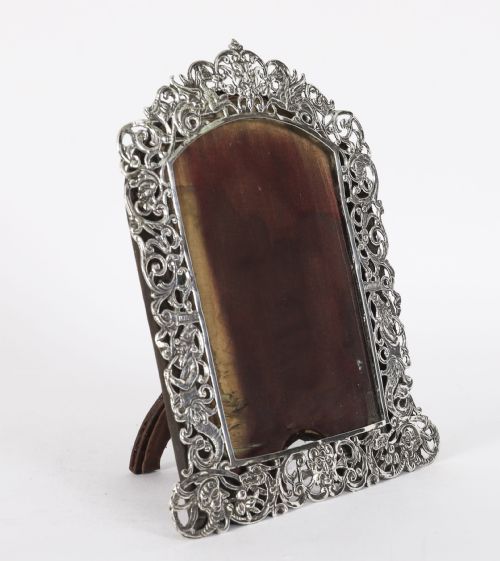
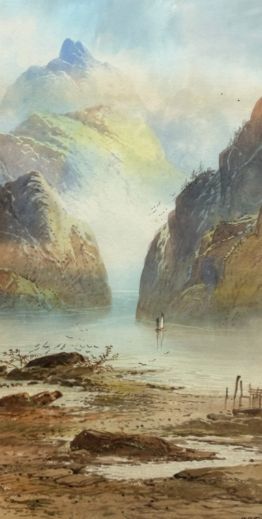
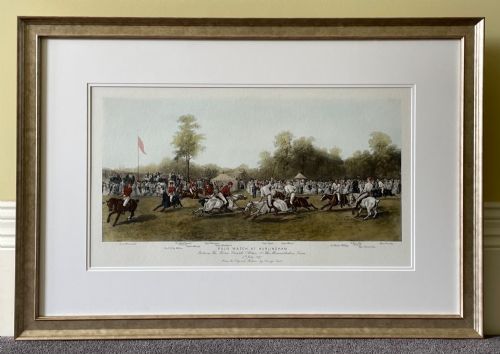
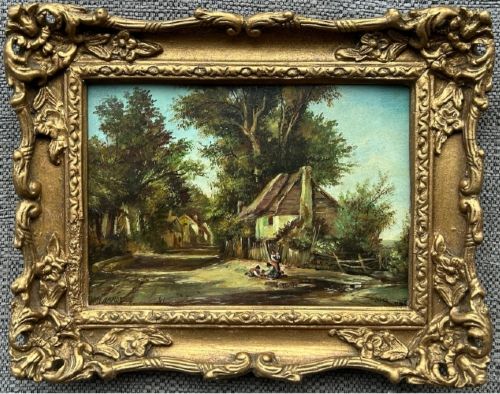
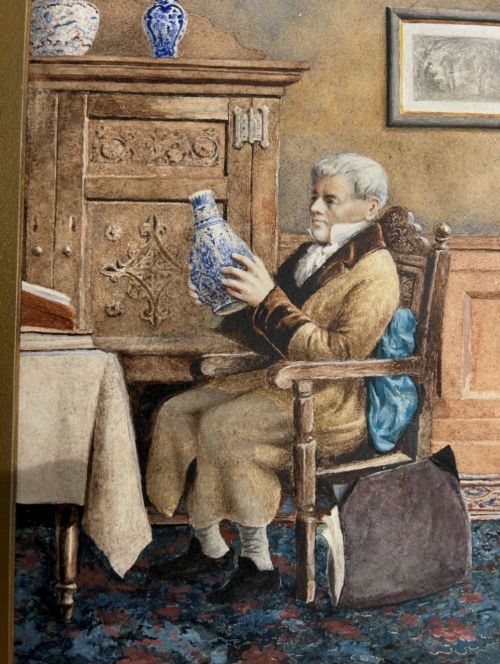
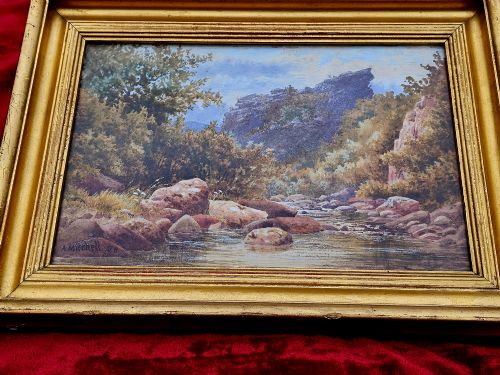
When you search for a victorian framed picture, you are looking at oil paintings, watercolours, needleworks and prints enclosed in period timber, metal or gesso mountings.
Victorian Framed Picture
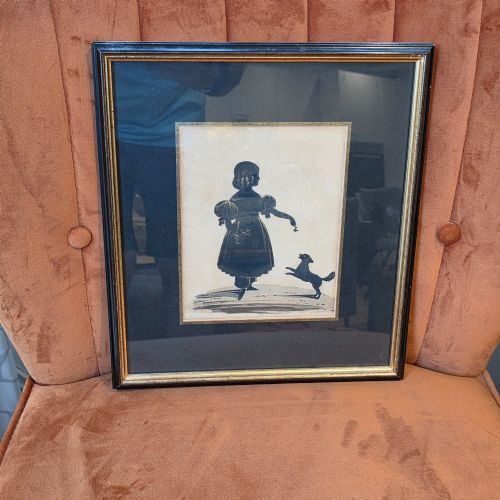
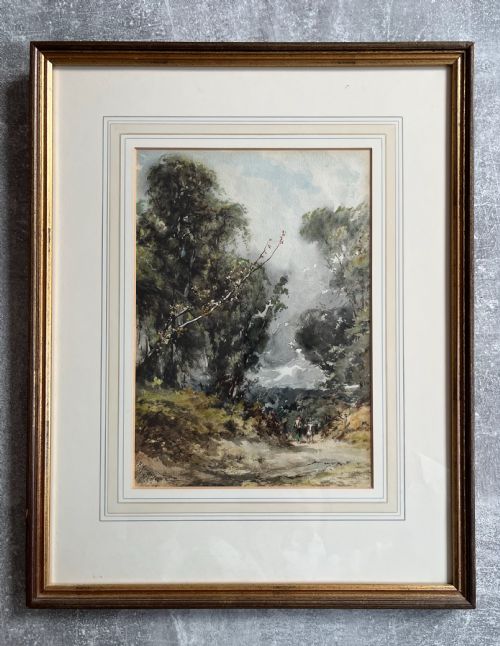
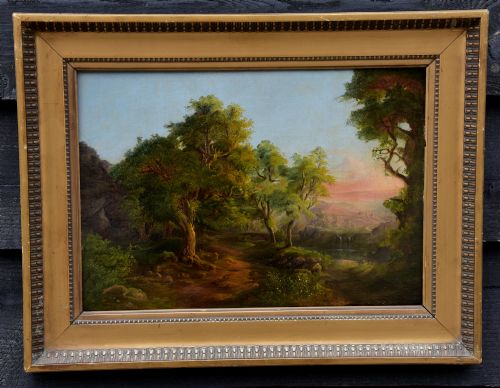
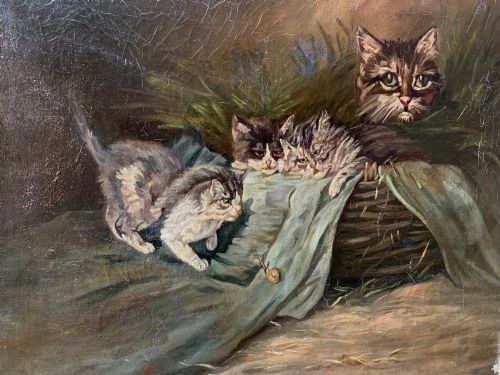
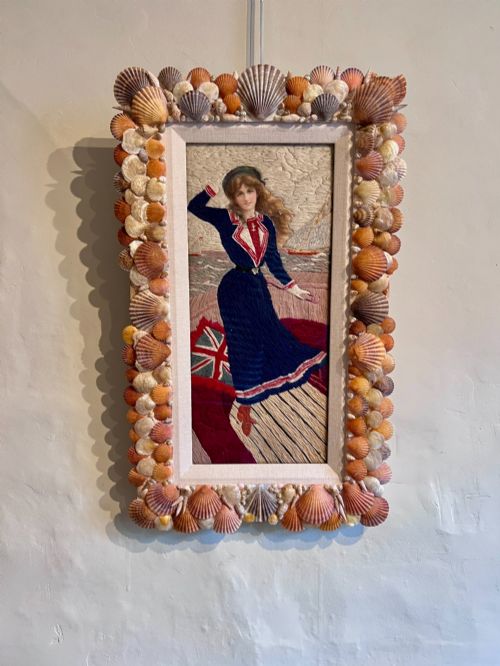
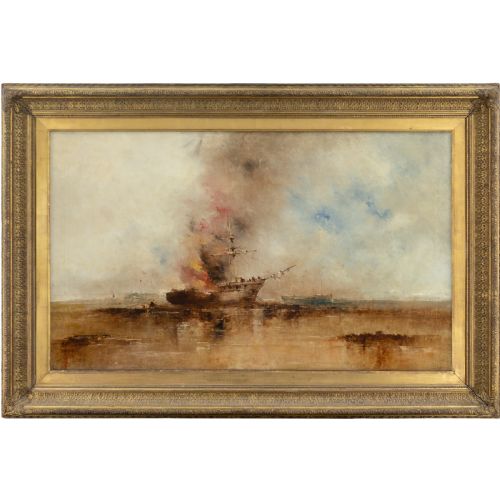
A victorian framed picture encompasses a wide variety of wall art from the nineteenth century, including landscapes, portraits, still lifes and textile works. Buyers searching for a victorian framed picture will find oil paintings on canvas and board, watercolours, lithographs, and needlework panels.
The most common examples on this page combine original paintings or hand-worked textiles with timber frames, giltwood surrounds or deep moulding boxes. Works span periods from the 1850s through to the Edwardian era, reflecting diverse styles such as romanticism, folk art and classical portraiture.
Subjects range from British countryside views and maritime scenes to botanical studies and domestic interiors. Many pieces retain their original mounts and protective glass, preserving the integrity of the artwork within.
Factors of Quality
The standard of a victorian framed picture is determined by the skill of the artist or maker and the harmony between the artwork and its surround. Hand-painted oils and detailed watercolours executed by named artists or academy exhibitors sit at the upper end of the range.
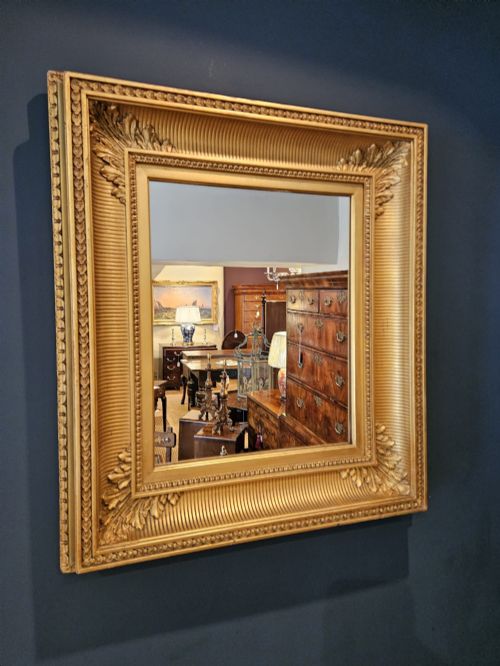
Frame craftsmanship also dictates value, with heavy giltwood, acanthus leaf decoration, or original burr maple surrounds elevating a piece above mass-produced alternatives. Preservation of the original components without modern alterations maintains the historical integrity of the object.
Victorian Framed Picture Retail Price Guide 2026
Typical asking prices for victorian framed picture among the pieces listed under this phrase on Sellingantiques today, from the lower quarter to the upper quarter. They describe what is for sale here now, not the wider market.
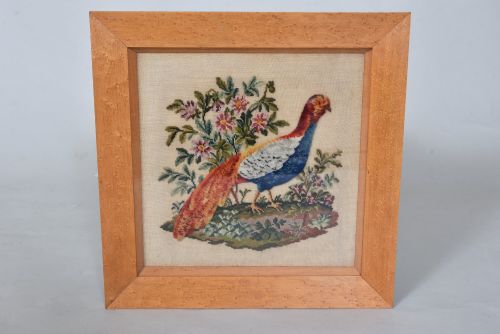
Several pieces preserve nineteenth-century pets forever in wool, including King Charles spaniels and plushwork pheasants.
William James Hubard·George Fotherly Hargitt·Rosenthal Jacob and Co·William Henry Earp·Henry Stacy Marks·William Howard Hardy·William McAlpine·Alfred Fontville de Breanski Jr·Oliver Clare·Frederick Morgans·Edward Mills·Stephen Samuel Lewin·David Bates·Leon Sprinck·William Powell Frith·Herbert Dicksee·Gian Paolo Pace·Alfred Lyndon Grace·Vincent Clare·William Comyns·Walter Heath Williams·Augustin Edouart·Robert Thorne Waite·Howard Helmick
The Victorian Framed Picture Glossary
- Giltwood
- Wood that has been coated with a thin layer of gold leaf or gilt finish. This technique gives frames a bright reflective surface that was popular in nineteenth-century interiors.
- Gesso
- A plaster-like mixture applied to wooden frames as a base for gilding or moulding. It allows craftsmen to carve intricate relief decorations such as acanthus leaves.
- Berlin Work
- A style of counted-thread embroidery popular during the Victorian period. It utilised brightly coloured wools charted on grid paper to create pictorial wall panels.
- Woolwork
- A textile picture stitched entirely in wool yarns, often depicting ships, animals or figures. These are frequently found preserved beneath original glass inside deep wooden frames.
- Lithograph
- A planographic printing process used to produce mass-market pictorial prints. Nineteenth-century examples often received hand-colouring after printing.
Victorian Framed Picture: Frequently Asked Questions
How do I hang a heavy framed picture?
Heavy nineteenth-century frames require robust wall fixings anchored directly into masonry or wall studs. Utilise sturdy picture wire attached securely to strong screw eyes on the wooden frame back.
Ensure the hanging height places the centre of the artwork at eye level. Check that the wall hook matches the combined weight of the painting and its glass.
Should I clean the glass on old frames?
Old glass can be cleaned gently with a soft cloth and mild glass cleaner applied to the cloth rather than sprayed directly. This prevents moisture from seeping under the edge of the glass and damaging delicate paper or canvas.
Take care not to let cleaning solutions touch antique gilding or paper labels on the reverse. Older glass often exhibits bubbles and waviness which should be preserved.
How do I identify a Victorian frame?
Victorian frames typically feature deep cavetto profiles, heavy gesso ornamentation, or applied composition leaf decorations. Examining the reverse reveals hand-cut timber boards, old joinery nails, and aged backing papers.
Many period frames show minor craquelure or shrinkage cracks in the gesso surface. Original gilding often develops a warm, softened patina over time.
Can I place these pictures in direct sunlight?
Direct sunlight causes fading in watercolours, prints, woolwork panels and oil paint pigments. Position your artwork away from south-facing windows to protect the colours.
Ultraviolet filtering glass or specialist conservation framing can provide additional protection against light damage. Consistent indoor temperatures also prevent the wood and gesso from warping.