
Victorian Footed Bowl
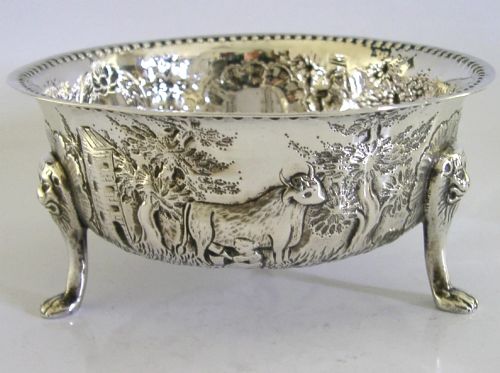
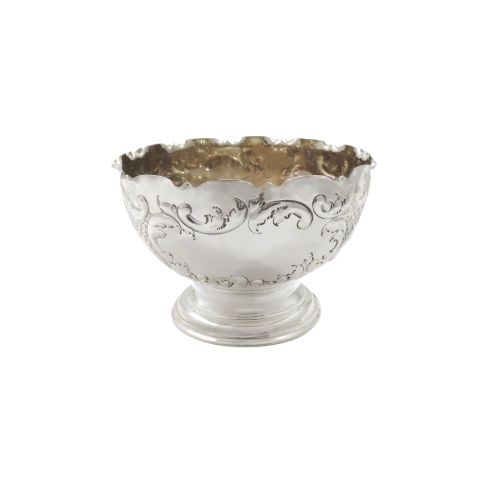
A victorian footed bowl brings raised presence to a table, offering silver, cut glass and pottery forms that hold fruit or flowers with period weight.
Victorian Footed Bowl
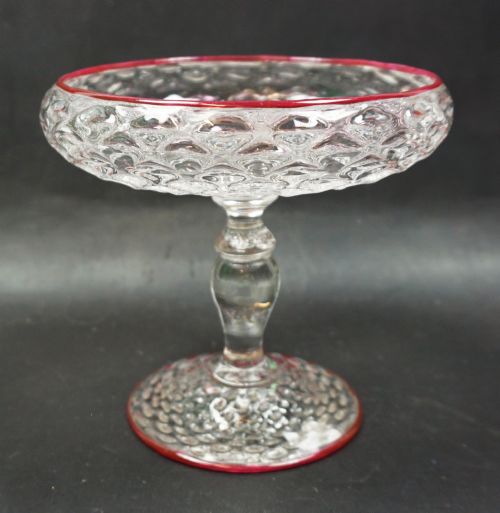
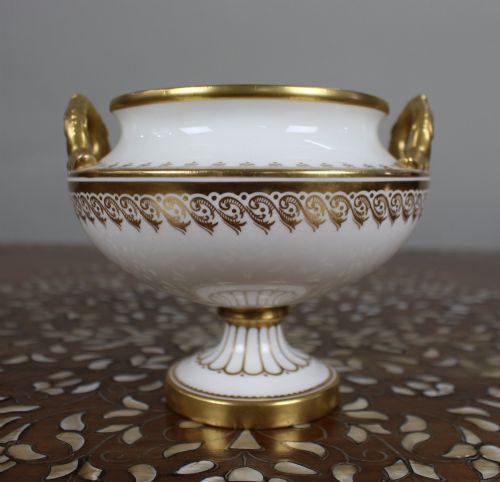
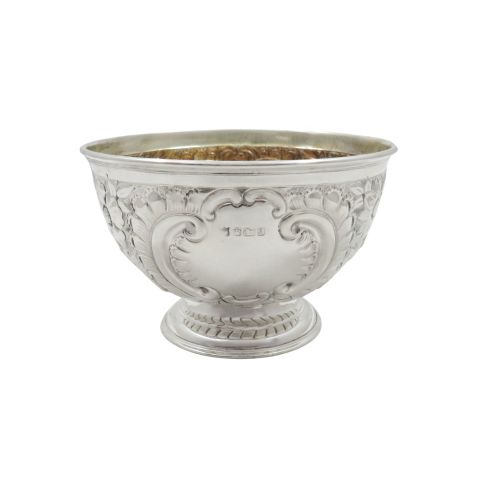
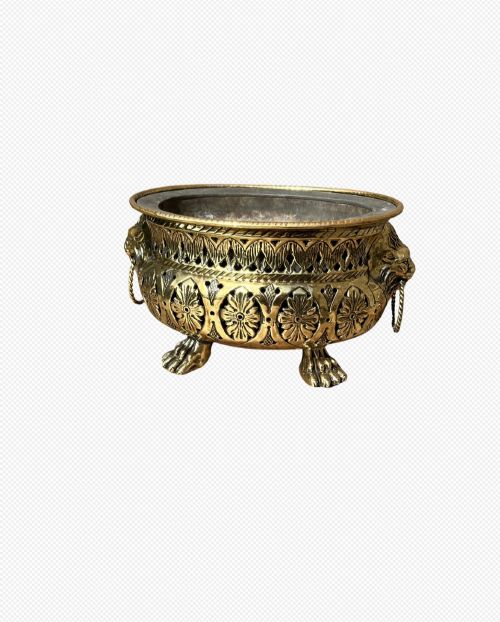
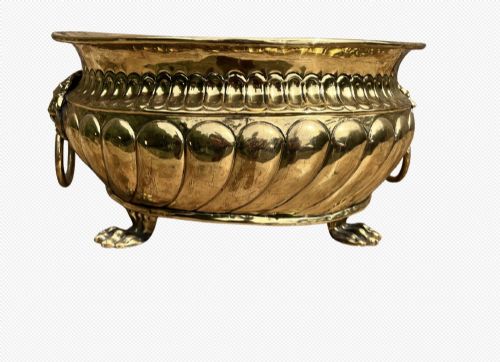
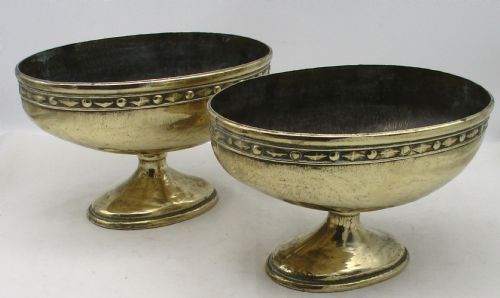
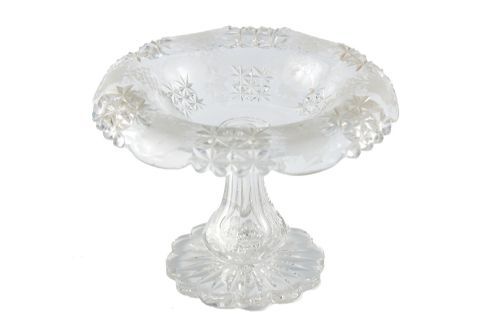
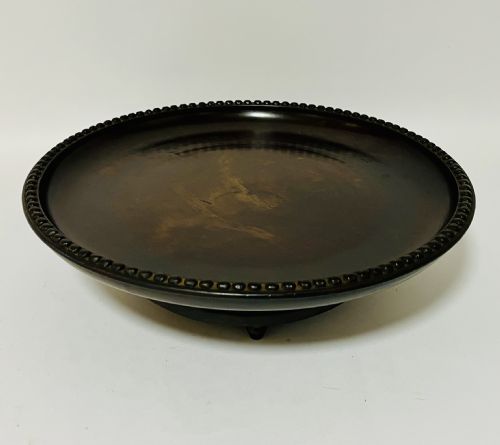
A victorian footed bowl appears in forms ranging from heavy sterling silver pedestal dishes and cut glass tazzas to earthenware comports and brass jardinieres. These pieces elevate their contents above the surface, using pedestals, feet, or stems to create a distinct profile on a dining table or sideboard.
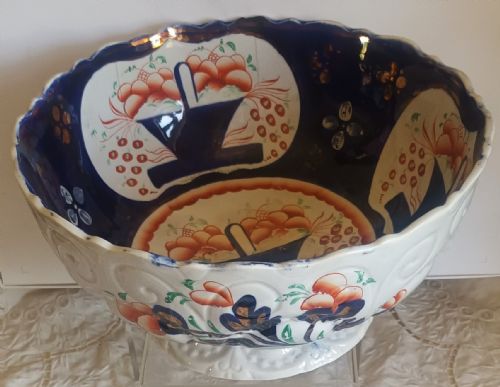
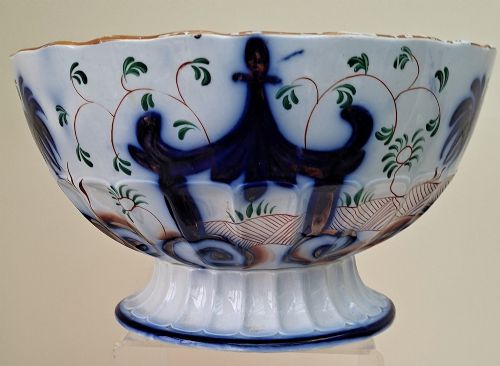
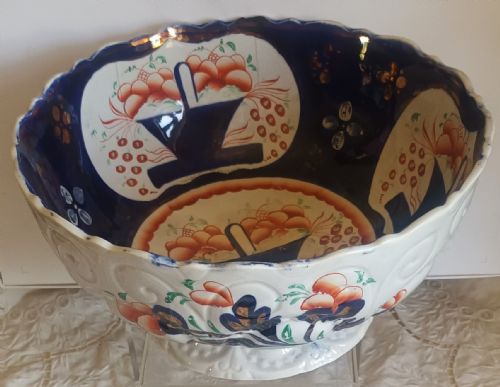
The selection on this page draws from nineteenth century manufacturing centres, spanning sterling silver from English assay offices, moulded lead crystal, and pottery patterns like Gaudy Welsh or flow blue. Items range from small salt cellars and bonbon dishes to large table centrepieces and footbaths.
Makers and regional workshops produced these vessels in styles including Victorian Gothic, Neoclassical, and Chinoiserie, alongside Swiss wooden bowls and Anglo-Indian silver. Buyers encounter both utilitarian tablewares and highly decorative display pieces intended for formal rooms.
How they were made
Silversmiths shaped sterling silver through hammering, chasing, and piercing, creating pedestals and footed bowls with floral or geometric motifs. Glassmakers utilised lead crystal, blowing molten metal into moulds before cutting facets or engraving designs like fruiting vines.
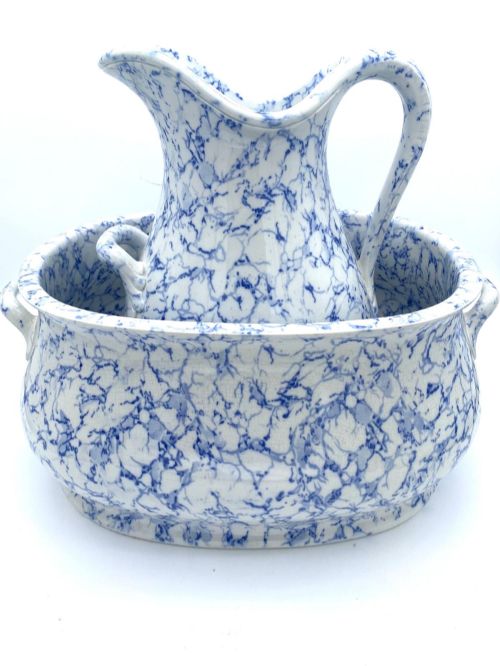
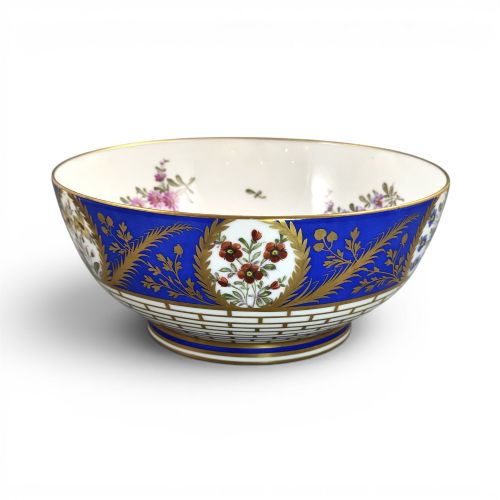
Potteries employed earthenware and ironstone, applying transfer prints such as the basket of flowers pattern or hand-painting details over glazes. Brass pieces combined cast elements like lion mask handles with sheet metal bodies decorated via repoussé work.
Swiss artisans carved musical movements into wooden fruit bowls, hiding tiny tunes inside the vessel beneath the apples and pears.
What varies in quality
The distinction between standard domestic items and high-end pieces lies in the crispness of the casting, the depth of glass cutting, and the precision of silver chasing. Heavy gauge silver and thick lead crystal provide a substantial physical presence that lighter wares lack.
Decoration complexity also dictates the tier of the piece, moving from simple moulded glass to heavily engraved ruby glass, intricate pierced brass, or hand-painted ceramic patterns with gilding.
Minton·Samson Paris·Mason·Stuart for Liberty·François-Eugène Rousseau Baccarat
The Victorian Footed Bowl Glossary
- Tazza
- A shallow bowl or plate mounted on a stem and foot, used historically for serving fruit or sweetmeats. These often appear in glass, silver, or porcelain.
- Comport
- A large footed dish or bowl designed for holding fruit on a dining table. They frequently match ceramic dessert services from the nineteenth century.
- Repoussé
- A metalworking technique where the artisan hammers the design from the reverse side to form a raised relief on the front. This method appears on brass jardinieres and silver bowls.
- Jardiniere
- An ornamental pot or bowl, usually made of brass or earthenware, designed to hold large plants or floral arrangements. Many feature decorative handles or pierced rims.
- Flow blue
- A cobalt blue transfer-printing style on earthenware where the colour bleeds slightly into the surrounding glaze during firing. This technique originated in Staffordshire potteries.
Victorian Footed Bowl: Frequently Asked Questions
What were footed bowls used for?
These vessels served functional and decorative roles in nineteenth-century homes, holding fruit, flowers, or sweetmeats on dining tables and sideboards.
Smaller versions functioned as salt cellars or bonbon dishes, while large jardinieres and centrepieces acted as permanent decorative focal points in formal rooms.
How do I clean antique silver bowls?
Silver pieces require gentle washing with warm water and mild soap, followed by drying with a soft cloth to protect the metal surface.
Avoid abrasive polishes that wear away thin silver plating or soften the hand-chased details created by period silversmiths.
Are glass tazzas fragile?
Lead crystal and cut glass possess substantial weight and thickness, but the stems and feet remain vulnerable to sharp impacts or sudden temperature changes.
Hand washing in warm water prevents thermal shock and protects delicate engraved patterns or applied red canes from damage.
How do I identify the period?
Hallmarks on silver items provide exact assay office marks and date letters, while ceramic pieces often rely on registry marks or maker stamps underneath.
Style indicators, such as Victorian Gothic elements or Aesthetic Movement gilding, help narrow down the decade when official stamps are absent.