

Victorian Folk Art
Victorian folk art captures the inventive spirit of nineteenth-century makers through unique handmade objects shaped by everyday life.
What Victorian folk art is
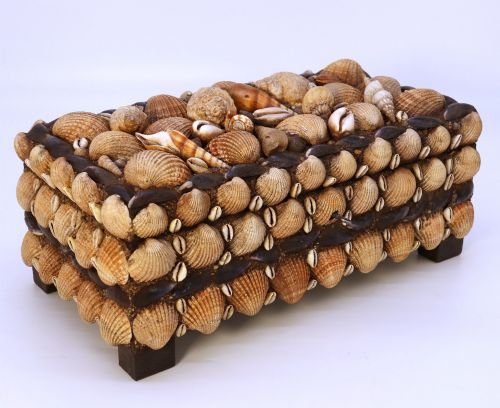
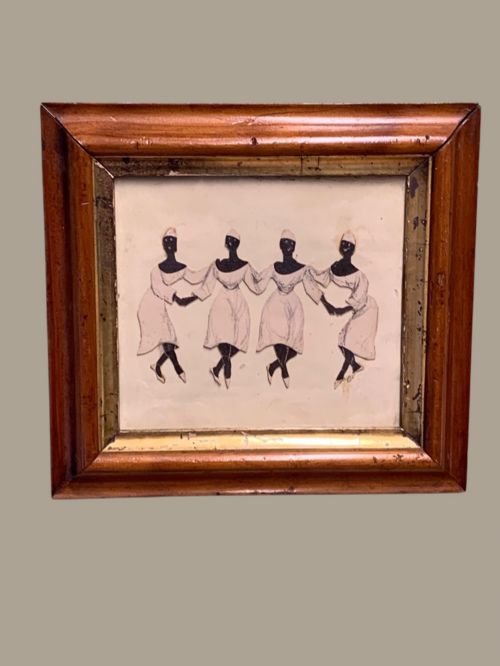
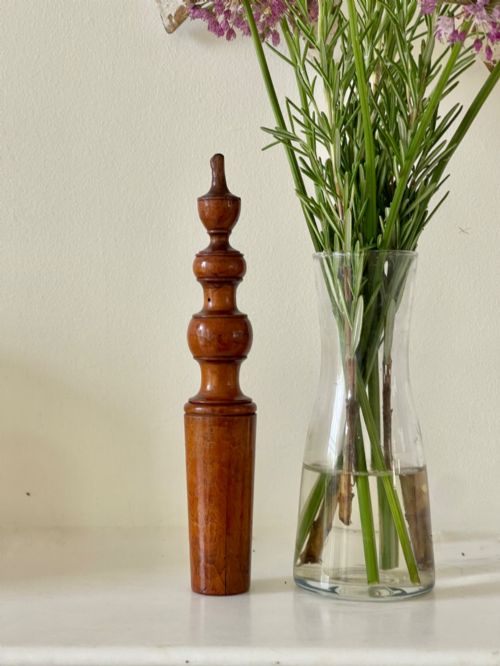
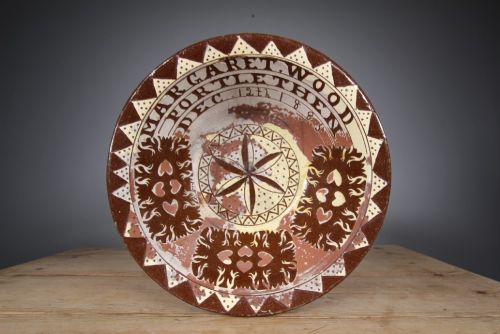
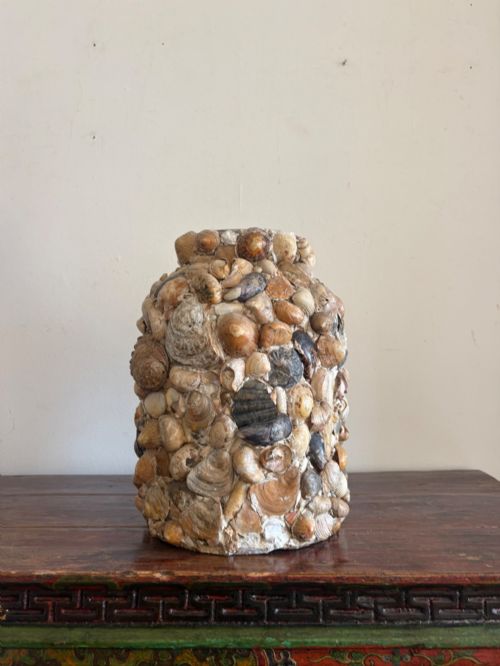
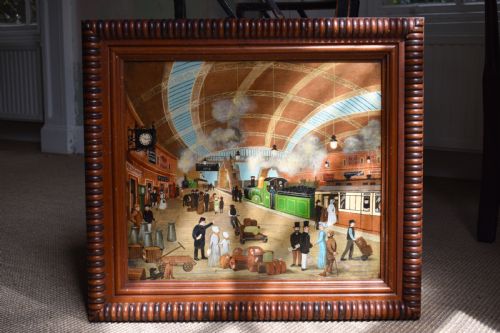
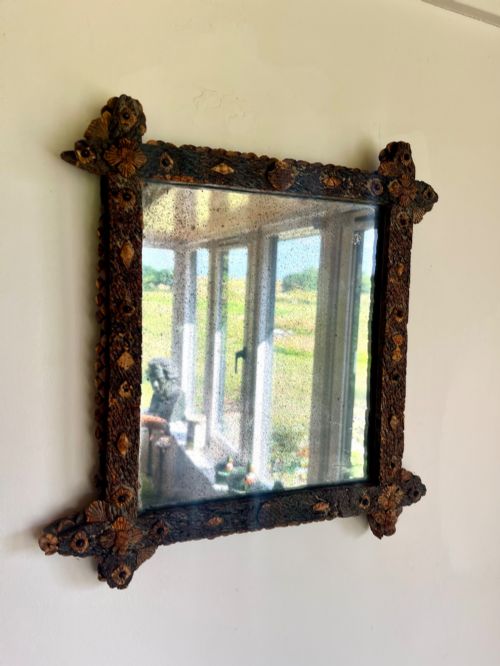
Victorian folk art encompasses a diverse range of handmade objects created outside formal academic traditions, reflecting the domestic and rural life of the nineteenth century. These pieces include carved treen, decorative wall panels, maritime watercolours, and scratch-built architectural models.
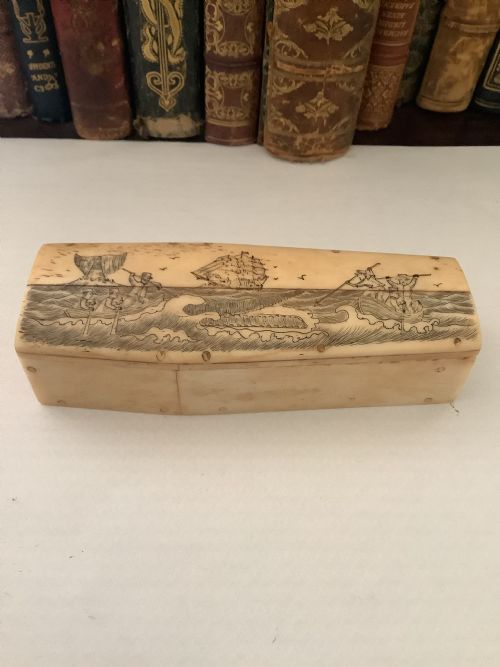
The version most commonly encountered on this page is the Welsh lovespoon, alongside carved wooden animals, brass wall pockets, and intricate puzzles such as snuff coffin boxes. These items frequently display regional identities, particularly from English and Welsh makers.
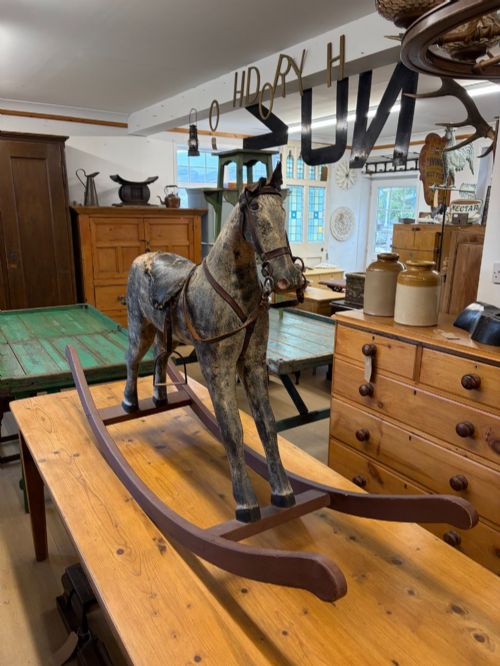
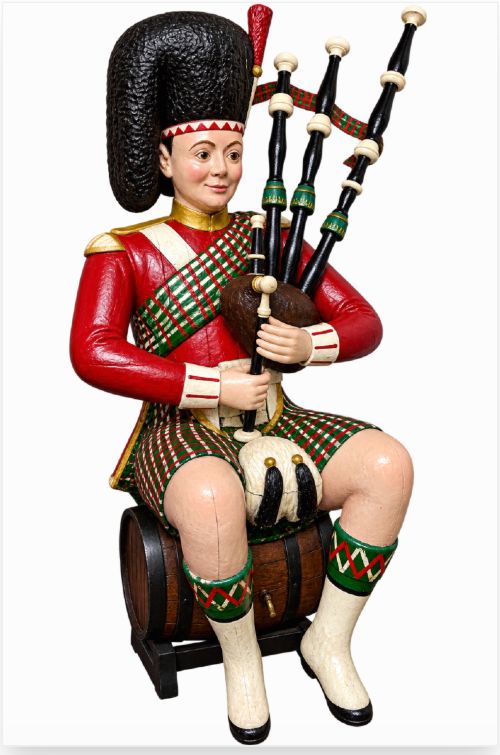
Beyond domestic treen, the selection extends to fairground ride panels, rocking horses, and detailed dioramas such as Noahs Arks complete with carved animal figures. Each piece serves as a tactile record of vernacular craftsmanship from the period.
How they were made
Makers utilised available local materials including oak, softwood, brass, iron, glass, and wax to construct these vernacular objects. Wood was frequently carved, turned, or painted, while metals such as brass were worked into decorative wall pockets and pipe racks.
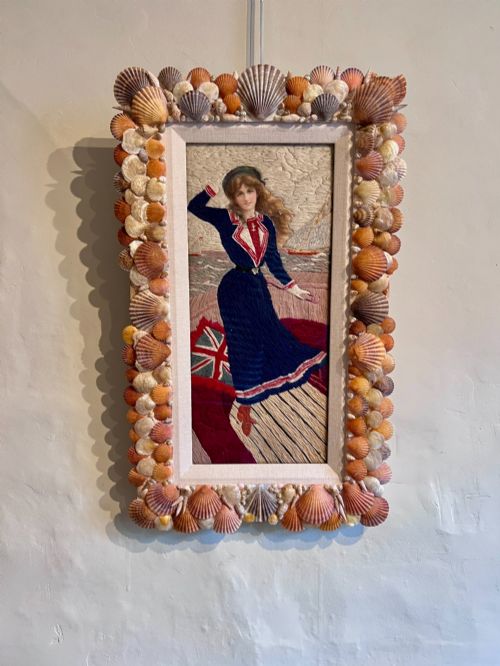
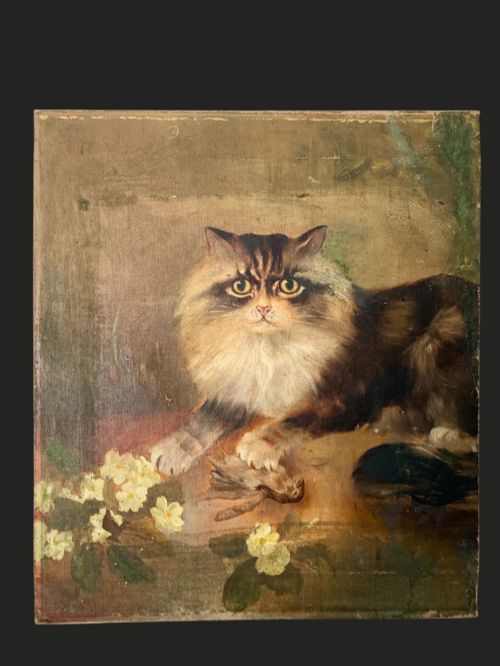
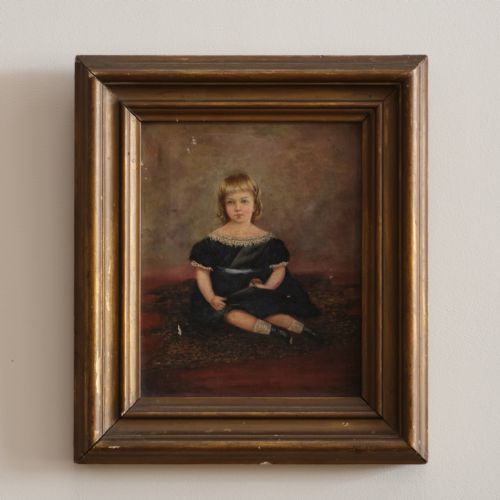
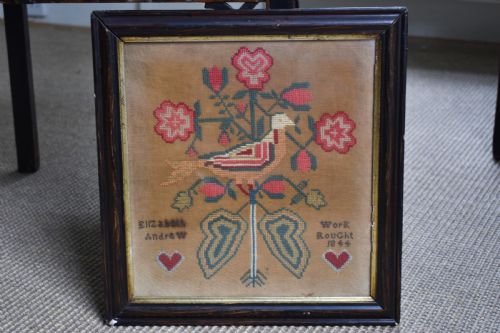
Surface decoration involved polychrome paint, intricate silk work, and wax-work detailing applied to carved wooden forms. Frames were fashioned from rosewood to house primitive watercolours and oil paintings on canvas.
Structural methods relied on traditional carpentry and scratch-built assembly, seen in complex dioramas and architectural models constructed from cork, clay, fabric, and slate.
Retail Price Guide 2026
Typical UK retail prices for victorian folk art, calculated from the Sellingantiques database of over a million retail prices indexed since 2003. This retail price guide relies exclusively on Sellingantiques data; no external sources or auction records are used, so the figures do not describe the wider market.
Listings feature nineteenth-century materials including oak, softwood, brass, iron, glass, wax, and painted wood.
What varies in quality
Quality in Victorian folk art rests upon the crispness of the carving, the preservation of original paint surfaces, and the ambition of the construction. Elaborate scratch-built models and polychrome wax-decorated lovespoons demonstrate a higher degree of sculptural ambition than basic utilitarian items.
The integrity of the surface finish dictates much of the visual appeal, where untouched original paint or patinated bare wood elevates a piece. Finer examples retain their original glass eyes, detailed animal figures, and period framing without extensive later intervention.
The Victorian Folk Art Glossary
- Treen
- Small handmade wooden objects of domestic use. This term covers items ranging from carved corkscrews to decorative small boxes.
- Lovespoon
- A traditionally carved wooden spoon given as a token of affection. Welsh examples often incorporate intricate symbols, initials, and dates.
- Diorama
- A three-dimensional scenic representation housed within a case or frame. These often depict architectural structures like castles or domestic family scenes.
- Scratched-built
- Constructed entirely by hand from raw components rather than commercial kits. Makers utilised scrap materials to build detailed models of mansions and stagecoaches.
Frequently Asked Questions
What is Victorian folk art?
Victorian folk art comprises handmade objects created during the nineteenth century by non-academic makers. These pieces reflect everyday rural and domestic culture across Britain.
Items range from carved treen and Welsh lovespoons to fairground panels and architectural models. Each object represents vernacular traditions rather than industrial manufacturing.
How were folk art pieces used?
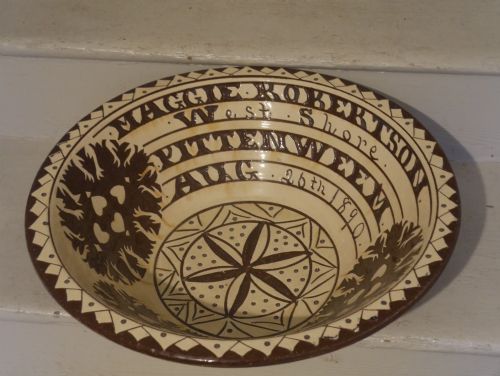
Many folk art items served practical household purposes, such as brass pipe racks, cigar wrapper bowls, and wooden beehives. Others functioned as decorative displays or personal tokens.
Tokens like lovespoons were given as gifts, while dioramas and watercolour paintings decorated Victorian parlours. Children engaged with dolls houses and carved wooden Noahs Arks.
How do I care for folk art?
Preserving Victorian folk art requires stable indoor humidity and protection from direct sunlight to safeguard delicate painted surfaces and wax decorations. Gentle dusting with a dry cloth is sufficient for most wooden and metal items.
Avoid using harsh chemical polishes on painted or unsealed wooden pieces. Original patinas and old paint layers should be left untouched to maintain historical integrity.
How can I date folk art?
Dating these pieces relies on stylistic clues, materials, inscriptions, and occasionally painted dates or maker details. Nineteenth-century examples often employ specific timbers and pigments characteristic of the period.
Archival comparisons with dated pieces, such as watercolours from 1860 or 1878, help establish stylistic baselines. Construction techniques also provide markers for nineteenth-century manufacture.