


Antique Pub Furniture
Antique pub furniture brings robust timber and heavy cast iron into domestic rooms, offering honest construction built for daily public use.
Antique Pub Furniture
Antique pub furniture encompasses sturdy seating, tavern tables, and benches designed for commercial alehouses, inns, and taprooms. Pieces span multiple centuries, ranging from the seventeenth century through to the Art Deco period, reflecting the changing tastes of social establishments over time.
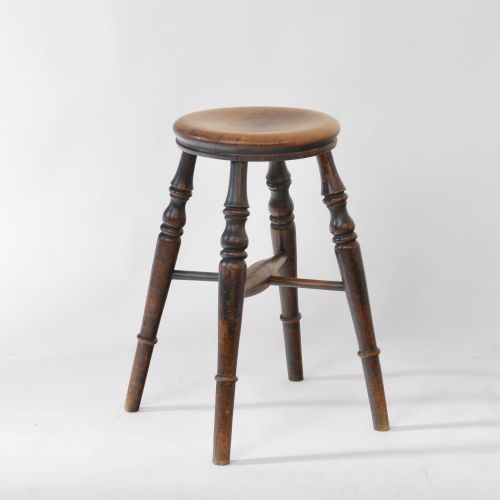
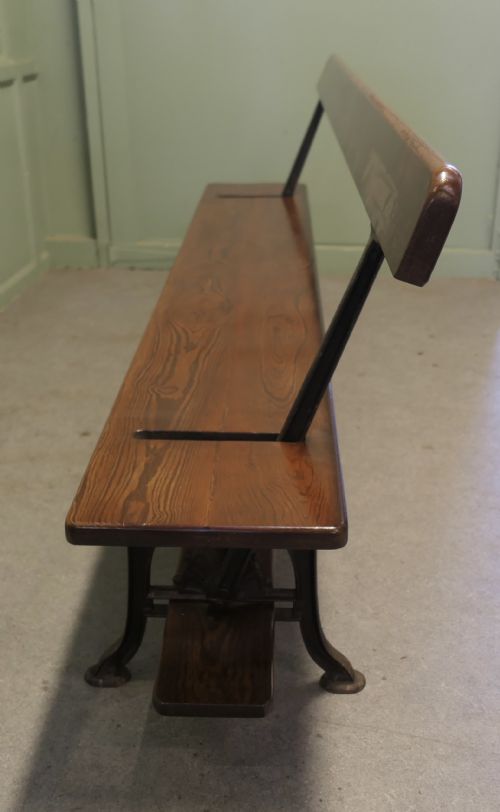
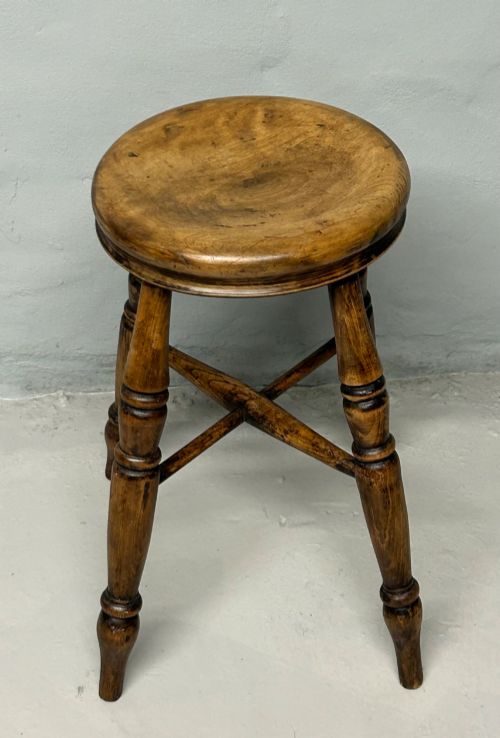
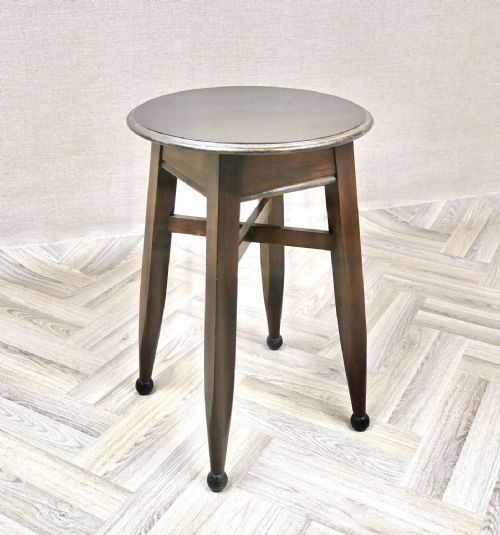
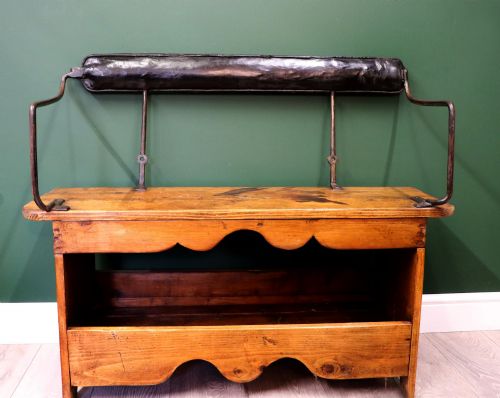
Buyers will also find specialised items such as tram or trolley bus reversible benches, tavern stools in beech and elm, and side tables associated with historic hospitality spaces. These objects carry the marks of heavy communal use, giving them a distinct character shaped by public life.
How they were made
Makers utilised durable domestic timbers such as oak, elm, pine, sycamore, and mahogany to withstand constant handling in busy environments. Woods were frequently joined using traditional methods to ensure stability under heavy loads.
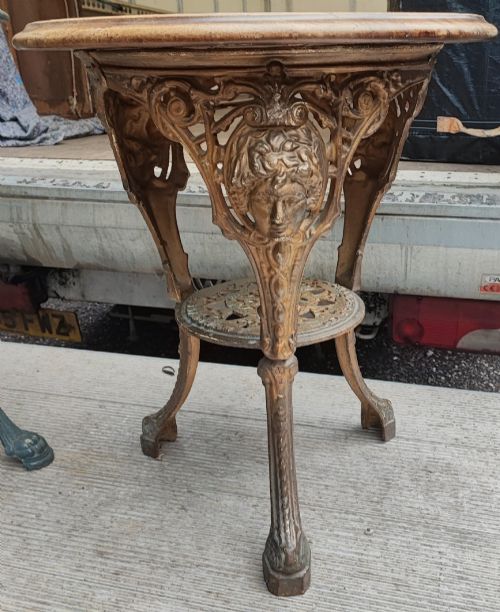
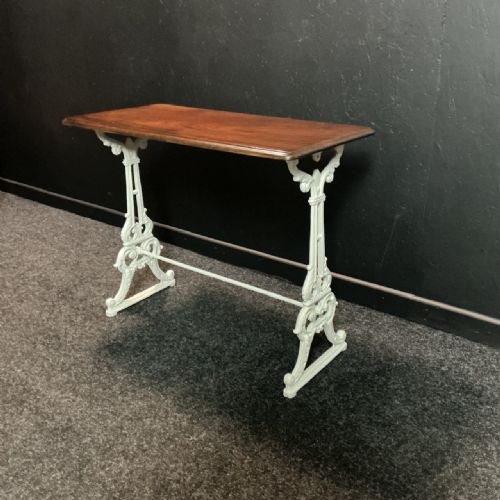
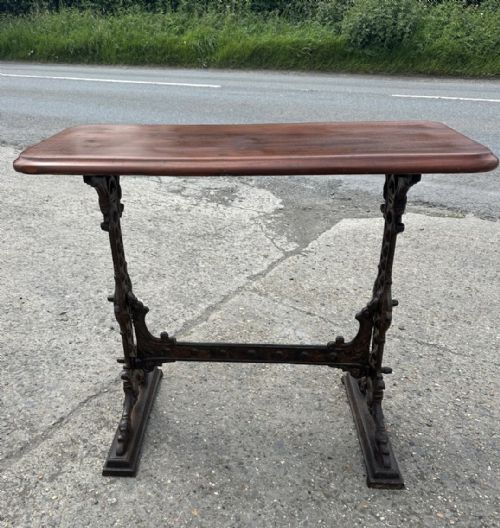
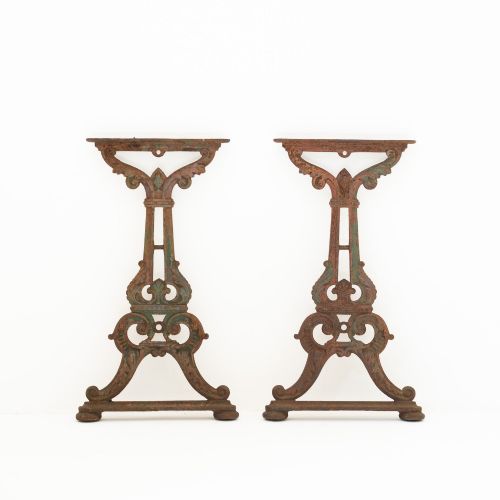
Cast iron and cast bronze frequently formed the structural bases for tables, offering substantial weight to prevent tipping in crowded rooms. Britannia designs and lion motifs appear in these metal components, often paired with solid wood tops.
Listings span periods from the 17th century through the Victorian era and into the 1930s, using materials including cast iron, oak, pine, mahogany, and elm.
What varies in quality
Quality rests in the survival of original surfaces, such as early red paint on pine frames or untouched mahogany table tops paired with period cast iron bases. Tables retaining their authentic structural integrity without excessive timber replacement command greater attention.
The sophistication of the turning on tavern stools and the heft of the cast iron framework distinguish standard utilitarian pieces from more sculptural examples. Honest wear from generations of tavern use adds to the merit of a piece, provided the underlying construction remains sound.
The Antique Pub Furniture Glossary
- Britannia
- A popular nineteenth-century style of cast iron table base featuring the figure of Britannia, commonly found supporting pub and tavern tables.
- Cricket table
- A small, lightweight three-legged table, typically constructed from oak and elm, designed to stand firm on uneven floors.
- Settle
- A high-backed wooden bench with solid arms and a closed base, originally used in draughty public houses and domestic halls to block cold air.
- Tavern table
- A heavy-topped wooden table, frequently made from pine or oak, built for the robust demands of drinking and dining establishments.
Antique Pub Furniture: Frequently Asked Questions
Are these pieces suitable for everyday home dining?
Most pub tables and benches were built to commercial standards, making them exceptionally sturdy for modern kitchens and dining rooms. Their robust timber construction handles daily family life with ease.
Buyers should check dimensions carefully, as historic seating and table heights can differ slightly from standard contemporary furniture measurements.
How do I care for antique pine and oak pub tables?
Routine maintenance requires only a soft cloth to remove dust, avoiding harsh chemical polishes that can strip aged finishes. Preserving the dry, honest surface texture is key to maintaining character.
Keep wooden items away from direct heat sources and dramatic humidity changes to prevent the old timber from splitting.
What indicates an earlier rather than later piece?
Earlier pieces from the seventeenth and eighteenth centuries often display vernacular construction methods, such as pegged joints and hand-turned elements in elm or oak. Tool marks left by the carpenter remain visible on unrefined surfaces.
Nineteenth-century examples frequently incorporate mass-produced cast iron components, reflecting industrial manufacturing shifts in pub outfitting.
Can cast iron table bases be used outdoors?
While cast iron is weather-resistant, antique bases featuring original finishes or historic painted surfaces are best kept indoors to prevent active rusting. Moisture can degrade the historic integrity of nineteenth-century metalwork.
Using them inside protects both the iron structure and any associated wooden tops from weathering.