


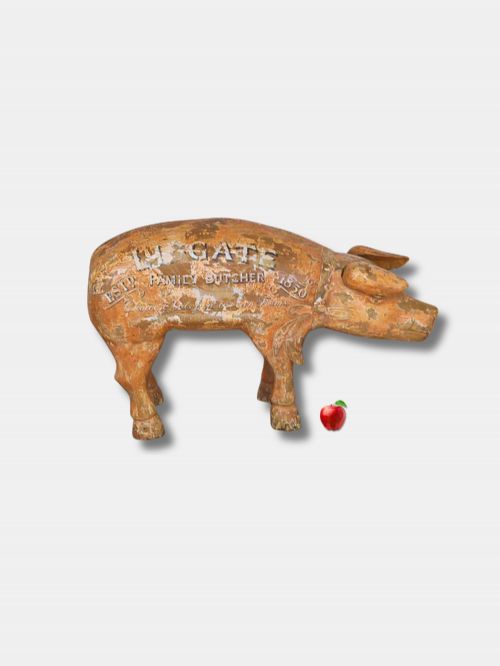

Victorian Folk Art Painting
Victorian folk art painting pieces bring vernacular character and unvarnished historical charm into a room through direct, unacademic expression.
Victorian Folk Art Painting
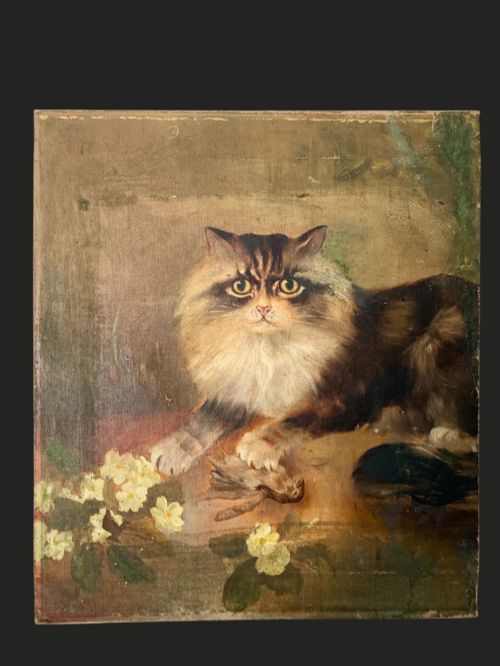
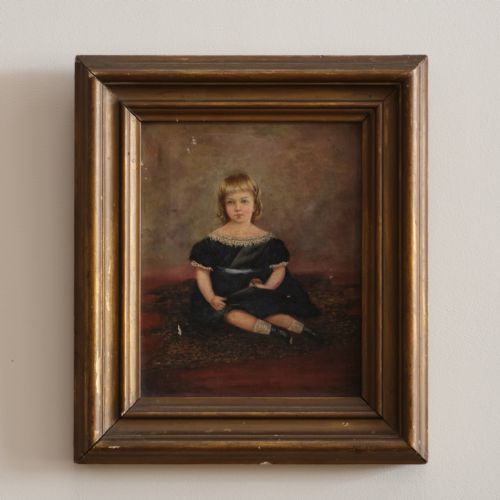
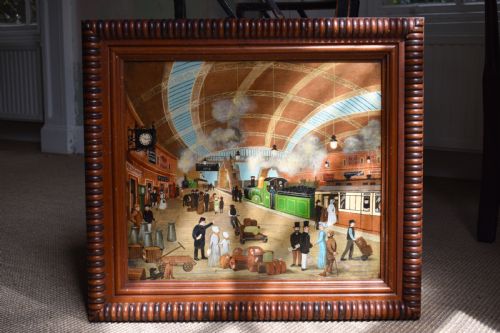
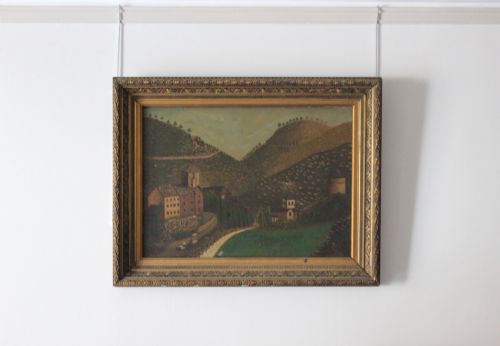
When you search for a Victorian folk art painting, you encounter visual works created outside the formal academies of the nineteenth century. These objects include portraits of people and animals, maritime scenes, and railway views executed with a direct, unpretentious hand.
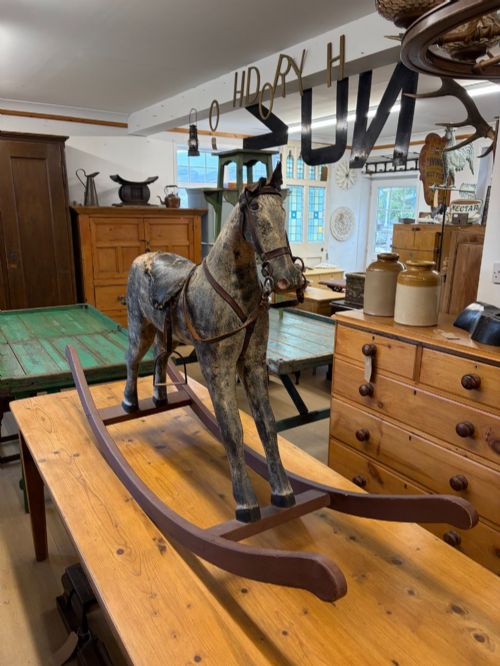
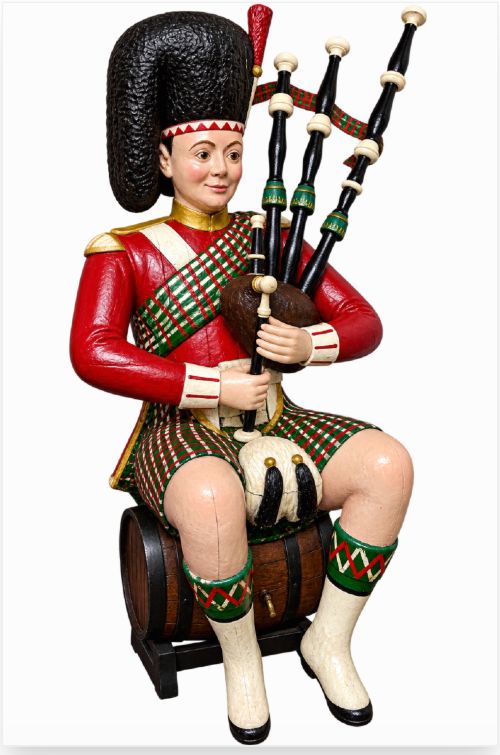
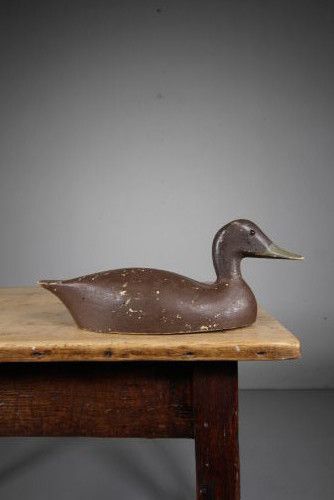
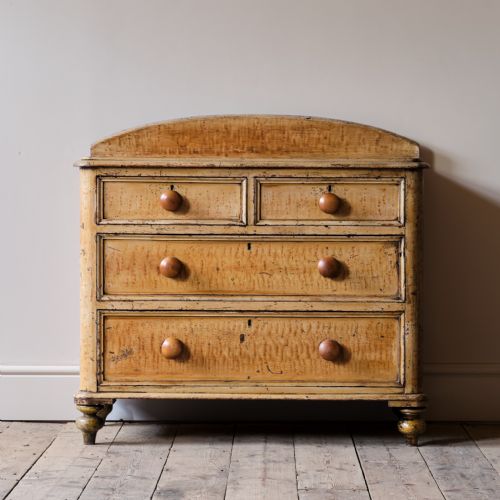
The pieces listed on this page span the nineteenth century, including specific dates from the eighteen-eighties and eighteen-nineties alongside broader Victorian periods. Alongside flat works on canvas, board, and panel, the selection extends into related painted and carved material such as trade signs, dioramas, and decorated furniture.
Makers of these works range from self-taught local artists to tradespeople applying decorative skills to everyday objects. Their output captures the visual culture of nineteenth-century domestic, maritime, and rural life without academic restraint.
How They Were Made
Materials are straightforward and local, relying on oil paint applied to canvas, wood panels, or pine boards. Pigments sit directly on these domestic surfaces, often showing the grain of the wood or the weave of simple cloth beneath.
Construction techniques match the utilitarian origins of the objects, utilising pine, iron, and glass alongside traditional joinery for framed boards and cased panels. Paint was frequently applied in thick, opaque layers to withstand everyday use and the passage of time.
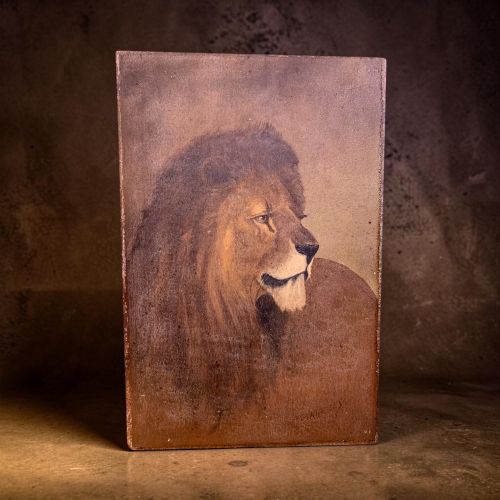
Racing pigeons occasionally share wall space with nineteenth-century lions and rocking horses in this eclectic folk tradition.
What Varies in Quality
Quality rests in the conviction of the mark-making and the retention of original surface colour. Stronger examples display a confident, unhesitating application of paint that brings subjects to life despite a lack of formal perspective.
Condition and originality dictate the standing of a piece within this tradition. Surfaces that retain their original paint layer without extensive modern overpainting hold greater visual integrity and historical value.
The Victorian Folk Art Painting Glossary
- Naïve art
- Work produced by an artist without formal training, characterised by a departure from strict perspective and proportion. This style prioritises narrative clarity and direct emotional expression over academic technique.
- Primitive
- A term used to describe objects created within traditional or folk methods that pre-date industrial standardisation. These pieces reflect regional handcraft traditions and simpler manufacturing techniques.
- Oil on board
- A painting execution where pigment bound in oil is applied directly to a rigid wooden substrate rather than stretched canvas. This medium provides a stable, durable surface favoured by itinerant and local painters.
- Diorama
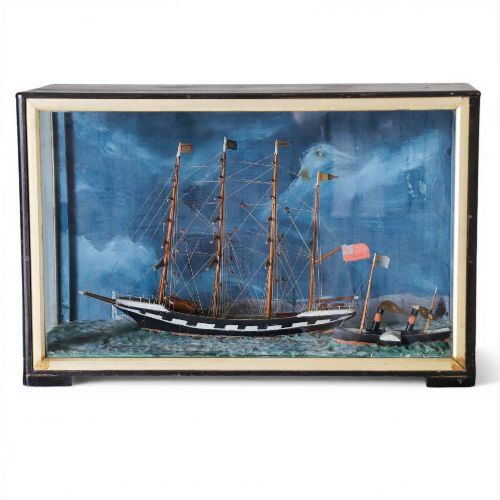
- A three-dimensional scene enclosed within a glass-fronted case, often combining painted backdrops with carved and modelled elements. In maritime contexts, these frequently depict sailing vessels at sea.
- Reverse glass painting
- A technique where the image is painted directly onto the back of a glass pane, viewed from the front to create a glossy, preserved finish. This method was frequently employed for games boards and decorative panels.
Victorian Folk Art Painting: Frequently Asked Questions
What defines a Victorian folk art painting?
These works are created by self-taught or provincial artists working outside the established art academies of the nineteenth century. They display unconventional perspective and a direct approach to subject matter.
The category encompasses oil paintings on canvas or board, trade signs, and decorated panels. Their charm lies in their unpretentious recording of daily life, animals, and local scenes.
How do I care for an oil painting on wood?
Keep the piece away from direct sunlight and sources of heat to prevent the wood panel from warping and the oil paint from drying out excessively. Stable room temperatures protect both the wooden support and the pigment layer.
Avoid using liquid cleaners or abrasive cloths on the painted surface. A gentle dusting with a soft, dry brush is sufficient to maintain the condition of the paint.
How can I tell the age of these paintings?
Dating relies on examining the physical substrate, including the type of pine board, hand- forged iron nails, or canvas preparation methods. Stylistic clues in costume, lettering, and framing also provide chronological markers.
Paint analysis and the presence of original framing materials help confirm whether a piece belongs to the nineteenth century or later periods. Comparative examination of similar surviving works assists in narrowing down the decades.
Where were these paintings originally displayed?
Many of these works hung in domestic parlours, rural inns, farmhouse kitchens, and local shops as everyday decoration or trade advertising. They served functional and decorative roles within nineteenth-century communities.
Unlike academic art intended for grand exhibitions, these pieces belonged to the fabric of ordinary life. They were commissioned or bought locally to record family members, pets, or local trades.