



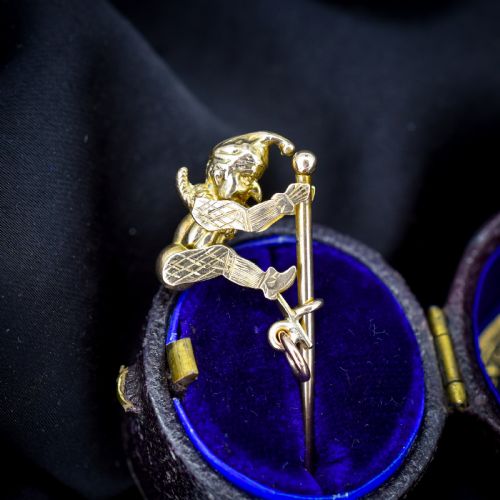
Victorian Fob Pendant
A victorian fob pendant brings the substantial charm of nineteenth-century pocket watch accessories directly to modern neckwear.
Victorian Fob Pendant
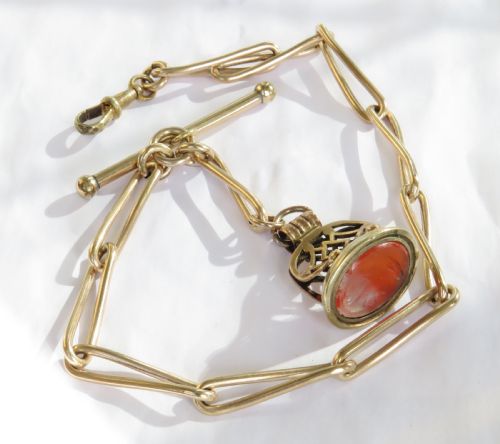
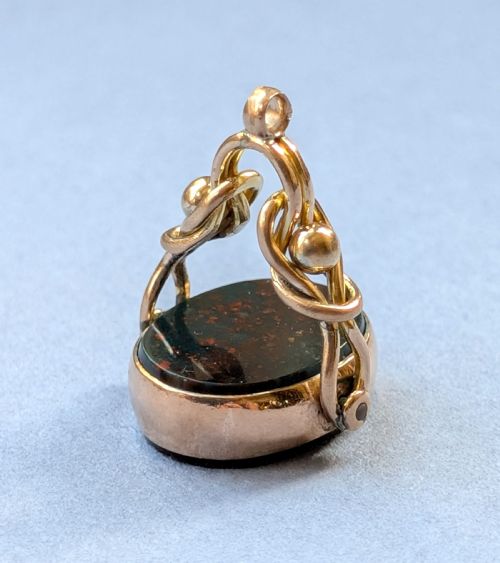
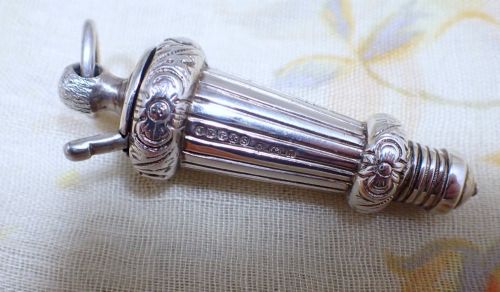
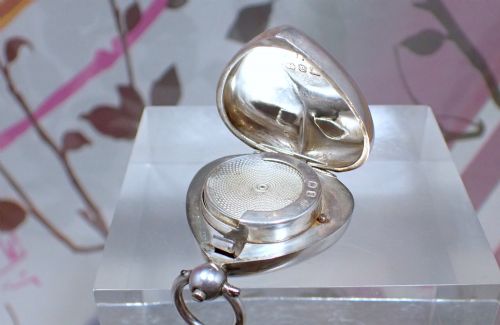
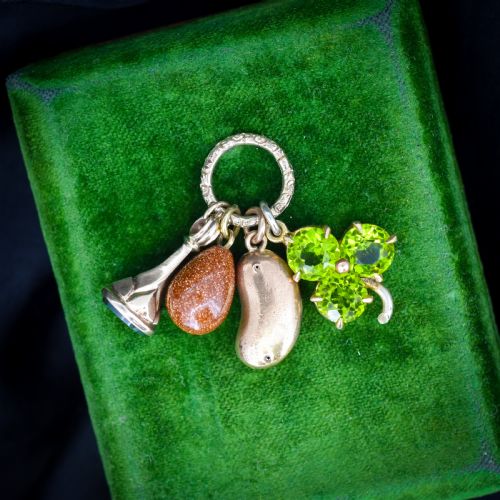
A victorian fob pendant originates from the functional attachments once suspended from pocket watch chains, encompassing swivel seals, hardstone pendants, and coin holders. When searching this phrase, a buyer meets pieces spanning the Georgian, Victorian, and Edwardian periods, executed in sterling silver, gold, and rolled metals. The selection frequently includes spinning seals and heraldic designs originally intended for stamping hot wax.
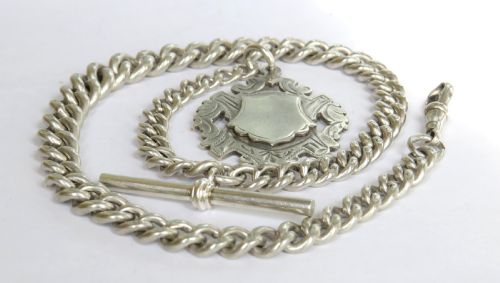
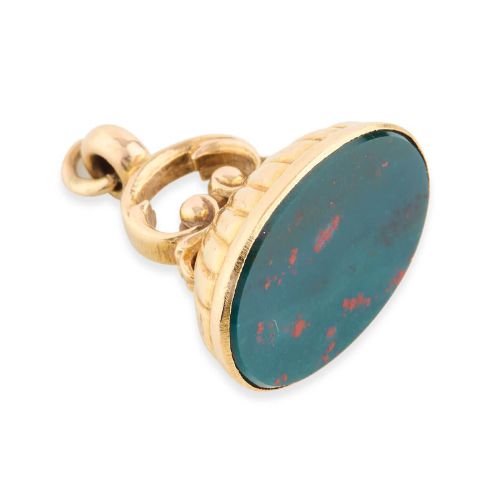
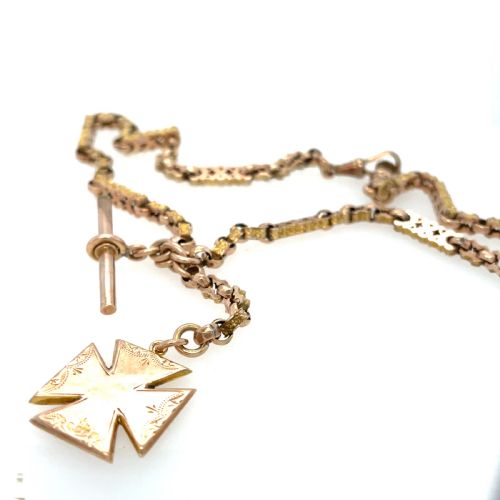
Many examples retain their connection to albert chains and T-bars, while others are adapted with fixed loops for suspension as necklaces. Hardstone seals inset with carnelian, bloodstone, and agate dominate the forms, alongside novelty pieces and masonic medals. The lineage of these items reflects the practical ornamentation of nineteenth-century waistcoats translated into everyday jewellery.
Materials and Techniques
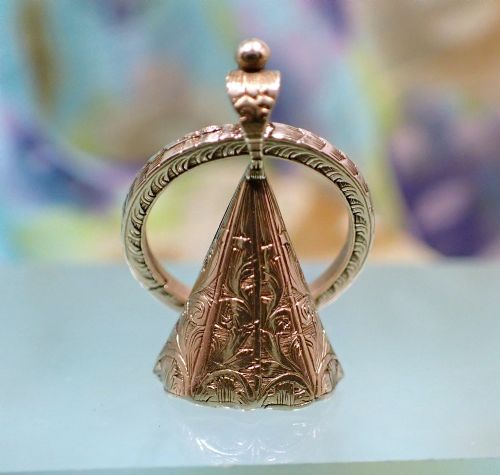
Goldsmiths and silversmiths utilised sterling silver and various grades of gold, ranging from nine carat rose gold to eighteen carat yellow gold, alongside pinchbeck and gilt metals. Hardstones such as carnelian, bloodstone, sardonyx, and chalcedony were hand-carved to create intaglios and smooth seal faces. Metalwork techniques involved casting, chasing, and engraving intricate floral or heraldic motifs directly into the mounts.
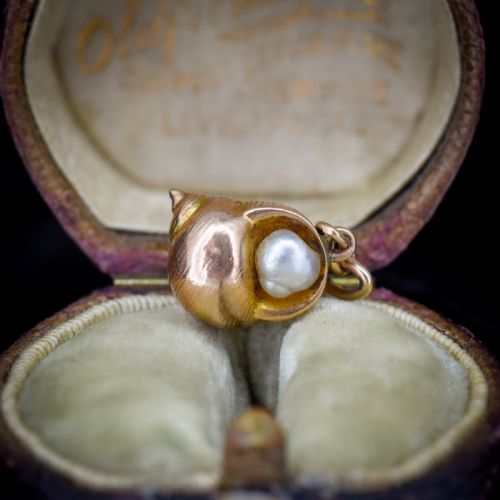
Reversible swivel mechanisms allowed dual-sided stones to rotate freely within decorative scrolled frames. Enamel work and applied seed pearls provided colour and contrast on locket and horseshoe variants. Construction often combined hollow stamped elements with solid bezels to balance wearable weight with structural durability.
The inventory spans Georgian, Victorian, and Edwardian periods, incorporating mechanical pencils and sovereign cases.
Standards of Craftsmanship
The distinction between tiers rests upon the depth and precision of hand-engraving on the metal mounts and the quality of the mineral stones. Superior examples feature sharply defined intaglios in unblemished carnelian or bloodstone, rather than pressed glass pastes or soft imitations. Mounts with robust, fluid swivel mechanisms and crisp hallmark stamps demonstrate higher workshop standards.
Weight and structural integrity also separate fine pieces from standard production, particularly in the thickness of the gold casing or solid metal. Ornate casting details that remain sharp and unrubbed indicate minimal wear and superior initial fabrication by the maker.
Hamilton & Co. Calcutta·J W Benson
The Victorian Fob Pendant Glossary
- Fob seal
- A small pendant featuring a matrix carved with initials, a crest, or a design meant for stamping sealing wax. These items hung from watch chains before finding a second life as necklaces.
- Intaglio
- A design incised into the flat face of a hardstone so that an impression in wax creates a raised relief. Carnelian and bloodstone were frequent choices for this technique.
- Spinning fob
- A pendant mounted on a central axis that rotates to display two different hardstone faces or a stone on one side and a blank shield on the reverse.
- Albert chain
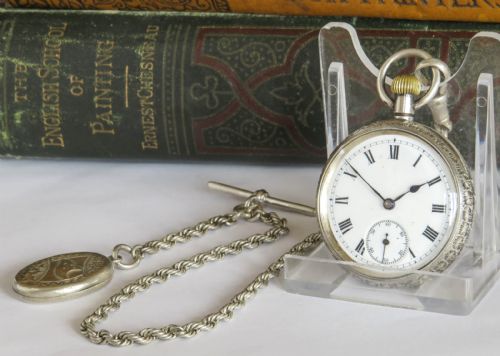
- A heavy pocket watch chain designed to pass through a waistcoat buttonhole, frequently equipped with a T-bar and attached fob pendant.
- Sovereign case
- A small, hinged container shaped to hold British gold sovereign coins securely on a watch chain.
- Pinchbeck
- An alloy of copper and zinc invented in the eighteenth century to imitate gold, utilised for affordable watch chains and fob mounts.
Victorian Fob Pendant: Frequently Asked Questions
How were fob pendants used originally?
Fobs served a practical purpose as seals for closing letters and documents with hot wax, stamped using the intaglio carved into the base of the stone. They also displayed personal crests, initials, or allegiance to clubs and societies.
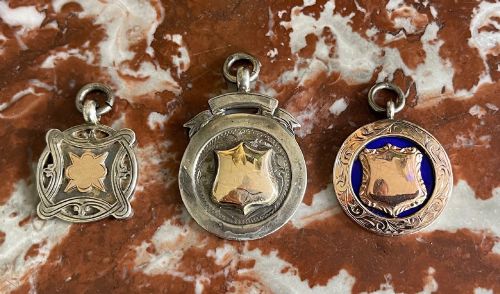
Over time, the decorative aspect outweighed the utility, leading to the creation of commemorative medals, photograph lockets, and compass charms.
How do I wear a fob pendant?
Most fob pendants adapt easily to modern neckwear when suspended from a sturdy chain through their original jump rings or swivel clips. They also sit well on short albert chains if you prefer a traditional look.
Because many examples carry significant weight, particularly those set in solid gold with hardstones, a medium-weight chain provides the best support.
How can I tell the age of a fob?
Dating relies on stylistic clues, hallmarks, and the specific materials popular during particular reigns, such as Georgian mourning motifs or Edwardian silver work. Maker marks and silver assay office stamps stamped into the metal offer precise decade markers where present.
Spinning mechanisms and gemstone preferences also shift between the early nineteenth century and the later Victorian era, helping to narrow the period of origin.