



Vintage Seal Pendant
These vintage seal pendant pieces are functional signets turned into charms, offering a tangible connection to personal history.
Vintage Seal Pendant
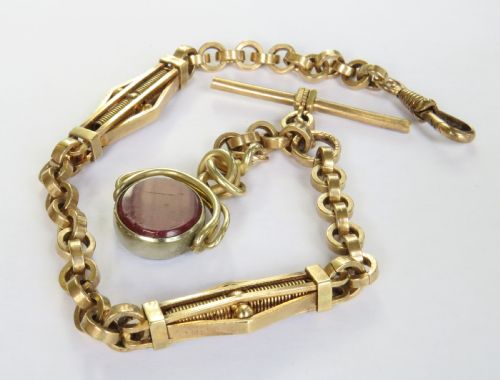
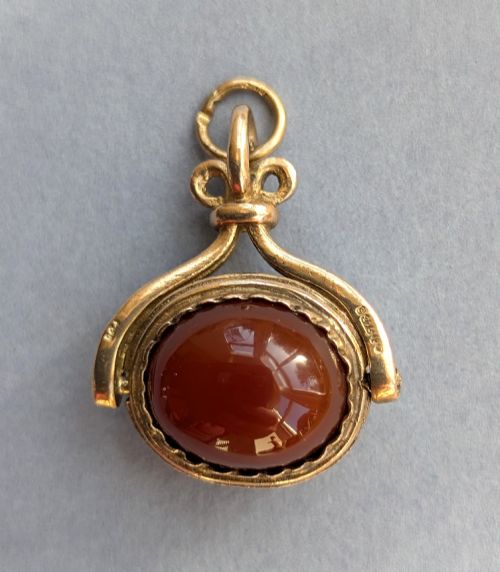
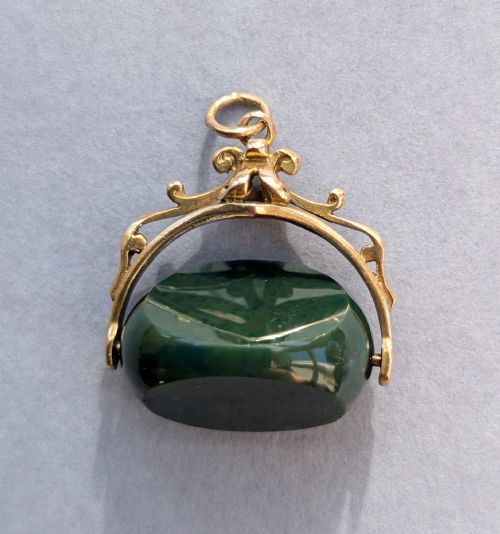
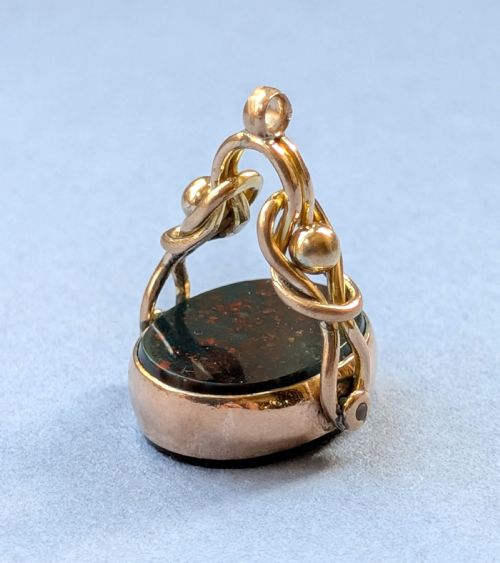
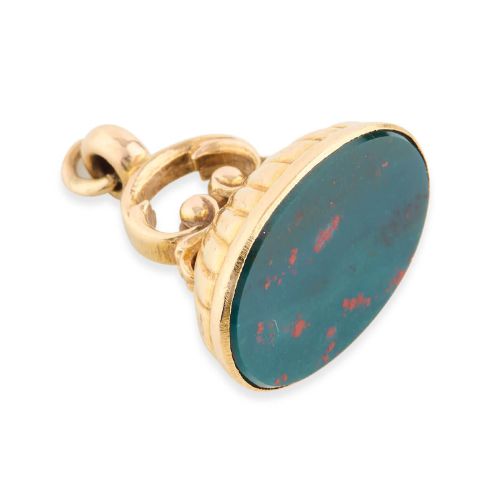
A vintage seal pendant takes the form of a fob seal, watch key, or swivel pendant designed to be worn on a chain rather than kept at a desk. These pieces combine hardstone matrices with precious metal mounts, designed originally to impress wax signatures and now worn as charms.
The selections available range from Georgian gold swivel pendants and Edwardian 9ct gold pieces to Victorian examples set with bloodstone and carnelian. Most items you encounter share the common lineage of fob seals adapted into pendants over various historical periods.
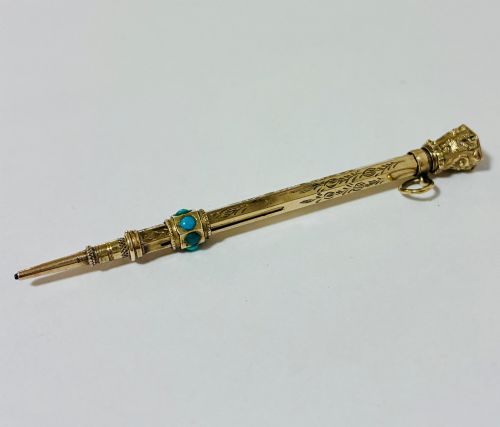
Forms vary from rotating swivel designs to stationary ornate mounts, sometimes incorporating watch keys or enamel detailing alongside the hardstone base. Each vintage seal pendant reflects the changing jewellery fashions across the eighteenth, nineteenth, and twentieth centuries.
Materials and construction methods
Makers shaped these items using solid precious metals like 9ct gold, 18K yellow gold, and sterling silver, alongside gilt metal for more accessible pieces. Metalwork styles encompass cast, chased, and engraved ornamentation, ranging from ornate lion motifs to plain polished swivel frames.
Stones were carefully selected and shaped to form the base matrix, utilising natural minerals such as bloodstone, carnelian, sardonyx, and agate. These hardstones were often left blank for future engraving or carved directly with initials and crests.
Vintage Seal Pendant Retail Price Guide 2026
Typical asking prices for vintage seal pendant among the pieces listed under this phrase on Sellingantiques today, from the lower quarter to the upper quarter. They describe what is for sale here now, not the wider market.
Recorded forms include spinning fobs, watch keys, and swivel pendants, demonstrating how functional pocket watch accessories evolved into decorative neckwear.
Distinctions in craftsmanship and materials
Quality rests upon the crispness of the metal chasing and the weight of the gold or silver used in the mount. Substantial construction and intricate detailing separate superior examples from lighter, simpler productions.
The choice and depth of the stone matrix also define the piece, with richly coloured bloodstone and finely polished carnelian elevating the item. Integration of mechanisms like smooth-working swivels adds further distinction.
The Vintage Seal Pendant Glossary
- Fob seal
- A small decorative pendant featuring a carved matrix designed for stamping wax. They were originally suspended from a pocket watch chain.
- Swivel pendant
- A mounting style that allows the central seal or stone to rotate on an axis. This design often displayed two different stone faces or a stone on one side and a metal face on the other.
- Bloodstone
- A dark green chalcedony flecked with red jasper inclusions. It was frequently used as the base material for seal matrices.
- Carnelian
- A brownish-red variety of chalcedony that takes a high polish. It is one of the most common stones found in historical seal pendants.
- Watch key
- A small mechanical key used to wind pocket watches, often integrated into the design of pendant fobs. They combined utility with personal adornment.
Vintage Seal Pendant: Frequently Asked Questions
What is a vintage seal pendant?
A vintage seal pendant is an antique fob seal or watch key adapted to be worn on a necklace chain. They feature a hardstone base, sometimes engraved, set within a gold, silver, or gilt mount.
Originally used to press wax seals on correspondence, these items survived as decorative charms. Their dual-sided or rotating heads make them versatile pieces of historical jewellery.
How were seal pendants used?
Historically, these pieces hung from watch chains and served as personal stamps for sealing letters and documents with hot wax. The base of the pendant bore a unique family crest, monogram, or initial.
Today, they are worn primarily as decorative pendants rather than functional writing tools. The rich colours of the stones and the polished metalwork make them striking standalone necklaces.
How do I date a seal pendant?
Dating relies on metal hallmarks, the specific style of the gold mount, and the overall construction technique. Georgian pieces often feature heavy gilt or high-karat gold with Georgian motifs, while Victorian and Edwardian examples show distinct stylistic shifts.
Materials like 9ct rose gold and specific gemstone settings also point toward particular eras, such as the late nineteenth or early twentieth century.
What stones are used in seals?
Common stones include bloodstone, carnelian, sardonyx, and agate, chosen for their hardness and ability to take a smooth polish. These minerals provided a durable surface for repeated pressing into hot sealing wax.
Some examples also incorporate enamel work or precious stones like amethyst alongside the primary hardstone matrix.