




Antique Watch Fob Seal
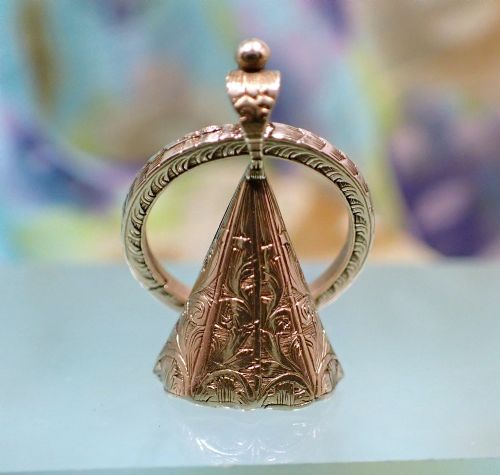
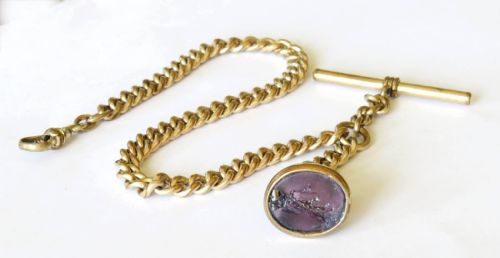
An antique watch fob seal is a pocket watch accessory that carries a personal intaglio, combining utility with miniature sculpture.
Antique Watch Fob Seal
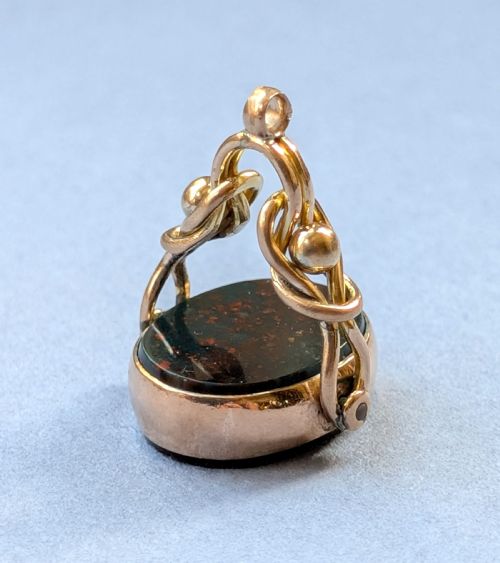
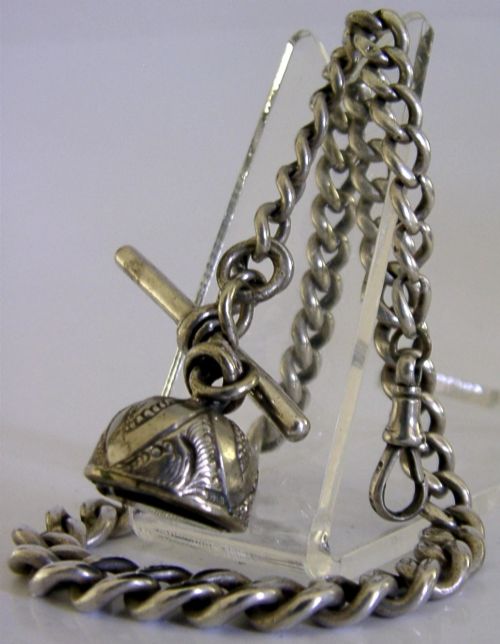
When you search for an antique watch fob seal, you are looking at small pendant items designed to hang from a pocket watch chain and impress wax for letters. The pieces on this page span the Georgian, Victorian and Edwardian eras, showing how men and women carried their signets.
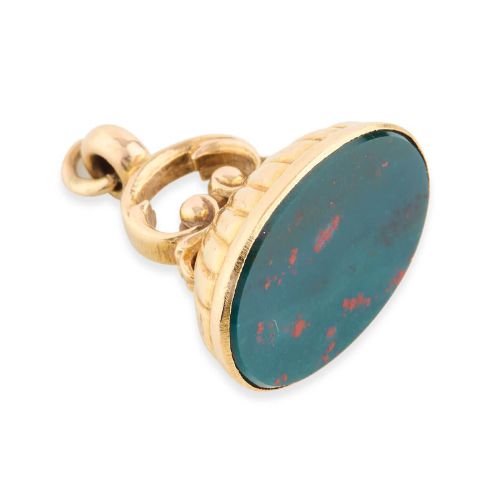
You will most commonly meet gold-cased, rolled gold or solid gold examples set with polished stones. Many feature swivel mechanisms that allow the stone to turn or combine multiple faces.
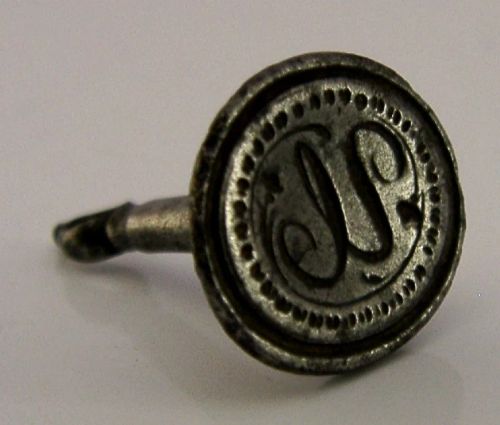
The carvings range from simple engraved initials like Jane or Ann to detailed intaglios depicting Greek figures, Roman emperors or heraldic lions. These objects bridge the gap between personal jewellery and functional desk stationery.
How they were made
Metalsmiths constructed the mounts using 9ct, 15ct or 18ct gold, alongside rolled gold, gilt metal and sterling silver. Many swivel and stationary fobs rely on hollow stampings or cast components shaped into ornate frames.
Hardstones including carnelian, bloodstone, agate, sardonyx and chalcedony were selected for their colour and hardness, then shaped into flat or faceted panels. Lapidaries then hand-engraved reverse intaglios into the stone surface so the resulting wax impression would read correctly in relief.
One stubborn nineteenth century elephant fob seal stands ready to stamp your correspondence with a pachyderm profile.
What varies in quality
Quality rests primarily on the crispness and depth of the stone engraving, where finely detailed Greek figures or heraldry outshine simple machine-cut initials. The weight and grade of the gold mount, from solid high-carat gold to lightweight gilt metal, also dictate the standard of the piece.
The complexity of the metalwork itself sets finer pieces apart, particularly ornate chased or cast motifs featuring animals or neoclassical architectural elements. Swivel mechanisms that turn smoothly without play indicate superior original construction.
The Antique Watch Fob Seal Glossary
- Intaglio
- A design carved into the surface of a stone so that the impression produced in relief is a positive likeness. This technique forms the working face of nearly every seal.
- Carnelian
- A reddish-orange variety of chalcedony quartz widely used for signet stones. It provides a striking contrast against yellow and rose gold mounts.
- Bloodstone
- A dark green jasper flecked with red spots of iron oxide. It remains one of the most frequent stones found in Victorian and Edwardian fobs.
- Swivel fob
- A design mounted on a central axis that rotates to display two or three different faces. These often combine a plain stone, an engraved monogram and a compass.
- Watch key
- A small winding tool often incorporated into the fob design. It allowed owners to wind their pocket watches before stem-winding mechanisms became standard.
Antique Watch Fob Seal: Frequently Asked Questions
How do I wear an antique watch fob seal today?
You can suspend a fob seal from a traditional pocket watch chain worn across a waistcoat or lapel. Alternatively, many people slide them onto a modern neck chain to wear as a pendant.
Because they are relatively compact, they pair well with other charms without feeling overly heavy against the chest.
Can I still use an antique fob seal to stamp wax?
Yes, the stone intaglio is hard enough to impress sealing wax repeatedly without sustaining damage. Ensure the stone is free of old wax residue before pressing it into warm sealing wax.
Use traditional sealing wax rather than modern glue gun sticks to achieve a crisp impression of the carved motif.
How do I tell Georgian fobs from Victorian ones?
Georgian fobs often display Neoclassical motifs, heavier gilt mounts and hollow construction with foil-backed stones. They tend to feel lighter in the hand relative to their visual scale.
Victorian pieces frequently utilise solid 9ct gold or heavier cast components, often featuring more naturalistic animal motifs or detailed heraldic crests.
What is the difference between solid gold and rolled gold fobs?
Solid gold fobs are constructed from precious metal all the way through, marked with specific carat standards like 9ct or 18ct. Rolled gold pieces feature a thin layer of gold mechanically bonded to a base metal core.
Rolled gold allowed makers to offer larger, more ornate mountings at a lower cost during the nineteenth and early twentieth centuries.