





Antique Watch Key
An antique watch key is a small mechanical accessory used to wind pocket timepieces, prized by collectors for its intricate precious metalwork and hardstone detail.
Antique Watch Key
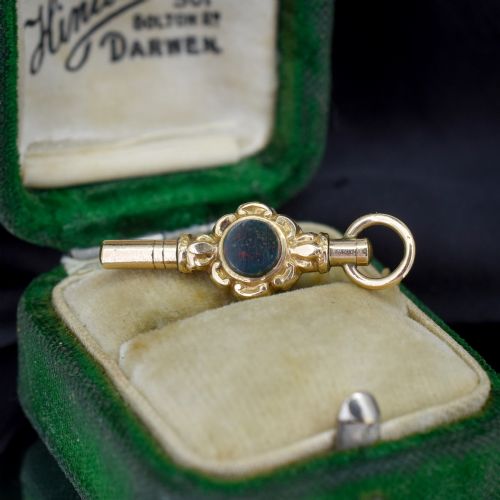
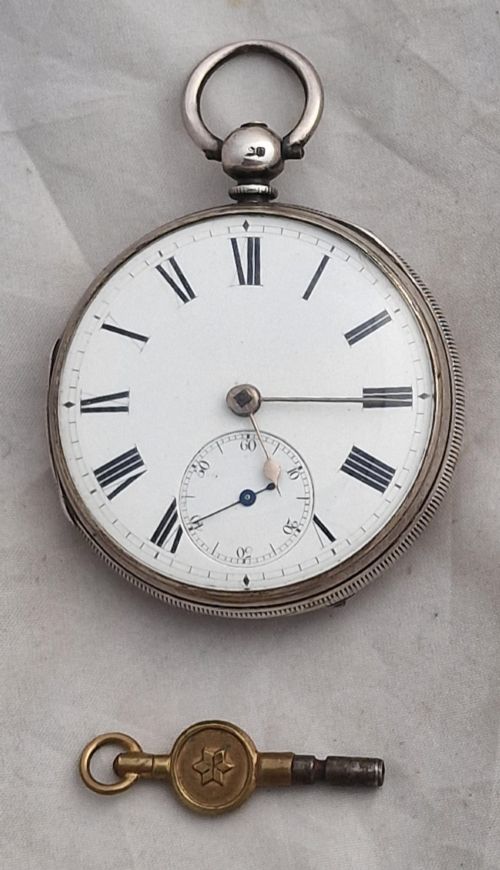
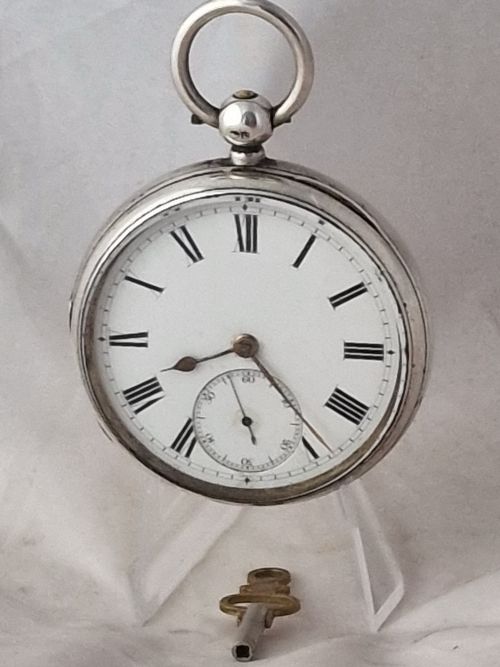
An antique watch key is a functional instrument designed to wind early pocket watches before stem-winding mechanisms became standard across the trade. When you search for an antique watch key, you encounter diminutive winding tools that double as decorative pendants, fob charms, and seals.
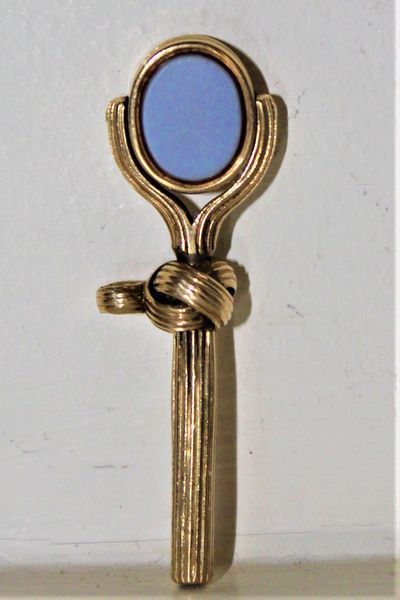
The pieces listed here span the Georgian and Victorian eras, reaching into the opening years of the twentieth century. They appear in forms ranging from simple steel winding tools to elaborate spinning fobs mounted with bloodstone and agate.
Many examples double as wax seals or hang alongside pocket watch chains and watch accessories. You also find combined gold and enamel items that merge utility with high personal adornment.
How they were made
Maker-craftsmen forged these items in precious metals such as eighteen-karat gold, sterling silver, and gilded brass, often incorporating robust steel for the winding pipe itself. Goldsmiths shaped the metal housings to hold hardstones securely.
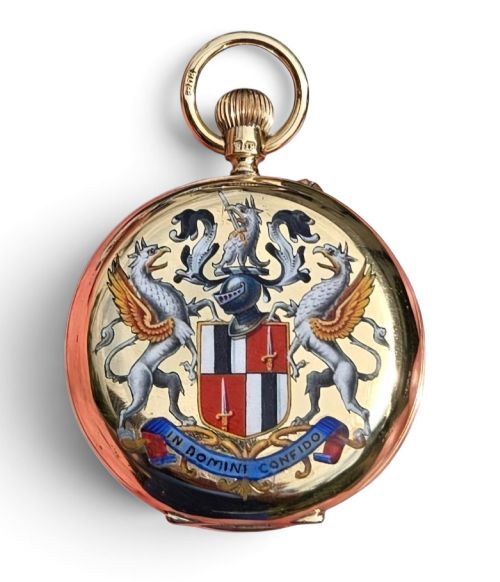
Lapidaries shaped natural materials like agate and bloodstone into polished panels and swivel stones for the fob variations. Artisans applied colourful enamel to metal surfaces, fusing glass powder under heat to create decorative patterns.
Antique Watch Key Retail Price Guide 2026
Typical asking prices for watch key among the pieces listed under this phrase on Sellingantiques today, from the lower quarter to the upper quarter. They describe what is for sale here now, not the wider market.
Listings feature gold, silver, brass, and steel alongside decorative hardstones like bloodstone and agate across the Victorian and Georgian periods.
What varies in quality
The distinction between standard utility items and finer examples rests on the complexity of the metalwork and the quality of the set stones. Finely executed gold pieces display crisp engraving, well-matched bloodstone or agate panels, and secure swivel mechanisms that operate smoothly.
Simpler brass or steel versions rely purely on utilitarian function, whereas superior specimens integrate miniature wax seals, articulated spinning mounts, and vibrant enamel work. The integration of maker signatures or precise hallmarks elevates the standing of an individual key within the wider field of horological accessories.
R Stewart Glasgow·J W Benson·Stauffer Cx de Fond
The Antique Watch Key Glossary
- Fusee
- A conical pulley used in older watch movements to maintain even tension as the mainspring unwinds. This mechanism requires a dedicated winding key.
- Verge
- An early escapement type found in antique pocket watches. It governs the release of power from the gear train.
- Fob
- A small medallion or ornament attached to a pocket watch ribbon or chain. Many watch keys double as decorative fobs.
- T Bar
- A crossbar fastener attached to the centre of a watch chain to secure it through a waistcoat buttonhole. Chains often suspend a watch key alongside this bar.
- Agate
- A fine-grained quartz variety prized for its banded colours and polished lustre. It frequently forms the decorative panels of Victorian watch keys.
Antique Watch Key: Frequently Asked Questions
How do I know what size key fits my watch?
Watch keys are sized by the exact diameter of the square winding arbor inside the pocket watch movement. You must measure this tiny square pin precisely using a gauge before acquiring a replacement key.
Many antique keys feature adjustable pipes or come in graduated sets, but historical pieces usually require a direct individual fit to turn the internal fusee mechanism safely.
Can I wear an antique watch key as a pendant?
These items make exceptional pendants because their original purpose was to dangle from a chatelaine, ribbon, or watch chain. Many collectors wear them on modern neck chains to showcase the intricate gold and hardstone carving.
Ensure the suspension loop on the key is secure and thick enough to withstand daily wear before hanging it around your neck.
How do I date an antique watch key?
Dating relies heavily on the style of the metalwork, the presence of hallmark stamps, and the materials used in the handle. Georgian examples often display pinchbeck or heavy gilding with simple geometric turning, whereas Victorian pieces frequently incorporate bloodstone, agate, and elaborate cast ornamentation.
Comparing the design motifs to contemporary pocket watch cases provides a reliable window into the decade of manufacture.
What is the difference between a key and a fob?
A watch key is a mechanical tool specifically engineered to wind the mainspring of a fusee pocket watch. A fob is a decorative ornament attached to the end of a pocket watch chain.
Many Victorian items combine both functions by placing a winding pipe at the base of a decorative swivel fob, allowing the accessory to serve dual purposes.