




Victorian Floral Tray
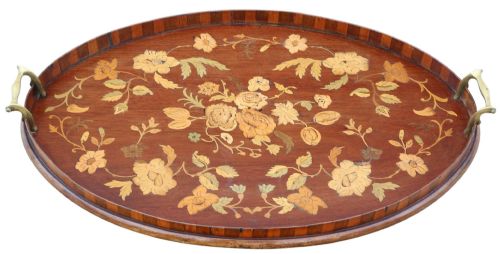
A victorian floral tray brings hand-painted botanicals and rich lacquer into daily service, offering a decorative surface that elevates the simplest tea table.
Victorian Floral Tray
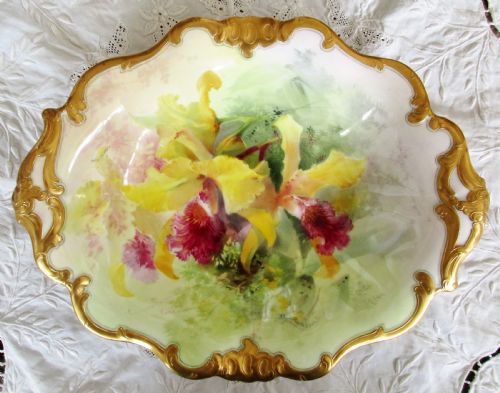
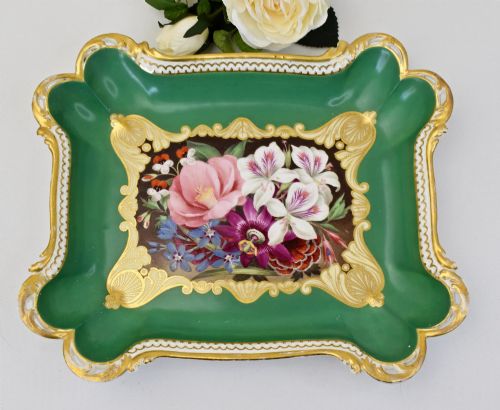
A victorian floral tray encompasses serving platters, drinks butlers and decorative dishes produced primarily during the nineteenth century in papier-mâché, porcelain, earthenware and toleware. These pieces often feature botanical motifs rendered in paint, gold leaf or glaze, reflecting the era's fascination with naturalism.
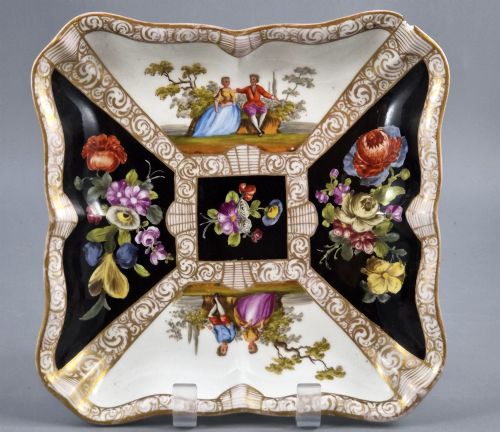
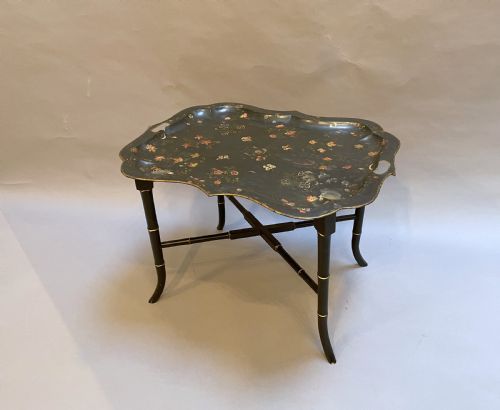
Papier-mâché examples with ebonised finishes and gilt-embellished floral decoration dominate this selection, frequently mounted on stands or utilised as drinks trays. Ceramic platters and cabinet dishes by makers such as Minton and Royal Worcester also appear, bringing floral themes to ironstone and porcelain bodies.
Origins span English workshops, Pontypool toleware production, and continental porcelain manufactories, occasionally incorporating Regency and Edwardian pieces alongside core Victorian output. Buyers select these items for their dual function as practical servers and decorative room accents.
Materials and Techniques
Papier-mâché trays begin as layers of paper pulp and adhesive pressed in iron moulds, then baked and treated with multiple coats of dark lacquer to create a durable, smooth core. Artisans apply hand-painted floral details directly onto this dark surface, frequently incorporating gold leaf and mother-of-pearl inlay.
Ceramic platters and dishes utilise earthenware or porcelain bodies shaped in moulds, then painted with mineral colours and finished with transparent glazes before firing. Metal items rely on toleware techniques, applying pigmented japanning varnish to sheet iron, or employ silver plating over copper and base metals with engraved floral designs.
Even a humble meat platter received hand-painted poultry scenes to remind diners where the roast originated.
Assessing Quality and Execution
Quality rests in the precision of the hand-painting and the depth of the lacquer or glaze finish. Superior papier-mâché pieces display crisp botanical brushwork and minimal crazing in the foundational layers, whereas lesser examples show flat pigment application and surface cracking from moisture exposure.
In ceramic and metal pieces, the crispness of the moulded detail and the fineness of the floral engraving dictate the grade. Skilled execution ensures the decorative motifs integrate harmoniously with the form, whether the piece is an earthenware meat platter or an ormolu-mounted tray.
Doe and Rogers·Royal Doulton·Royal Worcester·Walker and Hall·Pontypool
The Victorian Floral Tray Glossary
- Papier-mâché
- A composite material formed from paper pulp and binders, pressed and dried to create a rigid base for lacquer. This technique allows for lightweight yet remarkably sturdy serving surfaces.
- Toleware
- Painted or lacquered sheet metal items, often associated with tinplate production in Pontypool and Wales. The process involves baking successive layers of japanning varnish onto metal.
- Japanning
- A European imitation of East Asian lacquerwork, created by applying heat-dried varnishes to metal or papier-mâché. The finish yields a glossy dark surface suited to gilt decoration.
- Ashet
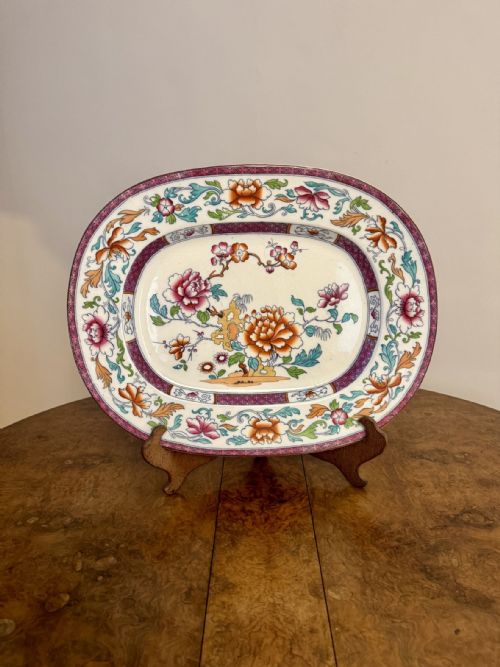
- A large rectangular serving plate or meat platter used in British dining traditions. These earthenware and ironstone pieces often feature transfer-printed or hand-painted floral borders.
Victorian Floral Tray: Frequently Asked Questions
How do I clean an antique papier-mâché tray?
Dust the surface gently with a soft, dry cloth to remove loose particles. Avoid using water, harsh detergents or chemical polishes, as moisture penetrates aged lacquer and compromises the paper layers underneath.
For stubborn marks, consult a professional conservator rather than attempting wet cleaning. Keeping these trays away from direct sunlight and heat sources preserves the painted floral details.
Can I use these trays for serving food?
Ceramic platters and metal trays function adequately for serving dry foods or afternoon tea when handled with care. Papier-mâché and antique toleware are better suited to decorative display or holding light items like letters and glasses.
Exposing aged lacquer or antique glazes to moisture and acidic foods causes staining and surface breakdown. Protecting the surface with a cloth or doily extends the working life of the piece.
What is the difference between toleware and papier-mâché?
Toleware utilises sheet metal as a foundation, coated in japanning varnish and hand-painted with floral motifs. Papier-mâché relies on compressed paper pulp and adhesive, offering a lighter weight and distinct tactile warmth.
Both materials achieve a similar dark, glossy aesthetic popular in nineteenth-century interiors. Toleware is more rigid and heavier, while papier-mâché yields slightly to pressure if the core has weakened.
How do I date a Victorian floral tray?
Examine the materials, registration marks, maker stamps and painting style visible on the reverse or surface. Mid-century pieces often favour heavy japanned papier-mâché with mother-of-pearl inlay, while later items embrace transfer-printed ceramics and silver plating.
Comparing the botanical motifs against contemporary design pattern books helps narrow the decade of production. Construction methods, such as the type of metal screws or wood on added stands, provide additional clues.