


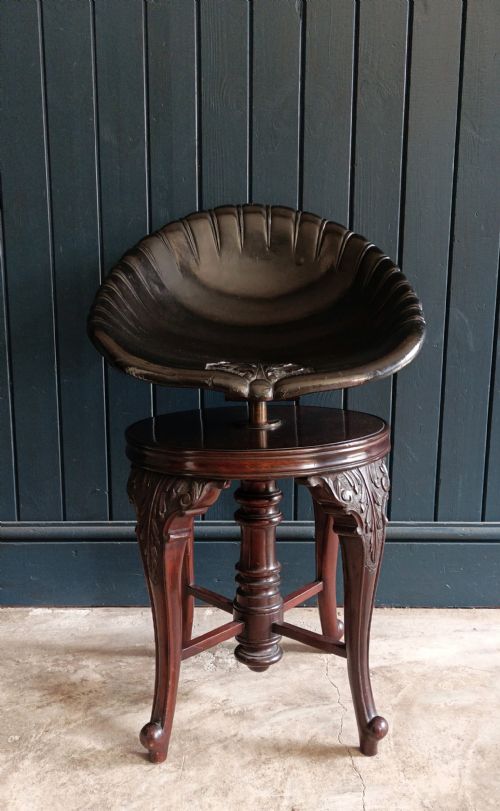

Ebonised Papier Mache
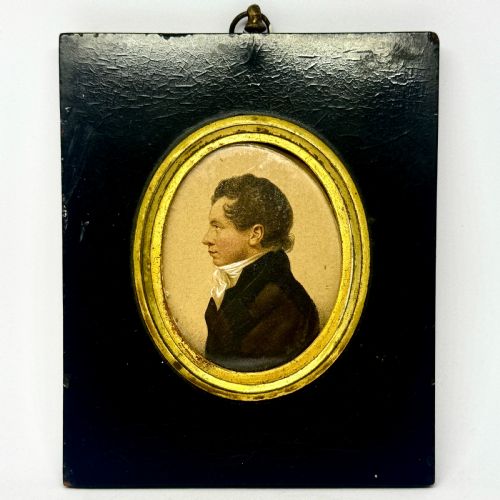
These ebonised papier mache pieces offer deep dark surfaces and painted or inlaid ornament, bringing rich nineteenth-century texture to a room.
Ebonised Papier Mache
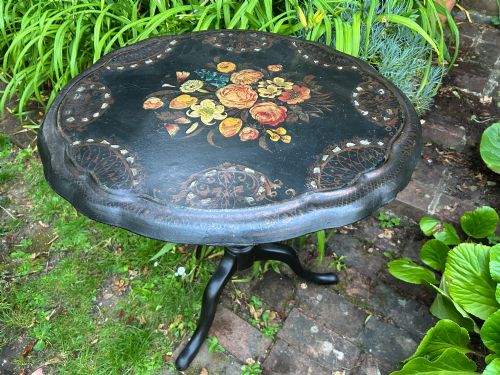
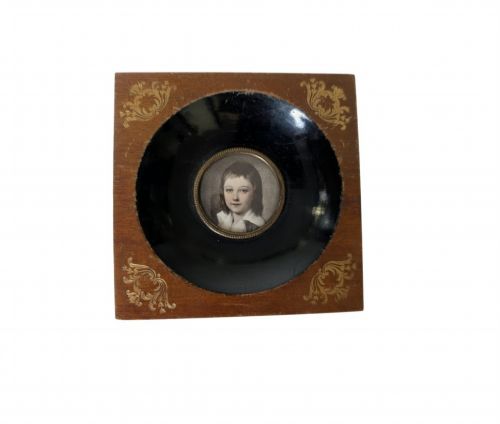
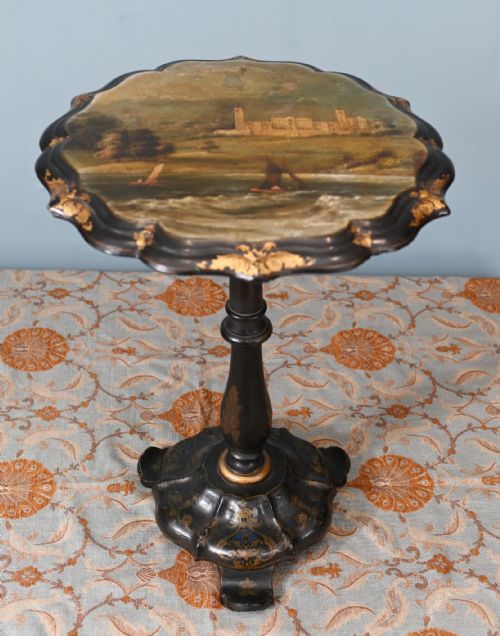
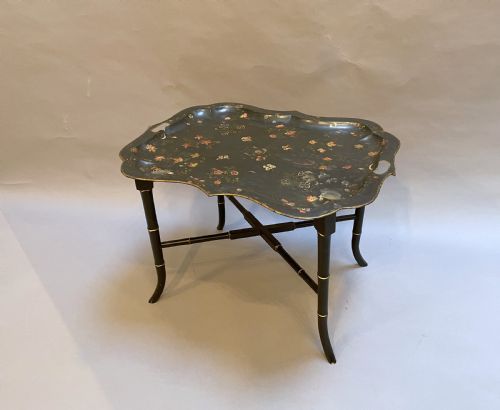
When you search for ebonised papier mache, you encounter items predominantly from the nineteenth century and the Victorian era. The selection ranges from functional furniture such as games tables, wine tables, and tray tables to smaller decorative objects including jewellery boxes and face screens.
Most pieces you meet combine moulded pulp foundations with dark ebonised finishes, often pairing utility with intricate surface decoration. Tables and trays dominate the selection, frequently mounted on stands or designed with tilt tops for easy storage.
How they were made
Makers constructed the base forms using layered paper pulp or laminated paper sheets compressed and treated to create rigid structures. This dense material received smooth coats of dark ebonised finish or lacquer.
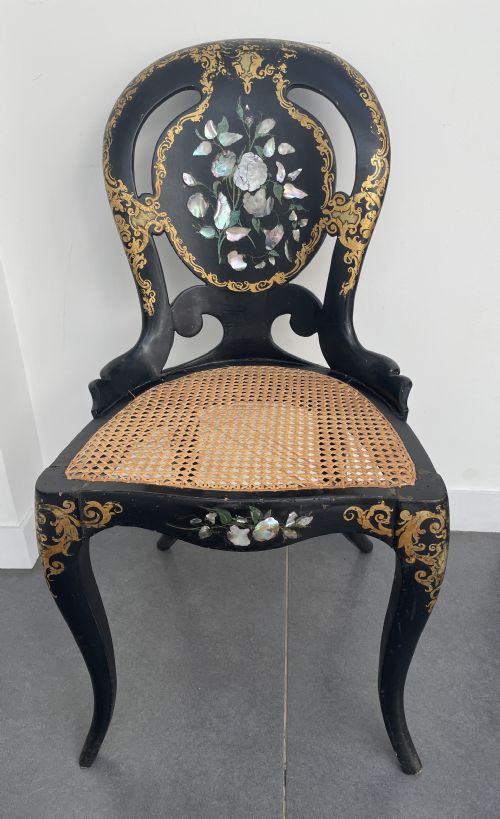
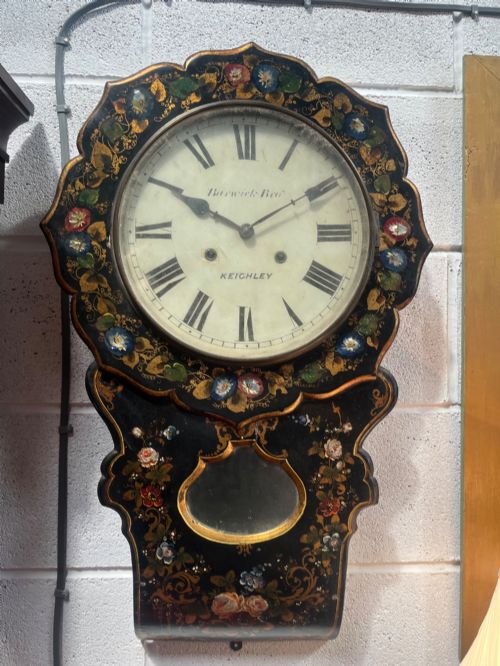
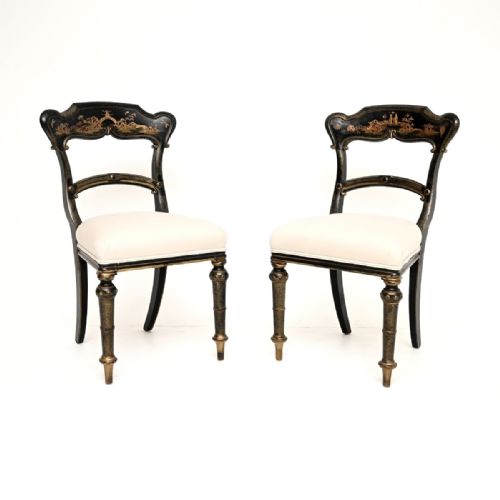
Artisans applied surface embellishments including painted chinoiserie scenes, gilt highlights, and inlaid mother-of-pearl or abalone shell. Wooden components like mahogany or general timber often reinforced structural elements such as table bases and music stools.
Listings feature nineteenth-century items combining papier-mache, ebonised wood, and mother-of-pearl across functional furniture and decorative objects.
What varies in quality
The standard of an ebonised papier mache piece rests largely upon the intricacy and preservation of its surface ornamentation. Hand-painted floral or chinoiserie details and finely cut mother-of-pearl inlay indicate superior craftsmanship.
Structural integrity also divides the range, particularly in items subjected to daily use like chairs and tables. Pieces retaining stable joints, original stands, and crisp painted lines command higher regard than those with worn finishes or structural repairs.
Jennens and Bettridge·George Atkinson·Thomas London
The Ebonised Papier Mache Glossary
- Ebonised
- Wood or paper pulp treated to resemble true ebony through dark staining or painting. This finish creates a deep, uniform black surface popular in nineteenth-century design.
- Chinoiserie
- European artistic style reflecting Chinese motifs and landscapes. Artisans painted these decorative scenes in gold and bright colours over dark ebonised backgrounds.
- Mother-of-pearl
- Iridescent inner layer of mollusc shells used for inlay work. Craftsmen shaped tiny pieces into floral and geometric patterns that catch the light against dark surfaces.
- Tilt-top
- Table construction featuring a mechanism that allows the surface to pivot vertically. This design enabled tables to stand flat against walls when not in use.
- Face screen
- Handheld or pole-mounted screen used to protect the complexion from fireplace heat. These decorative items often featured painted or papier mache panels.
Ebonised Papier Mache: Frequently Asked Questions
What is ebonised papier mache?
It is compressed paper pulp treated with a dark ebonised finish to resemble solid black wood, frequently decorated with paint or inlay.
Craftsmen shaped this durable material into household items ranging from small tea caddies to large serving trays and occasional tables.
How do I care for these pieces?
Keep them away from direct sunlight and excessive moisture to protect the delicate ebonised surface and painted details.
Dust gently with a soft dry cloth and avoid harsh chemical polishes that can damage the nineteenth-century finish.
How can I tell the period?
Examine the materials, construction methods, and decorative styles typical of nineteenth-century manufacturing techniques.
Victorian pieces often feature elaborate mother-of-pearl inlay and chinoiserie painting, while earlier Georgian or Regency examples display simpler restrained lines.
Were these items used daily?
Many pieces served practical functions in nineteenth-century drawing rooms as serving trays, games tables, and sewing stands.
Others, such as face screens and decorative boxes, fulfilled specific social and domestic roles of the period.