
Victorian Floral Pottery
Victorian floral pottery brings together colourful nineteenth-century earthenware and porcelain painted with botanical motifs for domestic display and utility.
Victorian Floral Pottery
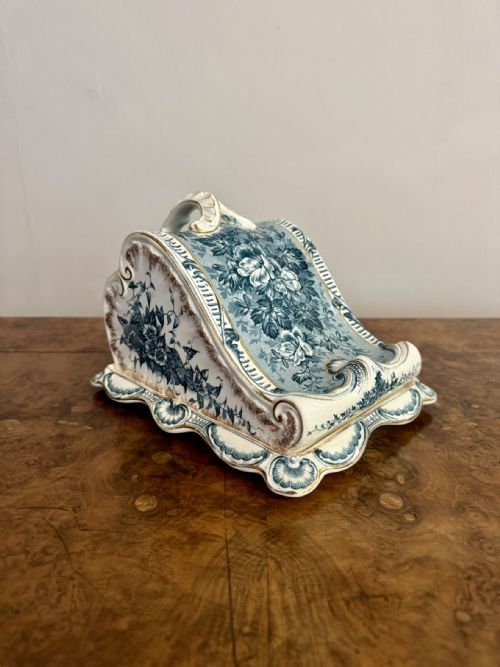
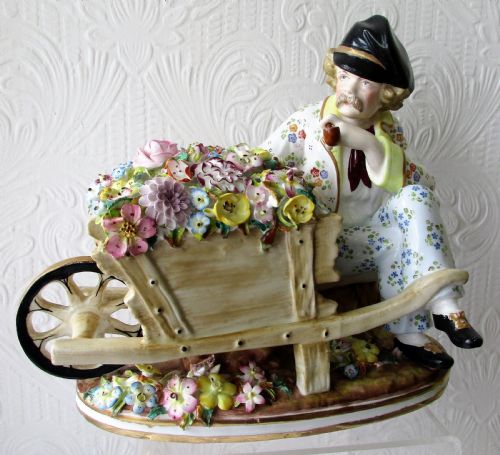
Victorian floral pottery spans functional vessels and decorative display pieces produced across the nineteenth century and into the early twentieth century. Common forms include vases, jugs, pitchers, jardinieres, footbaths, and serveware created by British potteries and continental makers.
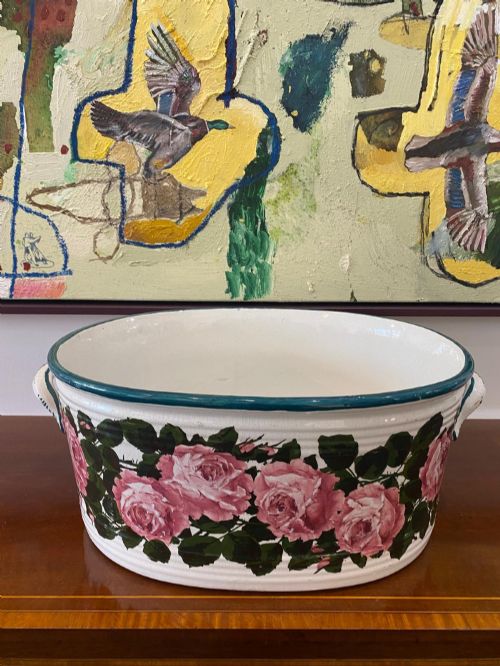
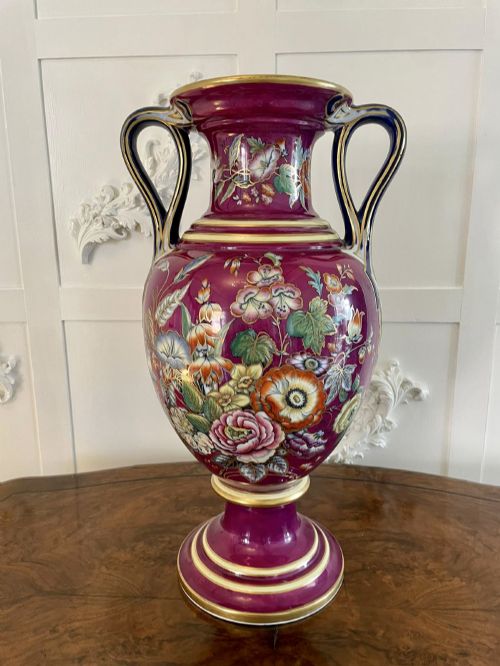
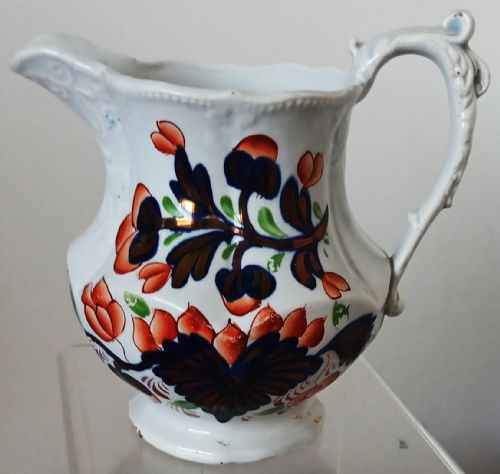
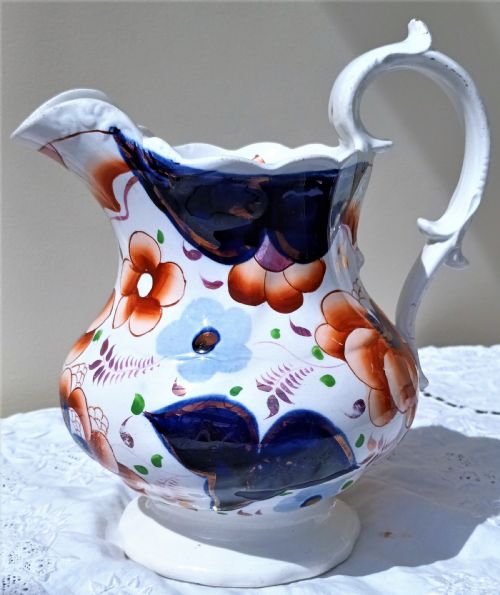
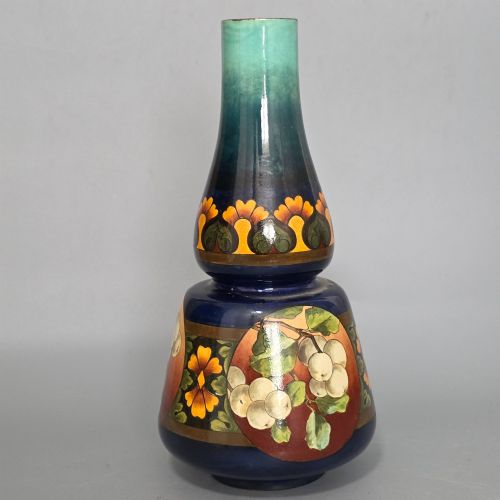
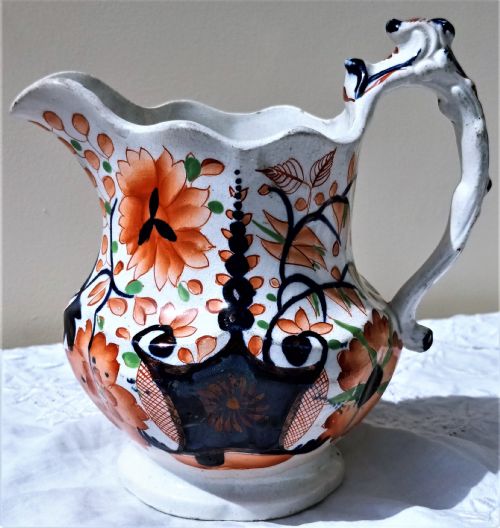
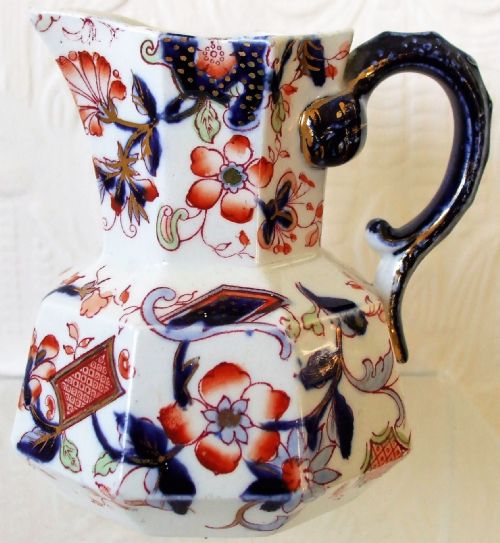
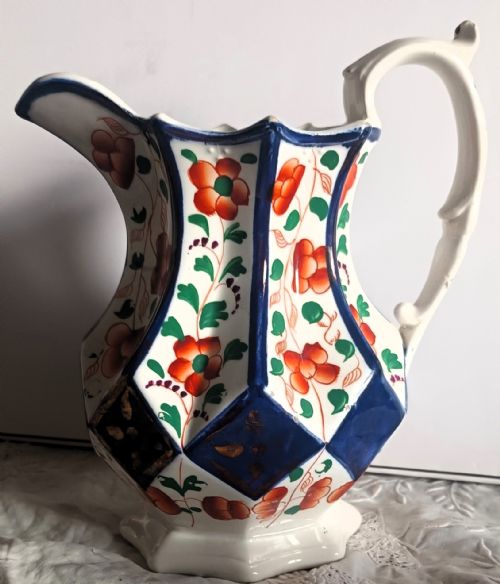
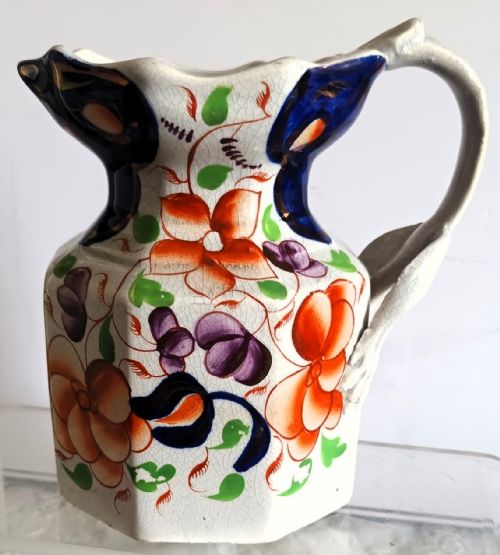
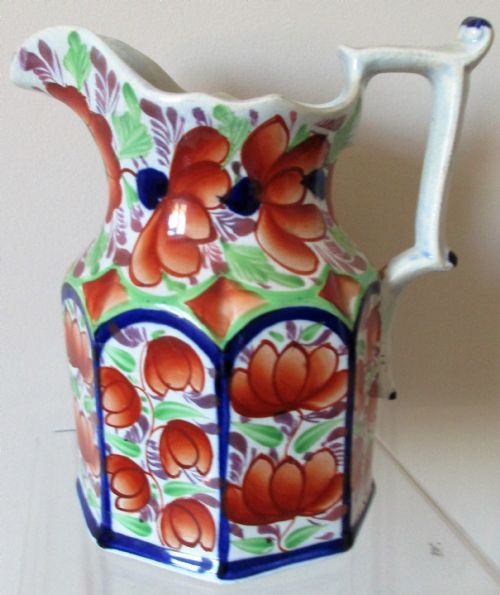
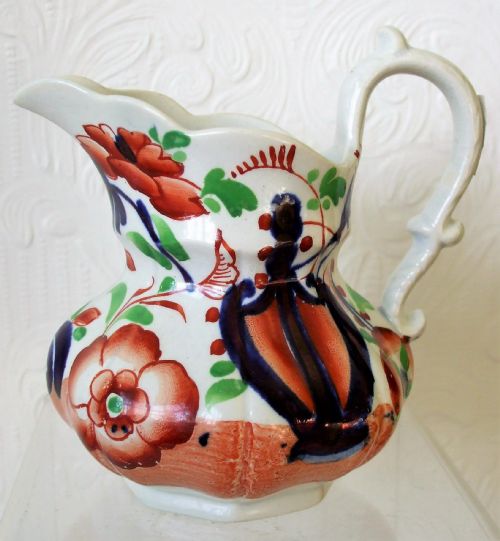
Buyers encounter domestic ware decorated with hand-painted or transferred floral patterns, ranging from Gaudy Welsh jugs to large Staffordshire footbaths and Doulton Lambeth faience vases. The selection reflects both everyday household items and exhibition pieces from periods such as the 1880s and 1890s.
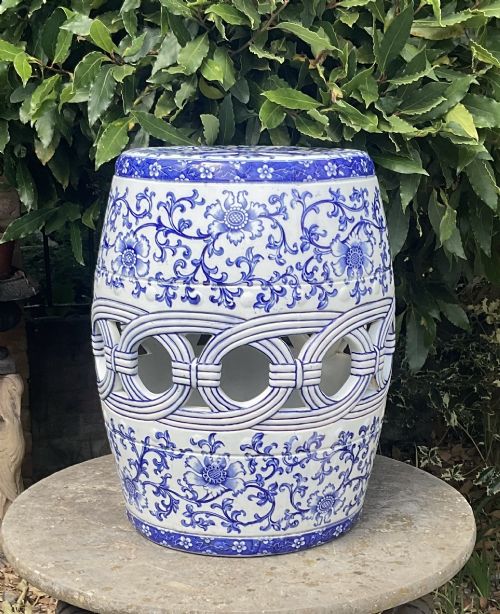
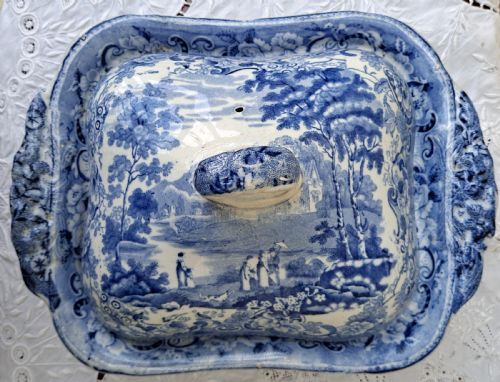
The objects cross several aesthetic movements, incorporating styles from traditional blue and white transfer printing to Art Nouveau and Aesthetic Movement designs. Pieces range from simple chamber pots and vegetable tureens to monumental pedestals and art pottery.
Materials and Techniques
Makers utilised earthenware, stoneware, porcelain, and ironstone as bodies, applying coloured glazes, enamel, and gold leaf to enrich the ceramic surface. Decoration often combined hand-painted floral motifs with transfer-printed outlines.
Techniques such as Slaters Patent employed lace pressed into damp clay to create textured backgrounds beneath floral decoration, whilst faience painting allowed artists to work directly onto an unfired glaze. Majolica techniques produced vibrant coloured lead glazes over moulded botanical reliefs.
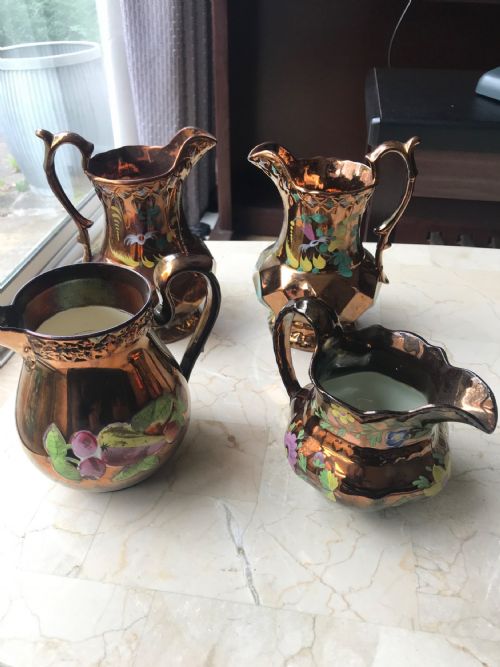
Potteries applied copper lustre and slip to earthenware bodies, combining potting skill with chemical colouration in the kiln to achieve varied finishes on vases, jugs, and jardinières.
Victorian households expected flower pots to have matching pedestals, ensuring begonias stood with architectural dignity.
Standards of Execution
Quality rests upon the crispness of the moulding and the skill of the brushwork in rendering botanical details across the ceramic body. Pieces decorated by named artists or produced by notable studios demonstrate superior control over glaze application and firing.
The weight, proportion, and balance of larger items such as footbaths, pedestals, and jardinieres indicate the ambition of the original workshop. Standard commercial tableware differs markedly from exhibition-grade faience and art pottery.
Wemyss·Staffordshire·Minton·Doulton Lambeth·James Wallace and Co·Keeling and Co·John Bevington·Royal Worcester·Mann and Co·Tunnicliffe·Mettlach·Burmantofts·Eliza Simmance·Sir Edmund Harry Elton·John Ridgway·Alice Euphemia Thatcher
The Victorian Floral Pottery Glossary
- Faience
- Earthenware decorated with painted designs over an opaque white glaze. This technique was widely utilised by art potteries for floral and landscape scenes.
- Majolica
- Pottery glazed with opaque coloured tin enamels or translucent lead glazes over moulded relief decoration. It frequently depicts natural subjects including flowers, birds, and leaves.
- Ironstone
- A dense, durable type of stoneware patented in the nineteenth century. It served as a robust body for transfer-printed and hand-coloured tableware.
- Porcelaneous
- Ceramic material possessing qualities intermediate between earthenware and true porcelain. It offers a fine-grained, vitrified body suitable for decorative vases.
- Spongeware
- Pottery decorated by dabbing pigment onto the biscuit or glazed surface using a sponge or cloth. This created mottled patterns common on nineteenth-century bowls and jugs.
Victorian Floral Pottery: Frequently Asked Questions
What is Victorian floral pottery?
It encompasses ceramic items produced during the nineteenth century featuring painted, printed, or moulded flower designs. These range from utilitarian jugs and basins to decorative art pottery vases.
The category includes earthenwares, stonewares, and porcelains from British and European factories, reflecting shifting design tastes from early Victorian patterns to the Aesthetic Movement.
How do I identify a jardiniere?
A jardiniere is a large decorative pot designed to hold a plant or floral arrangement, often standing on a matching pedestal. They are usually heavily potted to support soil and heavy foliage.
Many examples feature moulded botanical reliefs or hand-painted floral panels characteristic of nineteenth-century majolica and art pottery production.
Can I use these antiques daily?
Many items like jugs, bowls, and tureens were made for practical household tasks. However, delicate porcelain and art pottery vases with overglaze enamels require careful handling.
Hand washing is essential for older ceramics to protect lead glazes, enamel decoration, and gold leaf from aggressive detergents and modern dishwashers.
How are periods told apart?
Early nineteenth-century pieces often display traditional transfer-printed scenes or Gaudy Welsh palettes. Items from the 1880s and 1890s frequently show Aesthetic or Art Nouveau influences.
Maker marks, registration numbers, and patent stamps stamped or painted on the base provide precise chronological markers for dating individual pieces.