




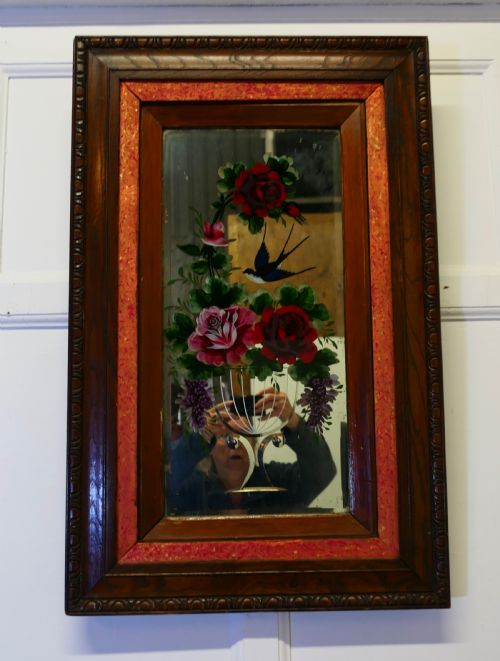
Victorian Floral Etched Glasses
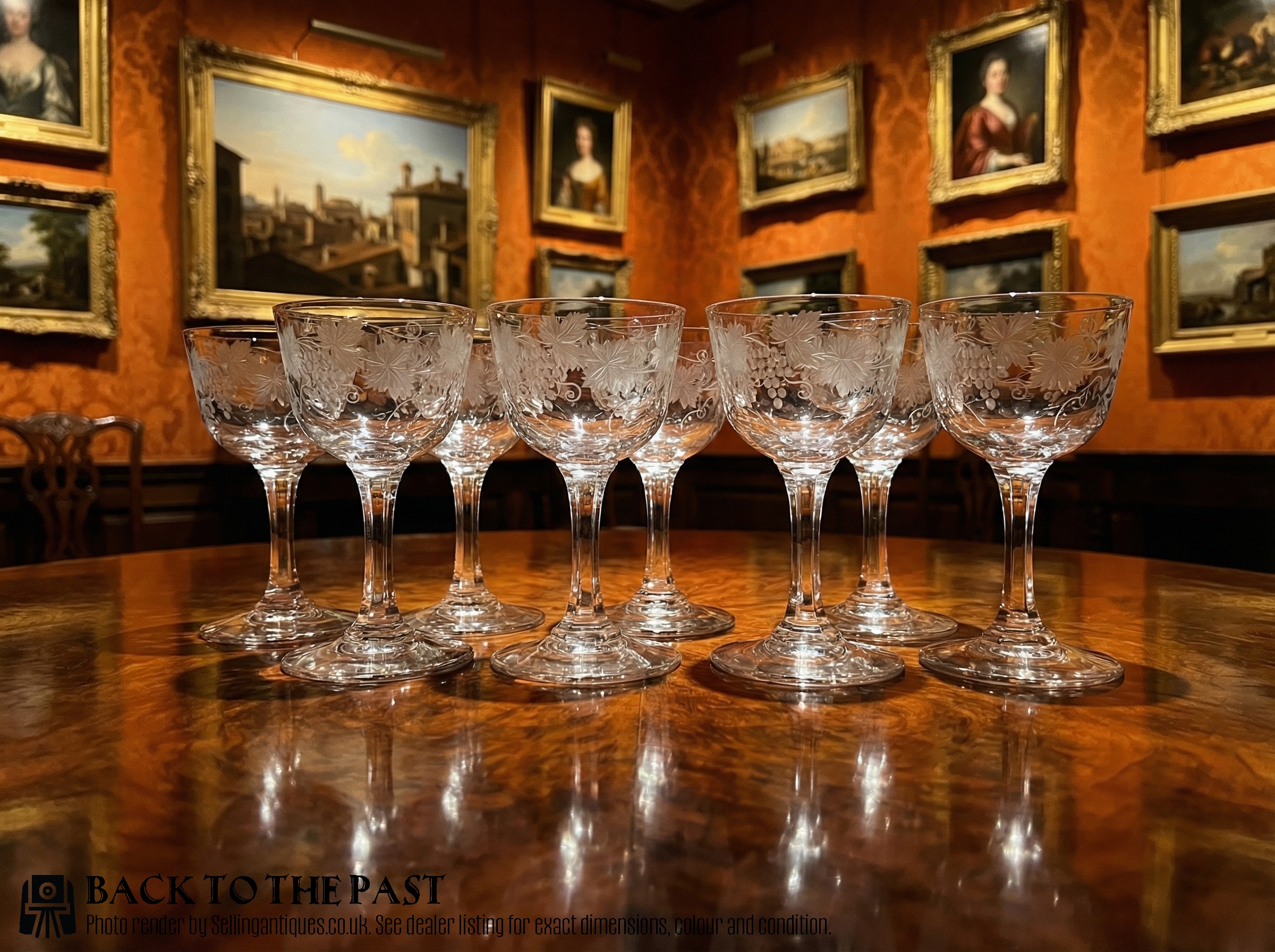
These Victorian floral etched glasses combine wheel-cut botanical motifs with lead crystal and clear glass, offering a glimpse into nineteenth-century dining tables.
Victorian Floral Etched Glasses
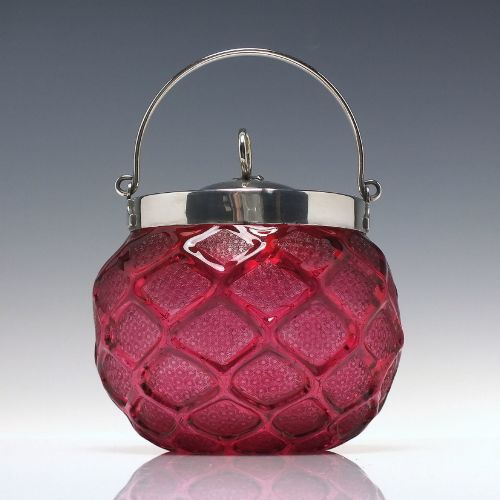
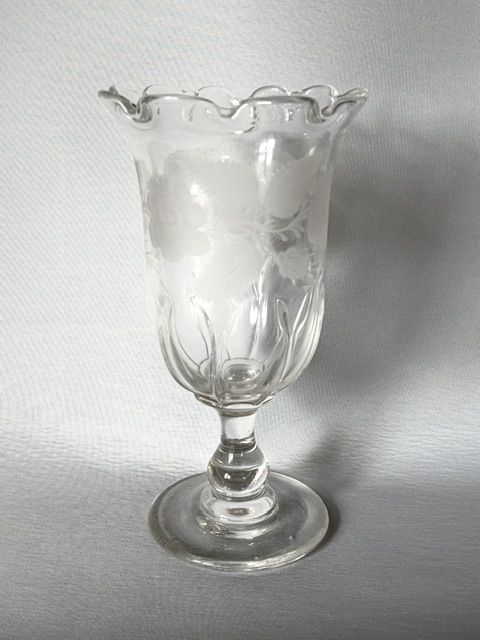
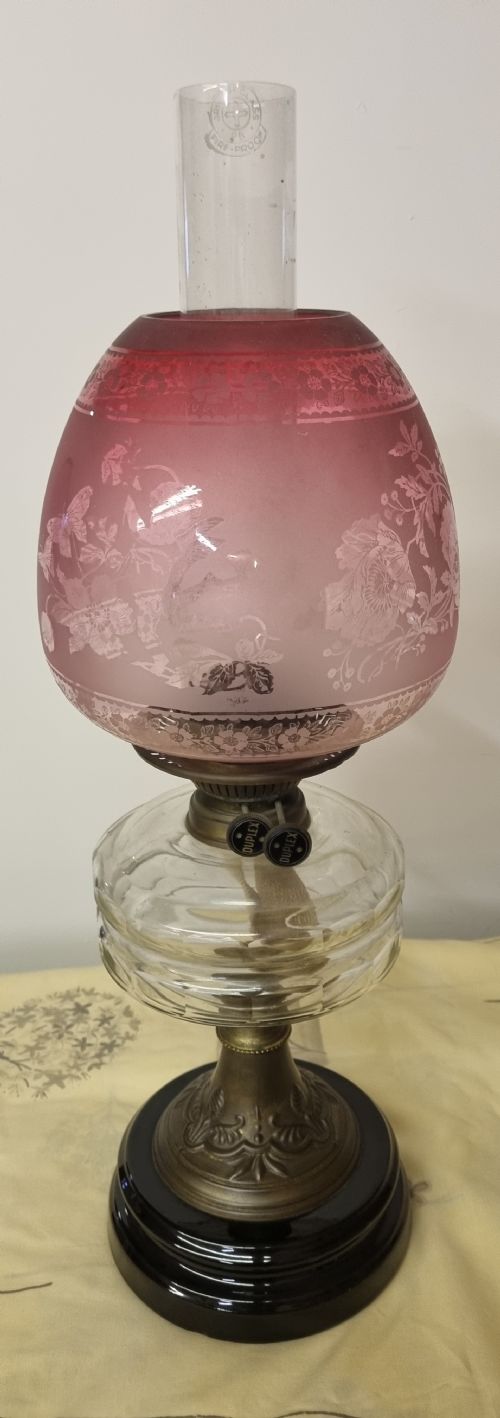
When you search for Victorian floral etched glasses, you look for glassware decorated with botanical motifs from the nineteenth century. These pieces appear on this page as wine glasses, dessert wine glasses, goblets, celery vases, and rummers.
The version you are most likely to meet on this page is the Victorian wine glass or set of dessert wine glasses, frequently displaying cut and etched floral patterns. These items emerge from periods such as the 1860s, 1870s, 1880s, and 1890s.
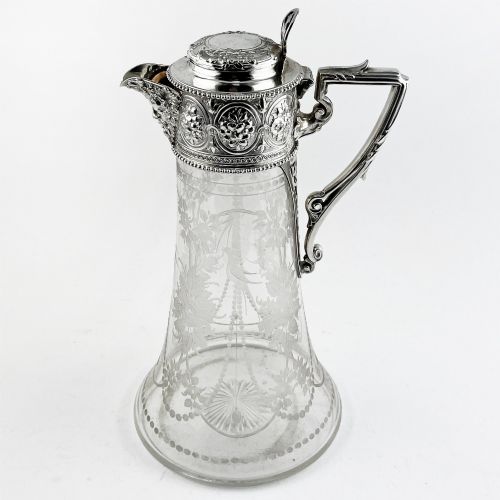
Alongside stemware, the listings include larger vessels like pedestal bowls and claret jugs featuring similar decorative work. Collectors encounter these items spanning the Victorian and Edwardian eras.
Materials and technique
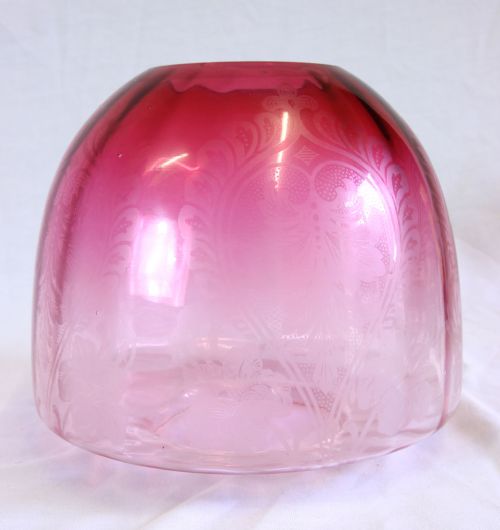
Makers utilised clear glass and lead crystal as the primary substrate for these vessels, applying wheel-cutting and acid-etching techniques to form botanical and floral patterns. The combination of faceted cutting and delicate etching gives the surface texture and depth.
The manufacturing process involved shaping molten glass by hand before artisans engraved or etched the surface with floral details. Additional elements like gilding appear on capitals and rims to complement the etched glass bodies.
Victorian Floral Etched Glasses Retail Price Guide 2026
Typical asking prices for victorian floral etched glasses among the pieces listed under this phrase on Sellingantiques today, from the lower quarter to the upper quarter. They describe what is for sale here now, not the wider market.
Listings include items from the Victorian, Edwardian, and late nineteenth-century periods, alongside Venetian and Art Nouveau styles.
Evaluating quality
Quality in these glasses rests on the clarity of the metal and the crispness of the wheel-cut and etched lines. Superior examples show deep, precise cutting that catches the light cleanly, alongside finely detailed floral engraving without blurring or surface roughness.
The weight and balance of the stemware also differentiate standard production from finer work. Heavier lead crystal and well-proportioned bowls and stems indicate careful craftsmanship during the Victorian and Edwardian periods.
Baccarat·Hinks·Taylor Tunnicliff
The Victorian Floral Etched Glasses Glossary
- Etched glass
- Glass decorated by applying acid to eat away the surface, leaving a frosted floral design. This method allowed makers to produce intricate botanical details.
- Lead crystal
- A type of glass containing lead oxide, which increases brilliance and weight. It provides a resonant ring when struck.
- Celery vase
- A tall vessel used on Victorian dining tables to hold celery upright. These pieces often feature cut or etched decoration.
- Rummer
- A large drinking glass used for wine or ale, typically with a short stem and a capacious bowl. Victorian examples often show etched patterns.
Victorian Floral Etched Glasses: Frequently Asked Questions
How do I clean antique etched glassware?
Wash these pieces by hand in warm water using a mild detergent. Avoid sudden temperature changes to protect the nineteenth-century glass.
Dry them immediately with a soft linen cloth to prevent water spots on the etched and cut surfaces.
Can I use these glasses for daily dining?
These items serve well for occasional use during special dinners. Hand washing preserves the delicate floral etching.
Store them securely in a cabinet to prevent chips along the rims and stems.
How do I date Victorian glassware?
Dating relies on the style of the cut, the shape of the bowl, and the weight of the metal. Victorian pieces often combine heavy lead crystal with specific botanical motifs.
Comparing the form to dated examples in the evidence helps narrow the period of manufacture.
What is the difference between cut and etched glass?
Cut glass involves grinding deep facets into the surface using a rotating wheel. This technique creates geometric patterns and sharp edges.
Etched glass uses acid to create shallow, frosted designs such as flowers and leaves. Many Victorian pieces combine both methods.