
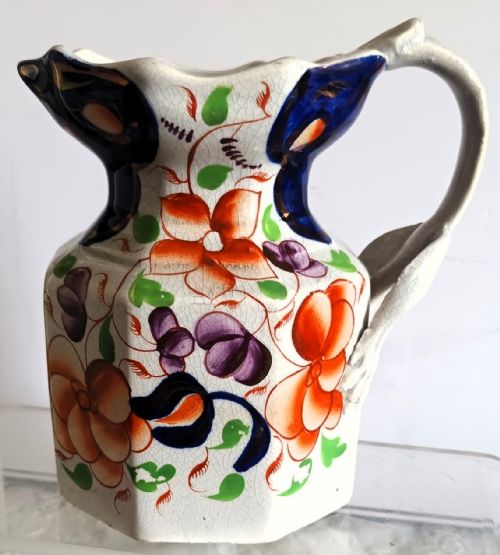
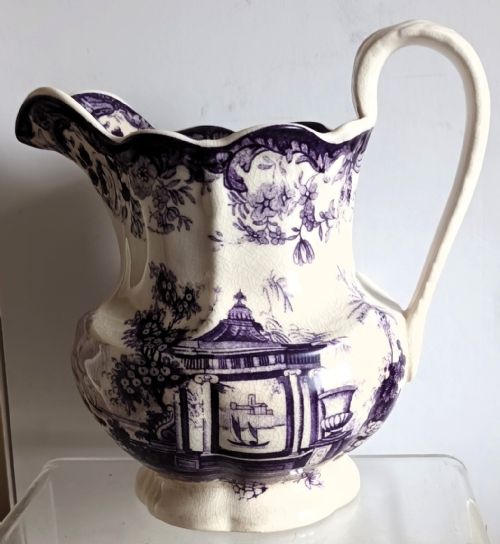
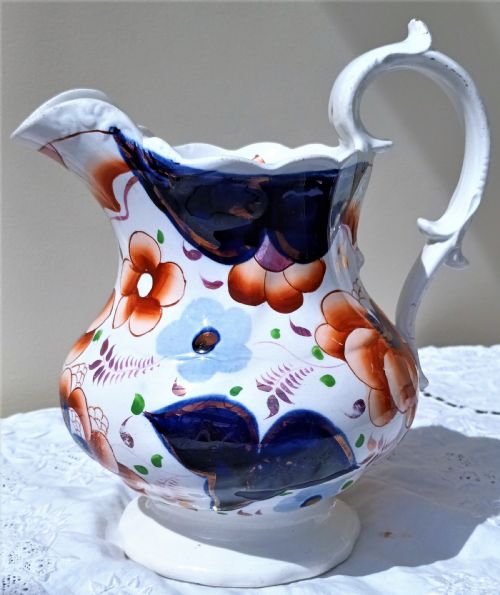
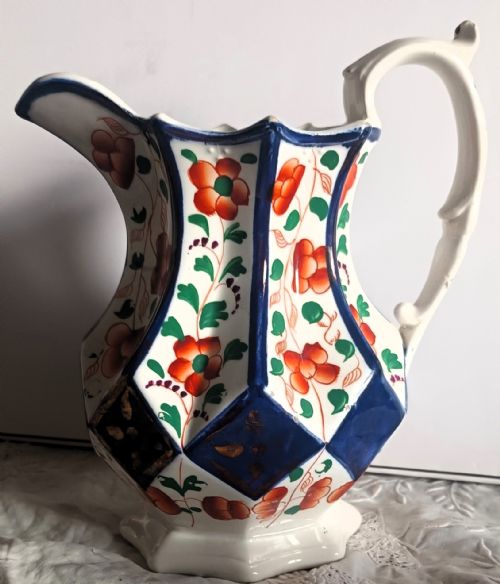

Victorian Floral Ceramic Pitcher
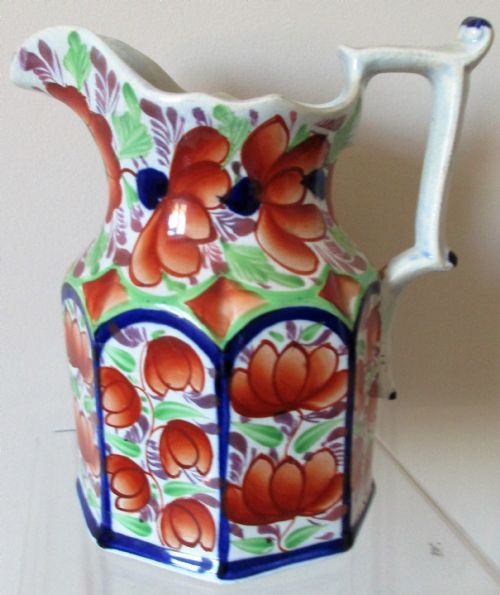
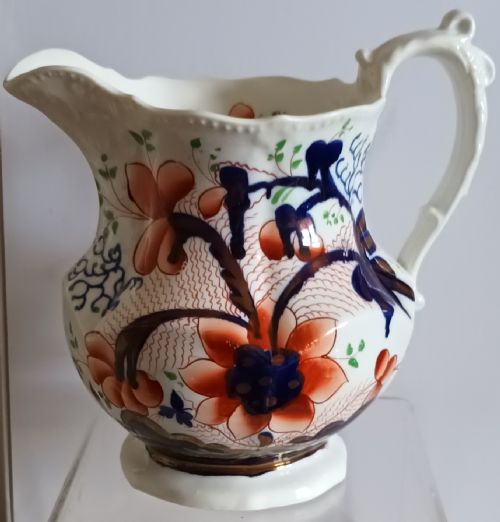
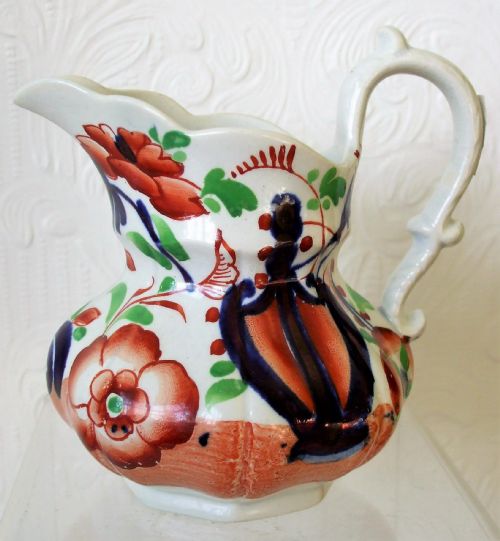
These Victorian floral ceramic pitchers bring robust nineteenth-century utility and painted botanical charm directly to the table or washstand.
Victorian Floral Ceramic Pitcher
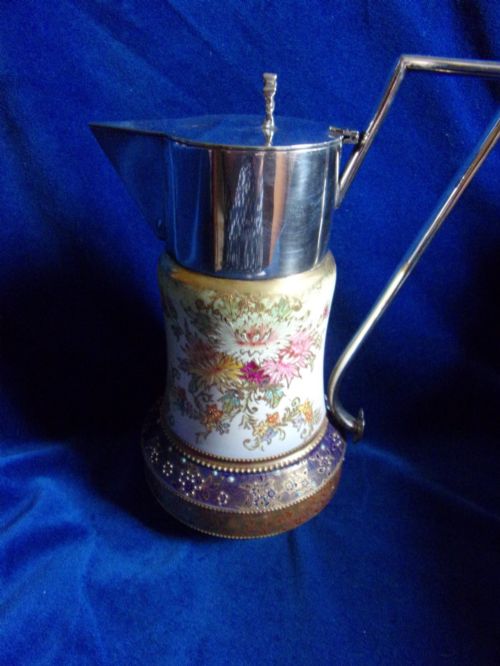
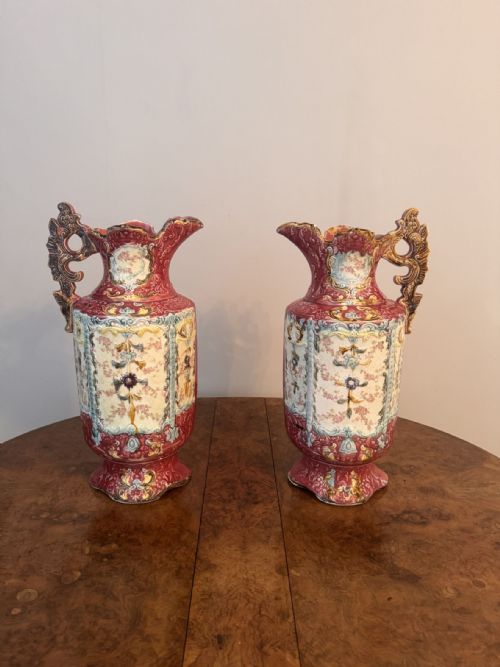
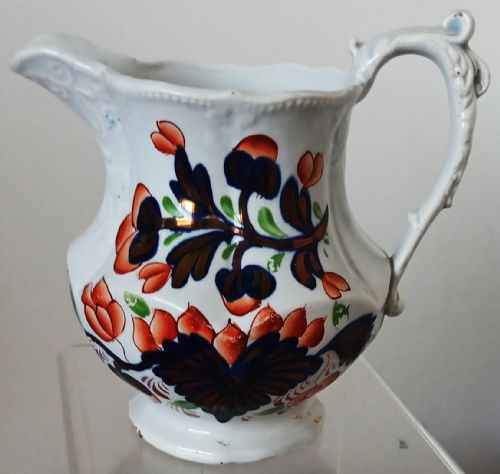
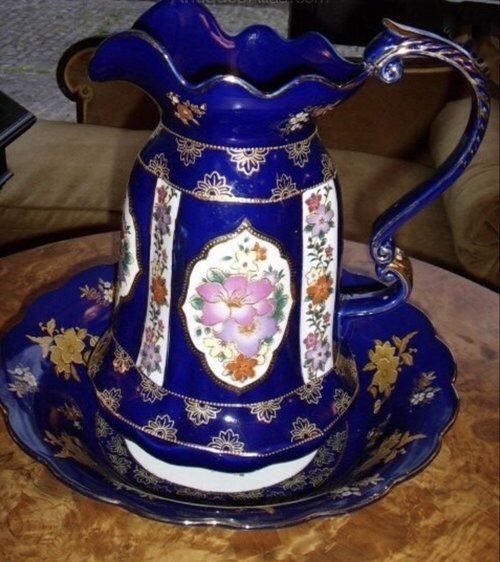
A victorian floral ceramic pitcher bridges the gap between everyday utility and decorative table or washstand display, frequently appearing alongside matching basins in larger sets. You will encounter individual handled jugs for water and milk, alongside grander decorative ewers designed for display.
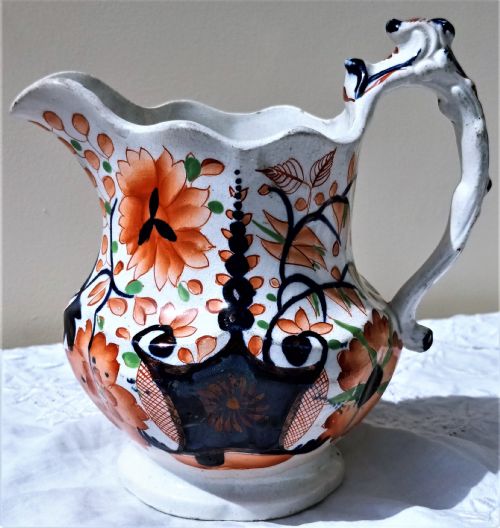
The pieces on this page span the nineteenth century into the early twentieth century, showing influences from the Aesthetic Movement, Art Nouveau, and revival styles. Most examples rely on earthenware or porcelain bodies, decorated with hand-painted or transfer-printed floral motifs.
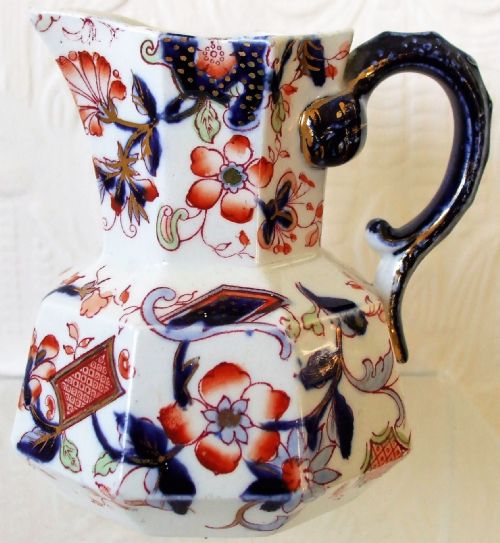
Makers utilised traditional forms such as the hydra shape, the cleft jug, and the bulbous pouch jug. These vessels range from miniature decorative items to large sanitary pieces meant for bedroom use.
Materials and methods
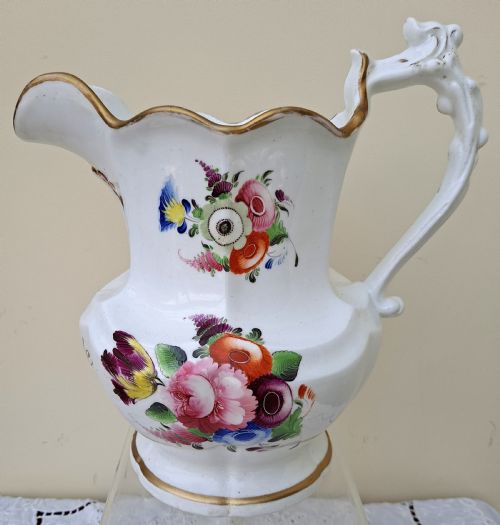
Potters shaped these vessels from earthenware and porcelain bodies, applying glossy glaze finishes to seal the ceramic. Decoration involved transfer printing or careful hand-painting of floral patterns, sometimes enhanced with enamel colours and touches of gold leaf or gilt.
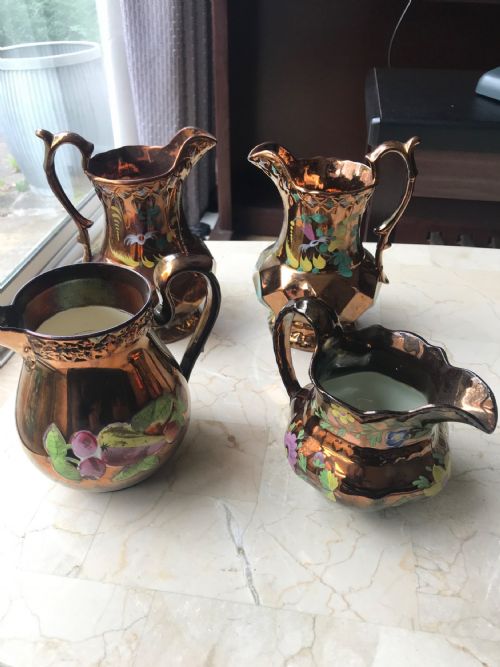
Certain specialised pieces incorporate copper lustre techniques or raised paste work, creating metallic sheens and textured surfaces across the ceramic body.
Some nineteenth-century makers decorated pitchers with grape, drape, and pagoda patterns.
Judging quality in ceramic pitchers
Quality rests on the crispness of the transfer print, the precision of the hand-painted enamels, and the application of gilding or gold leaf. Superior pieces display balanced proportions, clean potting without warping, and well-defined mould details.
The distinction between standard utility ware and top-tier studio or factory production shows in the complexity of the floral design and the richness of the glaze finish.
Keeling And Co·John Baley·Royal Worcester·Doulton Slater·Doulton Burslem·Mark Jones And Sons·Sir Edmund Elton
The Victorian Floral Ceramic Pitcher Glossary
- Ewer
- A large pitcher with a wide spout and a curved handle, traditionally used for holding water or wine.
- Hydra jug
- A classic pitcher form featuring a distinctive flared rim and multiple spouts or a wide pouring lip, often associated with nineteenth-century makers.
- Transfer print
- A decorative technique where an engraved design is printed on paper and transferred onto the ceramic surface before firing.
- Copper lustre
- A metallic glaze containing copper compounds that produces a reflective, iridescent copper sheen on earthenware.
Victorian Floral Ceramic Pitcher: Frequently Asked Questions
How do I clean an antique ceramic pitcher?
Wash the ceramic gently by hand using warm water and mild soap, avoiding abrasive scrubbers that might damage the glaze or gold leaf.
Dry the pitcher thoroughly with a soft cloth to protect any delicate transfer-printed floral patterns from moisture damage.
How can I tell a Victorian pitcher from an Edwardian one?
Victorian examples frequently display rich floral transfers, Gothic influences, or copper lustre finishes typical of the nineteenth century.
Edwardian pieces often shift toward lighter colour palettes, softer blush ivory grounds, and Art Nouveau floral curves.
What is a washstand set?
A washstand set typically consists of a large ceramic basin paired with a matching pitcher for personal washing in a bedroom before plumbing.
These functional household suites often included matching accessories such as soap dishes and chamber pots.