


Victorian Floral Ceramic Dish
These pieces bring painted floral motifs and robust earthenware or porcelain forms straight from nineteenth-century dining tables into modern rooms.
Victorian Floral Ceramic Dish
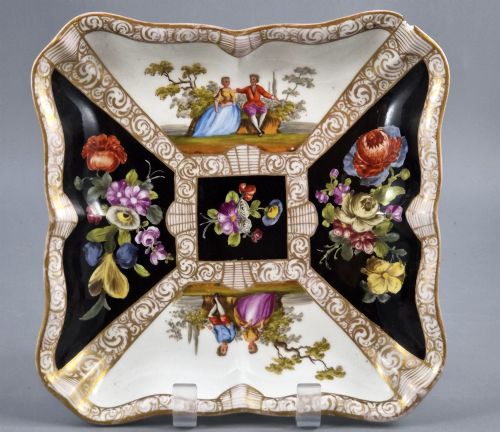
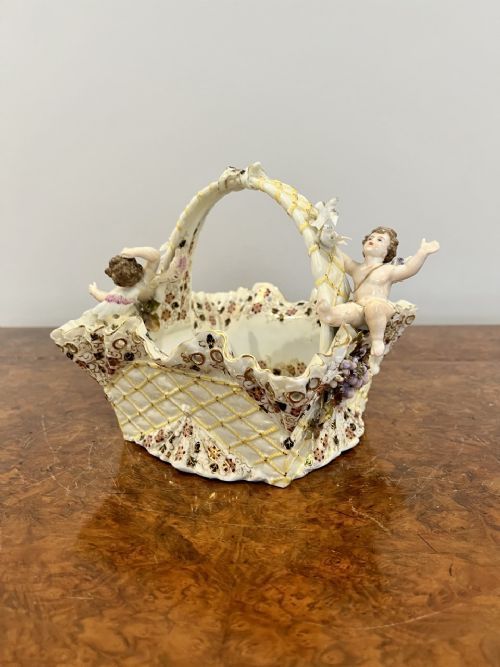
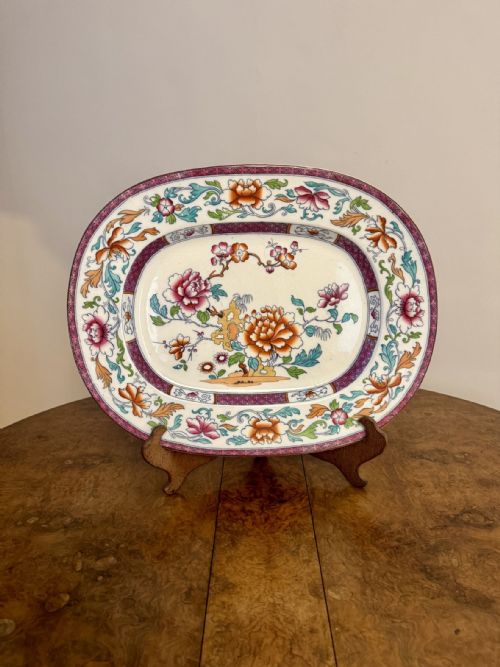
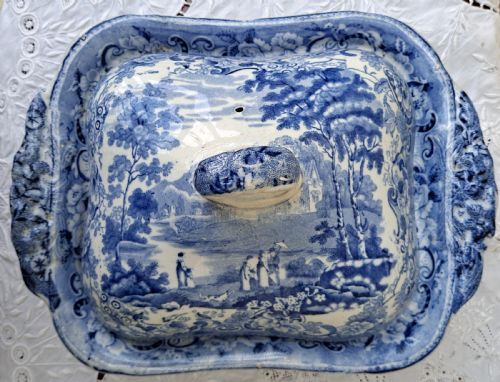
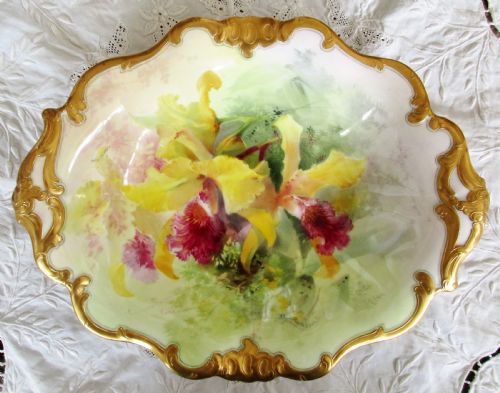
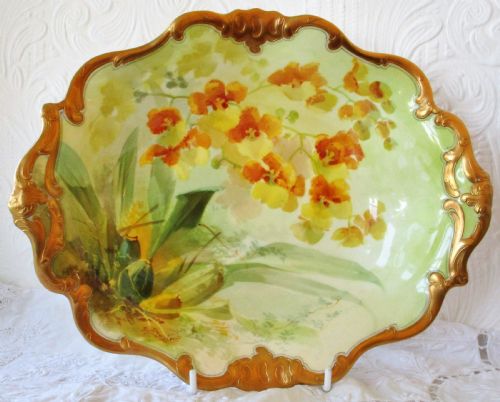
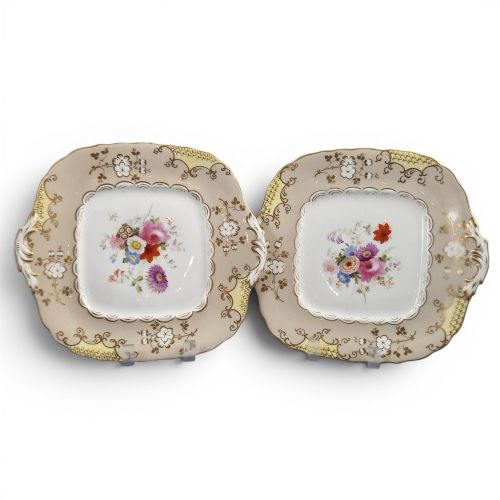
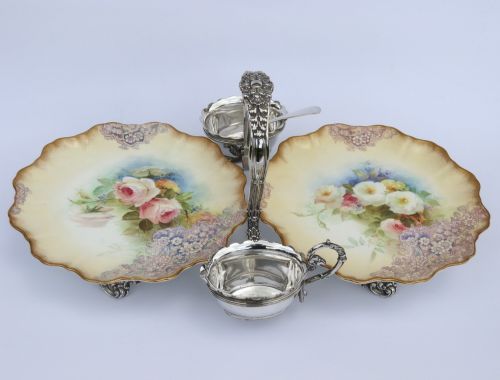
A victorian floral ceramic dish encompasses a broad range of serving vessels, decorative plates, and tureens produced across the nineteenth century and into the early twentieth century. These items include large meat platters, cheese dishes and covers, dessert sets, and fruit bowls intended for both display and table service.
The objects span multiple stylistic influences, from traditional Japanese Imari patterns and blue and white pottery to Majolica earthenware and delicate porcelain cabinet plates. Domestic makers such as Royal Worcester, Doulton Burslem, and Minton dominate the selections, alongside continental porcelain and earthenware productions.
Most examples date from the Victorian period proper through the late nineteenth century, reflecting varied manufacturing centres across England, France, and Austria. Buyers encounter both utilitarian serveware like ironstone vegetable tureens and highly decorative hand-painted cabinet pieces designed for visual appeal.
How They Were Made
Potters shaped these vessels using durable earthenware, dense ironstone, or refined porcelain, often moulding them into basketweave textures, shell shapes, or geometric serving trays. Techniques combined traditional wheel-throwing and press-moulding with specialised firing processes to ensure stability in daily use.
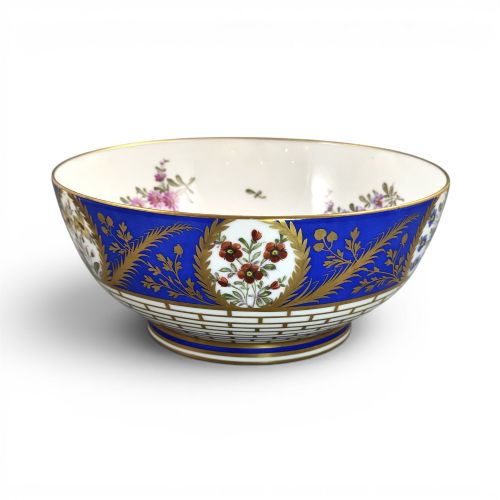
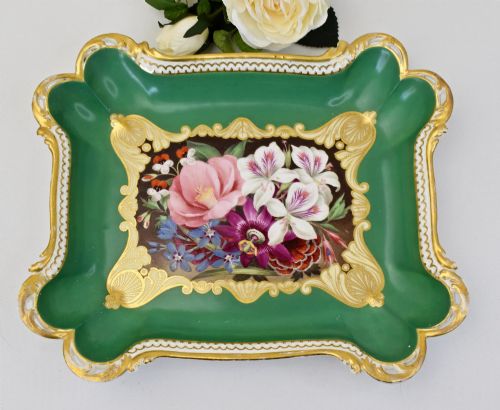
Decoration relied on hand-painted botanical sprays, transfer-printed rural scenery, and applied enamel colours fixed by kiln firing. Gilding, gold leaf, and contrasting black grounds frequently highlighted borders and rims, completing the surface treatment.
Listings feature ceramics spanning the nineteenth century, including earthenware, ironstone, and fine porcelain forms.
What Varies in Quality
The distinction between standard utility items and superior pieces rests upon the precision of the hand-painted artistry and the complexity of the ceramic body. Pieces featuring intricate botanical studies by named decorators demonstrate greater individual craftsmanship than standard transfer-printed wares.
Material choice and mould crispness also divide the range, with fine porcelain cabinet dishes and heavy moulded majolica displaying sharper relief and more refined glazing than everyday earthenware.
James Wallace and Company·Royal Doulton·Coalport·Doe and Rogers·Mann and Company·John Ridgway·Pucher Deroche·Minton·Carlton Ware·Royal Worcester·Doulton Burslem
The Victorian Floral Ceramic Dish Glossary
- Ironstone
- A dense, durable type of earthenware patented in the nineteenth century to imitate Chinese porcelain. It resists chipping and formed the body of many large meat platters and tureens.
- Majolica
- A heavy, colourful earthenware glazed with lead-based tin enamels, popular for naturalistic forms like leaves, birds, and sunflowers. It offers vibrant hues and tactile relief moulding.
- Imari
- A decorative style inspired by Japanese export wares, featuring rich cobalt blue and iron red accented with gold. Victorian iterations adapted these motifs onto plates and chargers.
- Cabinet Dish
- A decorative ceramic plate or tray intended purely for display in a cabinet rather than functional dining service. These often carry detailed hand-painted botanical or scenic artwork.
- Comport
- A raised dish or pedestal bowl used for serving fruit or dessert at the table. They frequently appeared as part of larger matched dining sets.
Victorian Floral Ceramic Dish: Frequently Asked Questions
How do I date these ceramics?
Dating relies on maker marks stamped or painted on the underside, stylistic clues like aesthetic movement borders, and registration numbers stamped into the pottery body. Comparing the paste type, such as ironstone versus soft paste porcelain, further narrows the production era.
Changes in factory names and backstamp styles across the nineteenth century provide specific chronological markers. Examining the application of colour and transfer-printing techniques helps distinguish early nineteenth-century pieces from later Victorian and Edwardian examples.
Can I use these dishes daily?
While robust ironstone and heavy earthenware platters were built for heavy nineteenth-century dining use, antique porcelain and hand-painted cabinet dishes require gentle handling. Older glazes and delicate overglaze enamels can wear down with frequent washing.
Displaying them on walls or using them purely for dry decorative purposes preserves the hand-painted surfaces and gilt edges. Hand washing with mild soap is essential if you choose to use them for dining.
What is a cheese dish and cover?
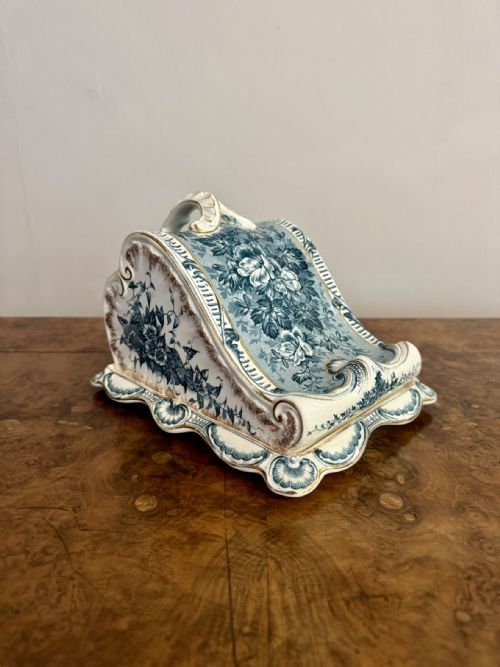
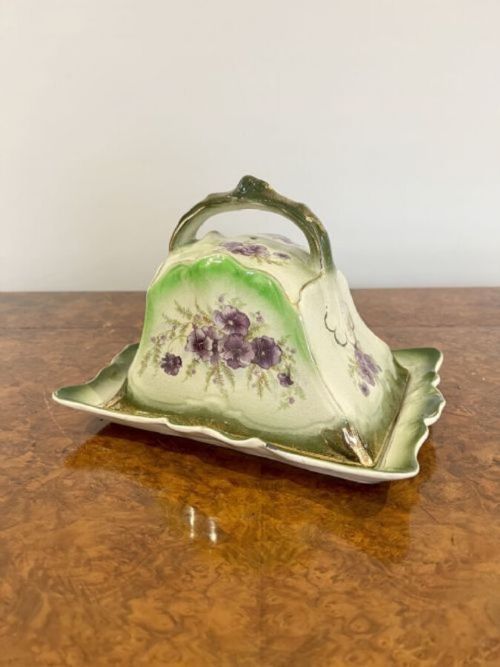
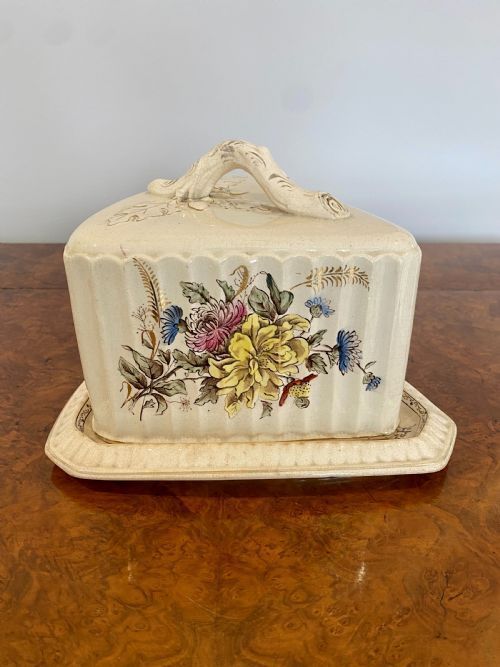
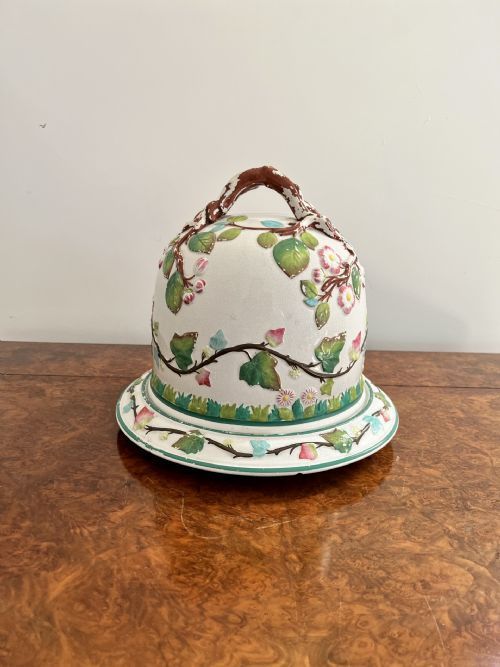
A cheese dish and cover consists of a flat or slightly depressed ceramic base paired with a large, domed lid featuring a central handle. The cover kept cheese fresh on the Victorian dining table by regulating air exposure.
These pieces often feature floral transfer prints, majolica relief moulding, or crisp white ironstone bodies. They make striking tabletop centrepieces or display items in a pantry or kitchen.