



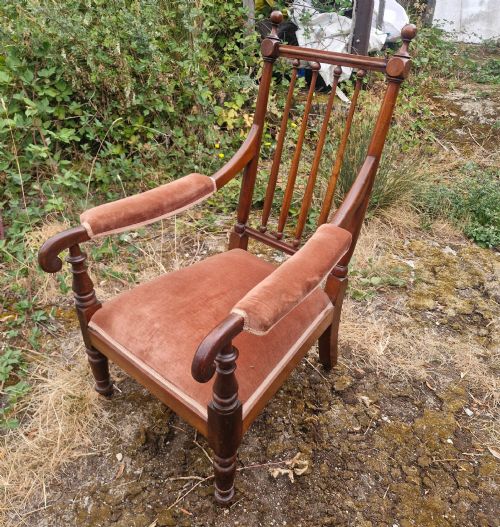
Victorian Fireside Armchair
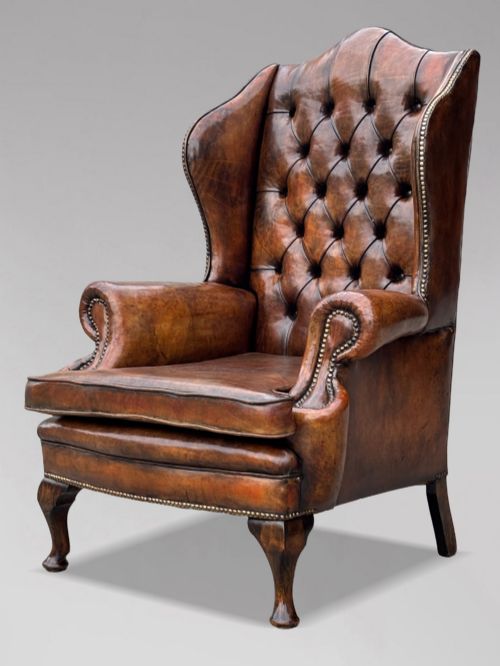
When you search for a victorian fireside armchair, you encounter nineteenth-century seating built for domestic comfort, spanning low parlour chairs and deep buttoned wingbacks.
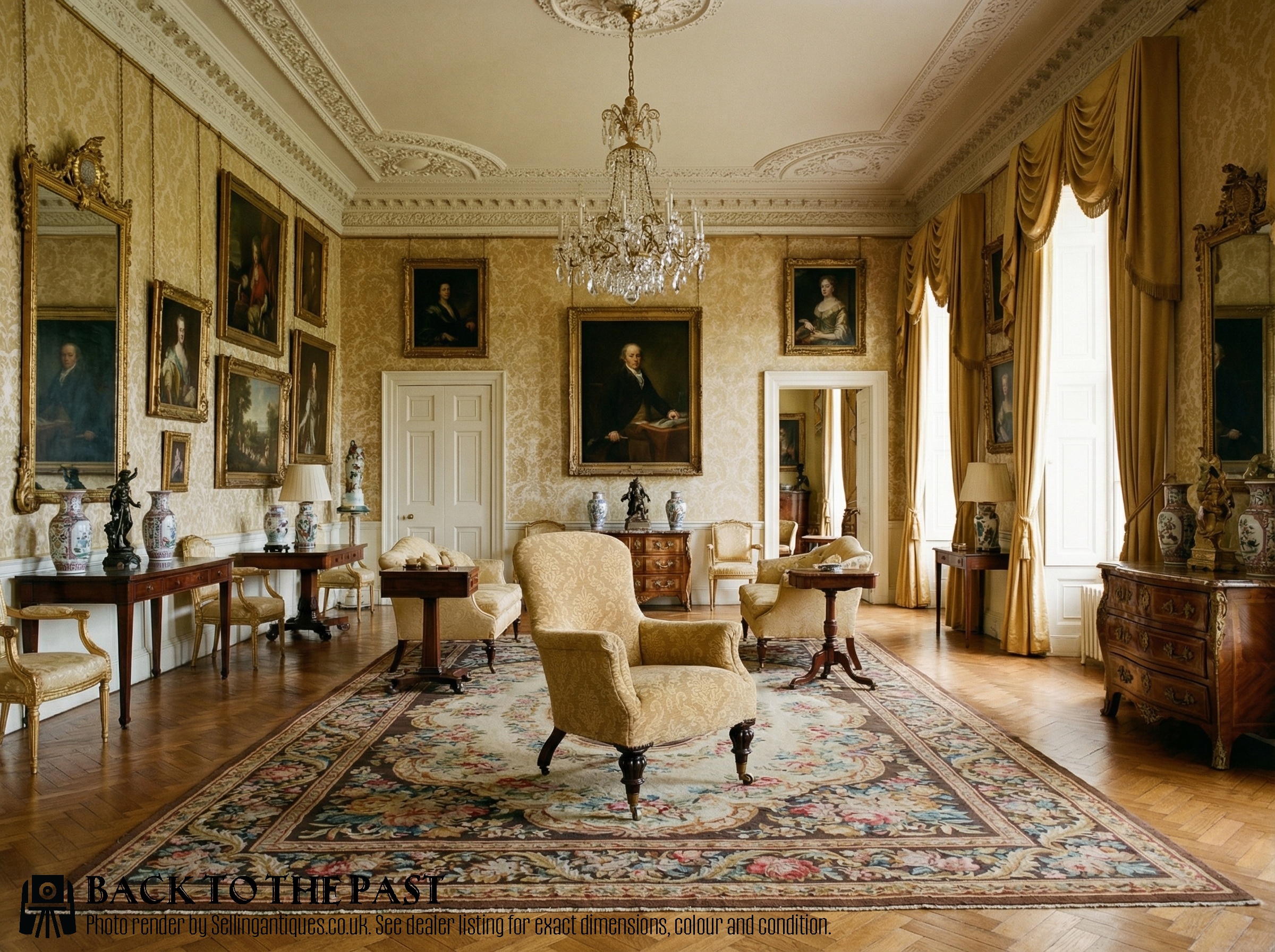
Victorian Fireside Armchair
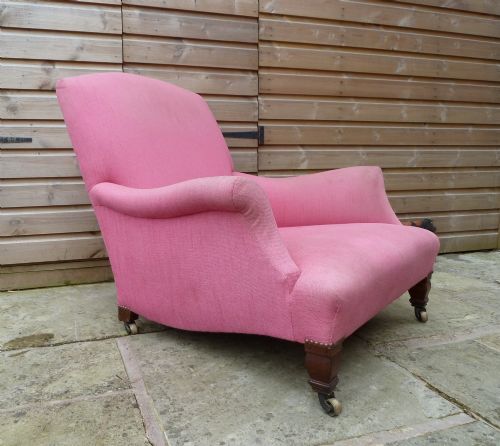
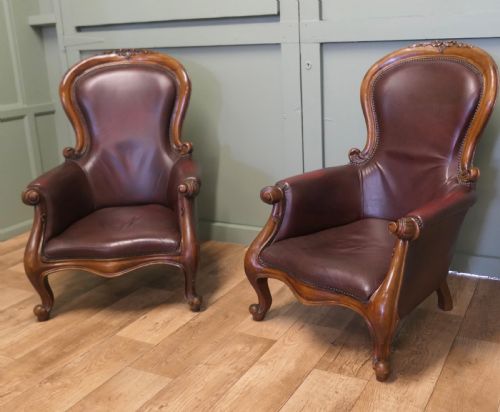
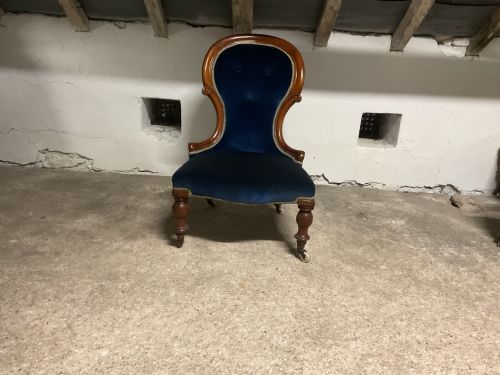
A victorian fireside armchair encompasses diverse nineteenth-century seating forms designed for warmth and repose, ranging from compact nursing and bedroom chairs to substantial gentleman and lady parlour seats. The pieces seen here extend across the broader nineteenth century, touching upon Regency origins and Edwardian echoes.
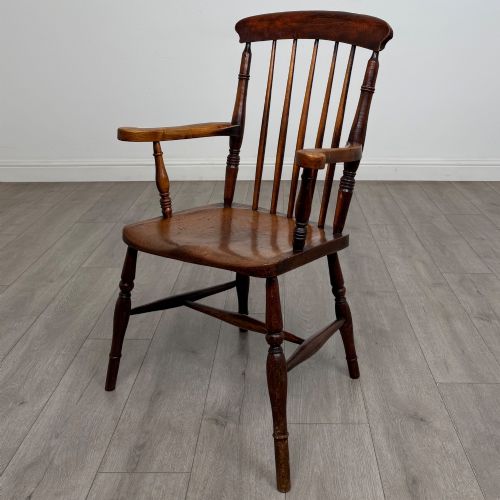
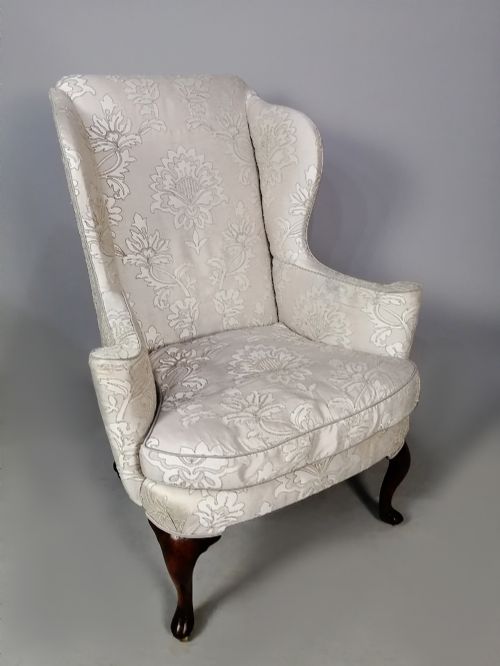
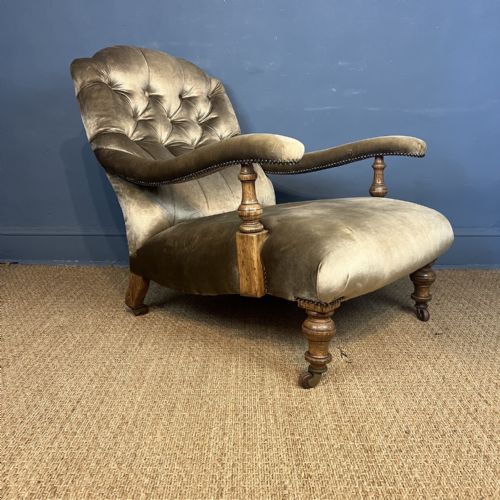
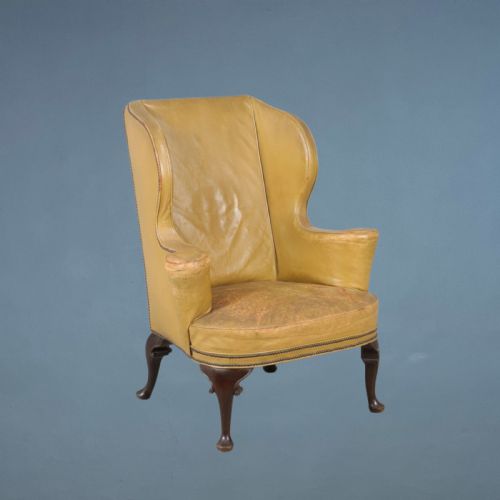
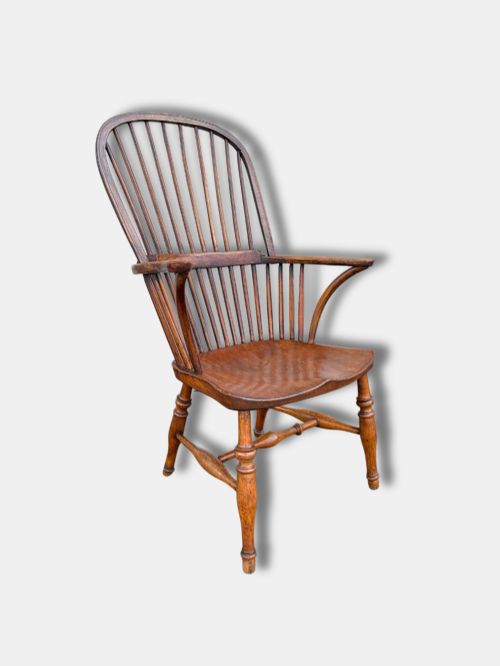
Structural variations include stick-back, spindle-back, and lath-back country designs in ash and elm alongside polished show-wood frames in mahogany, walnut, and rosewood. Upholstered wingbacks, spoon-backs, and buttoned easy chairs dominate the inventory, frequently featuring scroll arms and low profiles suited to hearthside placement.
Materials and Construction
Makers utilised dense native timbers such as mahogany, walnut, oak, ash, and elm for structural frames, turning to rosewood for finer show-wood examples. Traditional joinery methods secured heavy timber frames capable of enduring daily use near coal fires.
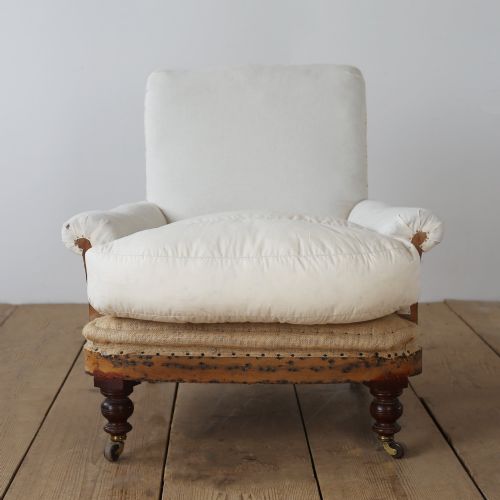
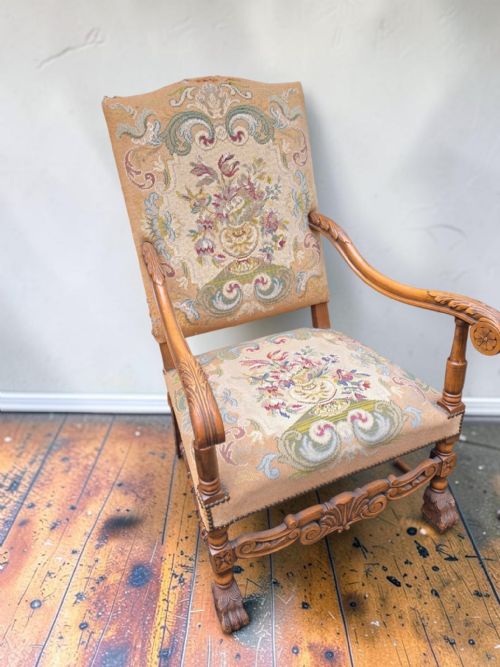
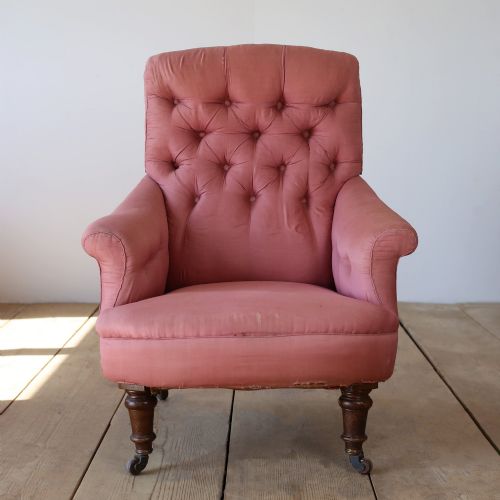
Upholstered variants rely on traditional stuffing techniques enclosed in leather, velvet, tapestry, or calico fabrics, often accented with deep buttoning or brass castors fitted to cabriole and turned legs.
Victorian Fireside Armchair Retail Price Guide 2026
Typical asking prices for victorian fireside armchair among the pieces listed under this phrase on Sellingantiques today, from the lower quarter to the upper quarter. They describe what is for sale here now, not the wider market.
Listings feature woods including mahogany, walnut, rosewood, oak, ash, and elm across nineteenth-century styles.
Judging Quality
The distinction between standard commercial production and superior workshop output rests upon timber selection, carving crispness, and structural proportion. Chairs attributed to accomplished makers display refined lines and balanced framing, whereas simpler vernacular pieces prioritise utility over decorative flourish.
Original upholstery methods and period leather surfaces elevate the standing of a piece, while later alterations or replacement frames indicate a compromised state.
Howard and Sons·Gillows·Mellier and Co·SF Cullen·Shoolbred
The Victorian Fireside Armchair Glossary
- Spoon-back
- A padded chair back shaped in the concave contour of a spoon to support the spine. This form gained popularity during the mid-nineteenth century on mahogany and walnut parlour chairs.
- Show-wood
- Exposed wooden framing surrounding the upholstered sections of a chair. It highlights the grain of walnut, mahogany, or rosewood.
- Wingback
- An armchair featuring protective side panels designed to shield the sitter from draughts. These deep seats often incorporate leather or fabric upholstery.
- Button-back
- Upholstery secured with deep-set buttons arranged in a geometric diamond pattern. This technique provides tautness and formal decoration to the padding.
Victorian Fireside Armchair: Frequently Asked Questions
How do I identify a Victorian frame?
Examine the timber species, joinery methods, and turning details on the legs. Mahogany, walnut, and rosewood predominate alongside hand-carved spoon-backs and buttoned upholstery.
Later Edwardian pieces often soften these proportions, while earlier Regency examples display simpler structural lines.
Are these chairs suitable for daily use?
Most nineteenth-century frames provide robust daily seating when the internal webbing and padding remain sound. Many survive in sturdy timber condition.
Some examples upholstered in leather or heavy fabric benefit from careful placement away from direct heat sources.
What is the difference between gentleman and lady chairs?
Gentleman chairs typically offer broader proportions and higher backs, while lady chairs feature lower seats and compact frames designed to accommodate voluminous nineteenth-century dresses.
Both share matching show-wood timbers and upholstery styles within parlour settings.