
Victorian Figurative Painting
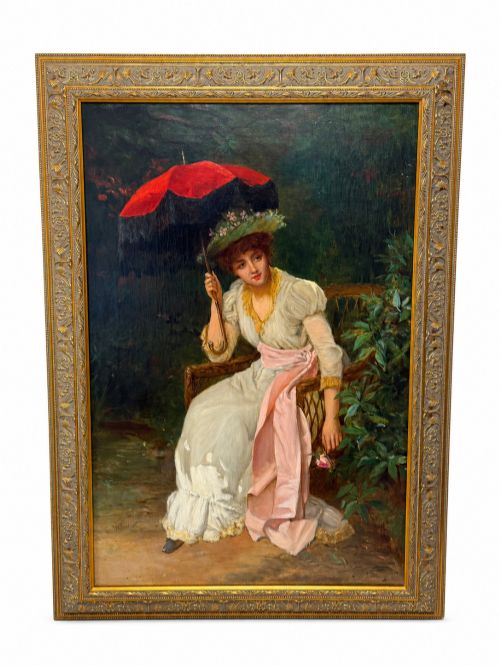
These Victorian figurative painting examples bring nineteenth-century canvas and paper narratives directly into domestic spaces.
Victorian Figurative Painting
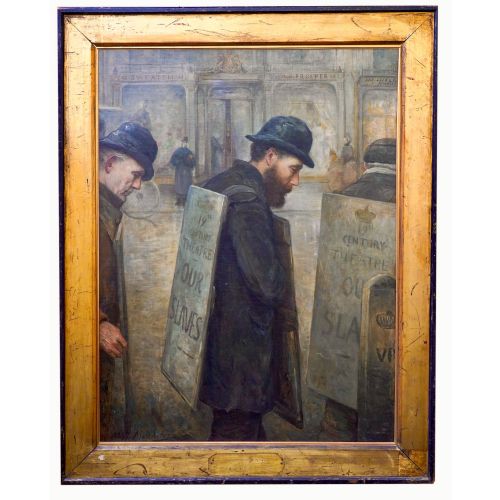
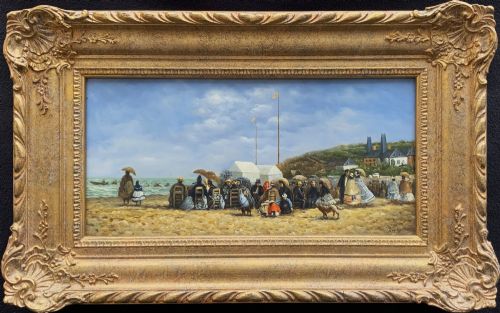
Victorian figurative painting captures human presence, daily interactions, and narrative scenes across the nineteenth century. These artworks reflect the artistic concerns of the period, spanning from the early decades through the late Victorian era up to nineteen hundred.
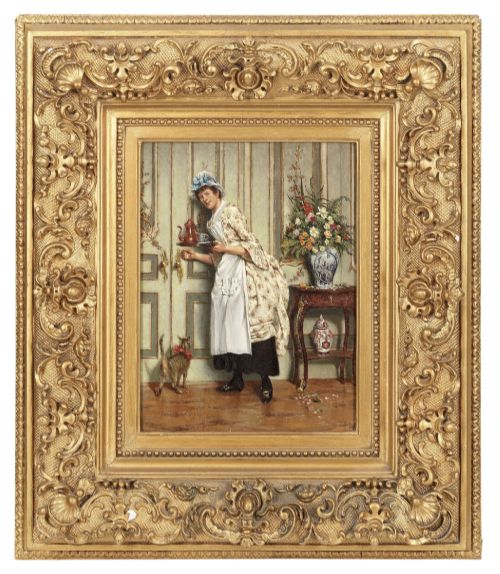
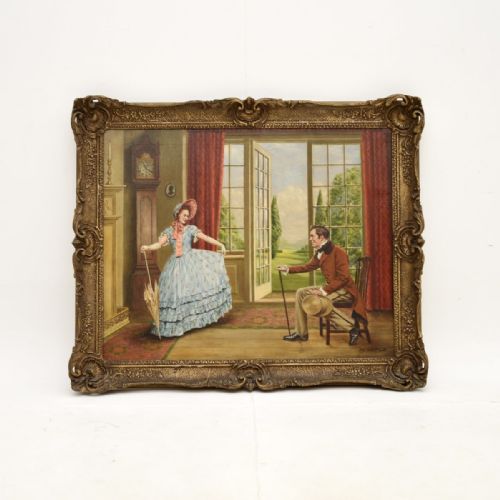
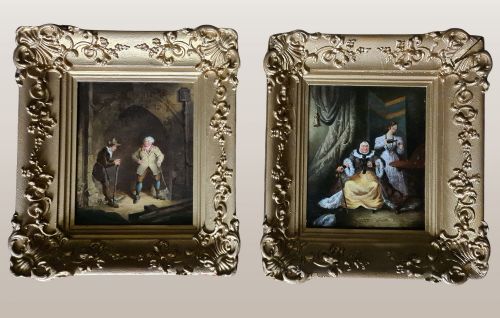
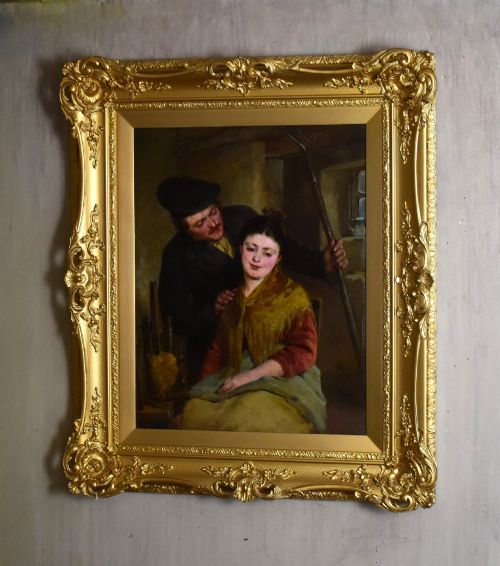
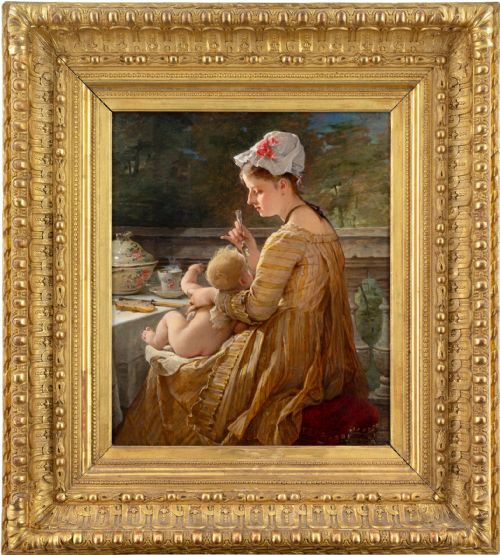
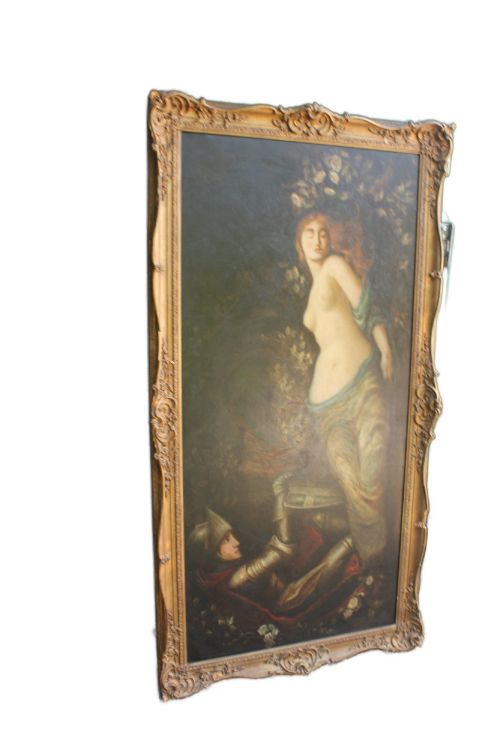
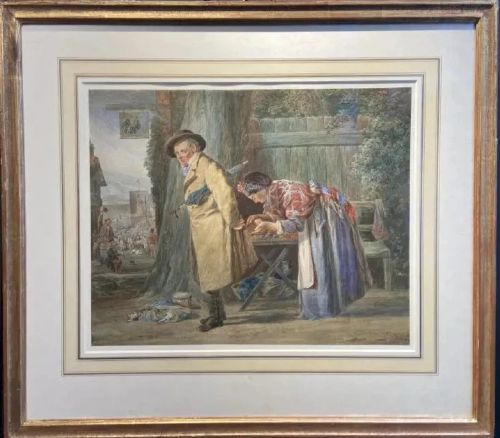
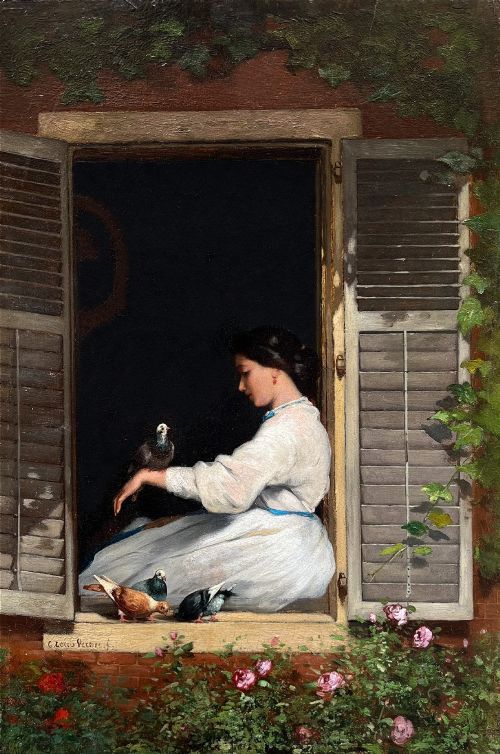
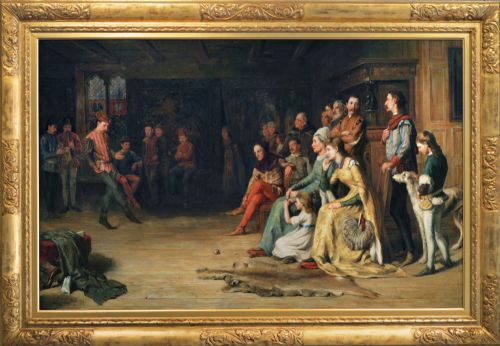
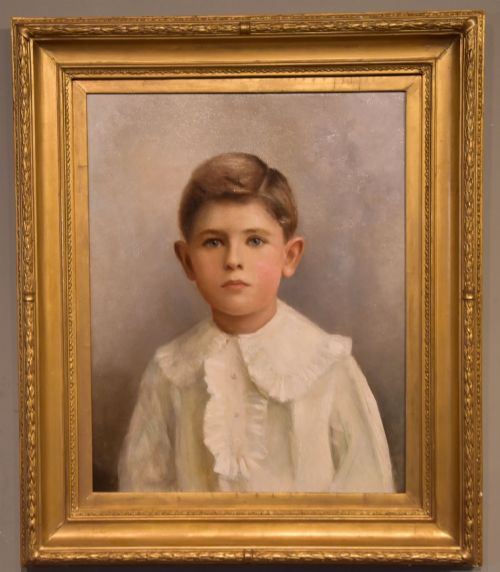
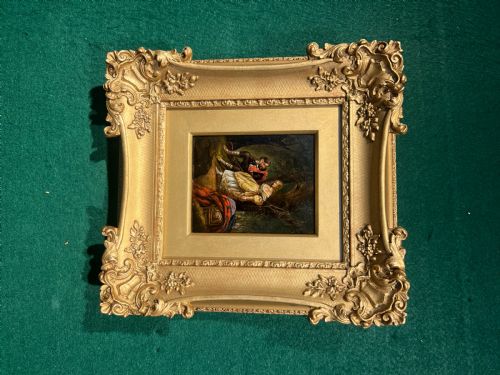
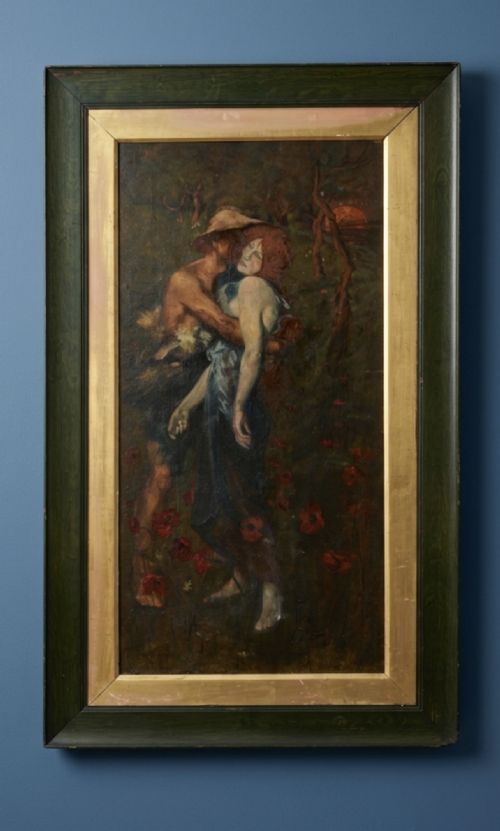
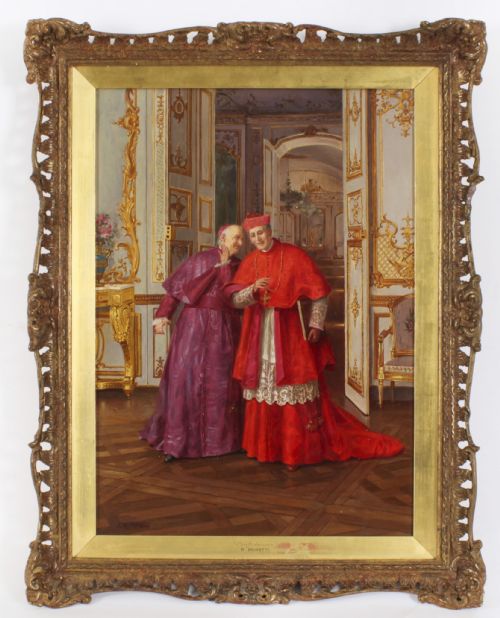
The formats available here include oil paintings and watercolour pigment on paper, housed within wooden and giltwood frames. Common compositions portray domestic interior moments, pastoral gatherings, portraits, and outdoor courting scenes.
Subjects range from individual character studies like young gypsy girls and blacksmiths to multi-figure genre scenes involving women at tea or children gathering berries. Each piece offers a specific window into nineteenth-century social life and artistic convention.
How they were made
Artists of this era worked primarily with oil on canvas or watercolour pigment applied to paper supports. These materials were housed in wooden or giltwood frames designed to complement the visual weight of the painted surface.
The application of paint demonstrates traditional nineteenth-century techniques, building layered compositions that define costume, setting, and facial expression. Watercolour works on paper utilise fluid pigment application to achieve delicate tonal transitions in portraiture.
Retail Price Guide 2026
Typical UK retail prices for victorian figurative painting, calculated from the Sellingantiques database of over a million retail prices indexed since 2003. This retail price guide relies exclusively on Sellingantiques data; no external sources or auction records are used, so the figures do not describe the wider market.
Every gathering of maidens in a park ultimately leads back to a Victorian romance.
What varies in quality
Quality in these works rests upon the artist's handling of human anatomy, narrative tension, and atmospheric depth within the scene. Masterful brushwork in oil or precise pigment control in watercolour elevates a composition from a simple record to a compelling visual story.
The preservation of the original canvas, paper surface, and accompanying wooden or giltwood frame heavily influences the overall character of the piece. Superior examples maintain their original pigment vibrancy and structural integrity without intrusive modern restoration.
John A Monteith·Henry E Hobson·Robert Alexander Hillingford·Augustus Jules Bouvier·Jane Maria Bowkett·William Arthur Breakspeare·Linnie Watt·Henry Collins
The Victorian Figurative Painting Glossary
- Genre painting
- A style depicting scenes from everyday life involving ordinary people engaged in common activities. These works focus on domestic narratives and social interactions rather than grand historical events.
- Giltwood
- Wood carved and surfaced with a thin layer of gold leaf. This material is standard for traditional nineteenth-century frames.
- Watercolour pigment
- Colouring matter mixed with a water-soluble binder for use on paper. It allows for translucent washes and fine detail work.
- Pastoral gathering
- A compositional theme showing figures in a rural or idealized outdoor setting. These scenes emphasise leisurely interaction with nature.
Frequently Asked Questions
What subjects appear in these paintings?
The subjects range from intimate domestic interiors to outdoor pastoral gatherings and individual character portraits.
Artists frequently depicted daily social interactions, rural work, and romantic narrative scenes characteristic of the nineteenth century.
Are these works created on canvas or paper?
The listings include both oil paintings on canvas and watercolour pigment applied to paper supports.
Each medium provides a distinct surface texture and visual quality suited to the artist's technique.
How should I display a framed Victorian painting?
These pieces require placement away from direct sunlight and excessive humidity to protect the canvas, paper, and giltwood frame.
Proper wall positioning ensures the artwork remains stable while serving as a focal point in a room.
How do I identify the period of a piece?
Dating relies on stylistic conventions, artist active dates, and framing materials typical of the nineteenth century.
Signatures, exhibition records, and recorded mediums further help establish the historical context of each artwork.