
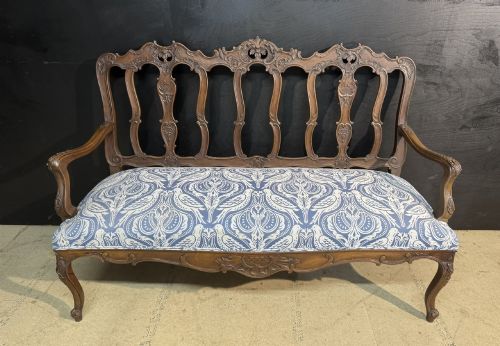
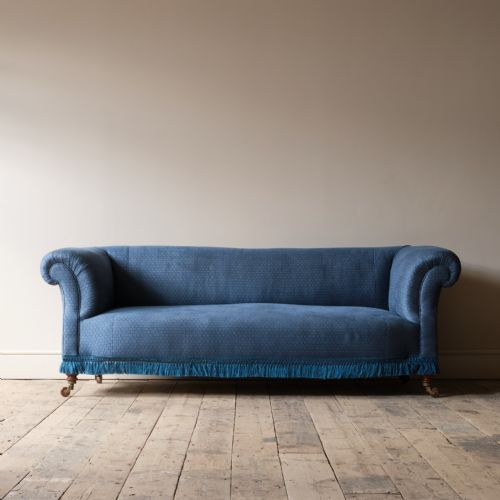
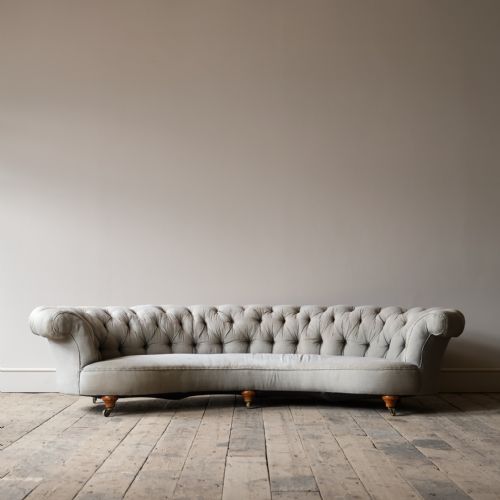
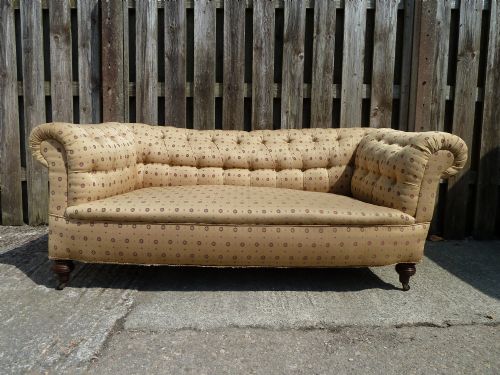
Victorian Fabric Settee
A victorian fabric settee offers generous seating wrapped in period textiles, bringing nineteenth-century comfort and craft to a modern room.
Victorian Fabric Settee
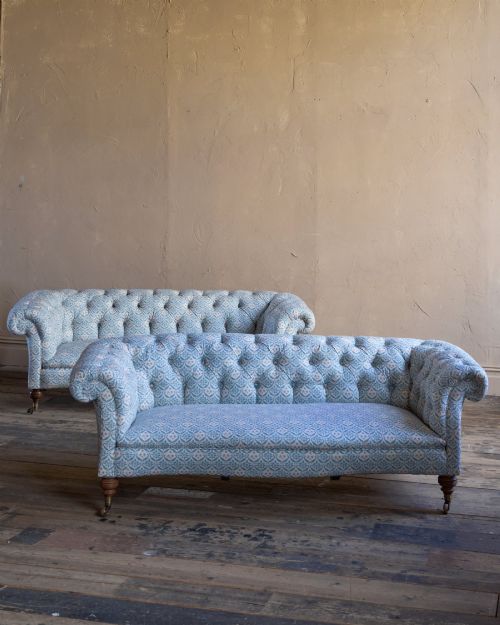
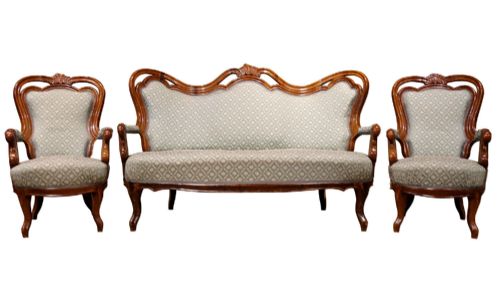
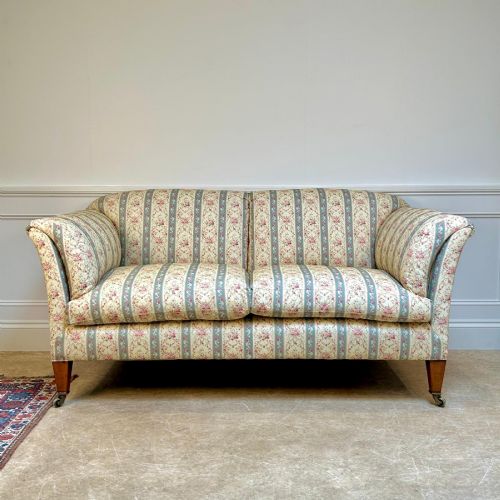
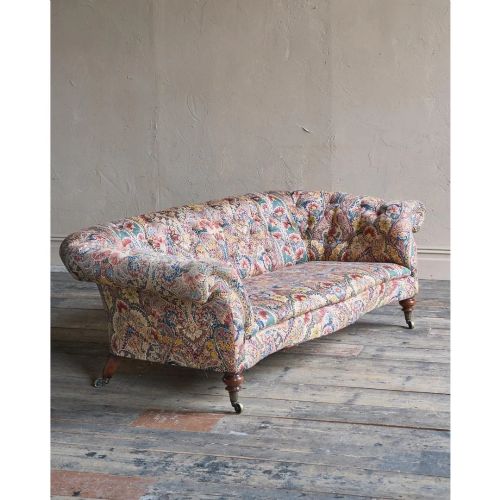
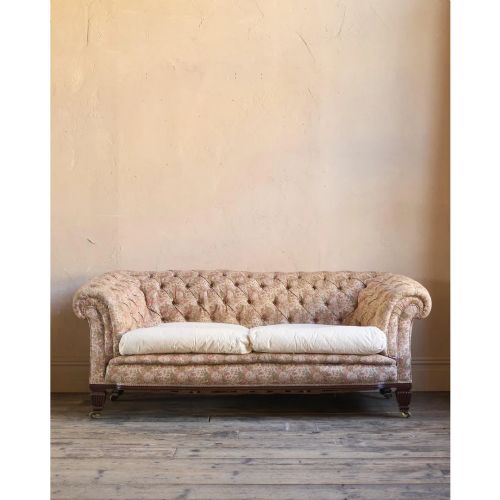
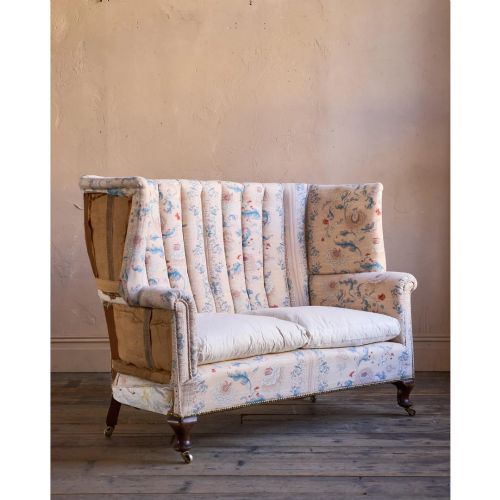
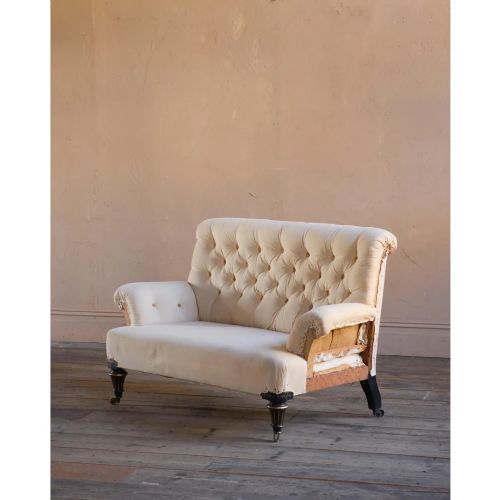
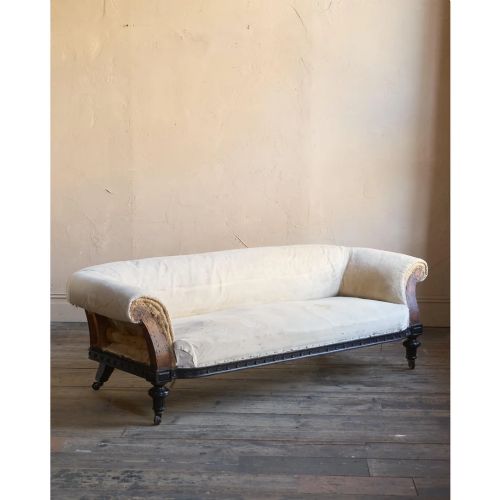
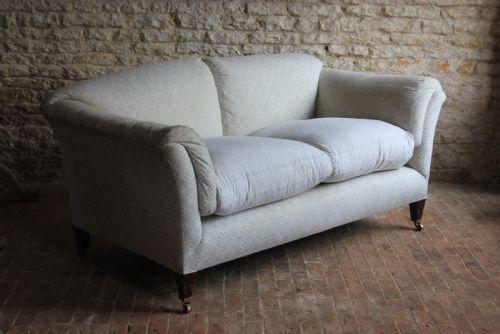
A victorian fabric settee covers a broad range of nineteenth-century seating forms, from deep-seated chesterfields to button-backed canapes and salon suites. The version most common on this page is the upholstered wooden frame, often resting on turned walnut or mahogany legs.
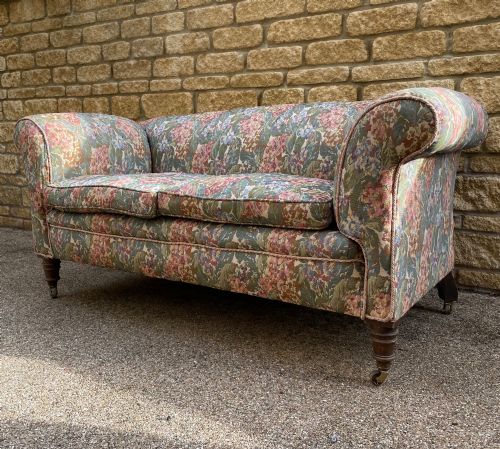
The periods represented stretch across the nineteenth century into the Edwardian era, incorporating styles such as the Aesthetic Movement, Rococo Revival, and Traditional English. Forms range from two-seater drop-arm couches to large country house sofas and chaise longues.
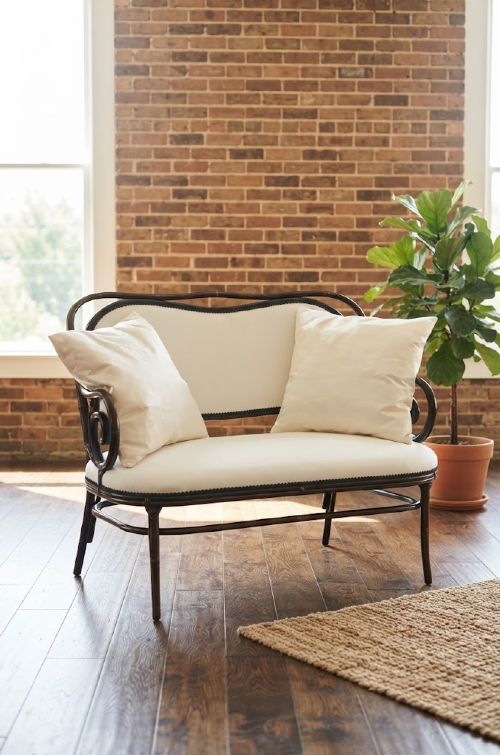
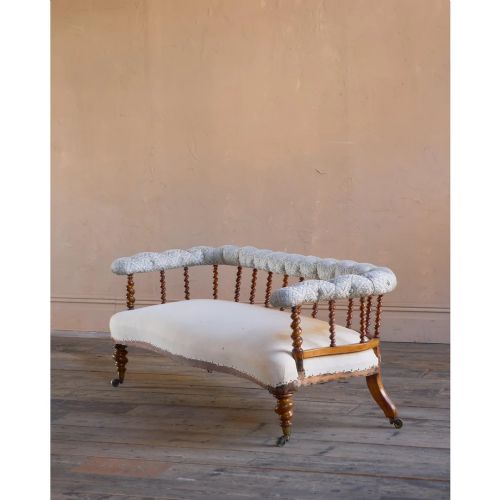
Makers and retailers like Howard & Sons, Hampton & Sons, and C. Hindley & Sons frequently shape the selection, alongside continental walnut pieces and ebonised bentwood designs. Buyers encounter everything from parlour suites to standalone window seats and hall seat sofas.
Materials and Construction
Frames rely on solid timbers such as mahogany, walnut, and hardwood, providing a sturdy skeleton for the upholstered portions. Turned legs, ball and claw feet, and carved mahogany details frequently finish the exposed woodwork.
Upholstery uses traditional textile fabrics applied over webbed and sprung foundations, sometimes featuring fluted wingbacks or deep buttoning. Brass castors and hardware appear on legs to aid movement across heavy carpets.
Drop-arm mechanisms let Victorian sitters instantly transform a upright parlour couch into an impromptu afternoon nap station.
Distinctions in Quality
The calibre of a settee rests heavily on the integrity of the underlying timber frame and the sophistication of the original maker. Pieces bearing stamps or signatures from noted nineteenth-century workshops command distinct recognition.
The precision of the wood carving, the grace of the scroll arms or camel backs, and the balance of proportion dictate the visual standing of each piece. Retaining original maker details or documented period fabrics elevates the standing of the work.
Thonet·Hampton & Sons·Howard & Sons·C. Hindley & Sons·Jackson and Graham
The Victorian Fabric Settee Glossary
- Chesterfield
- A deep-buttoned, heavily upholstered sofa traditionally featuring arms and back of the same height. This form remains a staple of nineteenth-century seating.
- Canape
- An ornamental sofa or settee, often French in inspiration, featuring exposed wooden framing and upholstered seat and back panels.
- Drop arm
- A mechanical sofa arm that can be lowered to convert the seating into a daybed or lounger. This mechanism allows adjustable positioning.
- Chaise longue
- An upholstered couch shaped like a chair with a long seat large enough to support the legs. These pieces suit boudoirs and grand parlours.
- Ebonised
- Wood finished with a dark stain or black lacquer to imitate ebony. This treatment appears frequently on Aesthetic Movement furniture.
Victorian Fabric Settee: Frequently Asked Questions
How do I identify a Howard and Sons sofa?
Look for stamped mahogany legs, numbered brass castors, and signature ticking fabric beneath the loose cushions. These makers are renowned for deep-seated comfort and solid construction.
Many examples also carry paper labels or stamps directly on the wooden frame or webbing, aiding positive identification.
Are these settees suitable for daily use?
Nineteenth-century frames are built from solid hardwoods like mahogany and walnut, making them structurally robust. Many survive in daily service once the internal springs and webbing receive proper restoration.
Selecting a sturdy frame ensures the seating handles regular household activity without compromising the vintage structure.
How do I care for antique upholstery fabric?
Vacuum the fabric gently using a soft brush attachment to remove dust and prevent fibres from matting. Keep the piece away from direct sunlight to avoid fading delicate period textiles.
Professional cleaning is recommended for antique fabrics to preserve the integrity of the weave and padding.