


Deconstructed Upholstered Sofa
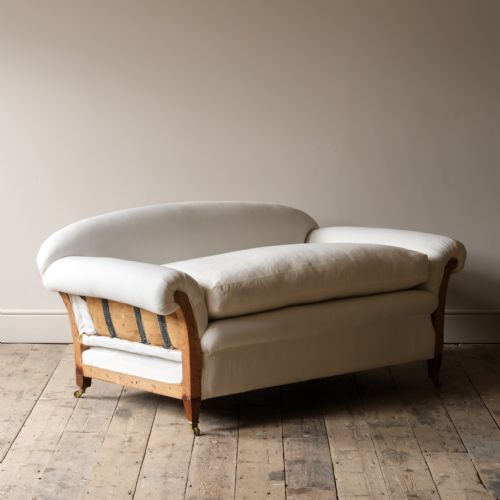
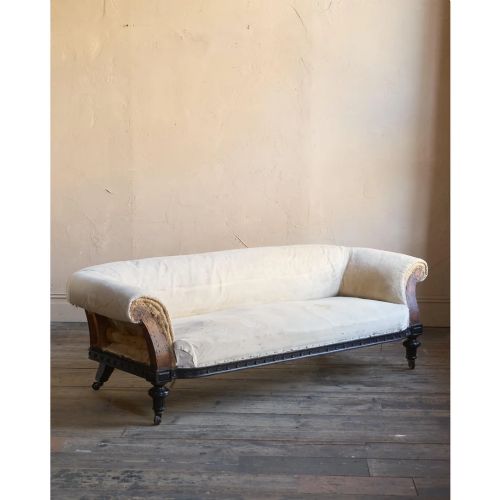
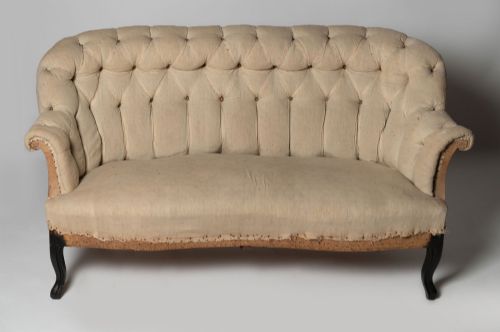
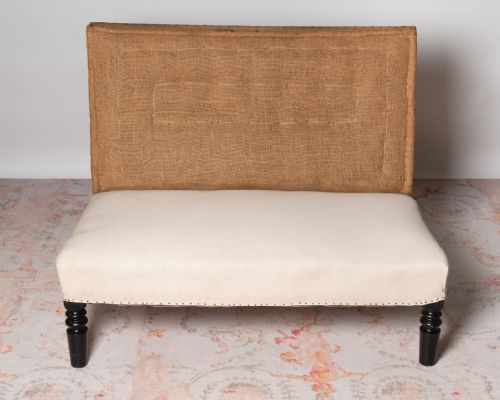
Deconstructed upholstered sofa forms are bare-boned frames and exposed webbing that bring industrial raw texture into traditional rooms.
Deconstructed Upholstered Sofa
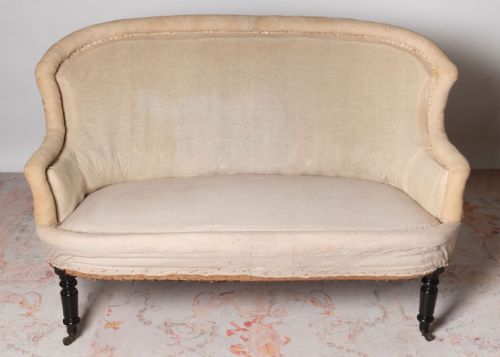
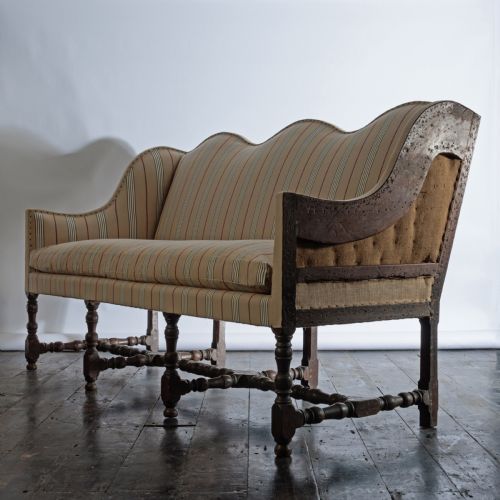
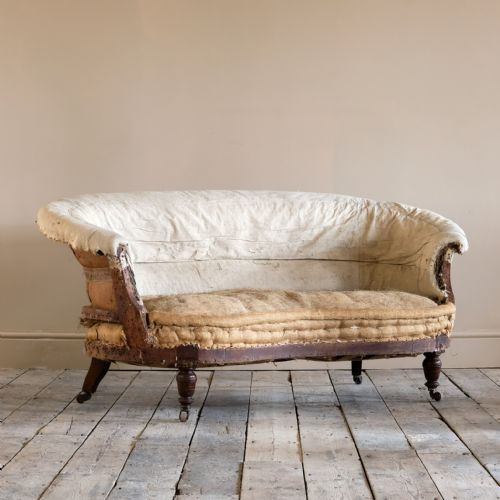
When you search for a deconstructed upholstered sofa, you are looking at seating stripped back to reveal the structural guts, hessian webbing and tack lines usually hidden beneath top covers. These pieces expose the inner skeleton while maintaining padded comfort for everyday use in country houses and drawing rooms.
The versions you are most likely to meet on this page span from seventeenth century baroque wingbacks and regency frames to nineteenth century French models, deep seated country house two seaters and nineteen thirties three seaters. Makers such as Hampton and Sons appear alongside French provincial banquettes and aesthetic movement chesterfields.
Object types range across sofas and settees, benches, and Napoleon III piecrust chaises longues. Each piece combines formal period silhouettes with the unfinished honesty of exposed timber and raw canvas interiors.
Materials and construction
Timbers like walnut form the structural frames, supporting complex interior layers of jute, hessian, calico, and cotton. Traditional joinery underpins these shapes, while brass tacks secure the raw fabric edges directly to the wood.
The exposed materials rely on tactile contrast between polished timber and coarse woven plant fibres. Layers of linen and hessian are hand stitched and tacked to reveal the skeletal geometry of the maker's craft.
A nineteenth century piece lets you inspect the exact stitches a long-gone upholsterer left behind inside the arm.
Judging quality
Quality rests in the architectural integrity of the underlying timber frame and the precision of the exposed tack work. Superior examples display harmonious proportions across seventeenth century baroque or regency lines rather than clumsy proportions.
The character of the hessian and calico wrapping distinguishes finer pieces, where the raw textiles are neatly secured and show age without structural compromise. The balance between exposed inner materials and finished seating comfort dictates the standing of each piece.
Hampton and Sons
The Deconstructed Upholstered Sofa Glossary
- Hessian
- A coarse woven fabric made from jute fibres used for interior stuffing and webbing support. It provides the characteristic raw texture seen on stripped frames.
- Calico
- A plain-woven cotton textile used as an inner lining layer beneath outer covers. It conceals internal stuffing while keeping the structure breathable.
- Webbing
- Woven bands stretched across the frame base to support seat springs and padding. Visible webbing defines the aesthetic of these stripped designs.
- Piecrust chaise
- A couch featuring a raised, scalloped edge along the wooden frame top. This Victorian and nineteenth century French form often uses exposed joinery.
- Wingback
- An armchair or sofa style featuring protective side panels designed to shield occupants from draughts. Seventeenth century versions showcase early structural framing.
Deconstructed Upholstered Sofa: Frequently Asked Questions
What is a deconstructed upholstered sofa?
A deconstructed upholstered sofa is a traditional seat stripped of its final decorative outer fabric to expose the hessian webbing, calico lining, and structural timber frame.
These pieces showcase the raw materials and internal mechanics of furniture making while retaining functional padding and comfortable proportions for modern rooms.
How do I style a deconstructed sofa?
These sofas anchor a room by introducing industrial texture and historic form without heavy patterned fabrics competing for attention. Pair them with simple wooden tables and neutral walls to let the exposed hessian and timber frames stand out.
They work well in English country house settings and French provincial interiors, bridging traditional silhouettes with relaxed, contemporary spaces.
How do I date a deconstructed sofa?
Dating relies on the underlying frame style, such as seventeenth century baroque curves, regency silhouettes, or nineteenth century French proportions. The woodworking techniques and timber choices provide clues to the era of manufacture.
Consulting the specific object types, from Napoleon III chaises to deep seated country house two seaters, helps narrow down the period of origin.
Are these sofas comfortable to use?
Despite the stripped exterior and exposed internal webbing, these pieces retain their core padding, springs, and upholstery support. They offer the same seating comfort as fully finished antique sofas.
The exposed hessian and calico cover functional layers designed for daily seating rather than purely decorative display.