
Antique Couch on Castors
An antique couch on castors brings deep upholstery and mobility together, offering a traditional seating choice built for comfort and effortless movement across rooms.
Antique Couch on Castors
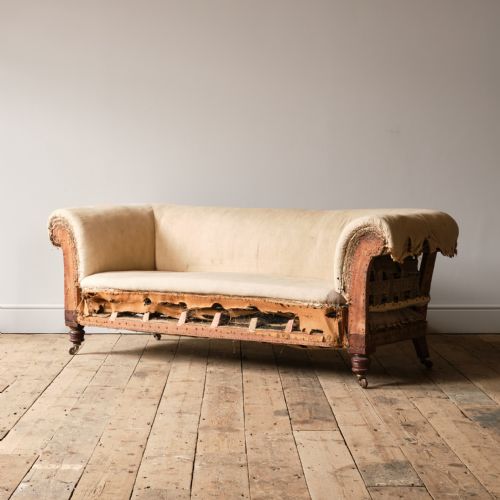
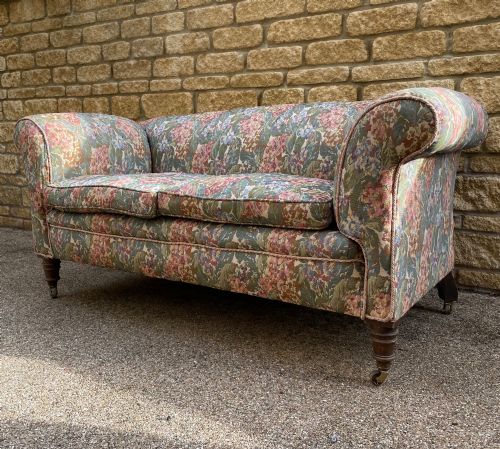
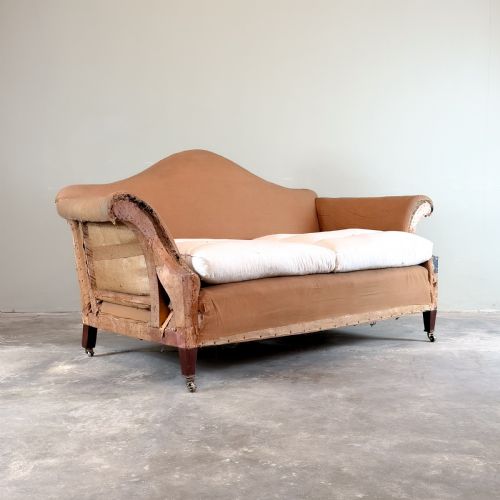
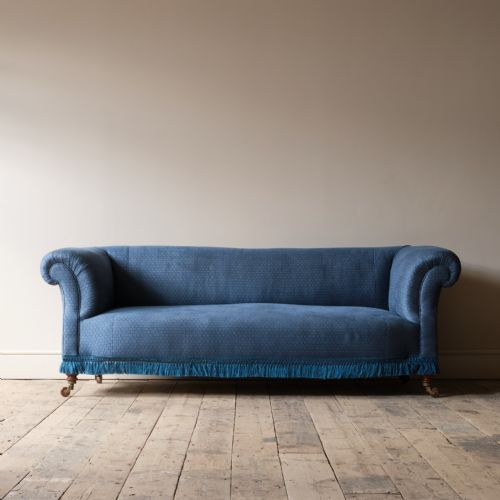
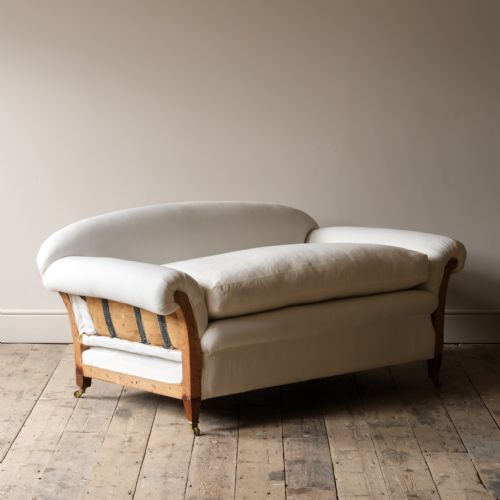
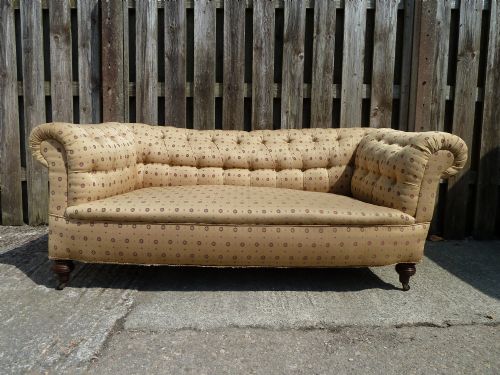
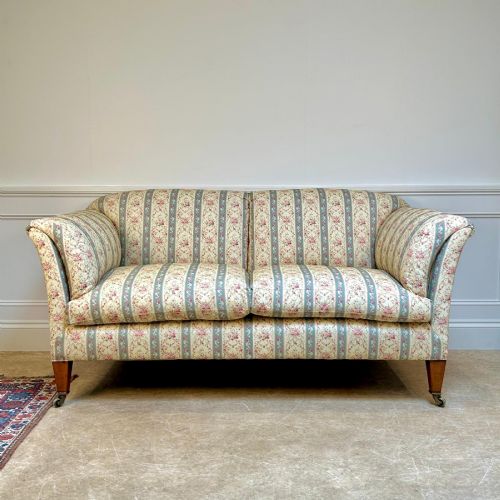
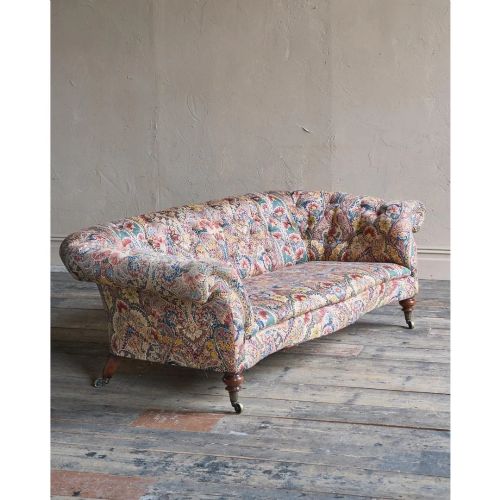
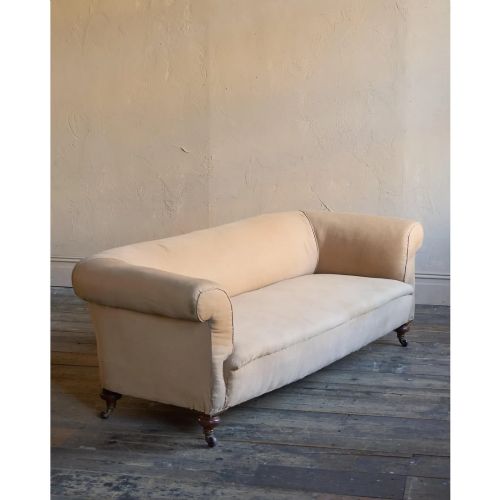
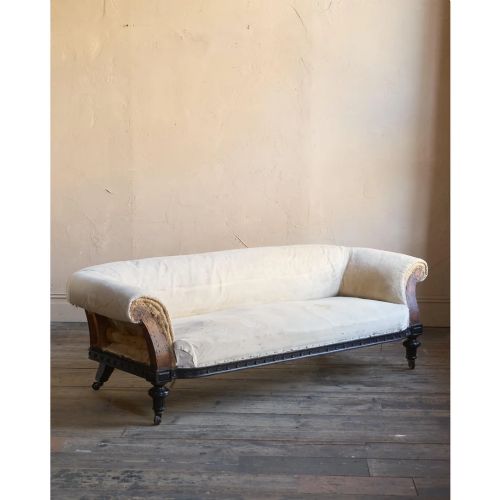
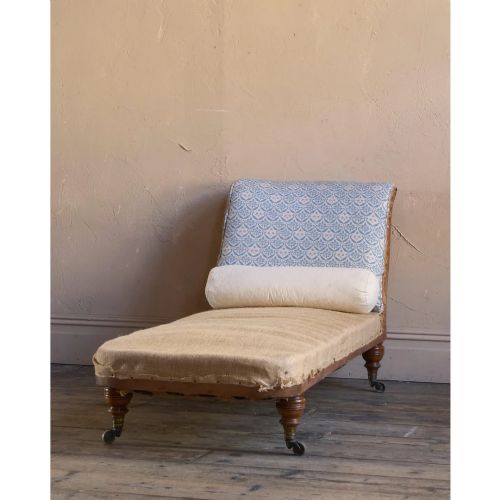
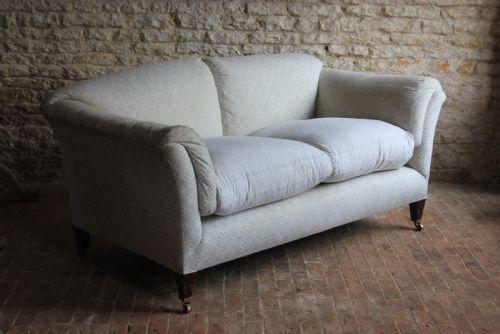
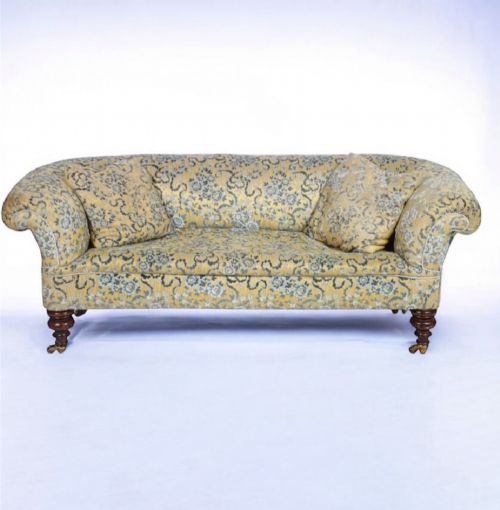
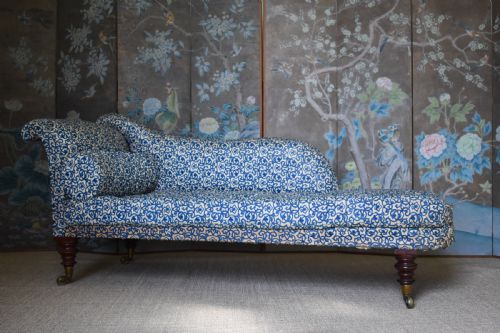
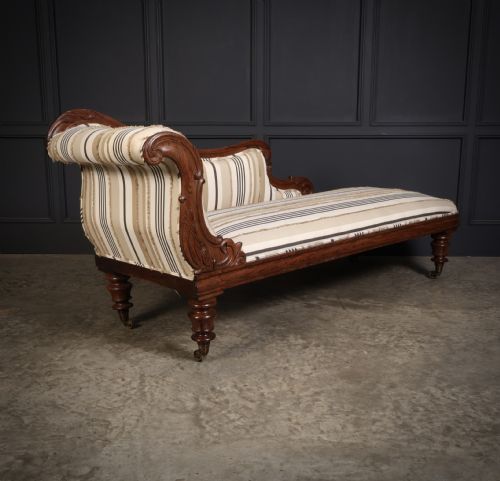
When you search for an antique couch on castors, you encounter heavily upholstered seating forms primarily originating from the nineteenth and early twentieth centuries. These pieces encompass deep-seated chesterfields, drop arm sofas, camel backs, day beds, and chaise longues resting on small wheel attachments designed for ease of relocation.
The selections span distinct historical periods including the Regency, William IV, and Victorian eras, alongside later Edwardian and 1930s country house examples. English country house styles dominate the selection, often presenting low profiles built for relaxed lounging.
Forms vary from classic button-backed chesterfields to asymmetric chaise longues and lyre-shaped frames. Most examples rely on substantial wooden frames completely concealed beneath fabric and stuffing.
How they were made
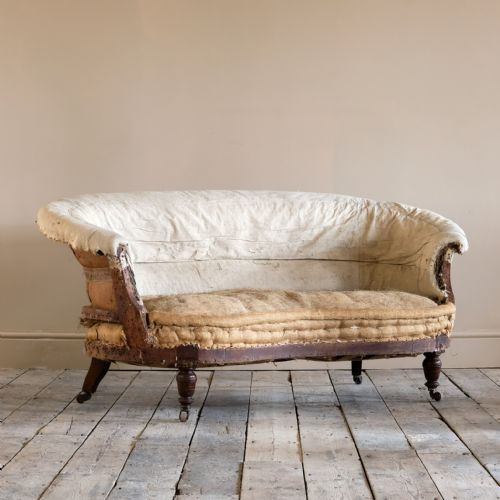
Makers constructed the foundational framework using hardwoods such as mahogany and walnut, shaping internal supports to bear heavy springing and deep stuffing. Upholstery layers relied on traditional textiles including calico, hessian, linen, and velvet, secured tightly over dense padding.
Castors made from brass or turned wood were fitted to the base of the legs, allowing heavy framed seating to move smoothly across floor coverings without dragging or scratching timber.
Several pieces include tiny porcelain wheels hidden inside their brass castor mounts, keeping floor movement whisper-quiet.
What varies in quality
Quality rests primarily in the integrity of the internal frame construction and the proportion of the upholstered silhouette. Pieces produced by premier workshops exhibit tighter joinery, superior weight distribution, and more resilient internal springing that maintains proper support over decades of use.
The selection of covering materials also distinguishes different tiers of manufacture. Higher grade examples feature superior textiles, careful pattern alignment, and intact original brass or turned wood castors that retain their smooth rolling function.
Howard and Sons·Hampton and Sons·Holland and Sons·William Birch
The Antique Couch on Castors Glossary
- Chesterfield
- A deep-buttoned upholstered sofa traditionally featuring arms and back of the same height. This form remains a staple of nineteenth-century seating design.
- Chaise Longue
- An elongated upholstered chair designed for reclining, featuring a single raised backrest or headrest at one end. Examples frequently appear in Regency and Victorian inventories.
- Castor
- A small wheel fitted to the foot of a piece of furniture to permit easy movement across floors. Brass and turned wood versions are common.
- Drop Arm
- A movable arm mechanism on a sofa that lowers on hinges to create a day bed or resting surface. This feature provides adjustable configuration.
- Calico
- A plain-woven unbleached cotton textile frequently used as the primary under-upholstery layer on nineteenth-century seating. It serves as a base before decorative fabric is applied.
Antique Couch on Castors: Frequently Asked Questions
How do I care for antique upholstery?
Protect the fabric from direct sunlight to prevent fading and brittle fibres. Regular gentle vacuuming with a soft brush attachment removes dust accumulation.
Avoid chemical cleaning agents unless tested on a hidden area. Professional textile conservators should handle deep restoration work.
Are castors on antique sofas original?
Original castors typically match the timber and period of the legs to which they are attached. Brass fittings should show natural oxidation and secure mounting pins.
Replacement castors are common due to heavy wear over time. Examine the screw holes and surrounding wood for signs of past alterations.
How do I identify a Victorian chesterfield?
Victorian chesterfields display deep button-tufting across the backrest and sometimes the arms. The low wooden legs are typically concealed beneath voluminous upholstery.
Internal webbed framing and horsehair stuffing indicate nineteenth-century construction methods. Brass castors beneath turned wooden legs complete the typical arrangement.